Wouro Kellé: Unlocking Abundance

Having water close at hand is a rarity in the Sahel, and in this way, Wouro Kellé is blessed. This village of more than 700 people sits on the banks of the Senegal River, in the fertile floodplain where irrigated rice production is possible, along with a wide range of other agricultural opportunities.

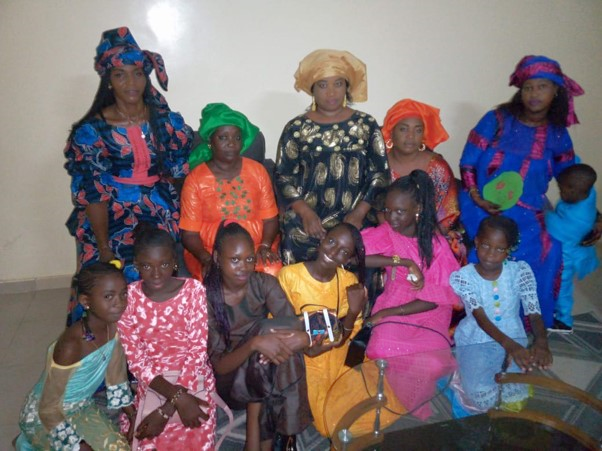
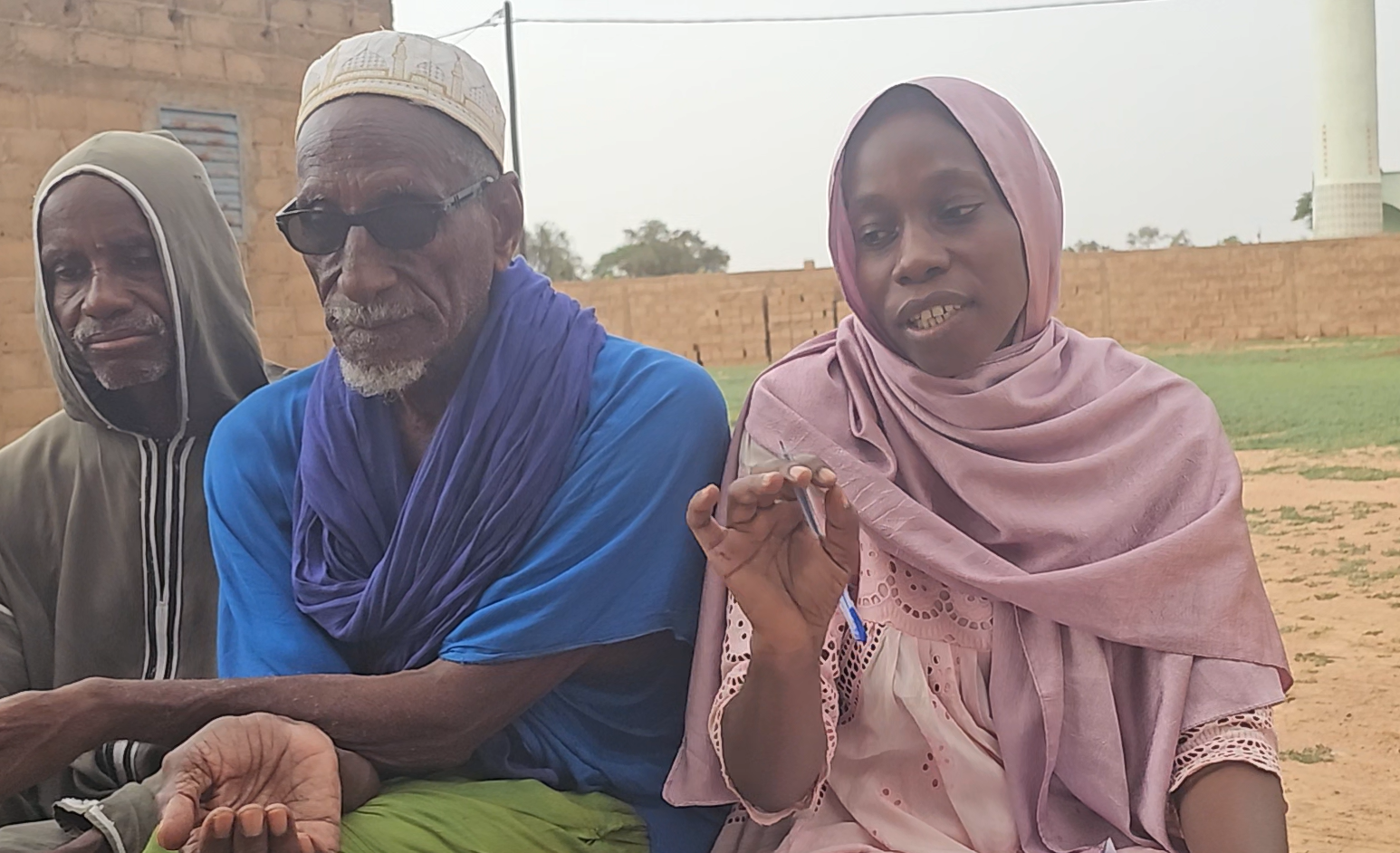
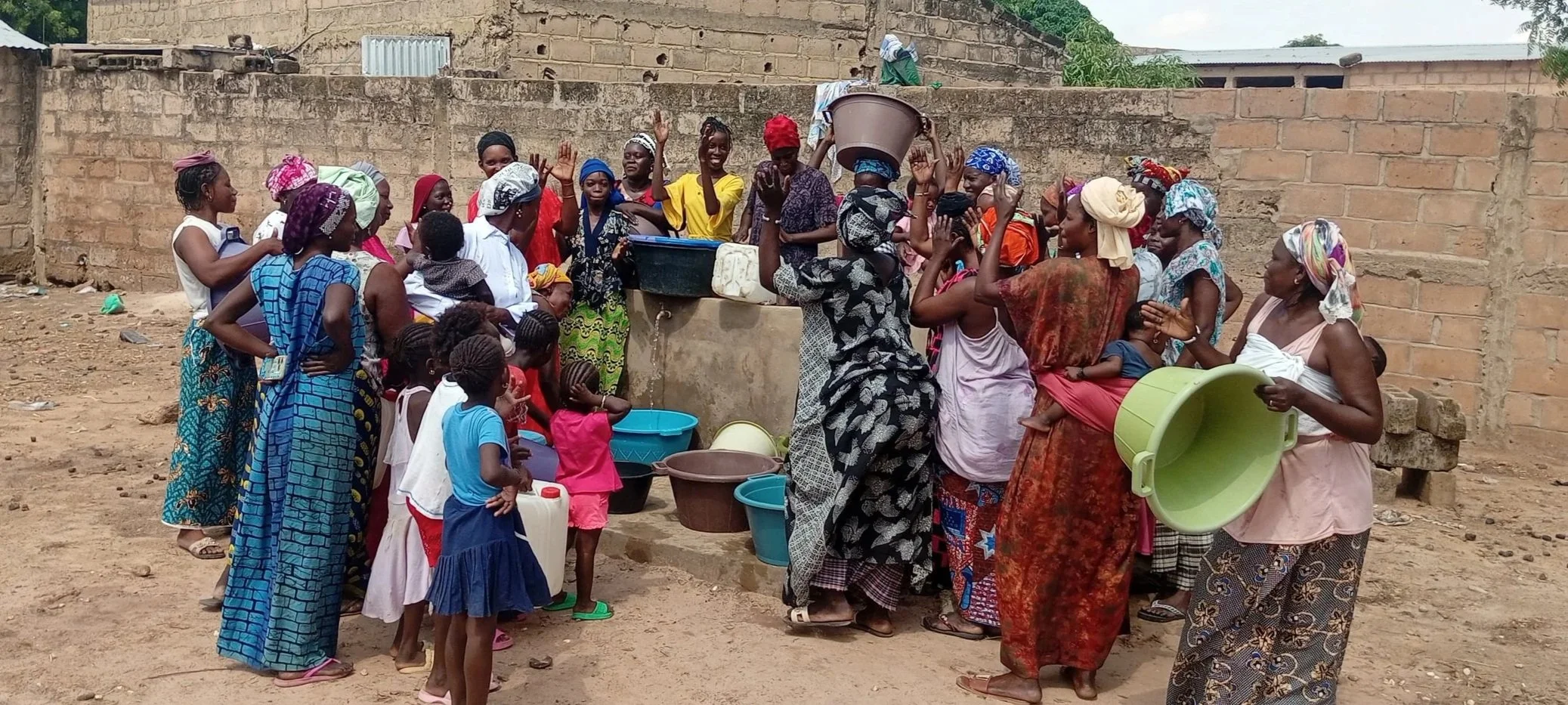
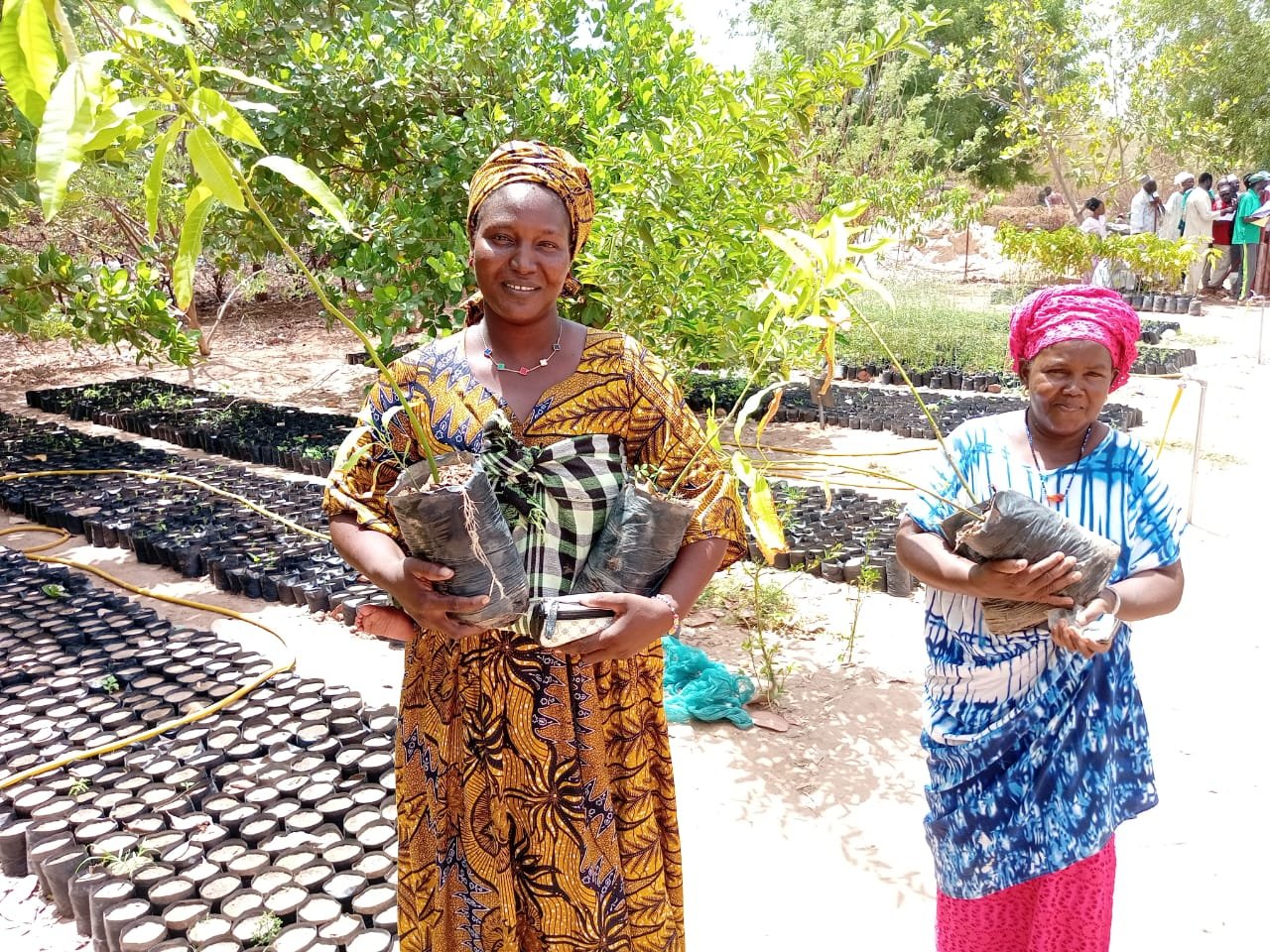
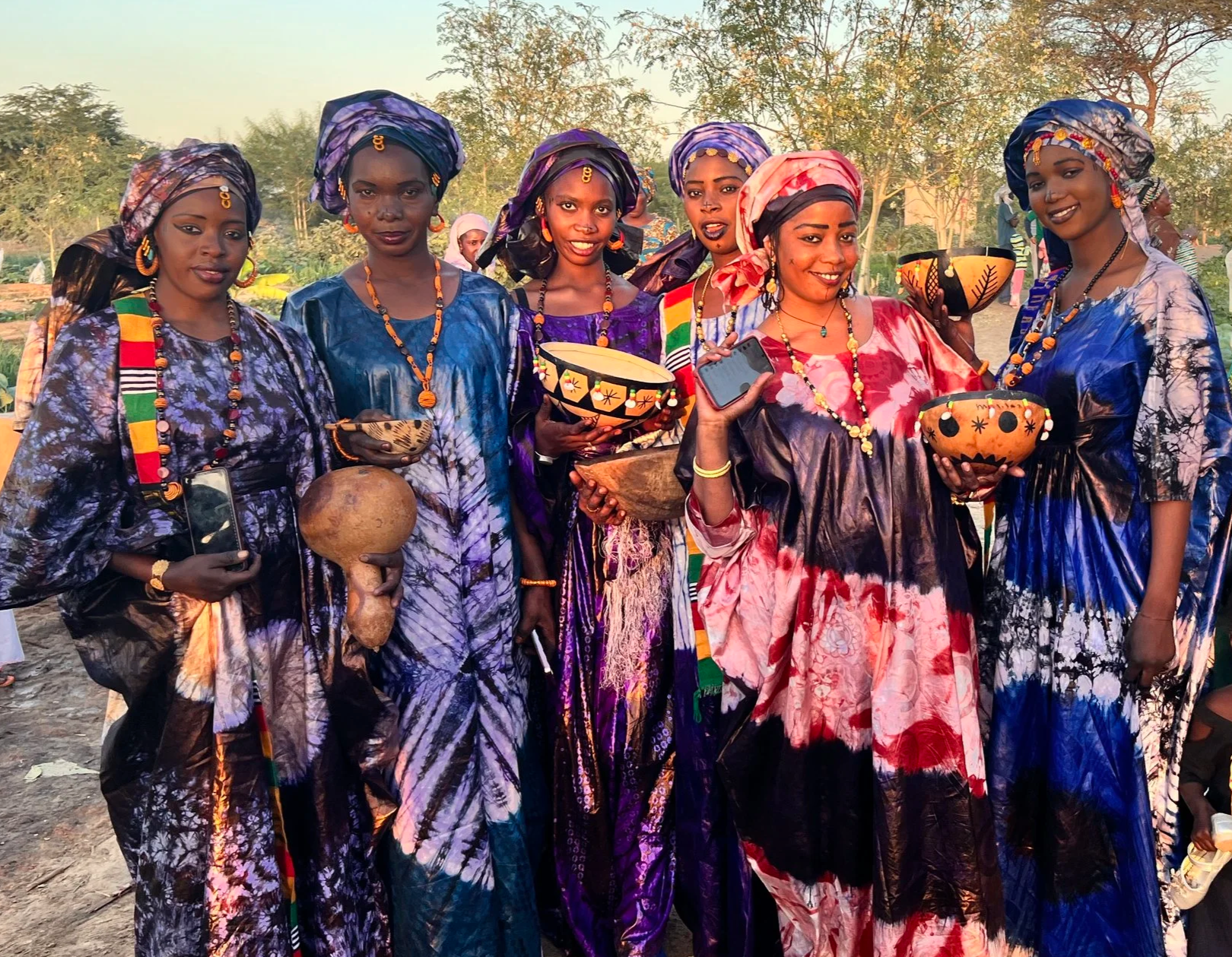
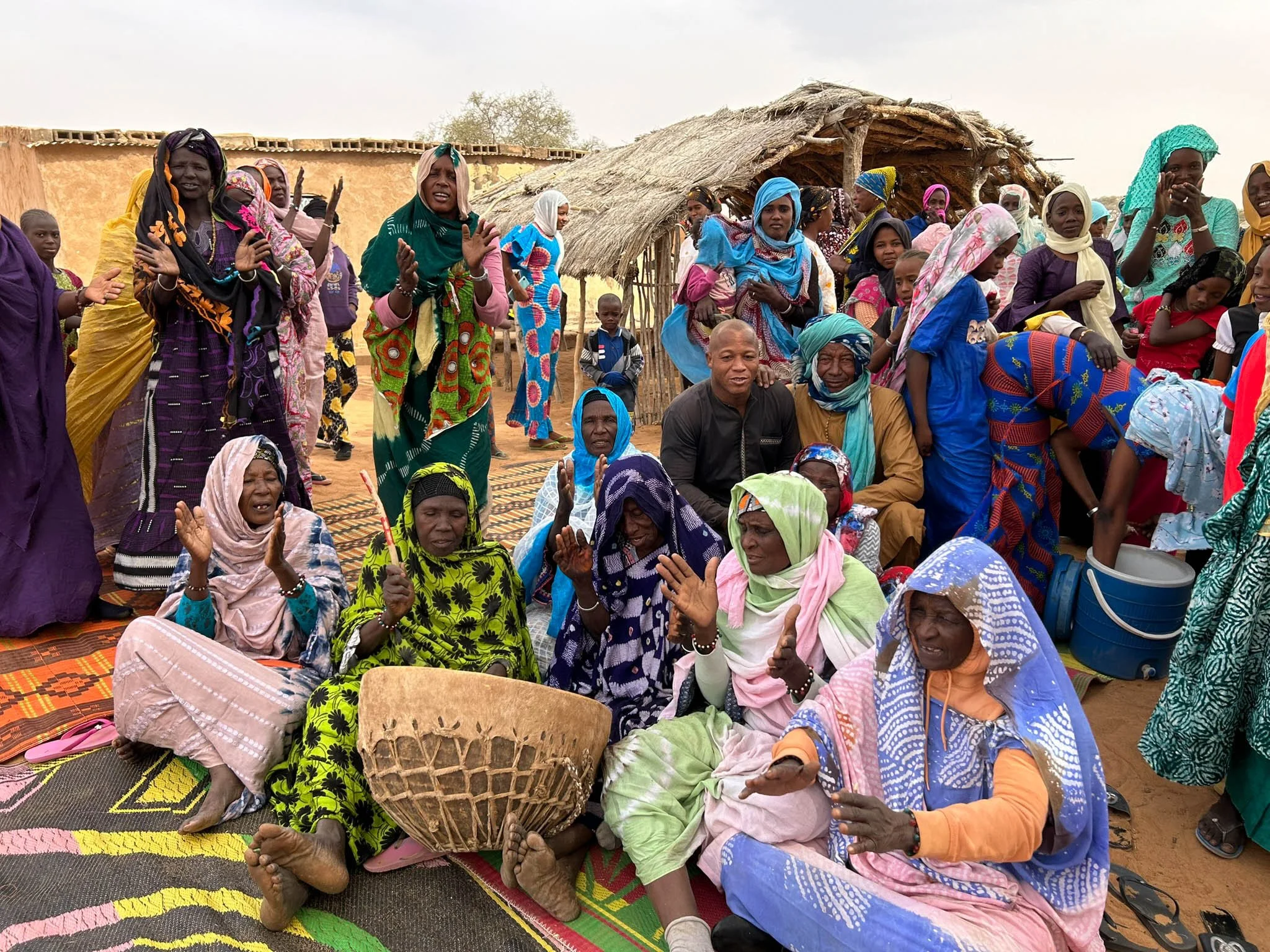
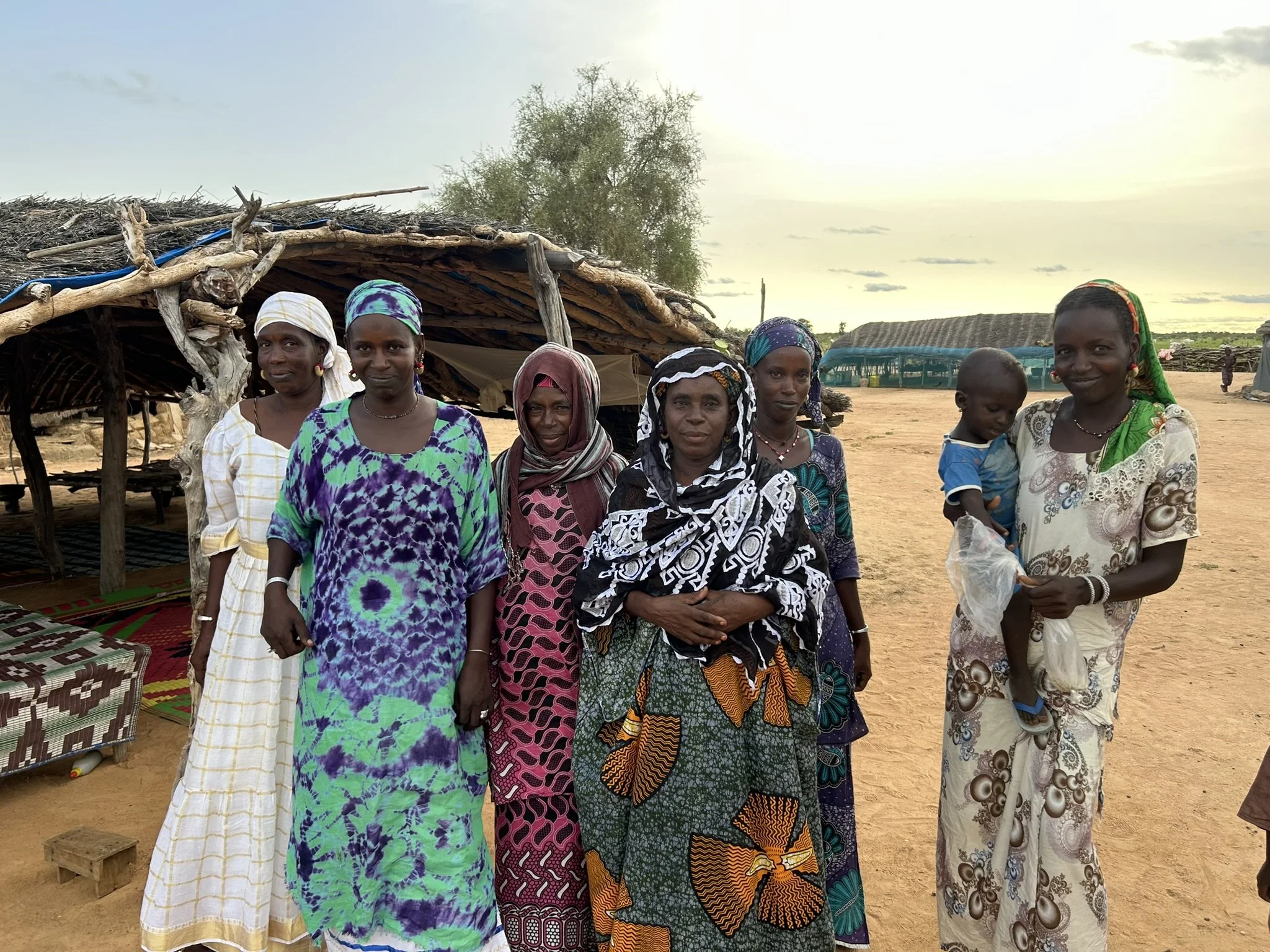
Women from the village wore traditional Pulaar attire to greet us during discussions about a new water system.

Andando first partnered with this community through a women’s garden, which has become phenomenally successful. But despite the abundance around them, the village still lacks something even more critical: safe drinking water.

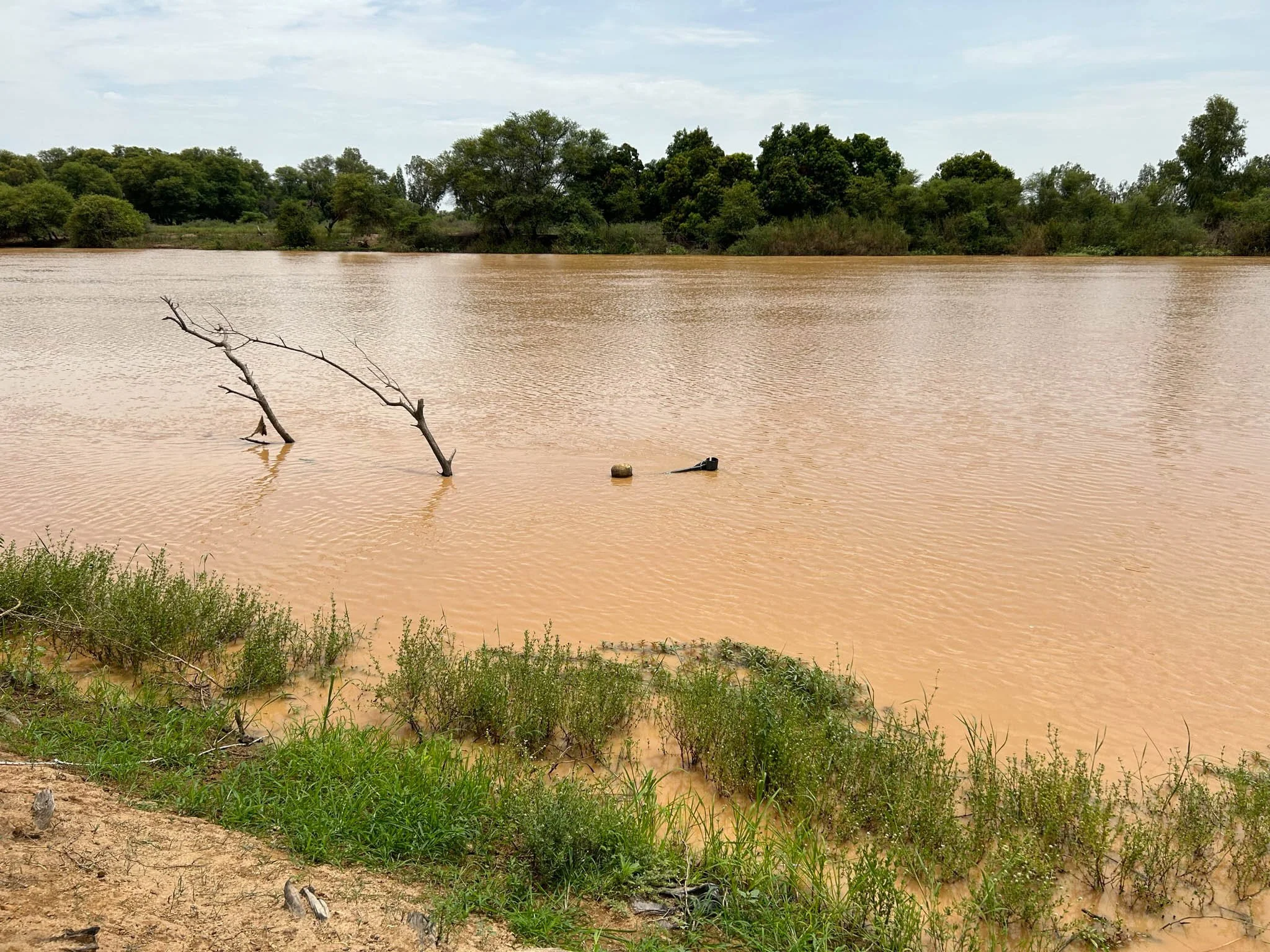
Water in the garden comes directly from the Senegal River. This is fine for growing vegetables, but it is far from potable.

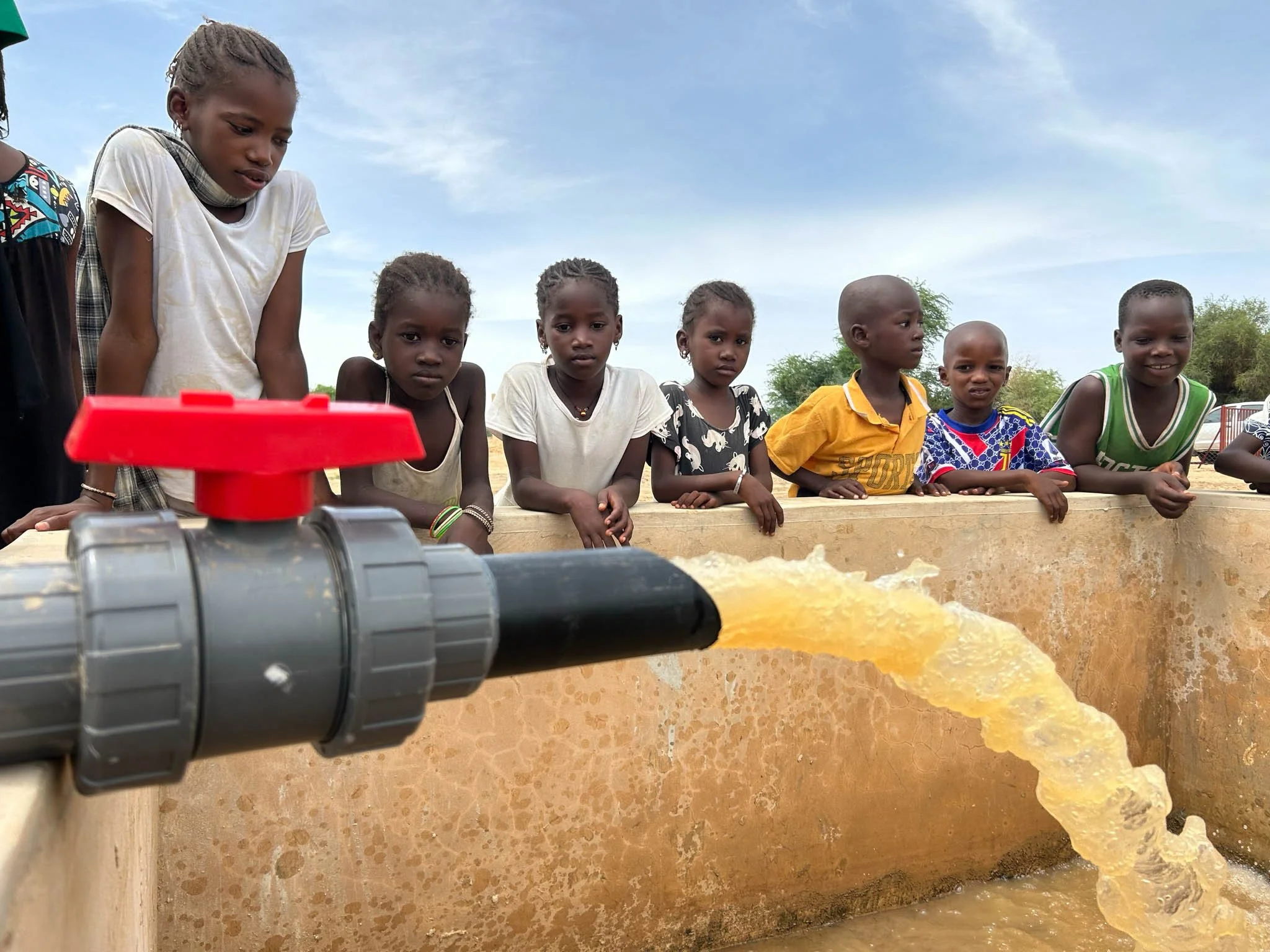
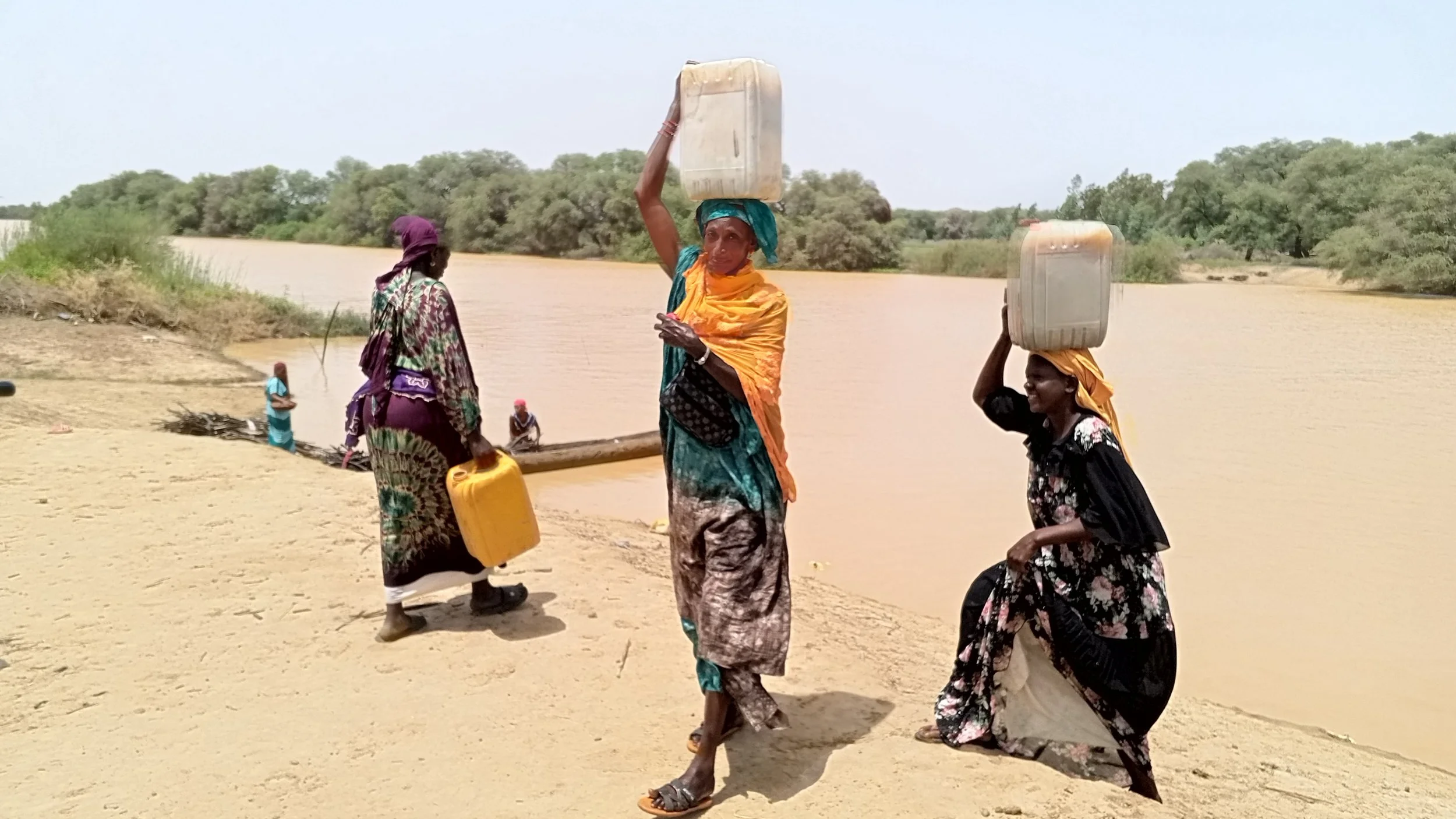
Families from Wouro Kelle rely upon the river for their drinking water.

Few families have the money to purchase bottled water, and when the floods cut off access, even that costly option disappears, leaving the people here no choice but to drink directly from the river.

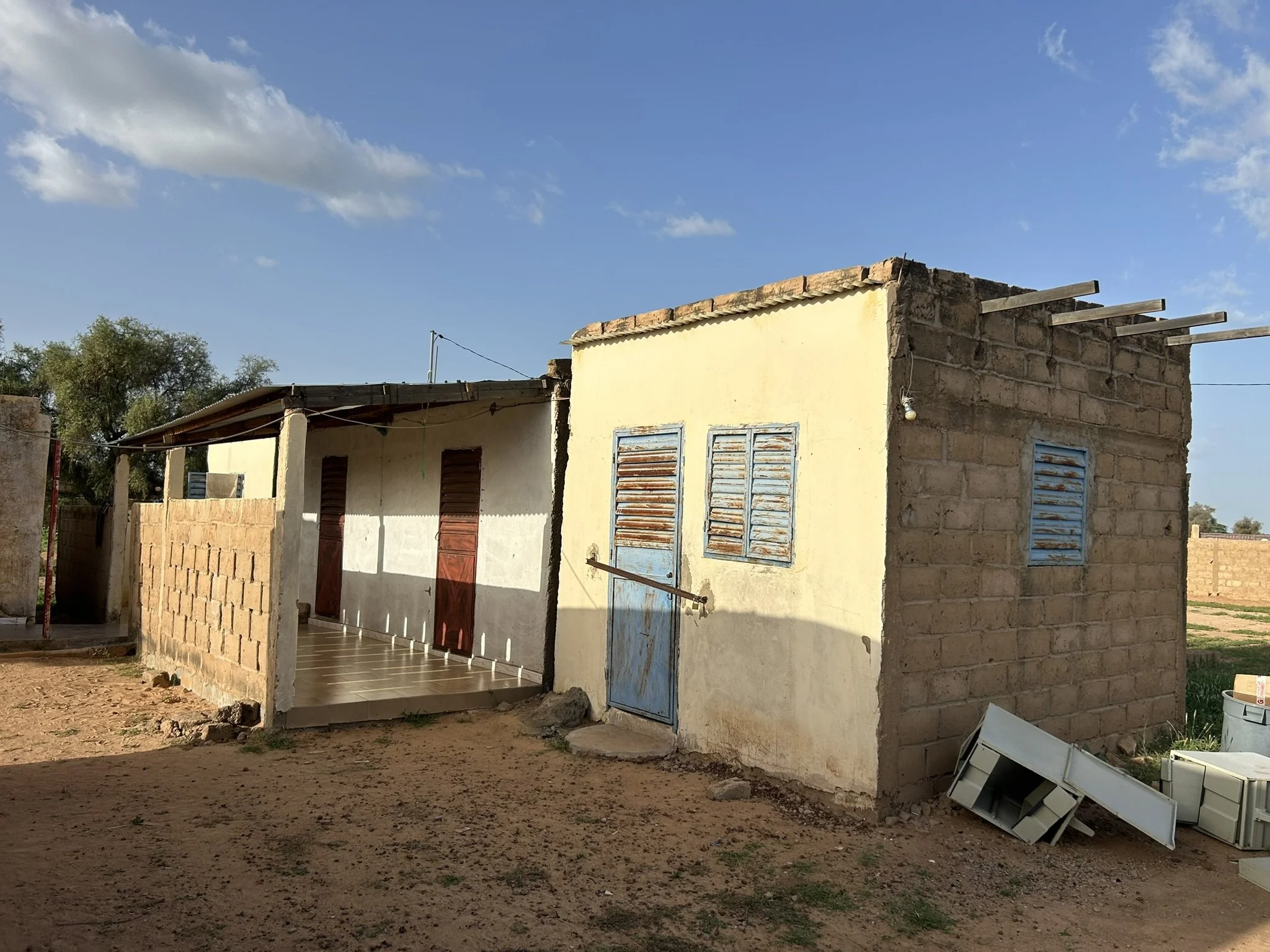
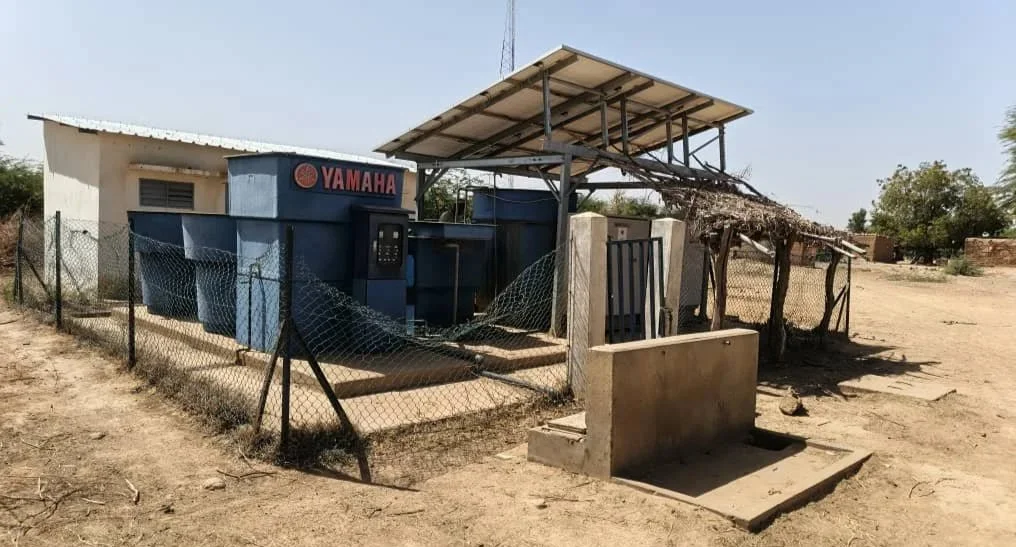
Wouro Kellé’s former water filtration system, which proved to be inadequate and unable to be maintained in such a rural setting.

An earlier effort tried to solve this issue with a sophisticated filtration system, but its output was limited from the start, and it ultimately couldn’t be maintained. This past fall, the village was left once again in an all-too-familiar situation, as Oumou Aw explains:

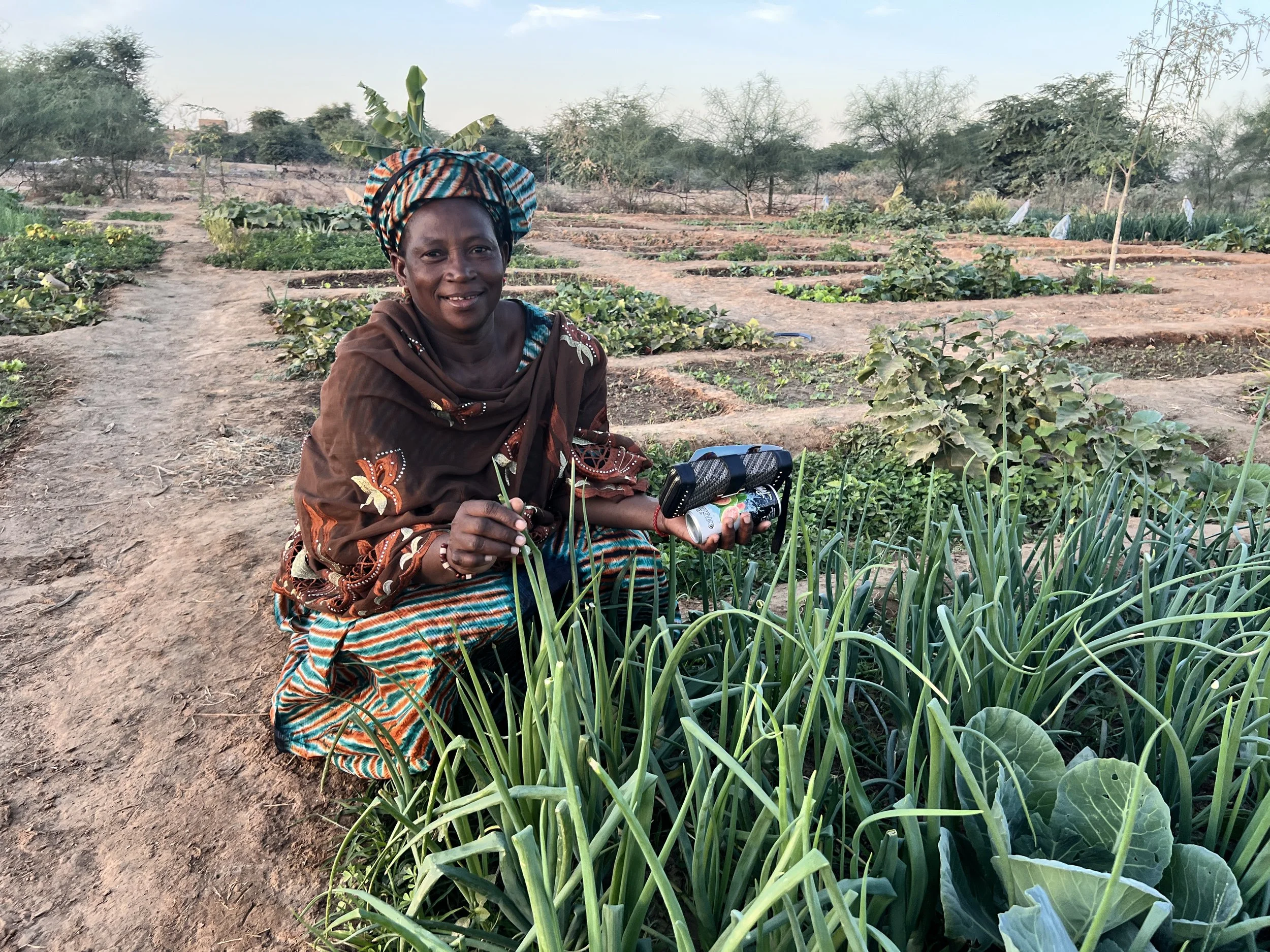
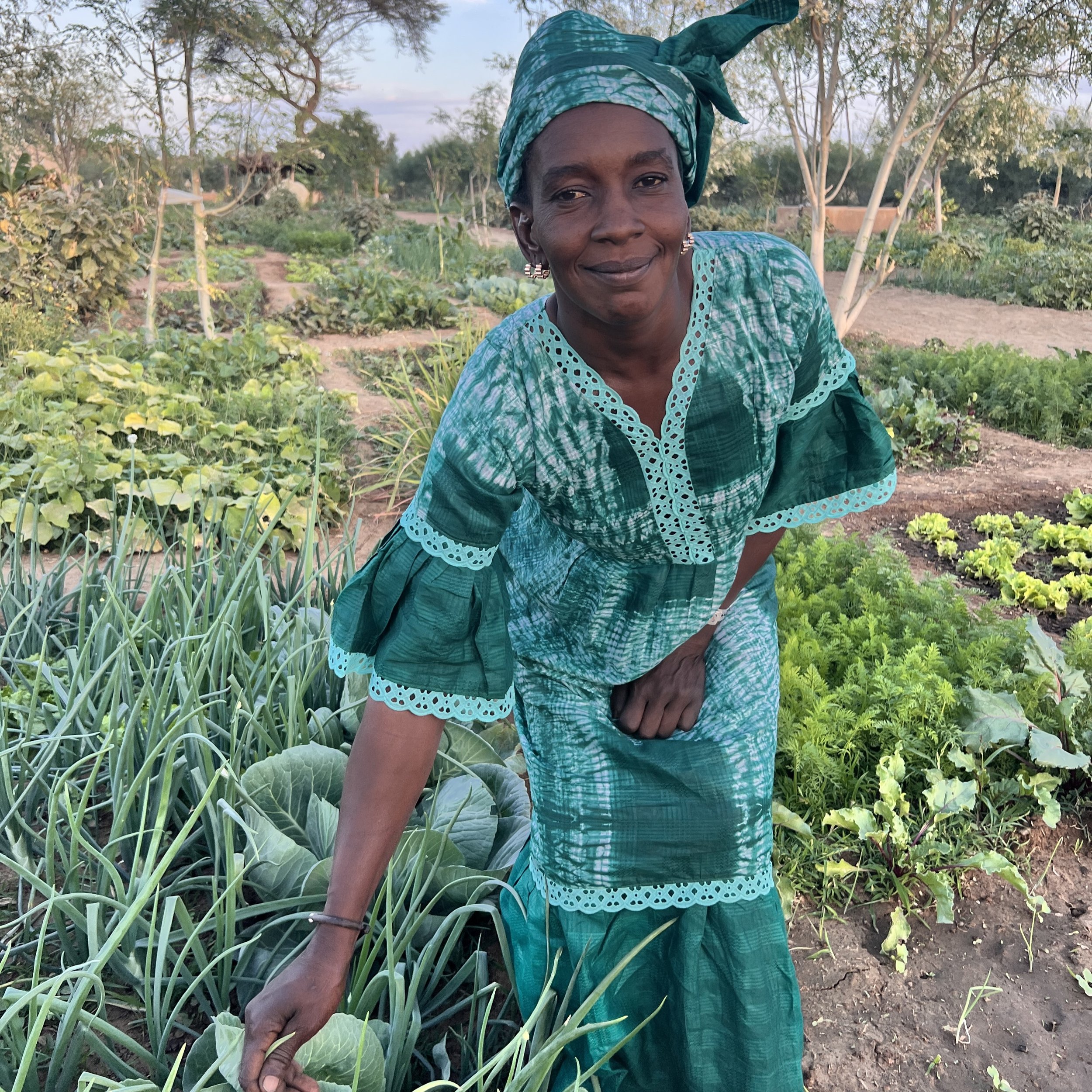
Oumou Aw explained the impacts of unsafe water on her community while showing us her plot in the women’s cooperative garden.

Since the time of our ancestors up to now we are drinking from the river. When we drink the water, it gives us diarrhea. At the beginning of every rainy season, we suffer from diarrhea. This affects every household, and after the rainy season, the water is full of germs and bacteria.
— Oumou Aw, member of the Wouro Kelle Women's Cooperative Garden

With the need so urgent, we were thrilled to find a new partner in Seaboard Overseas and Trading Group, who stepped forward to help us pursue a lasting solution for Wouro Kellé.

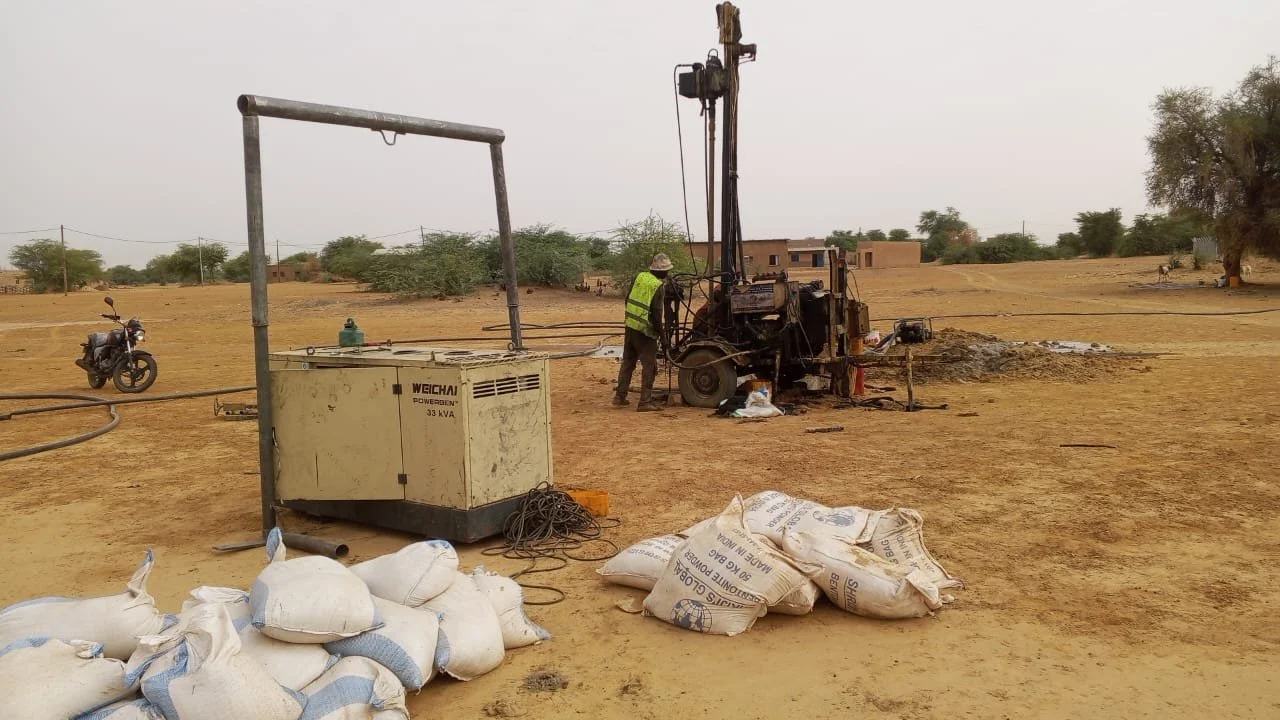
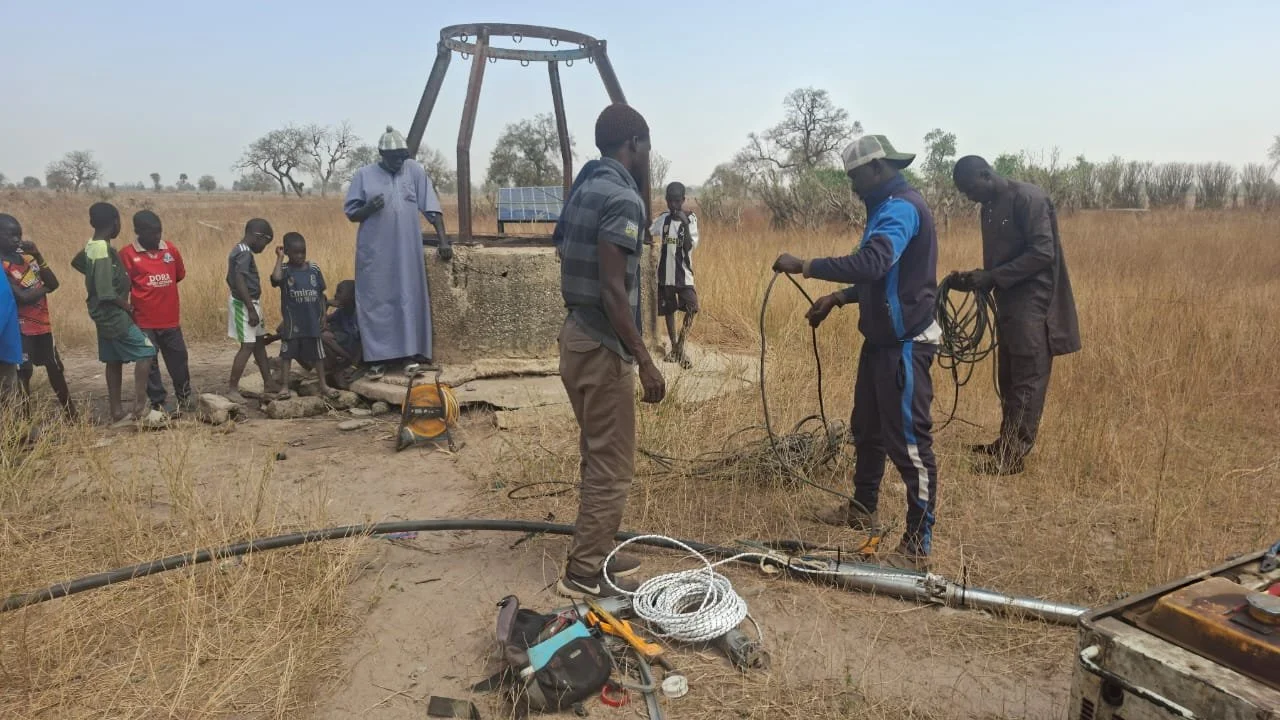
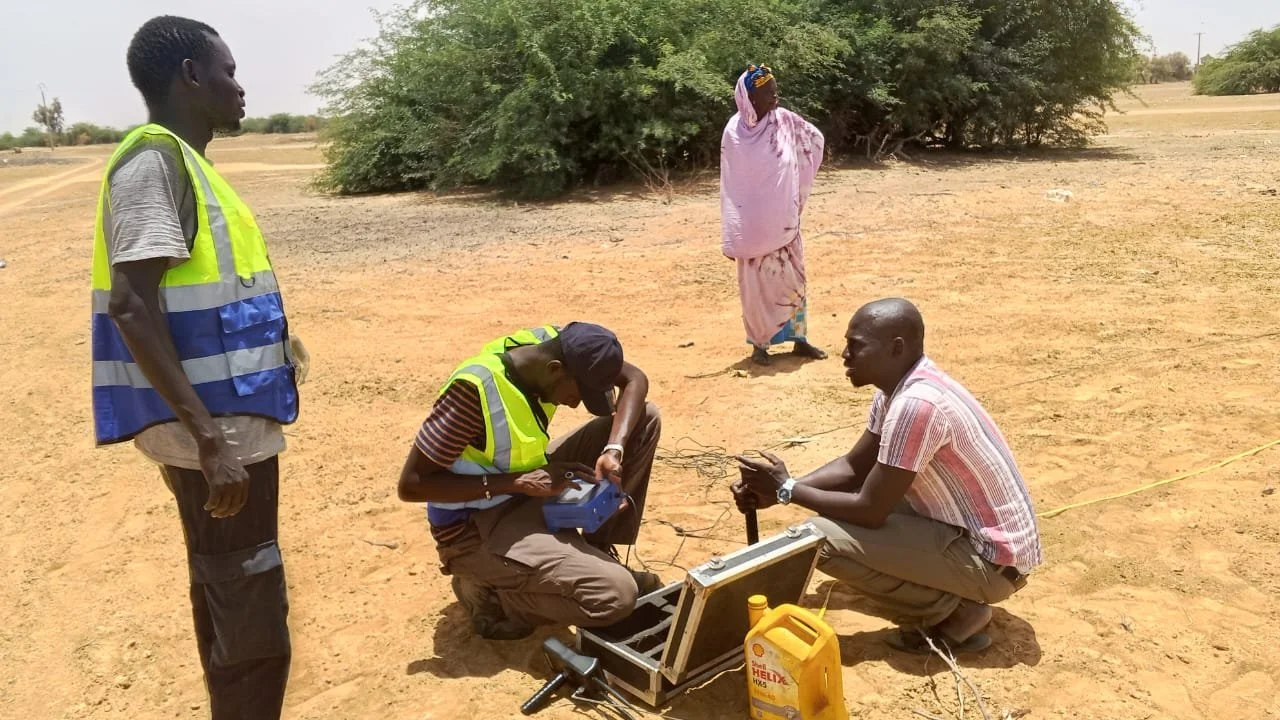
Andando recently brought in technicians from the regional capital to conduct a groundwater survey ahead of drilling a new well.

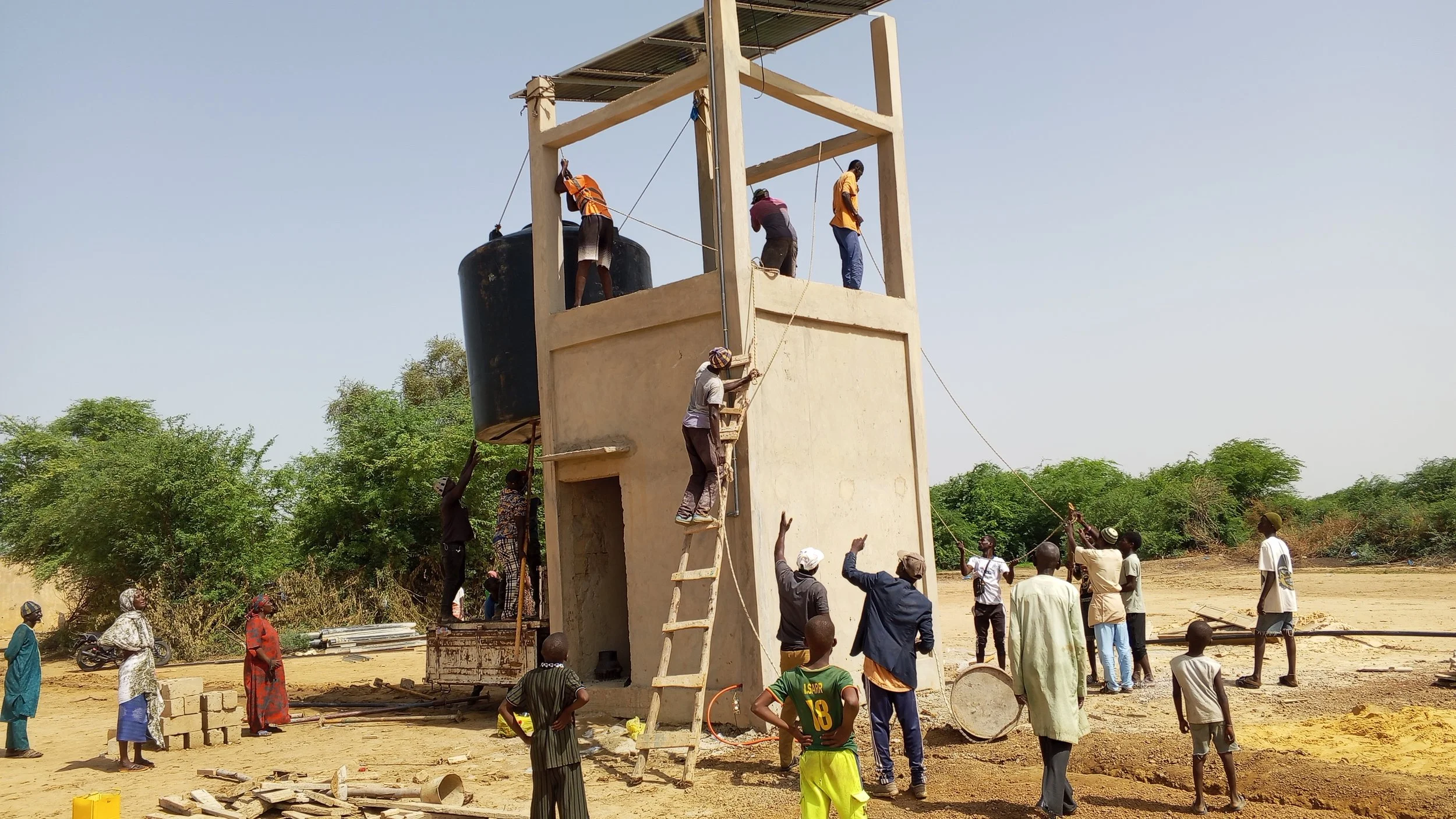
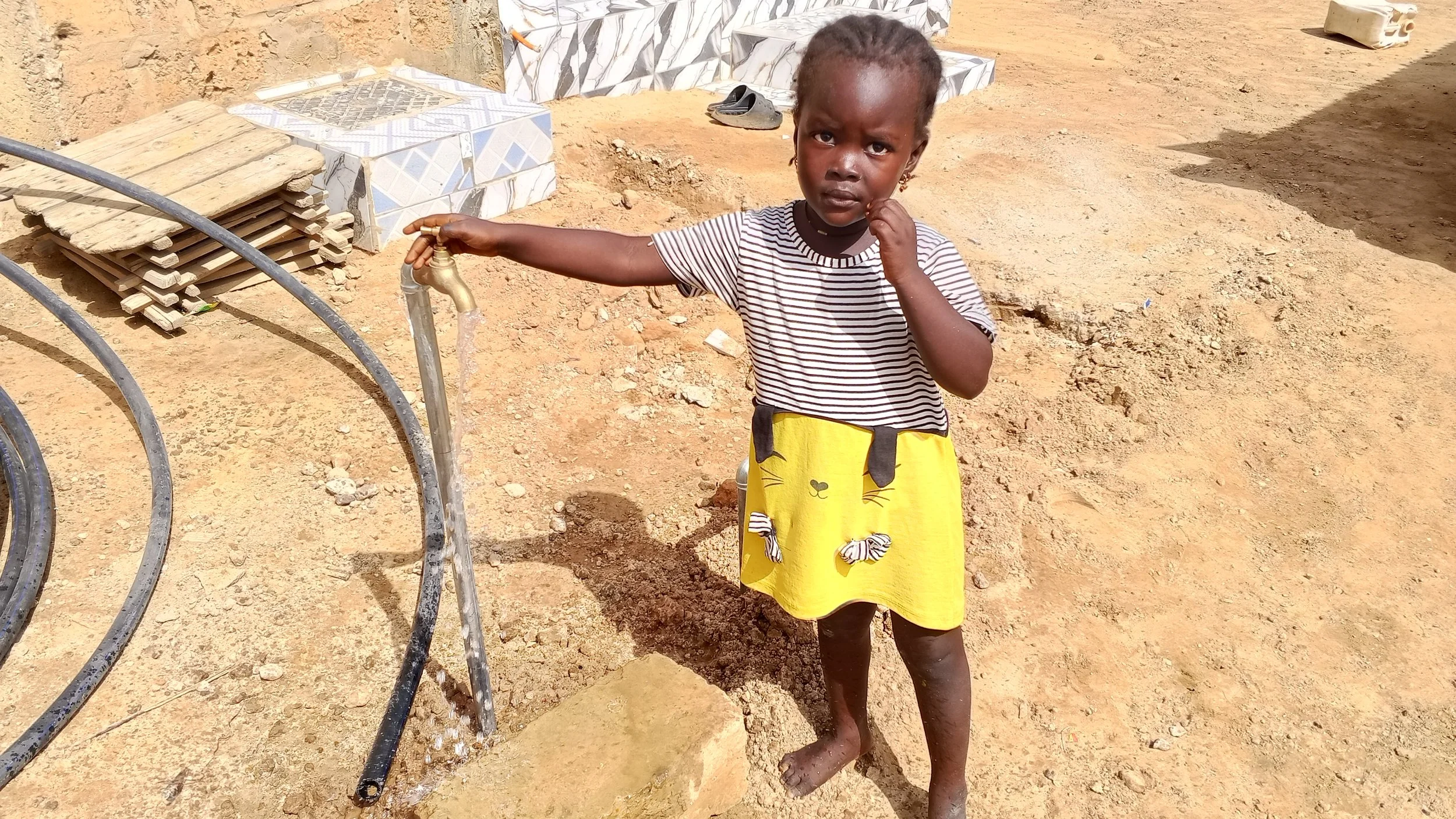
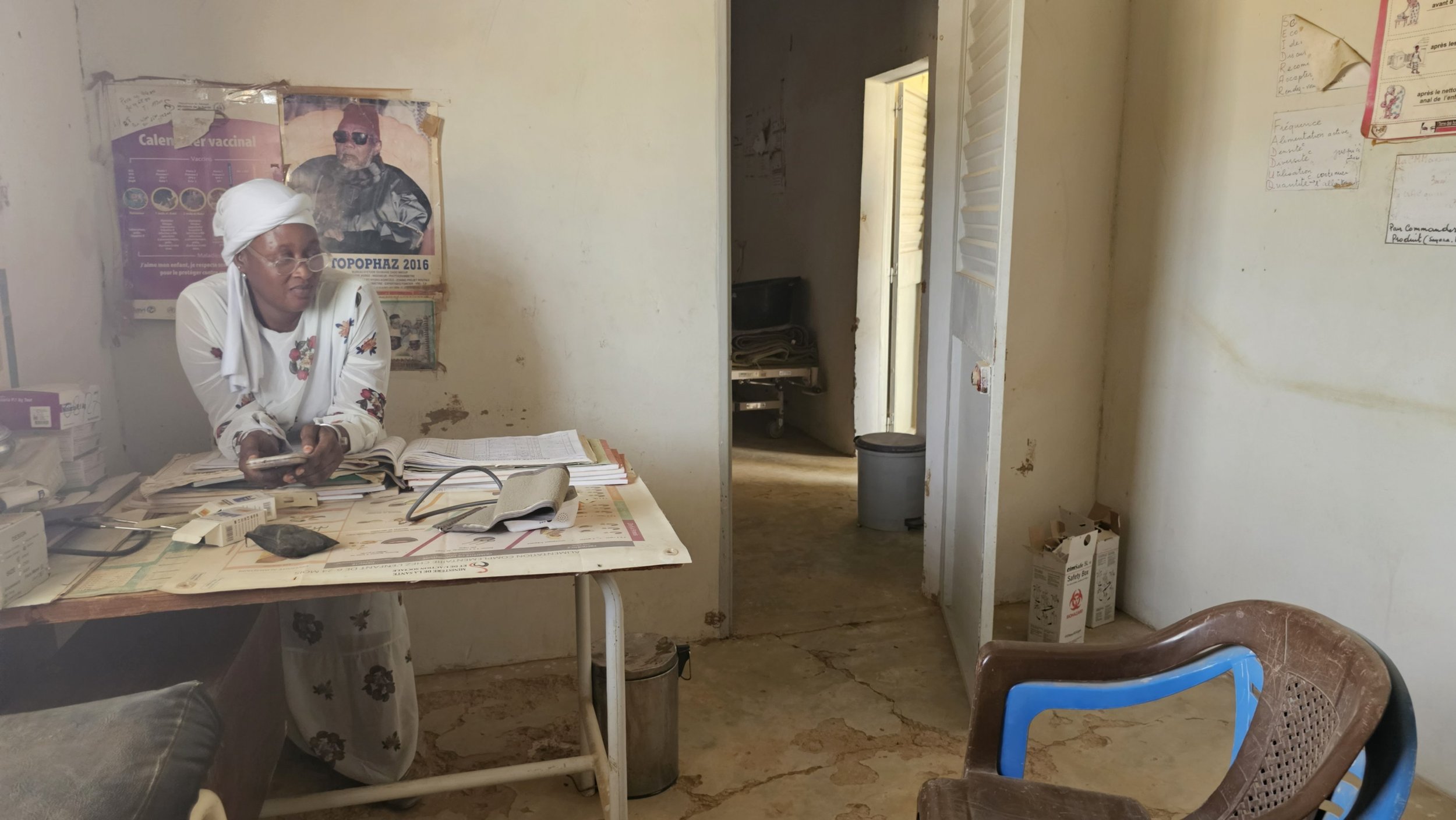
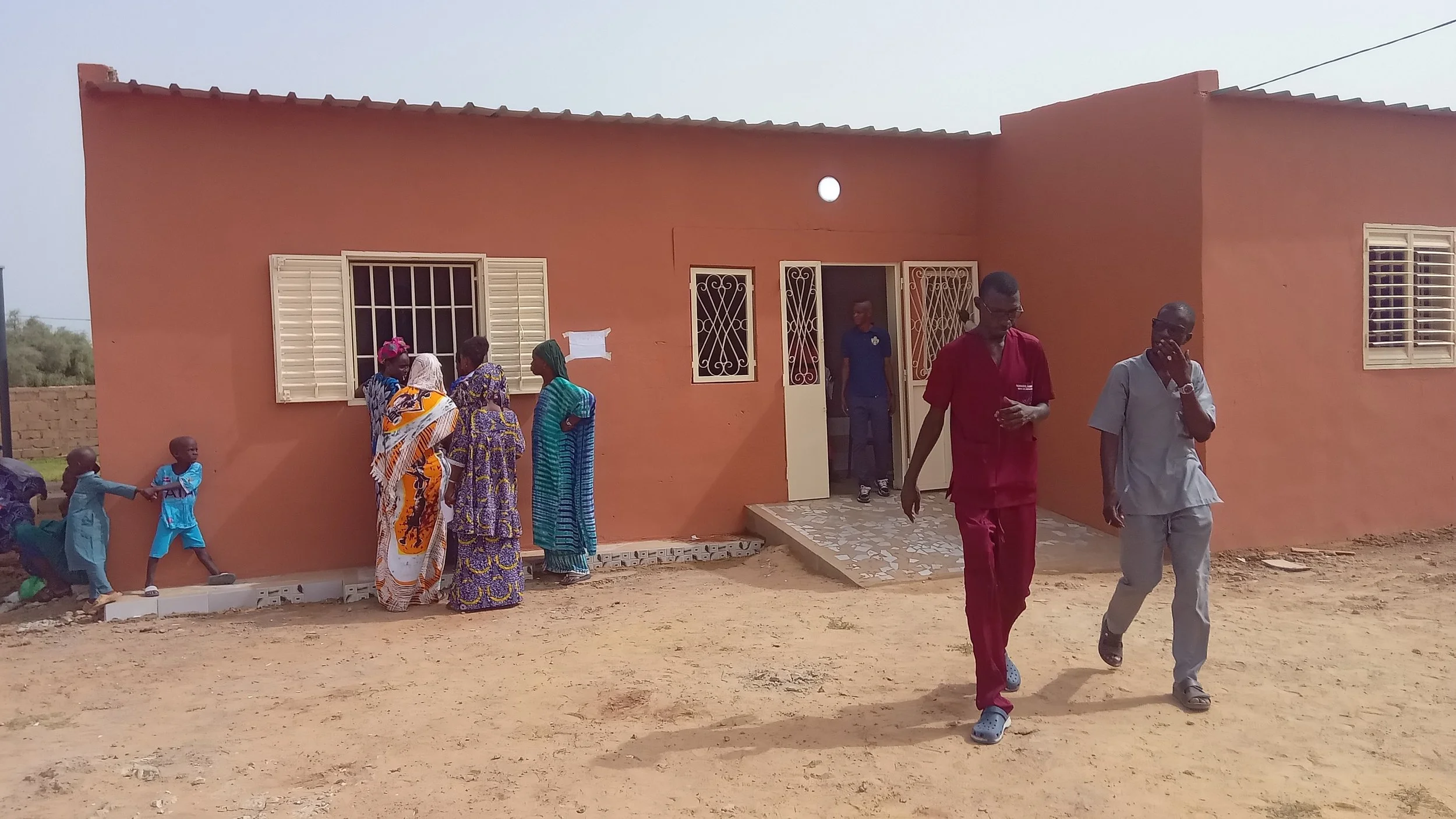
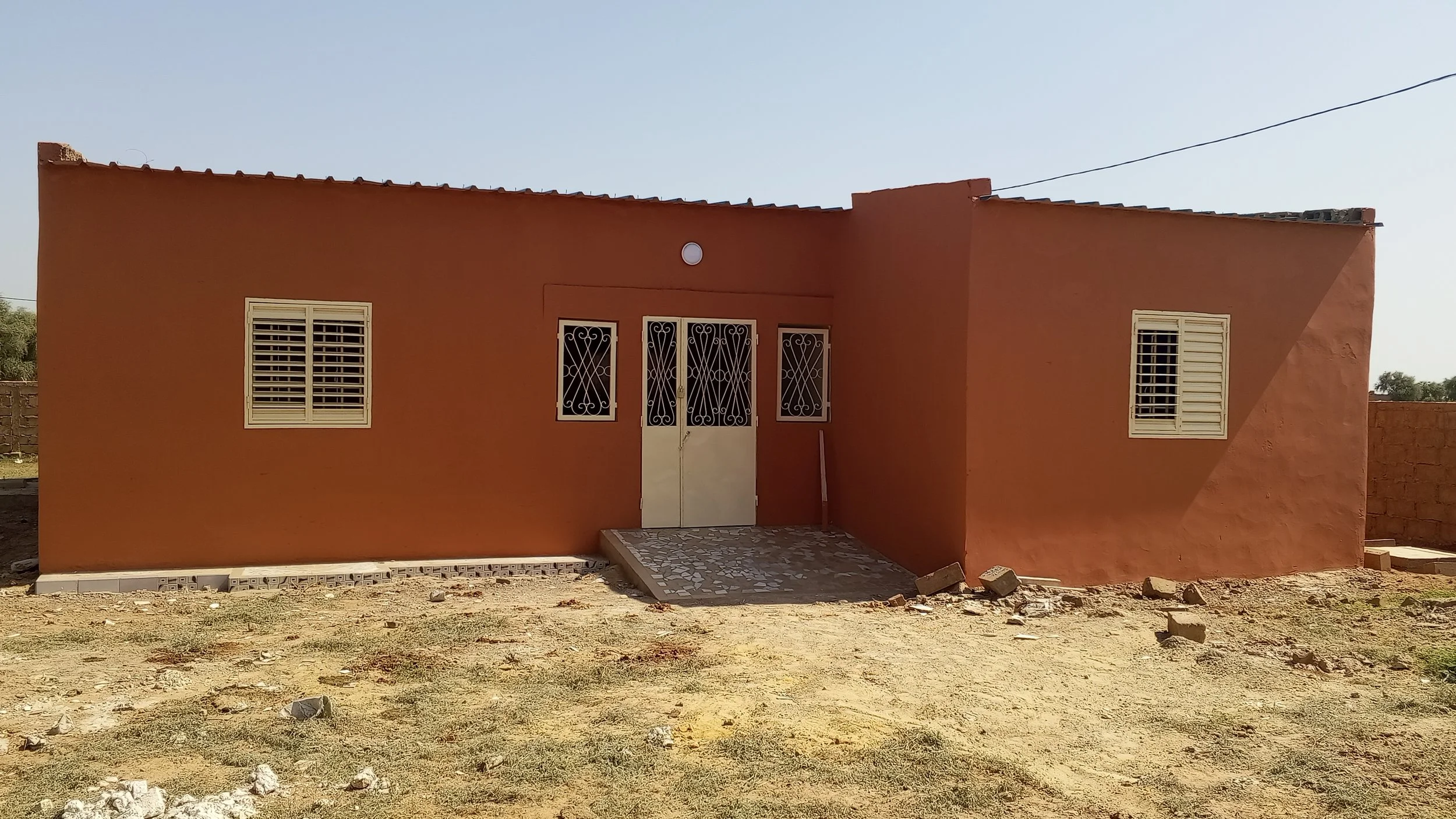
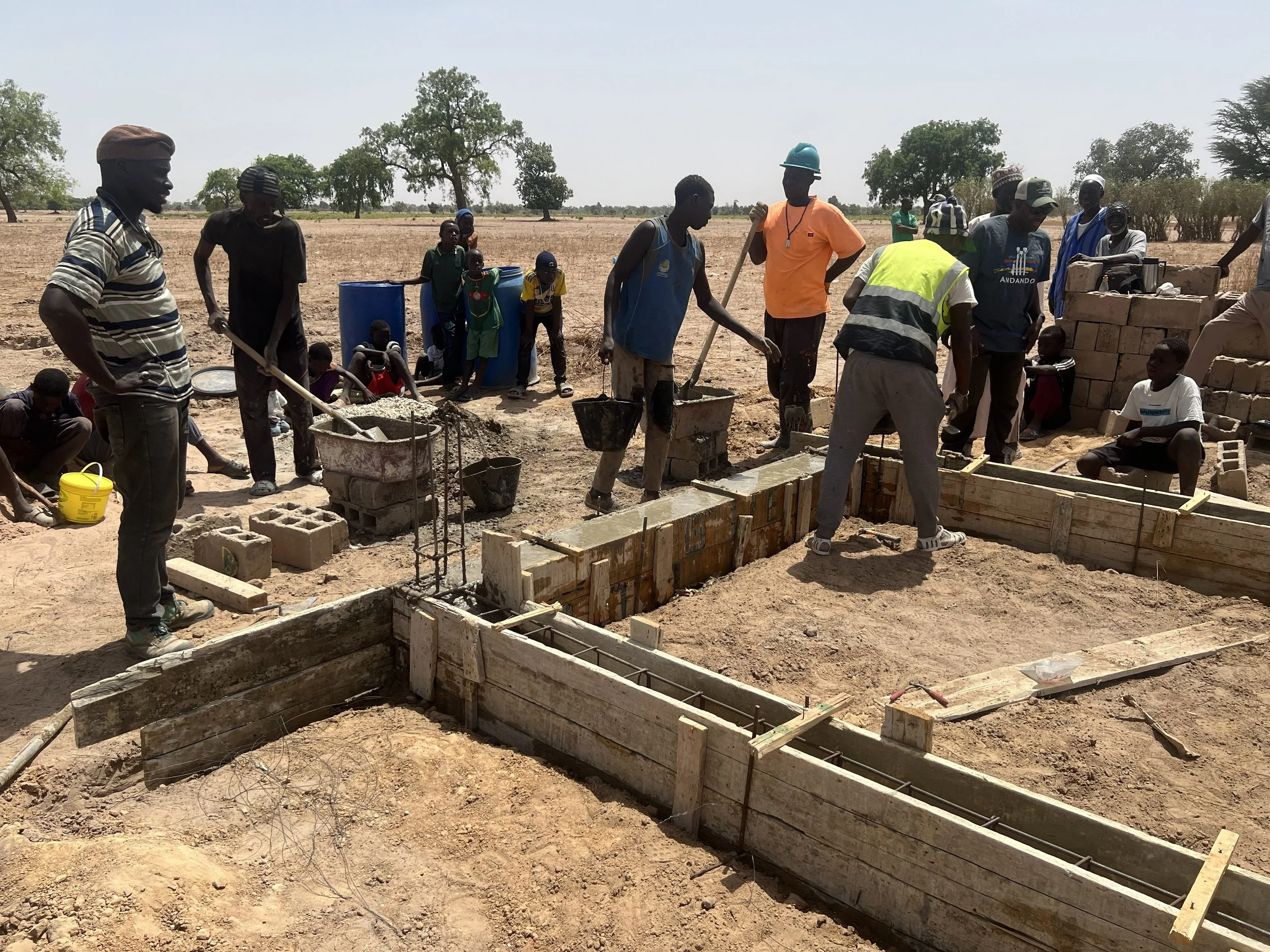
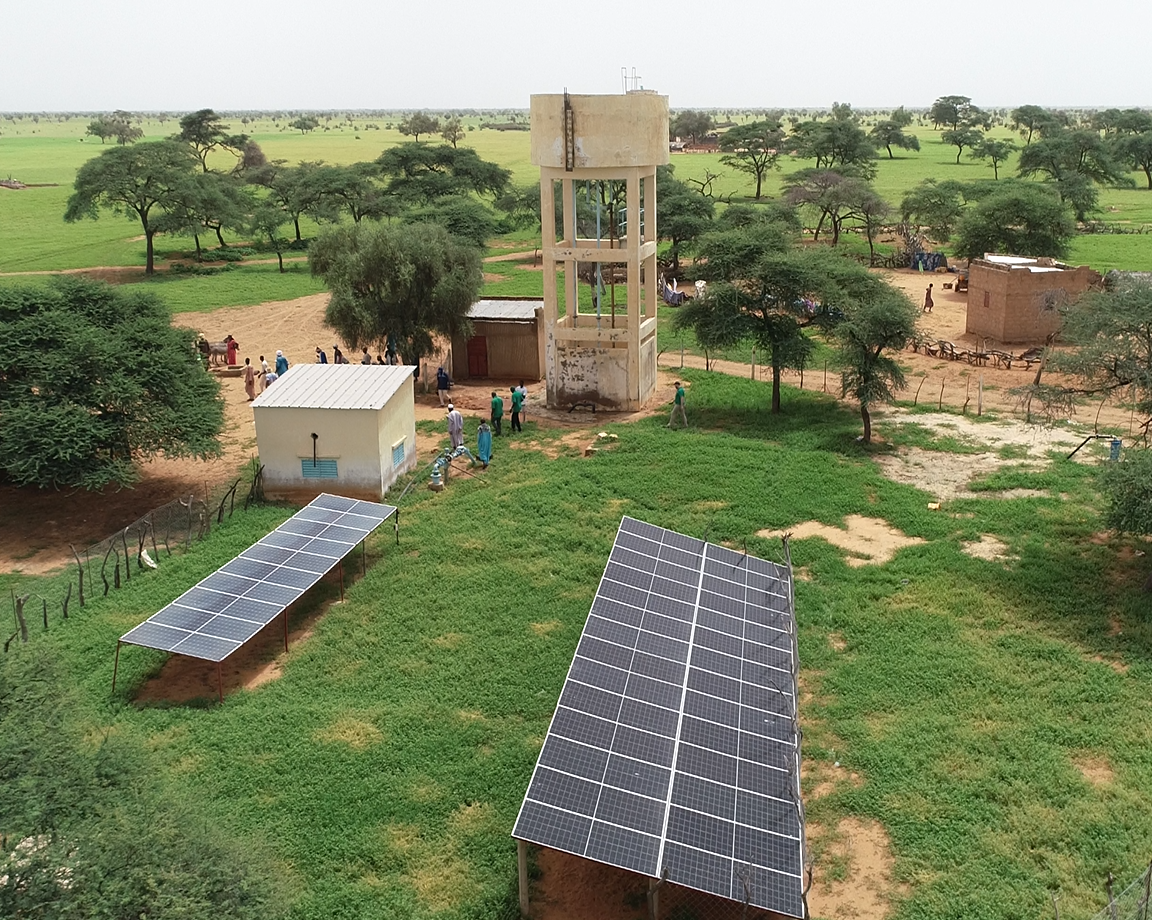
Together, this month, we will break ground on a new borehole well and solar pump system, bringing clean water to all 700 residents, as well as the village’s school and health clinic. We can’t wait to share the possibilities that arise for such a resilient and ambitious community.

From the Director - May 2026

Change takes time... That is generally true, but it doesn’t always have to be, especially when there is an opportunity to make a clear difference today that will last for generations.

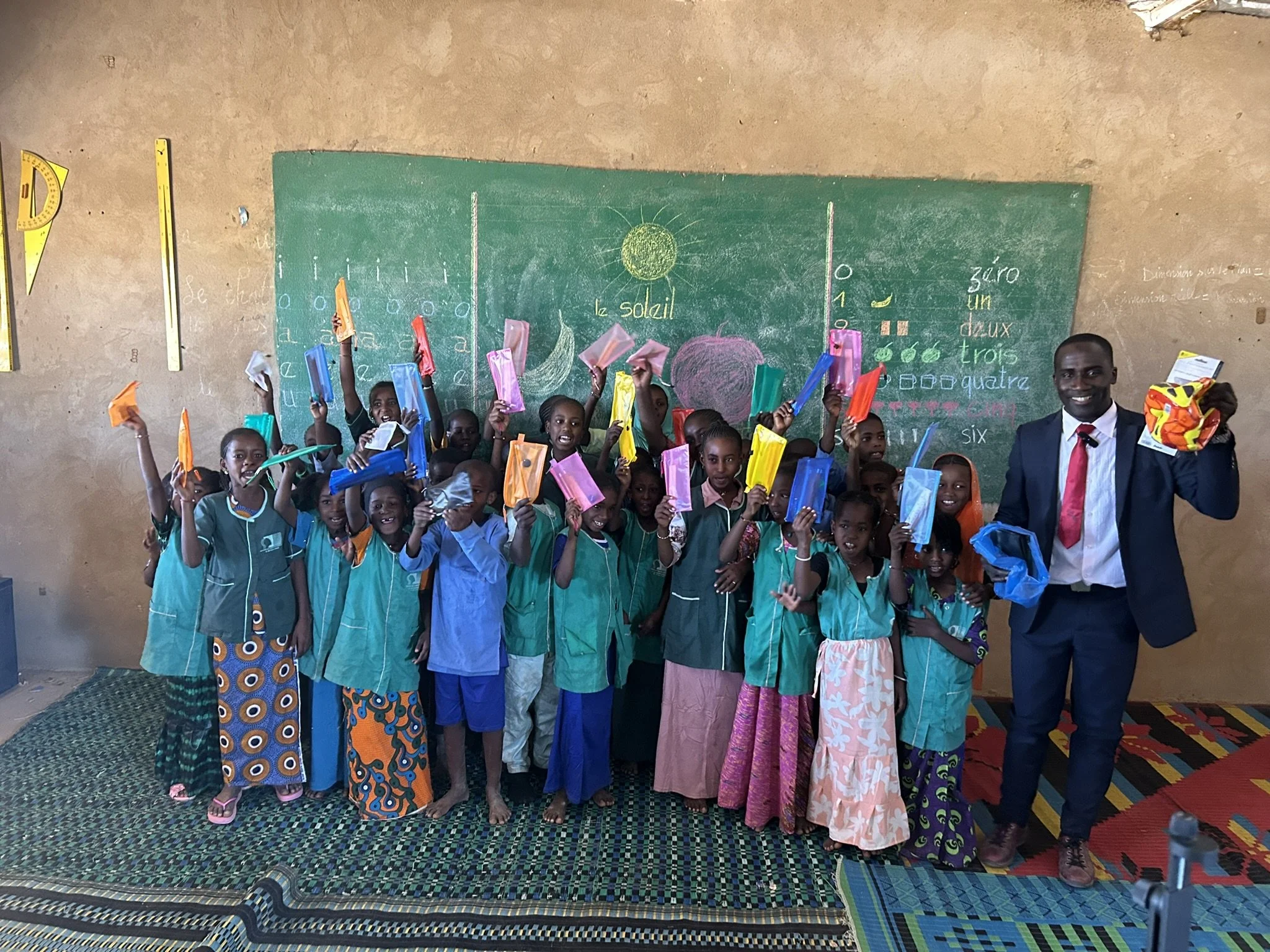
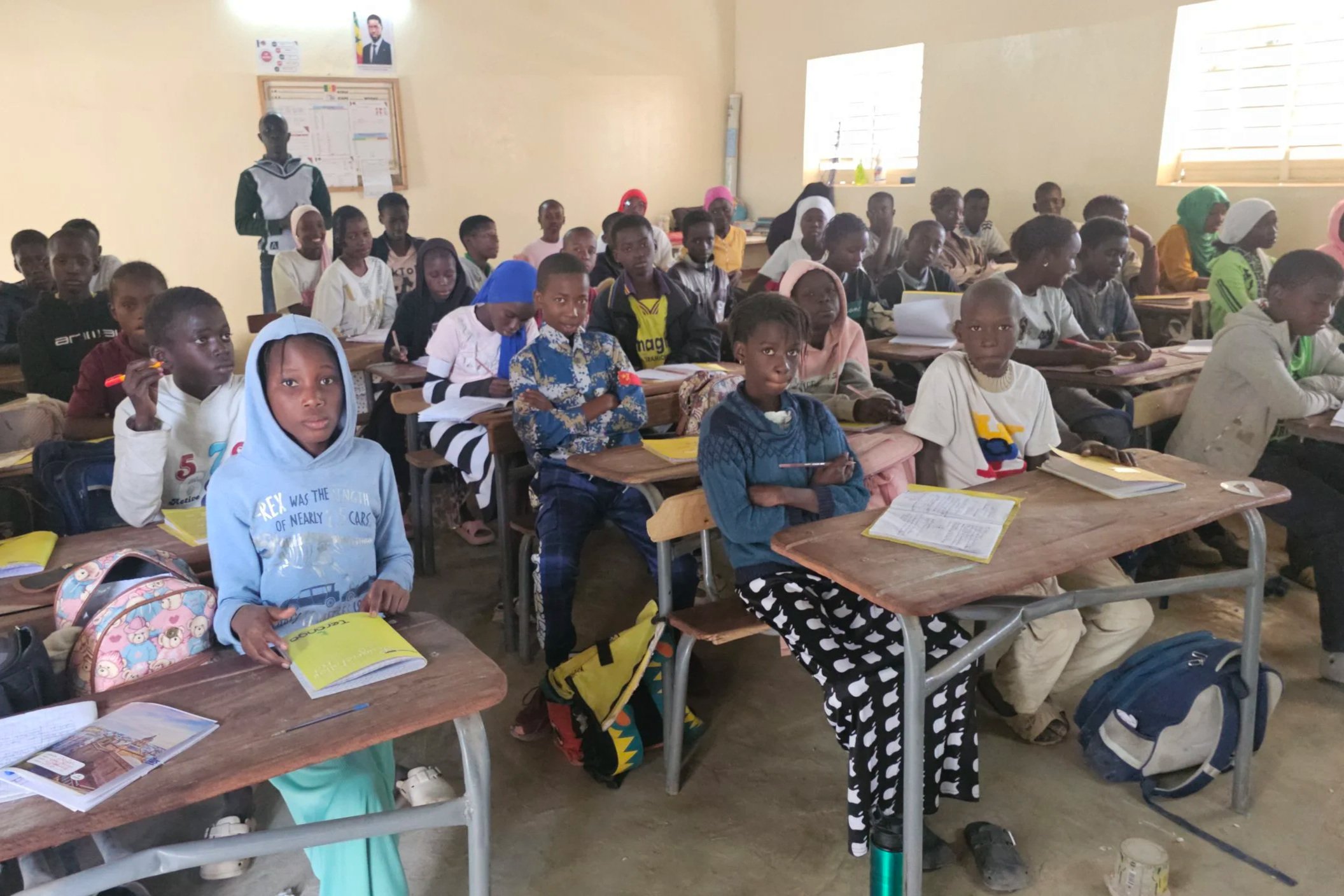
Students from Kawé Elementary School greeted Andando with a play they prepared asking for support for their school. Here they are enjoying an initial small gift of school supplies ahead of the renovations.

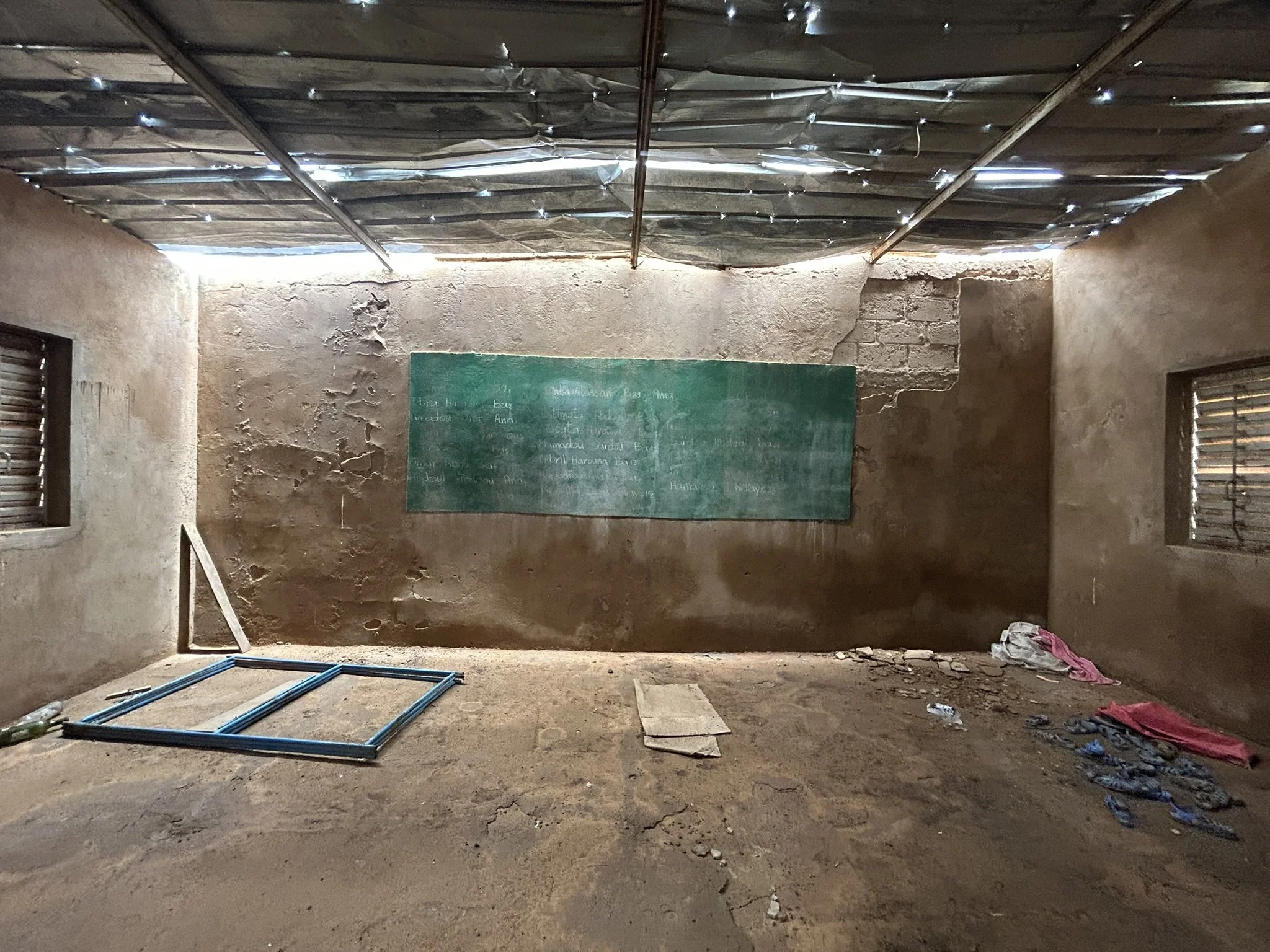
Kawé is a remote village in northern Senegal, which we introduced in our last newsletter in an article about Indigenous pastoralists threatened by climate change. We visited the village in January as part of our research for that larger initiative and saw that its school, the only one for dozens of surrounding villages, was falling apart.

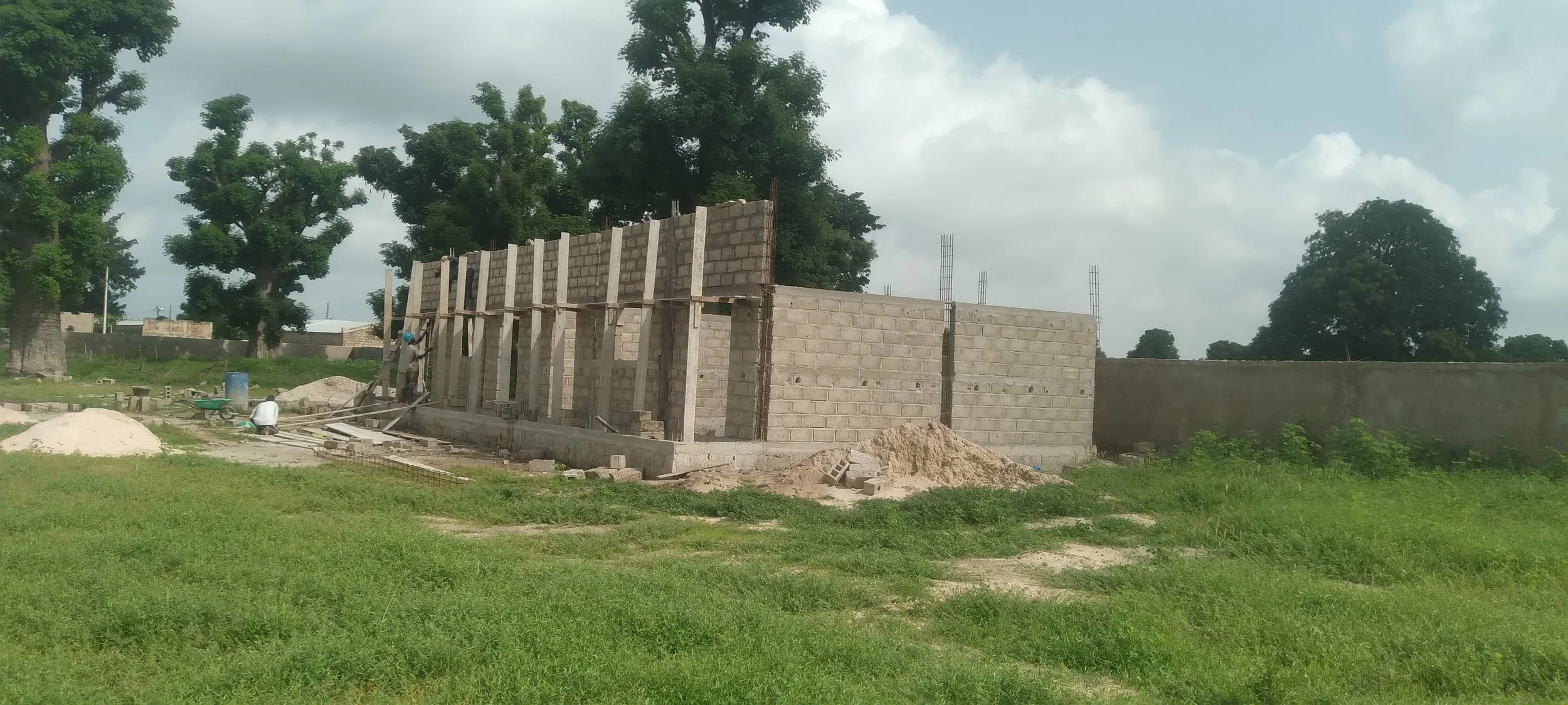
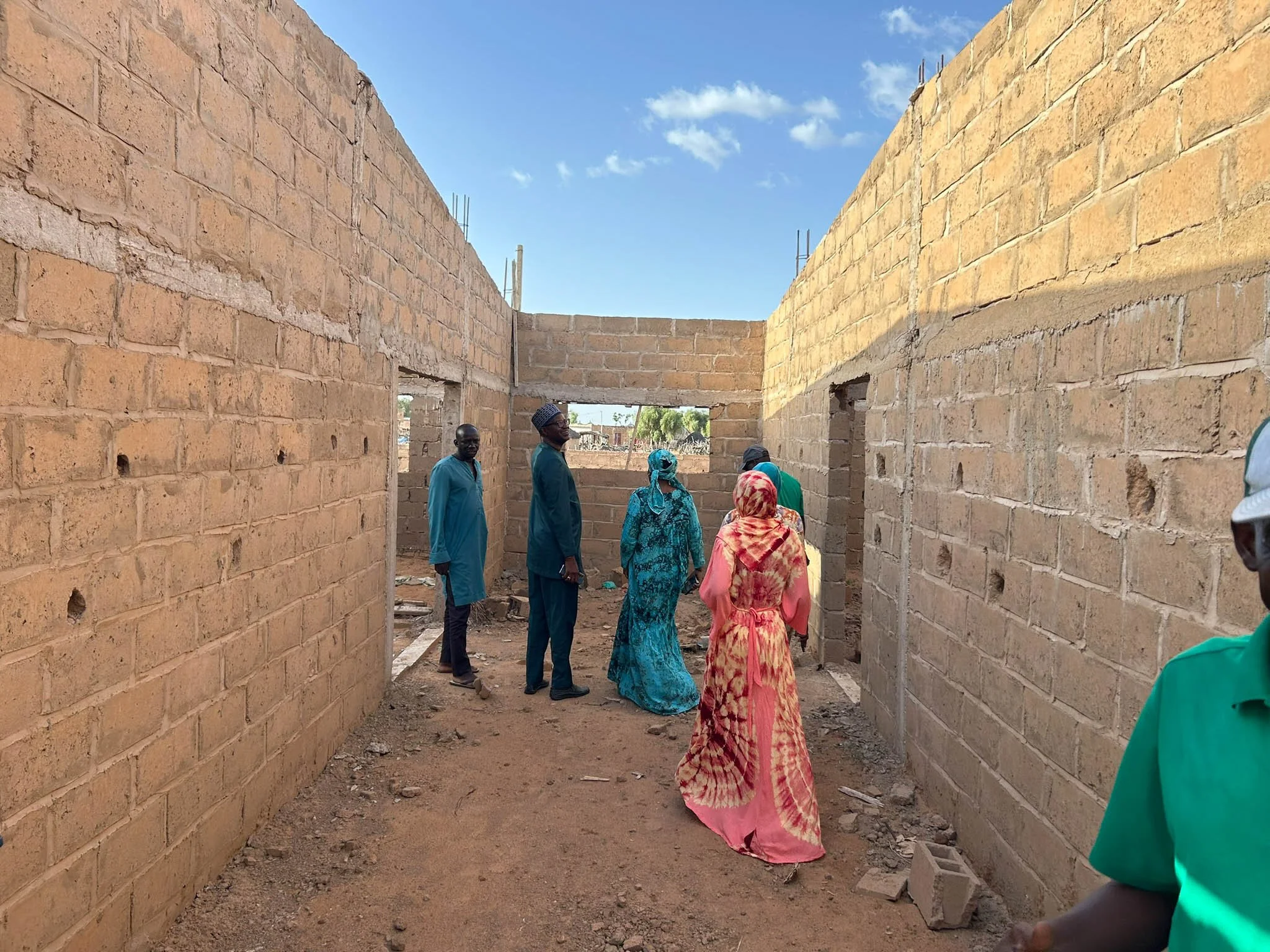
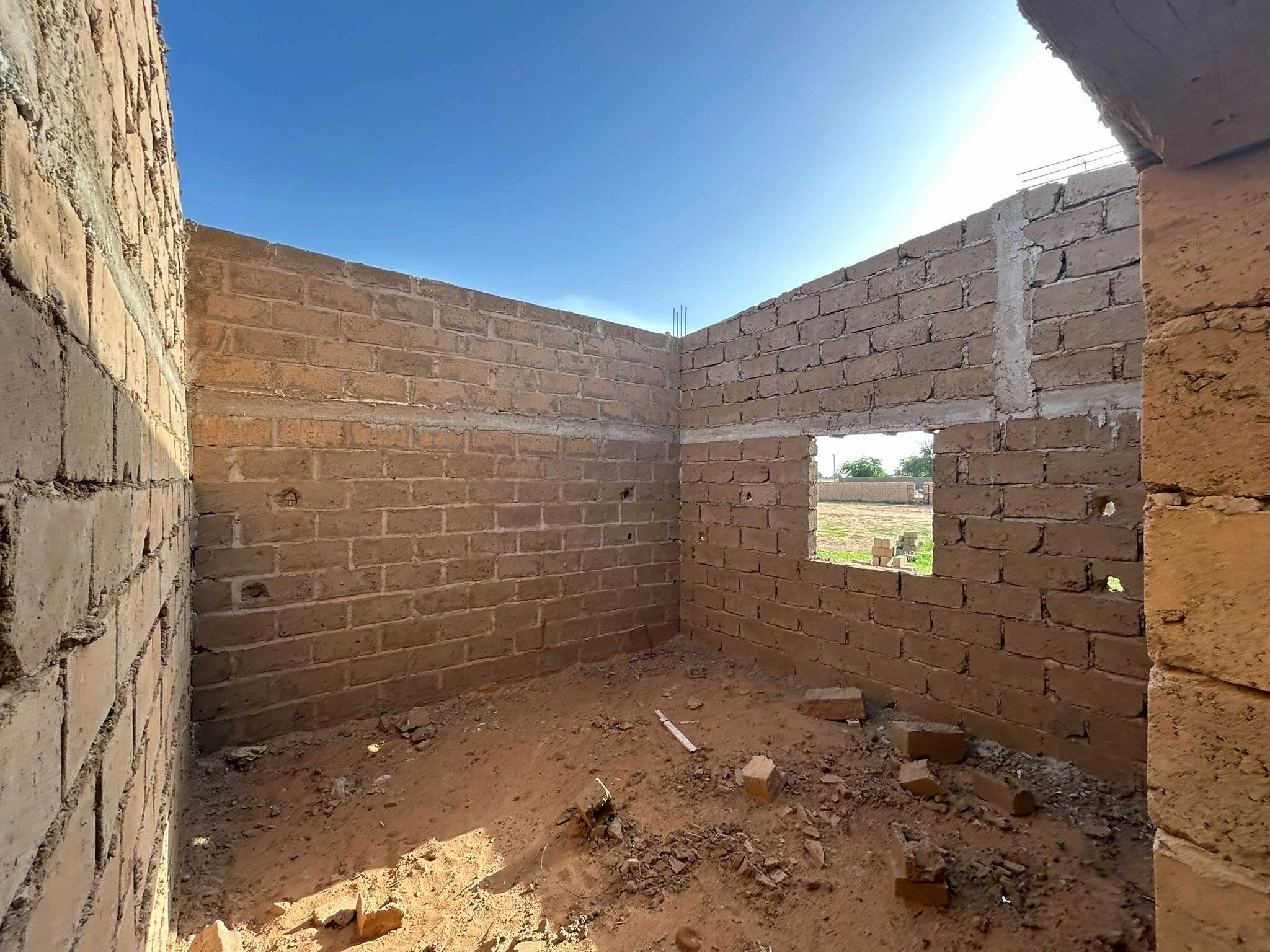
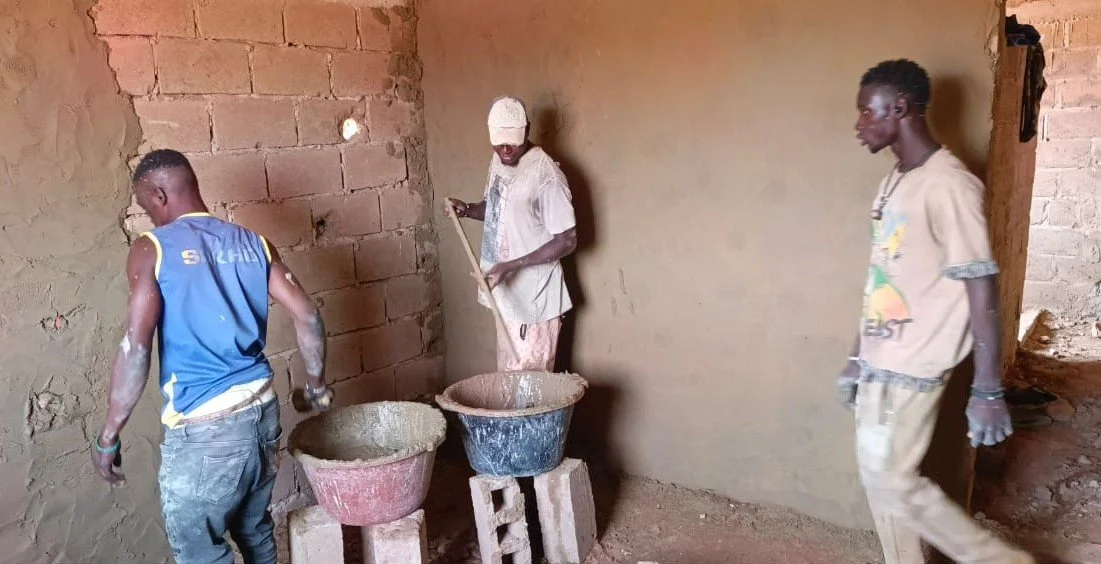
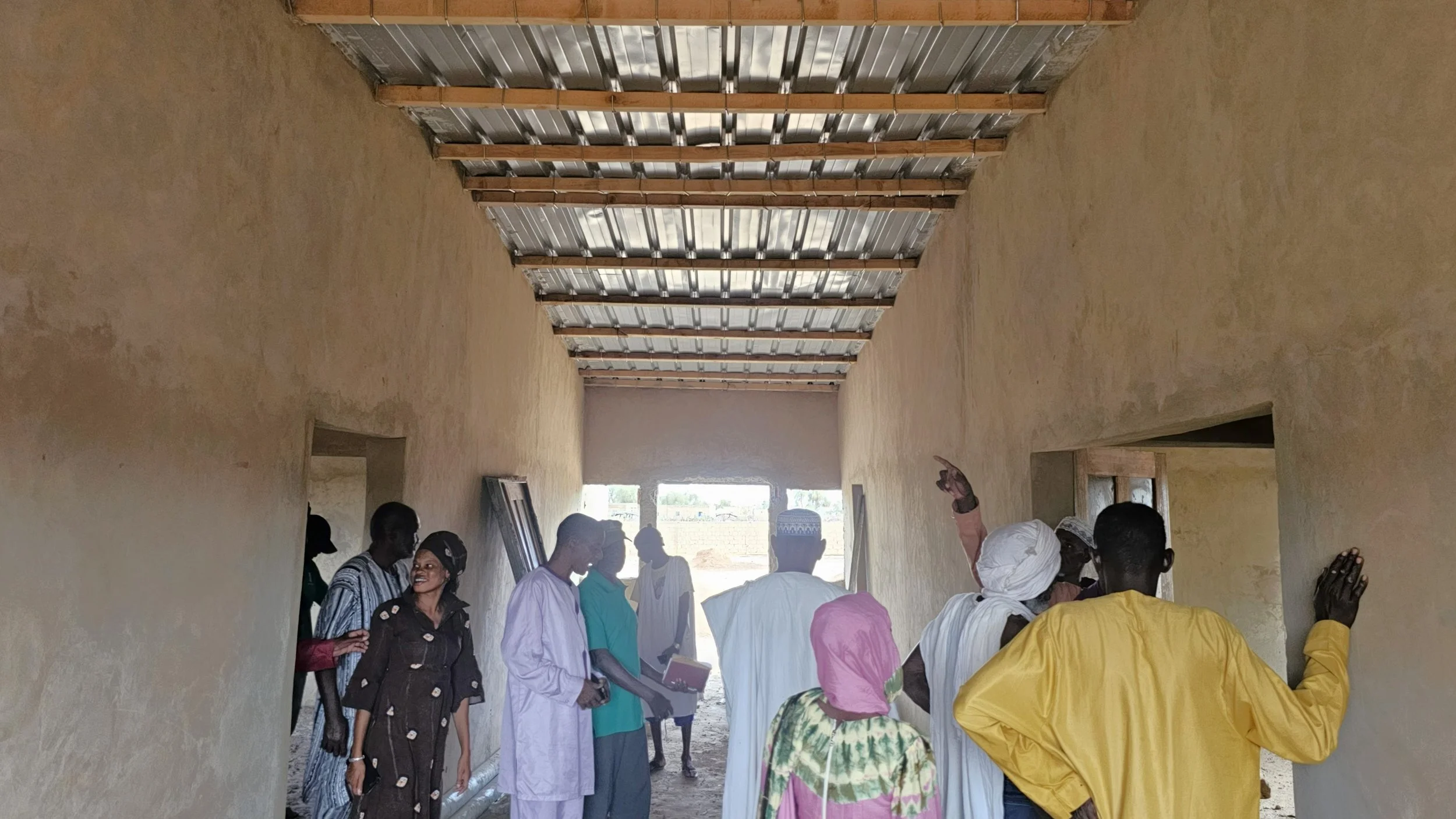
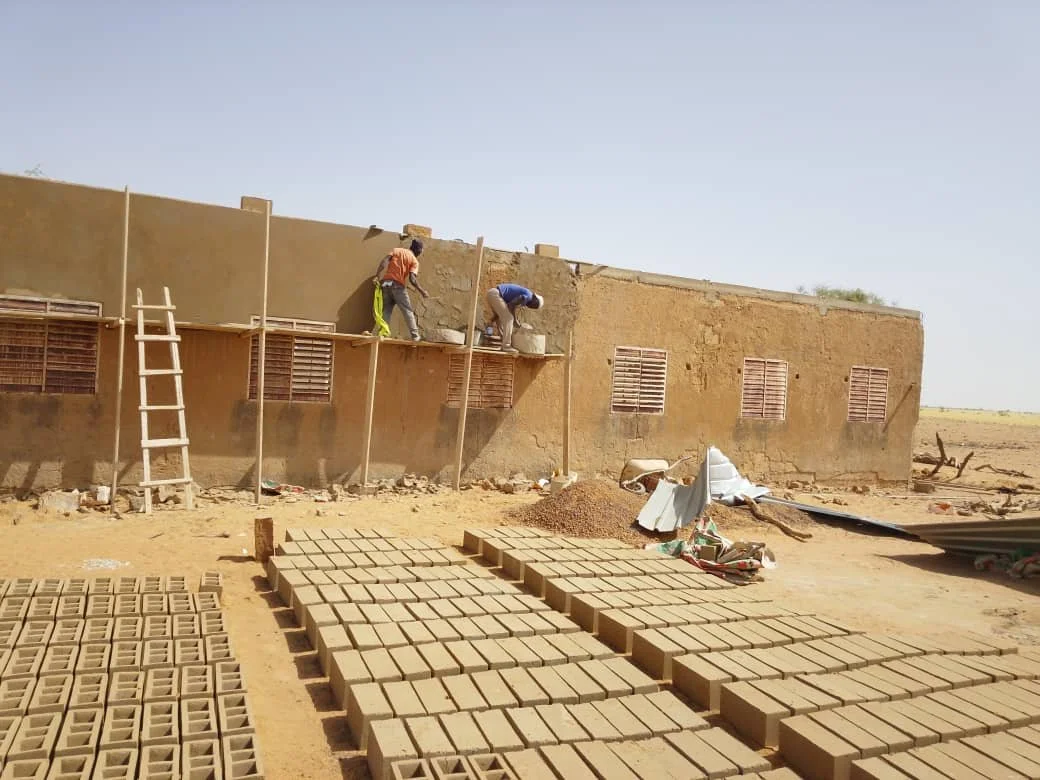
Renovations are now underway! Here masons are repairing the walls, both structurally and aesthetically, before installing a brand new roof and adding bathrooms for the first time.

The community asked for our help, and 75 days later, with agreements in place, permissions granted, and contracts signed, work began. Soon they will have two beautifully refurbished classrooms with a new roof, stronger walls, new desks, and bathrooms for the first time. Thanks to an unexpected gift from our friends at Altrusa International of Albany, Oregon, they will also receive new textbooks.

Andando is working to develop larger-scale strategic initiatives while maintaining our flexibility to respond to urgent needs like this as they arise. Your support this year will help make new projects possible exactly when and where they are needed most.

“Jéréjëf!” – Thank You!

- Garrison Harward, Executive Director
Garrison@Andando.org

Helping Partner Clinics Do More for Their Communities

Senegal’s public health system operates in an incredibly difficult and resource-constrained environment, which makes its gains in reducing infant and maternal mortality, lowering child stunting, and preventing tropical diseases all the more impressive.

This past year, building on Senegal’s ambitious health goals, we started by asking simple but important questions: how can we help our partner health clinics to do more for their communities? When resources are limited, people become very good at making do, but what could be possible with greater support?

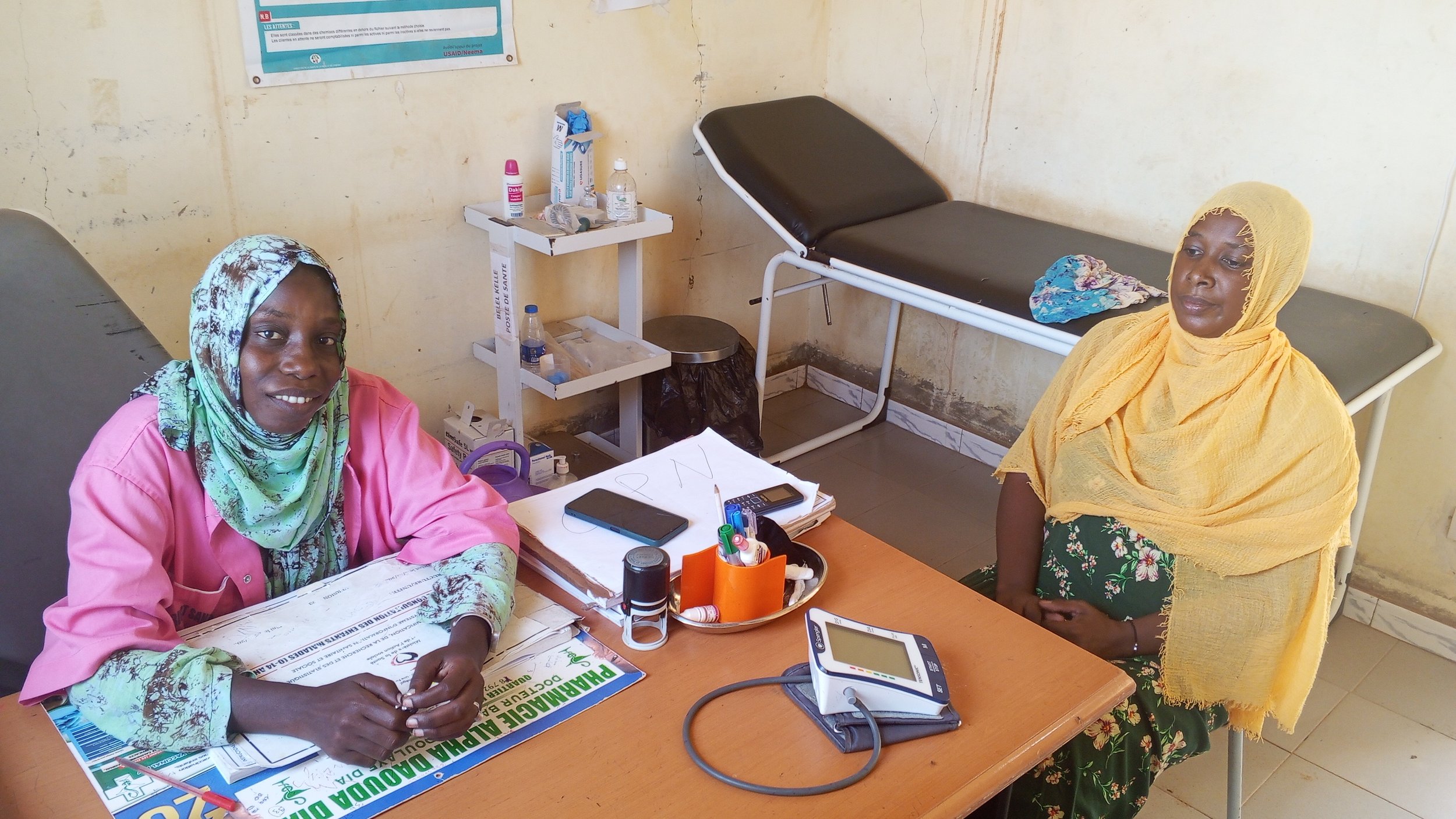
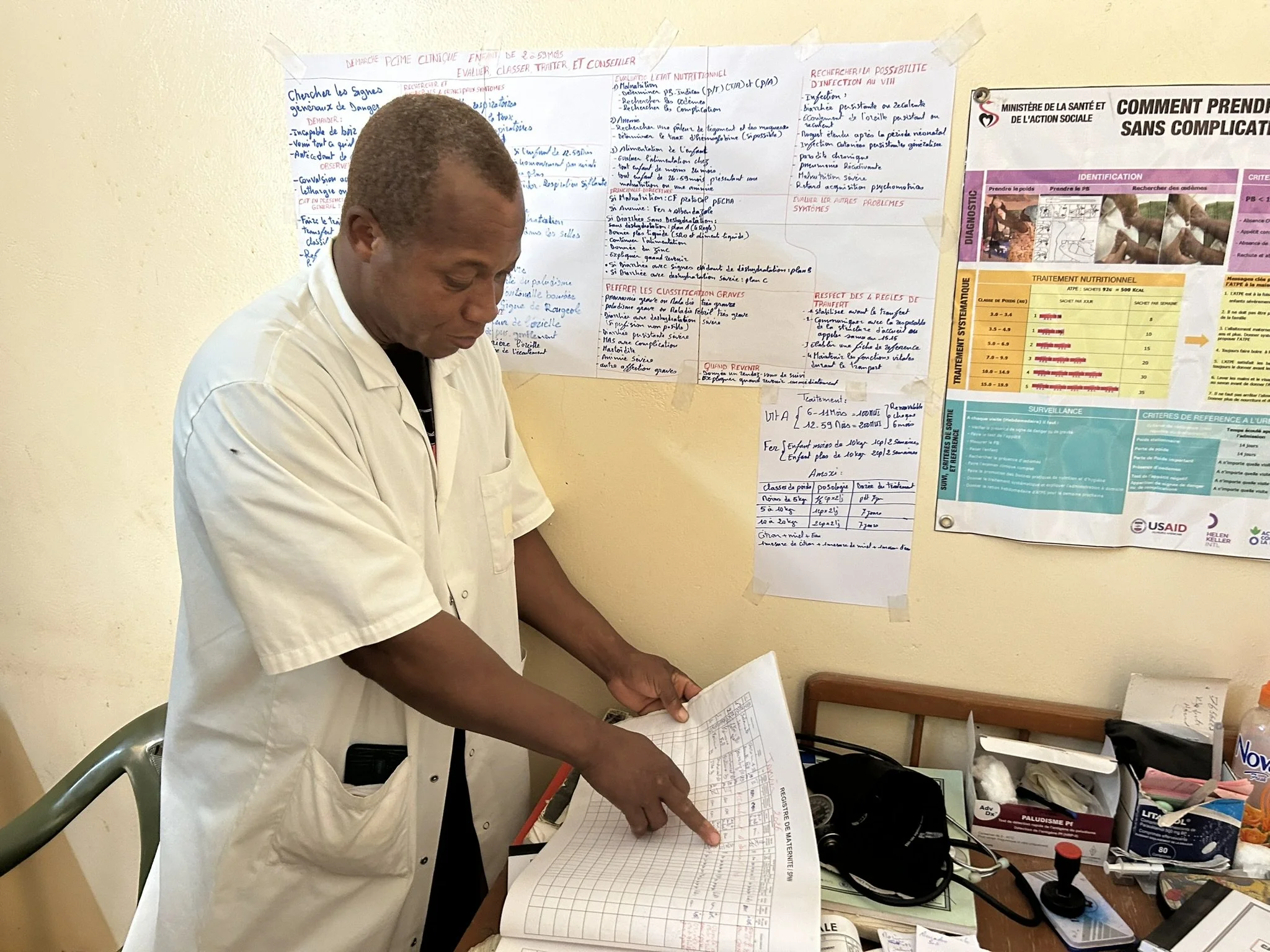
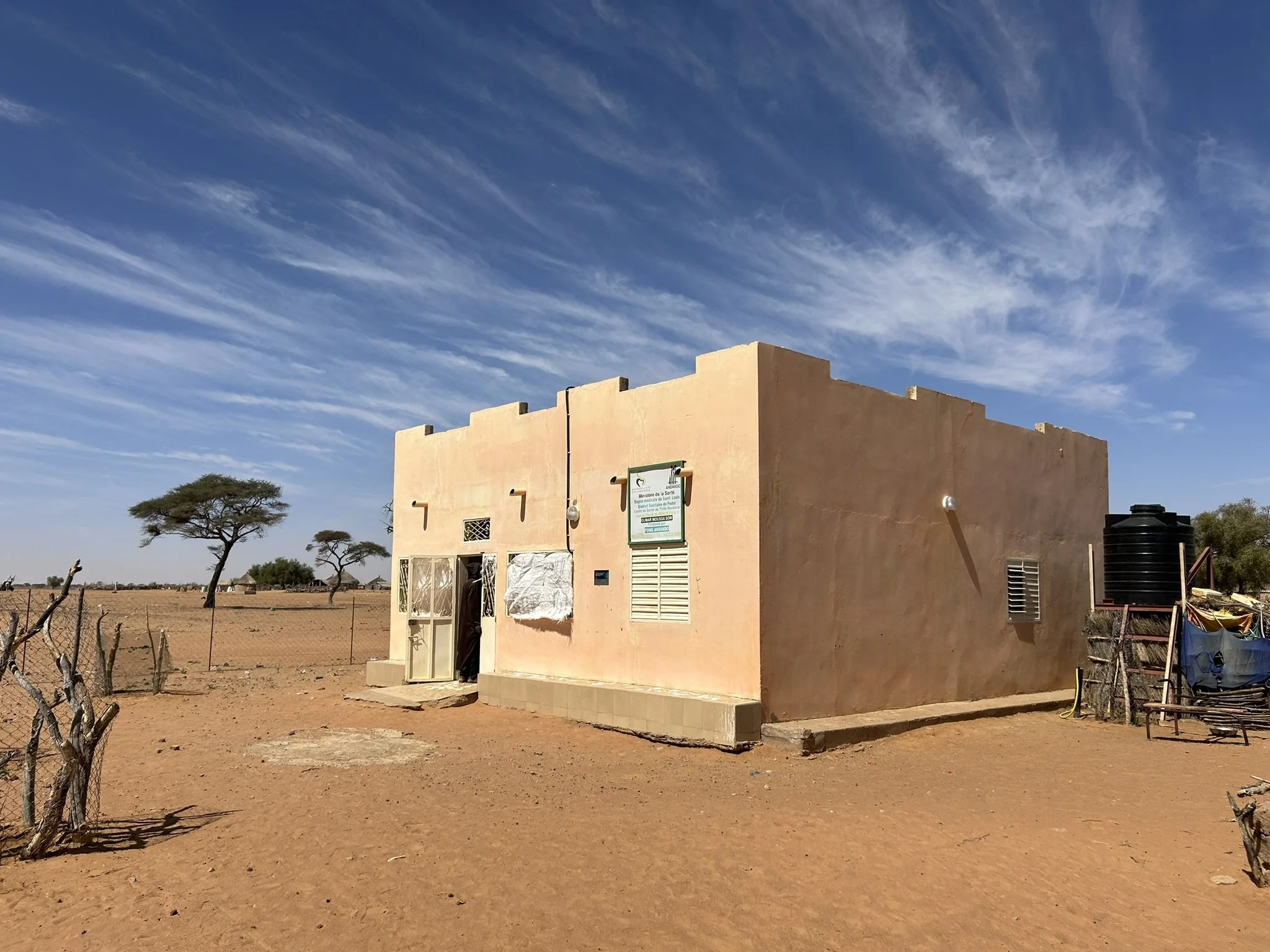
These conversations and tough questions led us to develop a new rural health clinic model in partnership with the Ministry of Health. This model helps clinics offer more services, increase outreach, and expand use across a wider area, strengthening the quality and reliability of care in rural areas

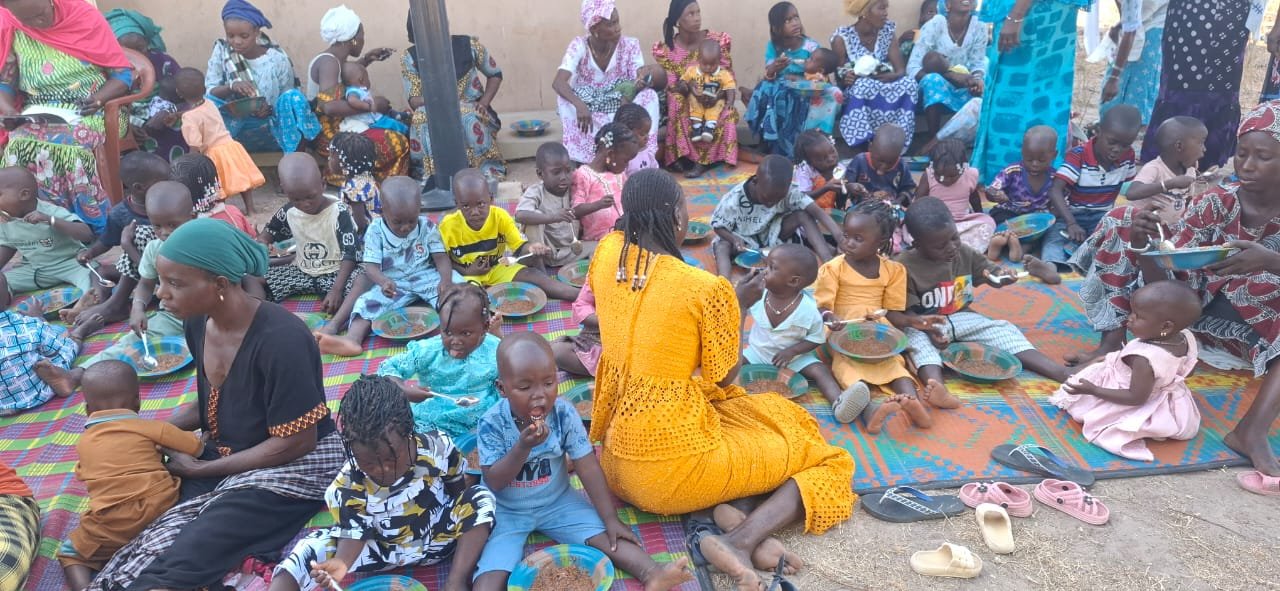
Children enjoy nutritional porridge at a malnutrition screening and awareness day.

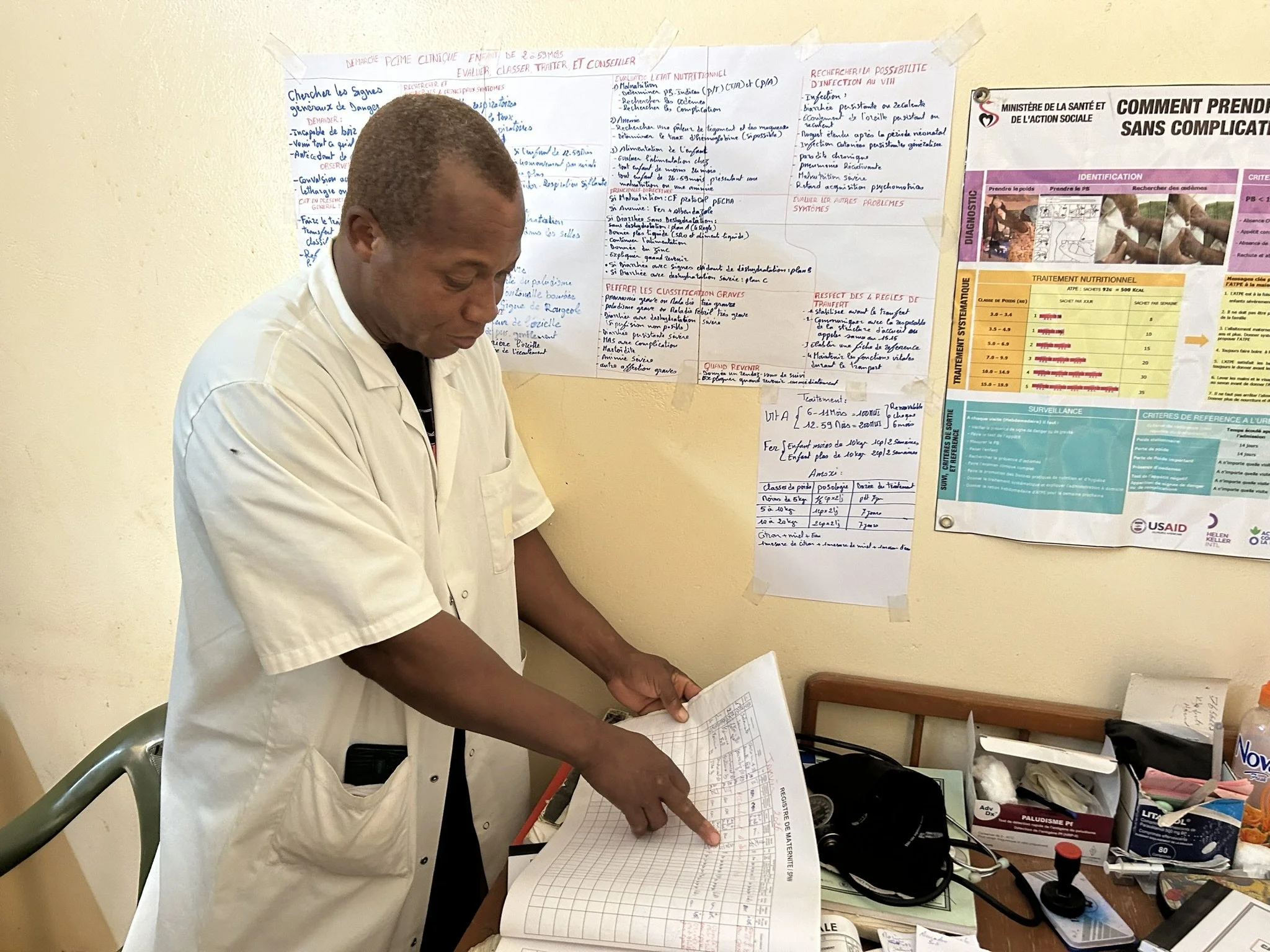
Through this new pilot initiative, our partners are reaching more villages to address public health issues like malnutrition, which can have devastating effects on a child’s development if not treated quickly. Ngoné Ndiaye, a healthcare worker in Mbantou Croissement, describes the impact:

Thanks to Andando, we are now able to serve six villages. Previously, in each screening, we would identify 7 to 9 children suffering from Moderate Acute Malnutrition; now, that number has dropped to just 4 children!
— Ngoné Ndiaye, a healthcare worker in Mbantou Croissement

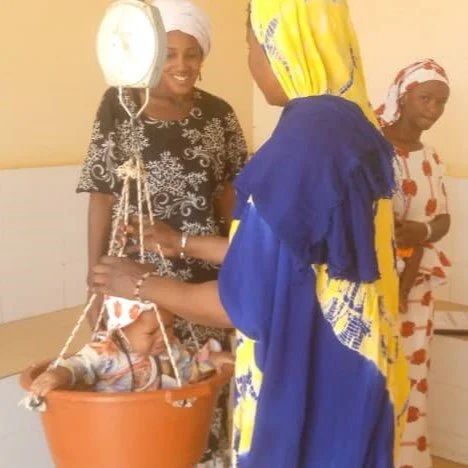
Around 500 children are screened for malnutrition in Andando clinics each month. Moderate cases are treated locally, while more severe ones are referred to hospitals.

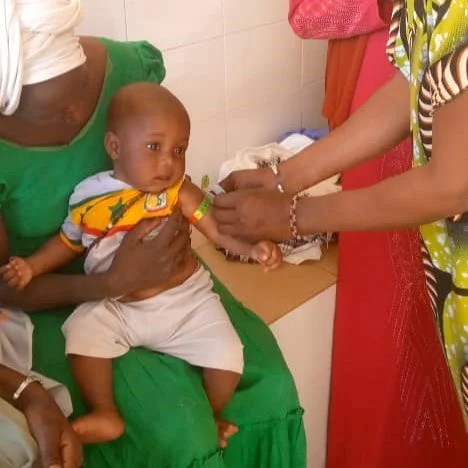
Mid-upper arm circumference (MUAC) measuring tapes are a simple but effective tool for identifying malnutrition before it affects a child’s development.

By helping partner clinics to stay well-stocked and deliver services consistently, more people are seeking care. This increased utilization is now strengthening the clinics as focal points for state health services, while also increasing their revenue.

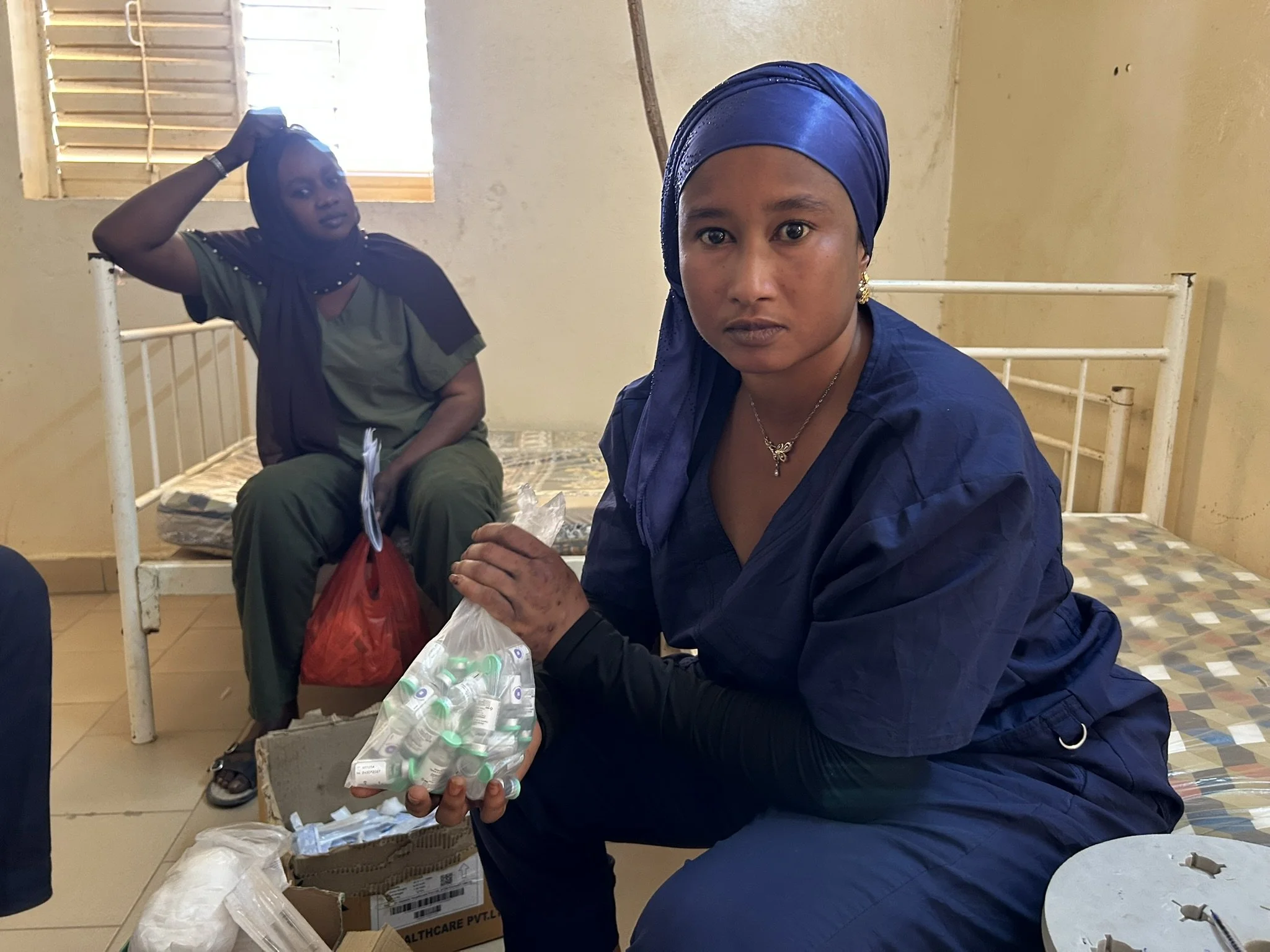
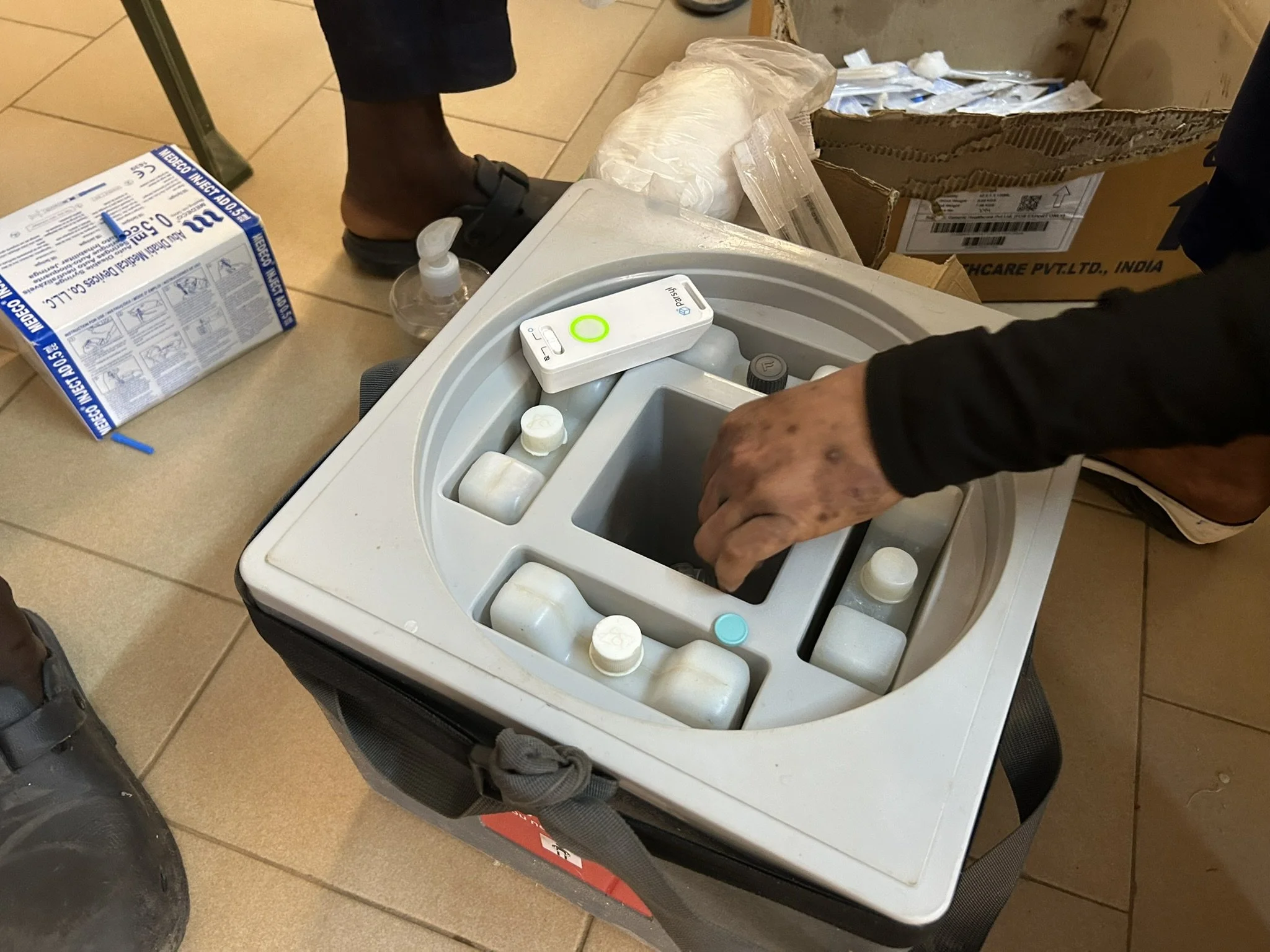
The health ministry partners with Andando clinics to access remote populations for vaccination days and other advanced public health strategies.

Adama Mbodj, President of the Keur Niéne Sérére Health Clinic, describes their long-term vision:

We are currently exploring how building a robust financial reserve within our treasury could, in the future, allow us to reduce the cost of care for the local population, and help ensure that everyone can fully benefit from the services provided by the health clinic.
— Adama Mbodj, President of the Keur Niéne Sérére Health Clinic

Again and again, we are reminded that our partners already have the commitment, knowledge, and ability to make a difference. With the right support, they can do even more for their communities.

Hope on the Edge of the Sahara

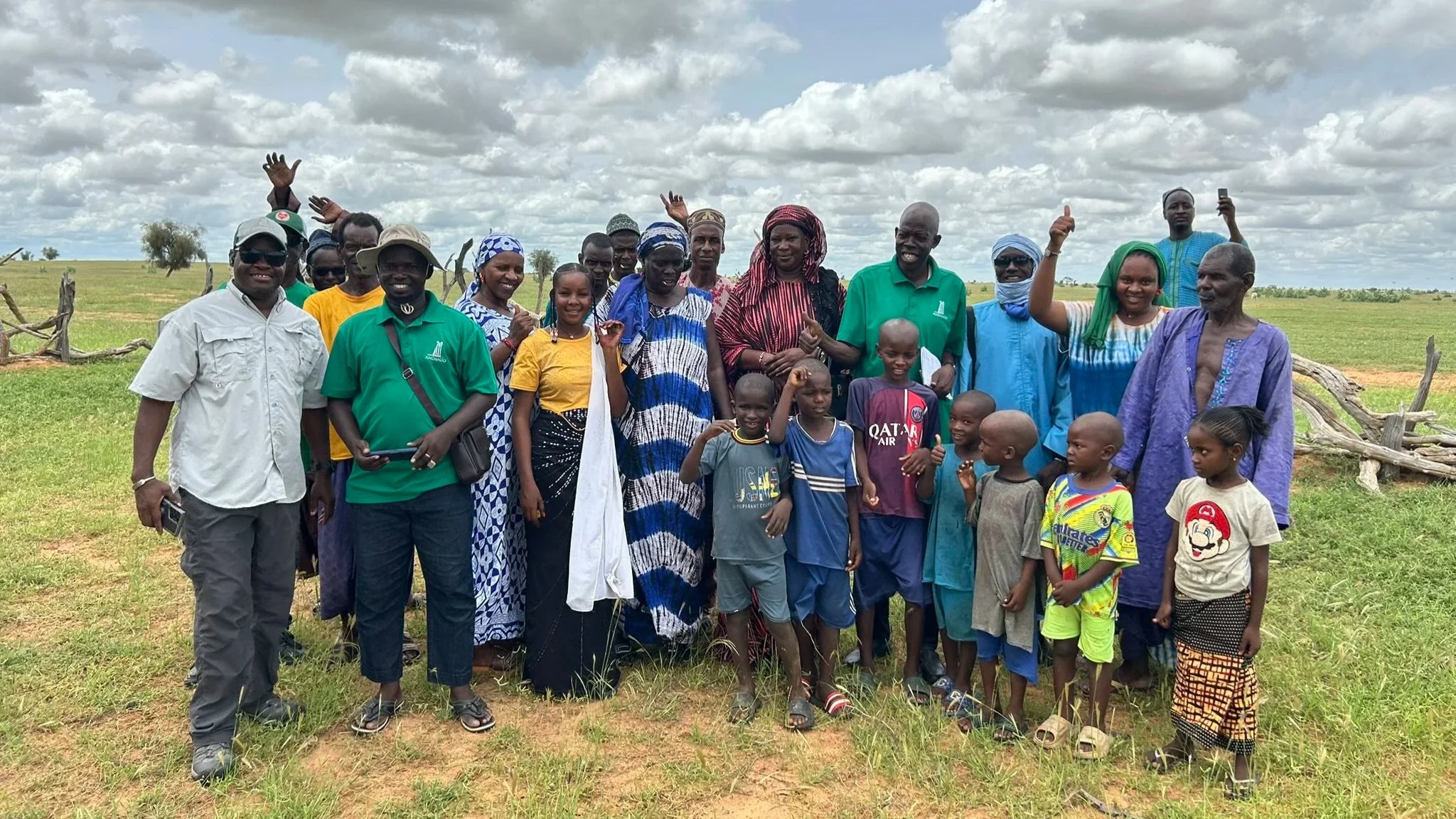
Some of the residents of Senobowal Village.

Senobowal sits at the crossroads of a changing world. Home to more than 2,000 Indigenous Pulaar pastoralists, it has been a center of life and movement in northern Senegal for generations. But the rhythms of this beautiful and demanding landscape are shifting. Rains are less predictable, pasture is under growing pressure, and poverty is rising alongside extreme heat. Even so, the people of Senobowal remain vital stewards of a fragile landscape on the edge of the Sahara. Their way of life is under threat, but their knowledge and resilience are also part of the answer to a warming world.

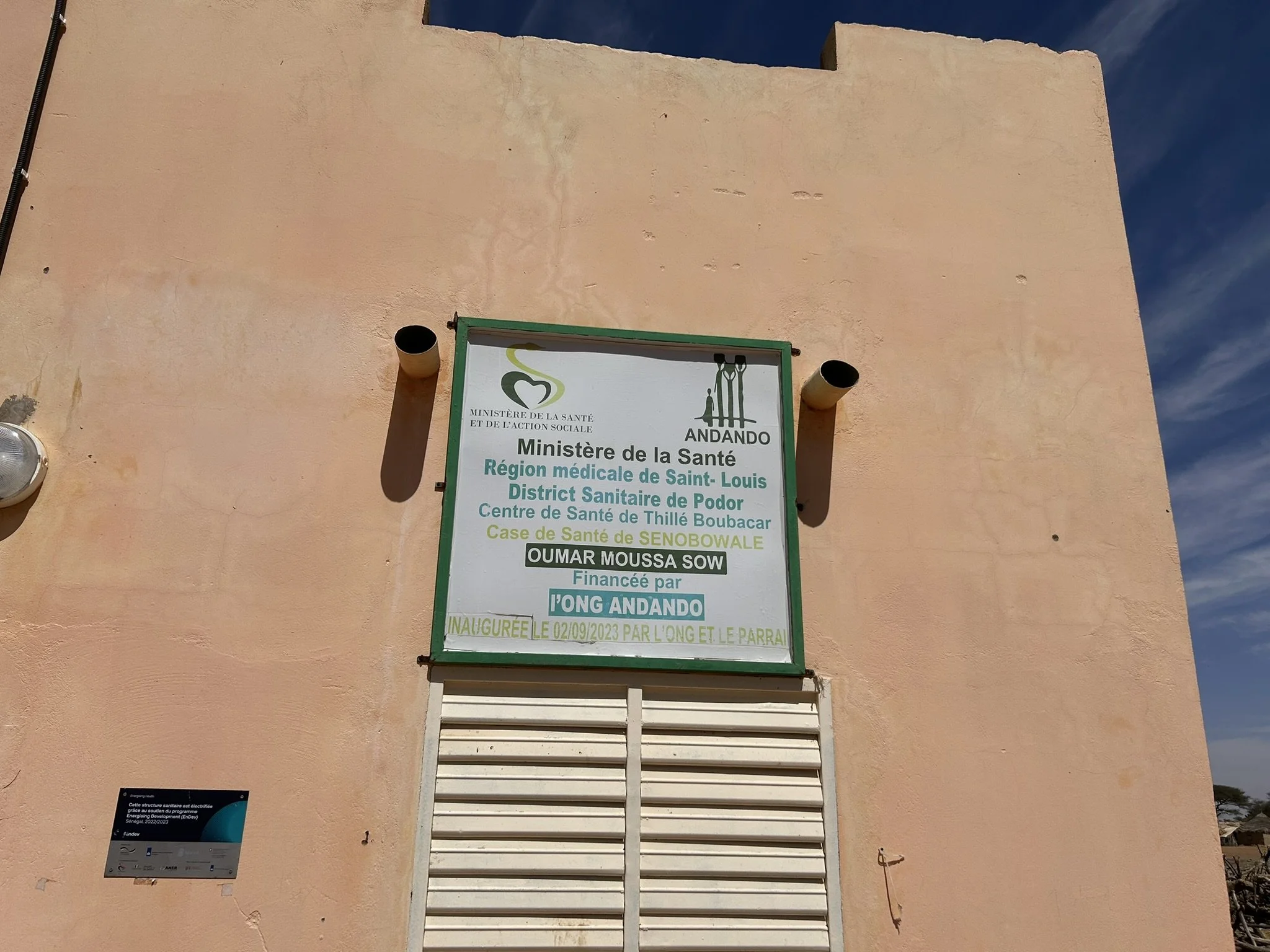
Andando first partnered with Senobowal in 2023 through the construction of a health clinic, bringing lifesaving care closer to families who had long faced dangerous delays in reaching treatment. The impact was immediate, particularly for mothers and their babies, but healthcare is only possible with access to water.

Just when things were starting to improve, the water shut off for nearly a year. Ousemane Fall, President of the Youth of Senobowal, explained the problem in a letter to Andando:

For a very long time, the village had only one well, which is said to be almost a century old and 200ft deep and which was practically out of use. As a temporary solution, the beginning of a new hope, the village had benefited from a “mini borehole” with a 50,000L tank. But even this showed its limits very early on.
— Ousemane Fall, President of the Youth of Senobowal

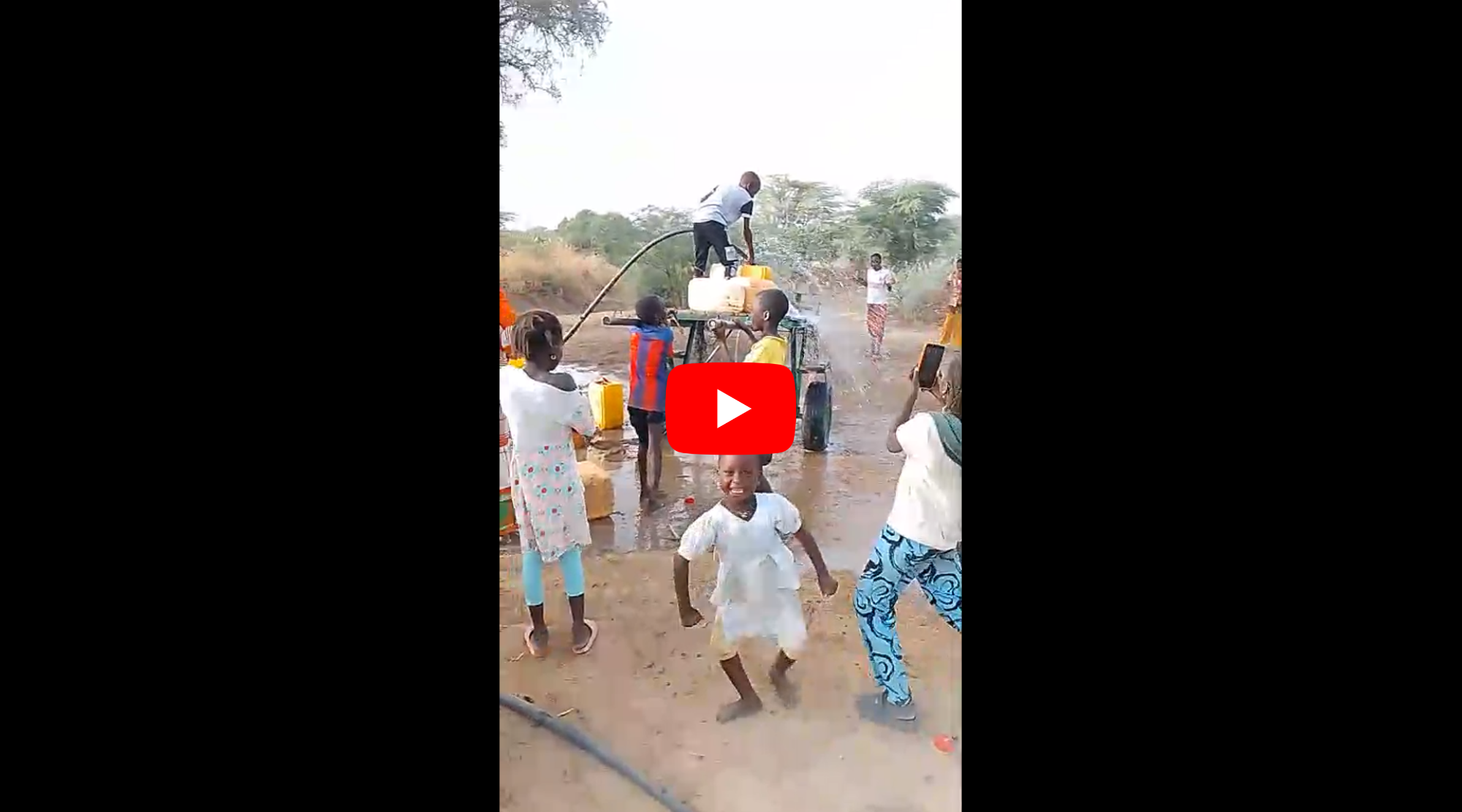
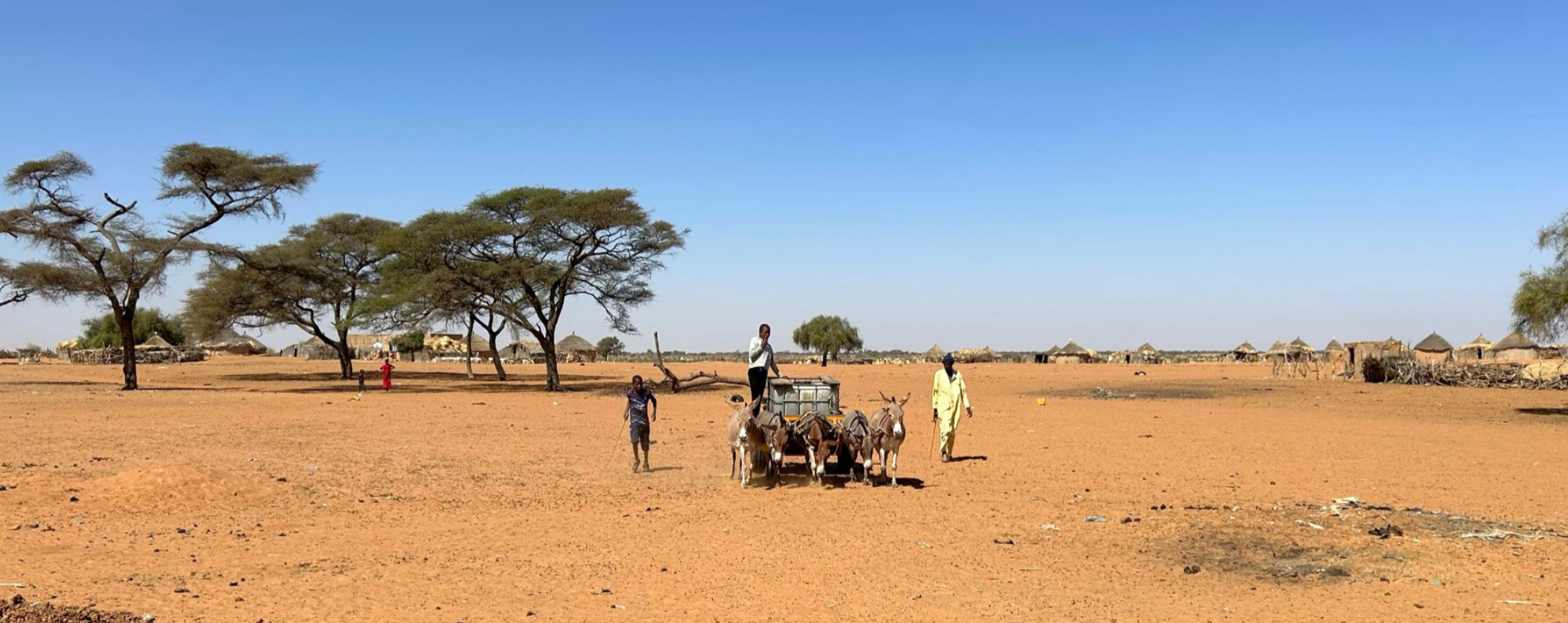
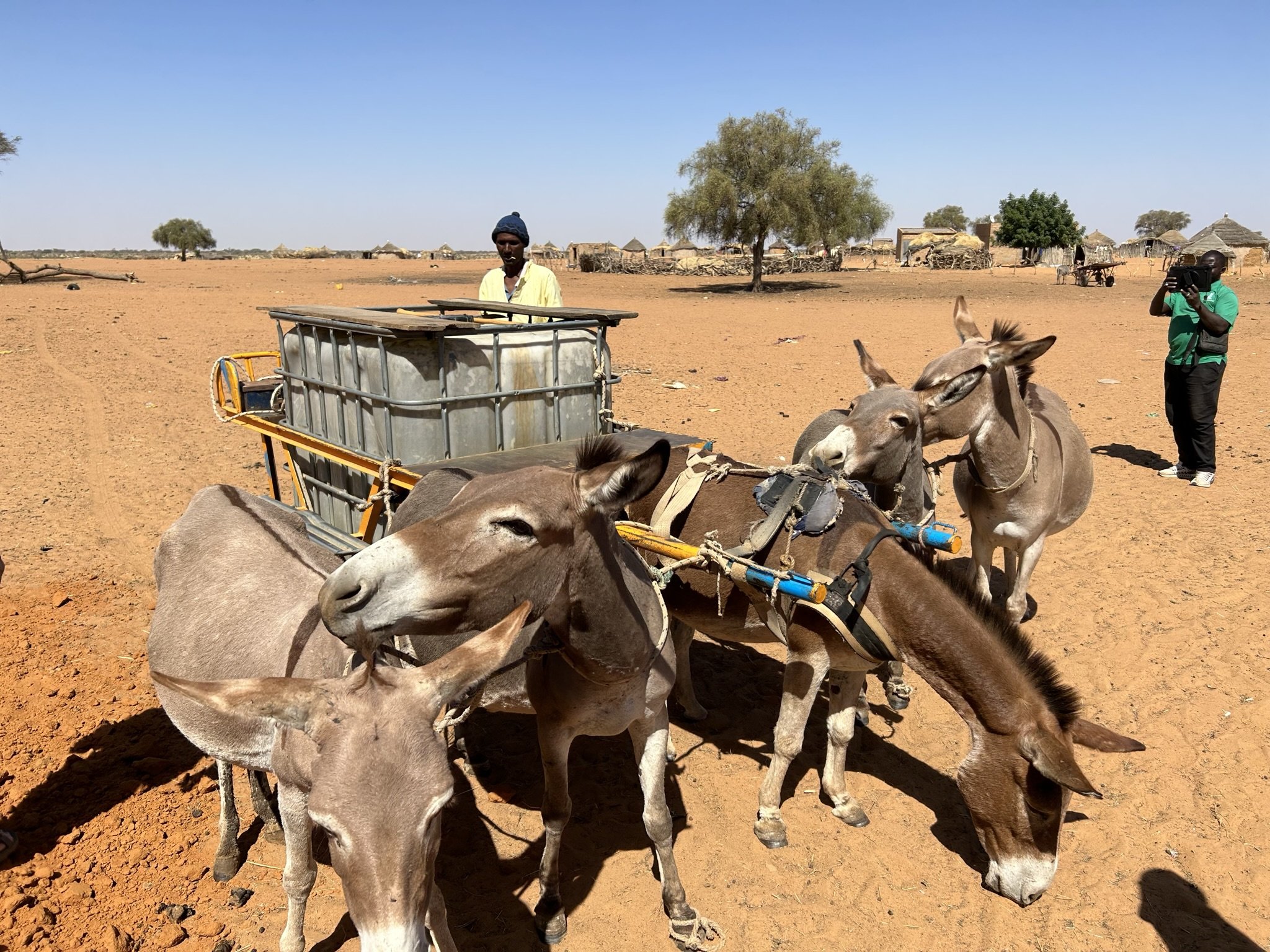
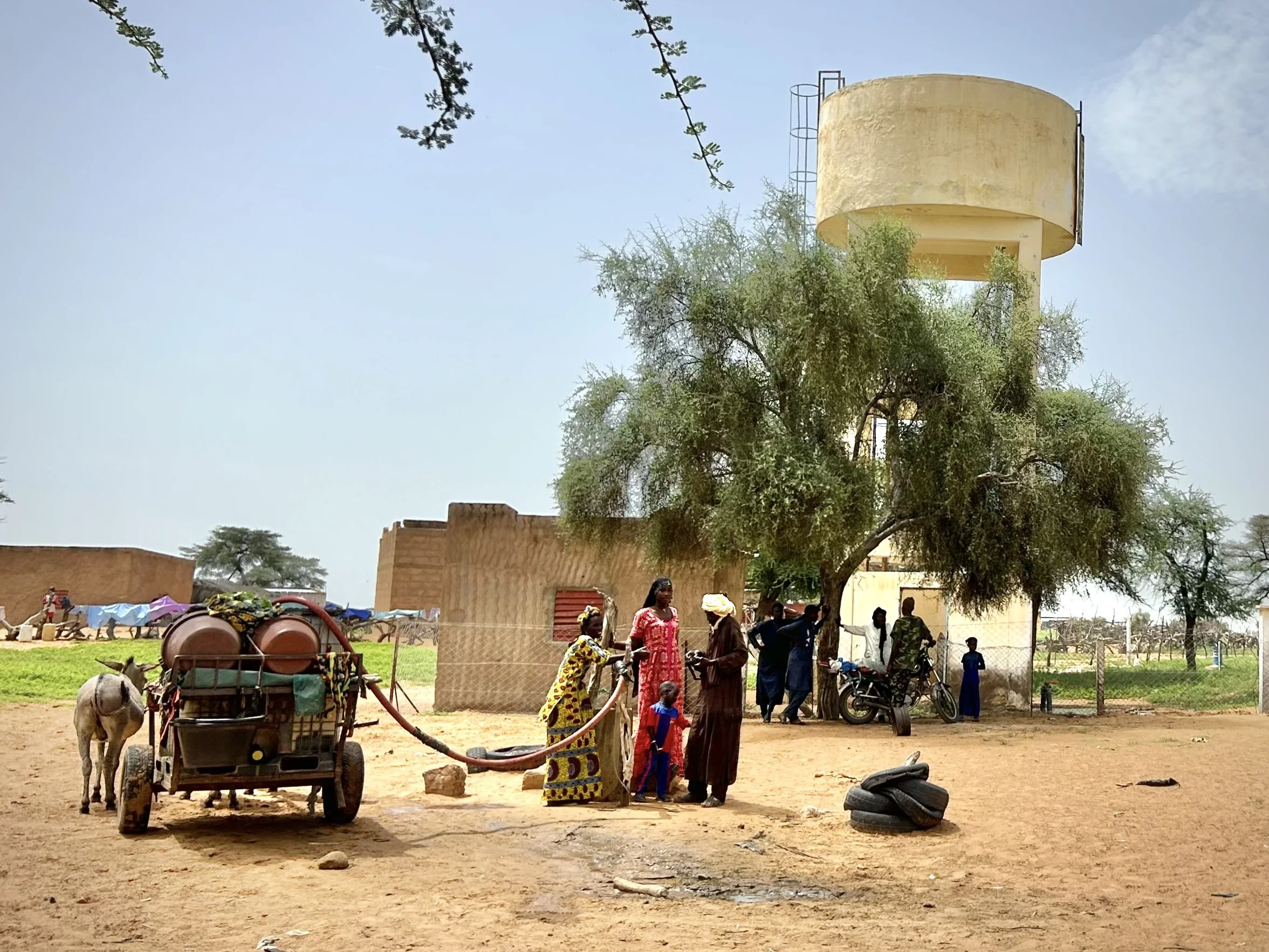
Families used water carts, like this one, to travel far distances to access water.

Ousemane went on to describe how the village had spent thousands of dollars to keep a costly diesel-powered pump running, until it could no longer be repaired, leaving the village without water.

Senobowal was in urgent need

We came together with the village to talk through the problem and understand what it would really take to fix it once and for all. But we also asked a larger question: if accessing water was no longer a daily struggle, what might be possible here? What hopes did people still carry for their future?

The answer soon became clear. The people here have countless dreams for how to improve their lives and build a better future, but no matter their ambition, the shallow, undersized borehole simply could never meet the needs of the over 5,000 people and 30,000 livestock who depended on it.

This time, the goal was to do it right

Andando committed to drilling a new, deeper borehole equipped with a powerful solar pump to meet the full needs of Senobowal and the surrounding zone. In less than a year, the new system was in place. Water began flowing again, and life started to change for the better from day one.

“The way we were moving our livestock to the southern areas was due to the water problem. Now with the availability of water, they take their time to settle. Whenever there is grass, they don’t move.” - Ousemane Fall

Today, women and girls no longer have to spend five or six hours each day just collecting water. Children can attend school, and the health clinic can once again deliver lifesaving care. For the first time in decades, Senobowal is breathing a sigh of relief. Families are even beginning to install taps in their homes, something that would have been almost unthinkable just a short time ago. Hawa Sy’s testimony shows just how profound and hopeful this change has been.

This article is from Andando’s Annual Report, view it here.

Aid vs Ownership: What Makes Change Last? | ChicoBag Podcast featuring Andando

Our very own Garrison Harward is a guest on the sustainability podcast, ChicoBag!!

RELEASED: Thursday, April 2nd at 7am PT. Click below or follow this link.

In the podcast, Garrison discusses the nuances of short-term aid vs sustainable local ownership and shares how Andando's Whole Village Approach helps to create long-term security for families across rural Senegal. 

Check it out, and be sure to share widely with your social network!

🎙️ ChicoBag Podcast
📢ChicoBag Facebook
🌐ChicoBag Website

Transforming Education at All Levels

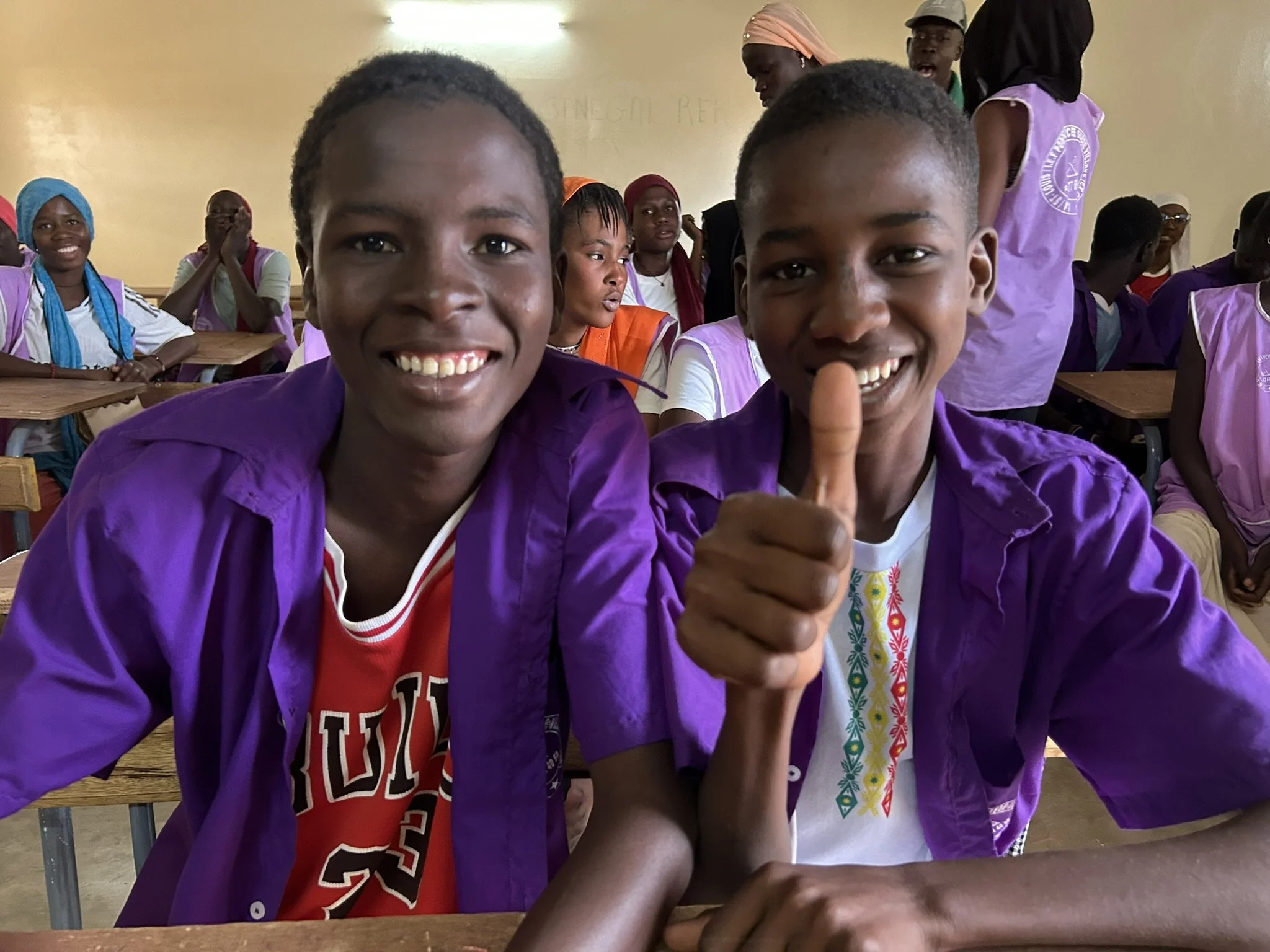
Students from Guédé Village High School give a thumbs up for the recent improvements at their school.

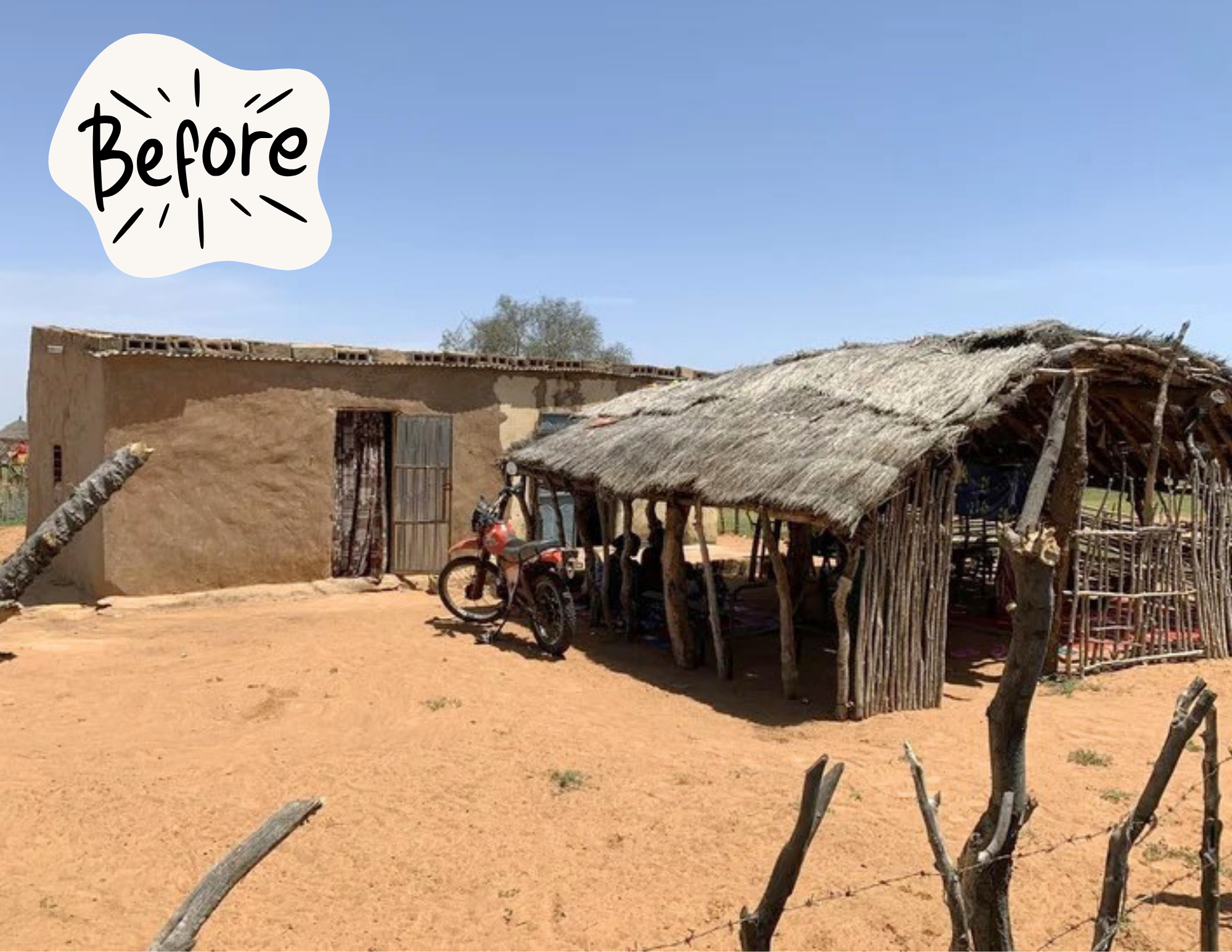
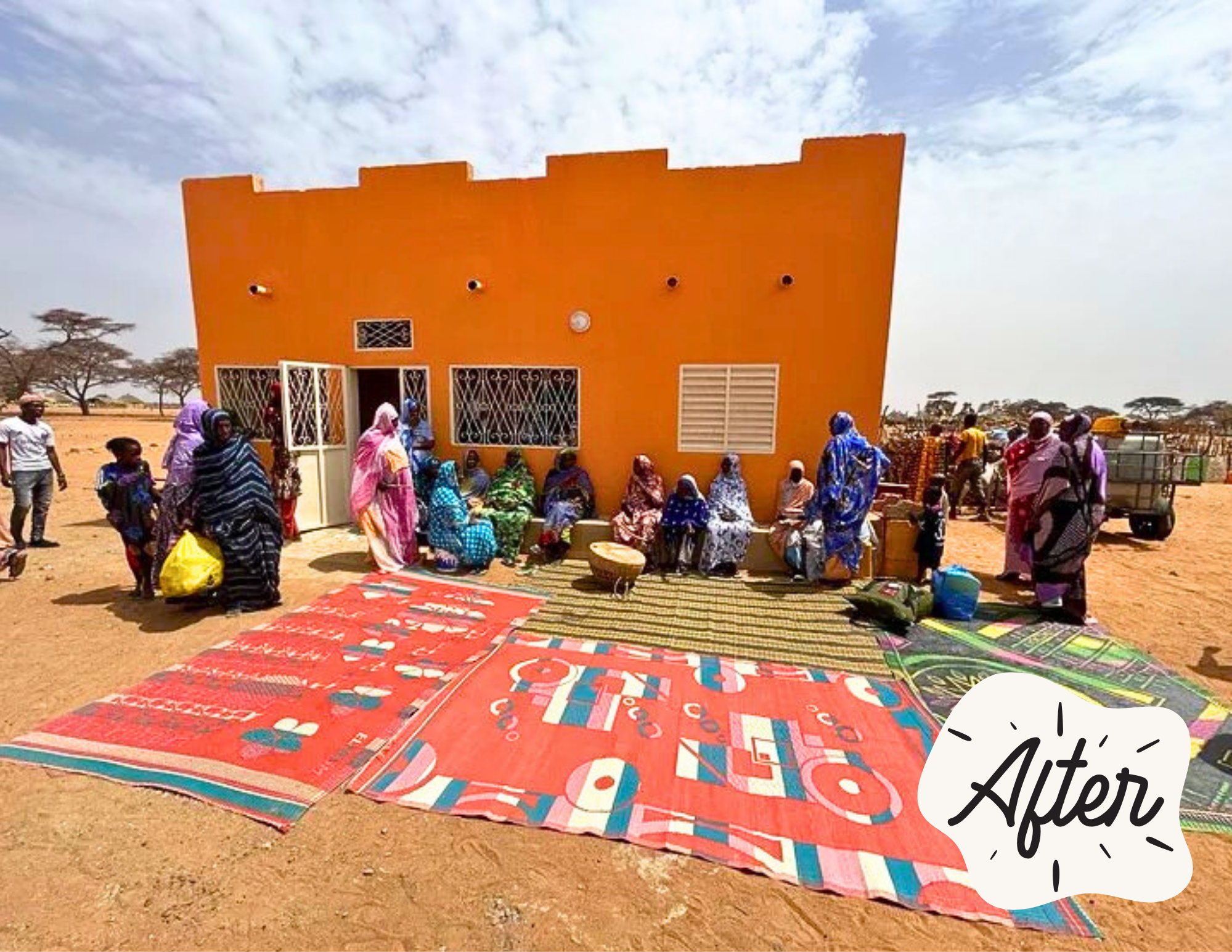
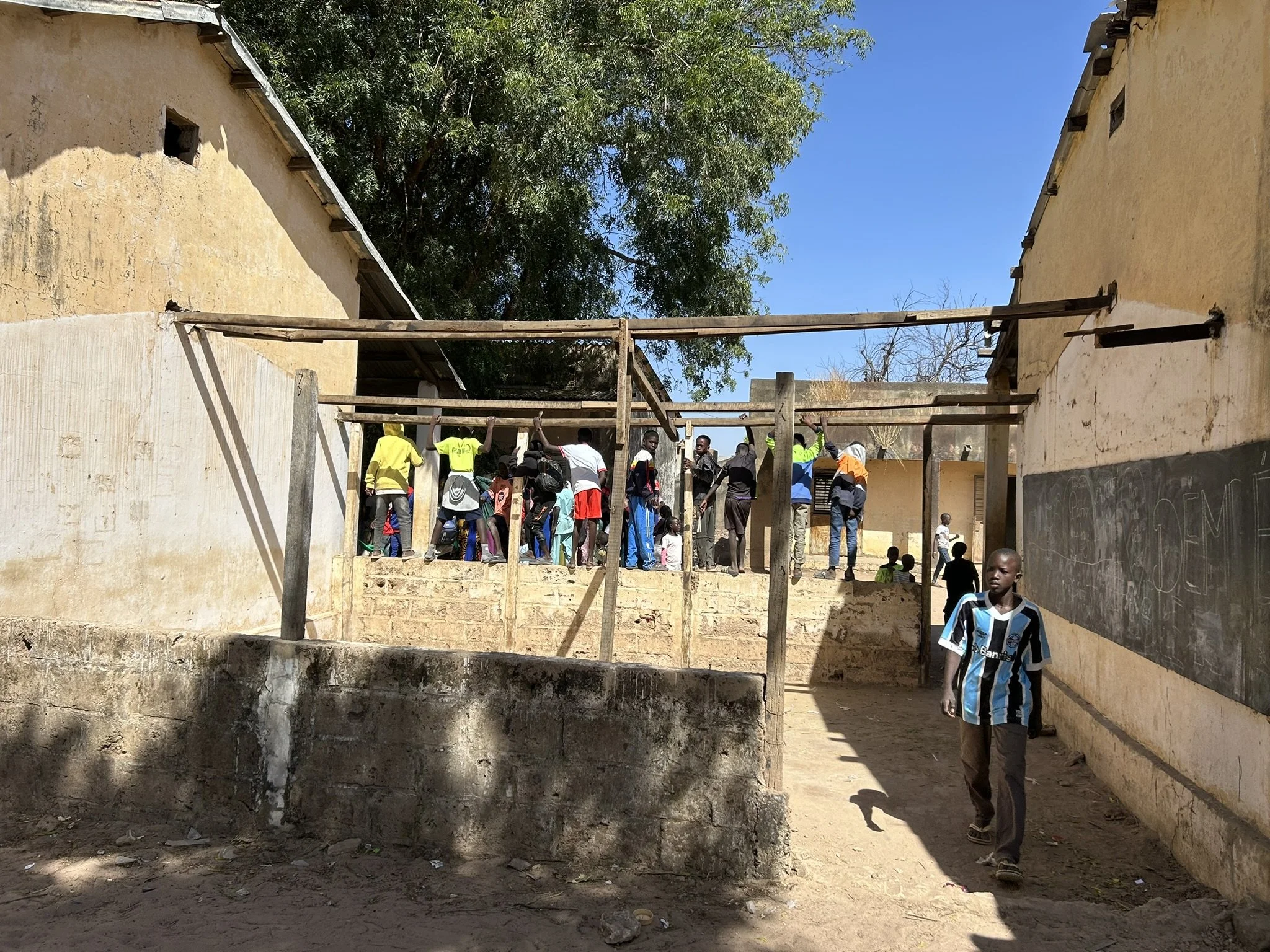
Andando has had the privilege of partnering with schools at all levels, from kindergarten through high school. This year, that meant supporting two schools on opposite sides of the country and at very different points in Senegal’s educational story. At Ndiédieng Elementary School, aging colonial-era buildings had left students learning in hastily built temporary spaces. At Guédé Village High School, one of the country’s newest schools, inadequate facilities and rising enrollment had created major barriers to education.

One of the temporary classrooms at Ndiédieng Elementary School which are now no longer in use.

Overcrowded or deteriorating classrooms make learning harder. Students lack desks and textbooks, teachers have less ability to manage the room, and constant exposure to heat, dust, and rain undermines concentration. Too few bathrooms create another serious barrier, especially for girls, who often miss school when menstruation cannot be managed with privacy and dignity. These are the kinds of conditions that keep children from enrolling and make it harder for them to stay in school once they do.

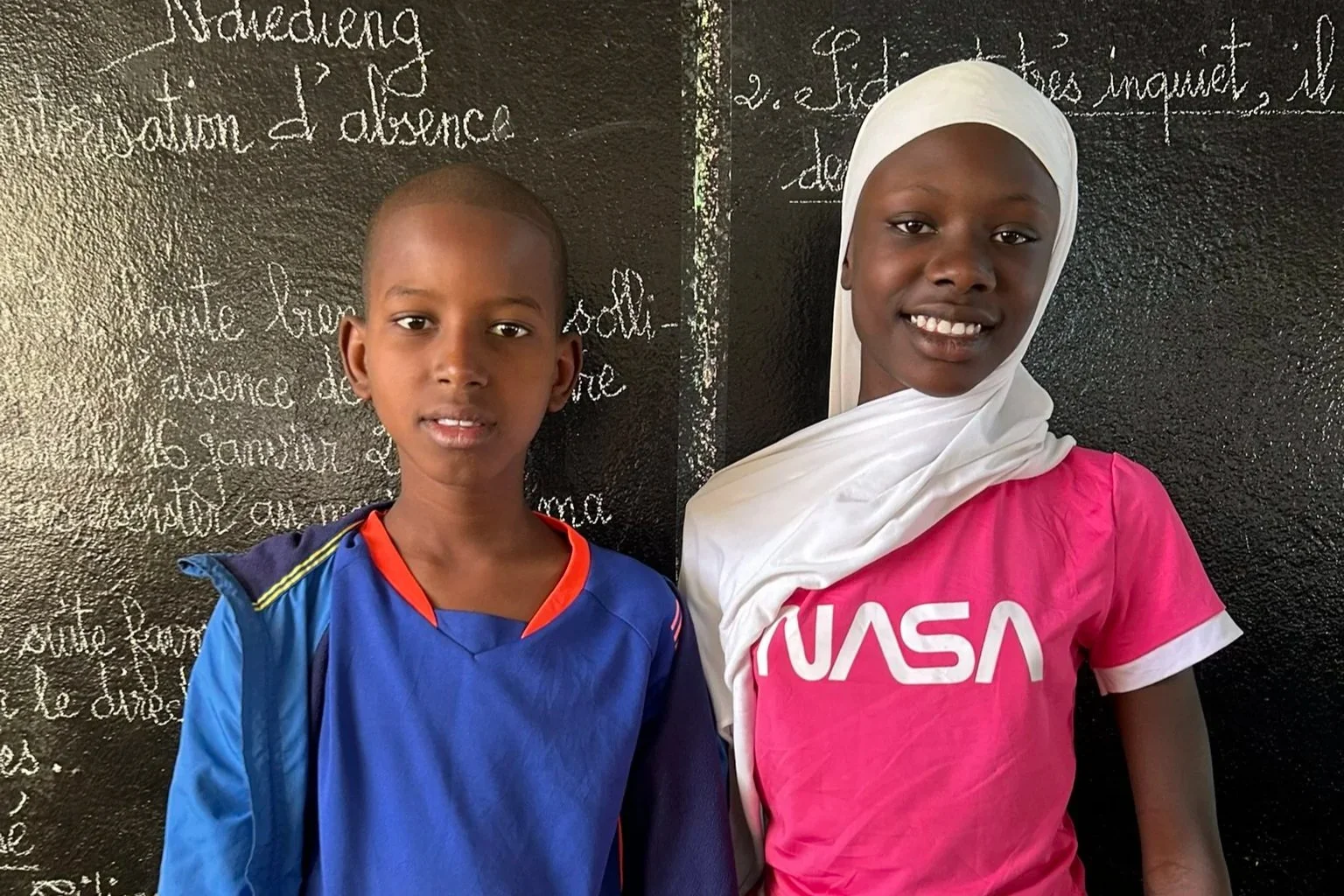
Aliou Ba (left), and Seynabou Ngom (right), top of their class, spoke at the inauguration of the new classrooms.

Though these schools exist in very different local contexts, they ultimately needed the same thing: infrastructure that could keep pace with growing demand. That is why Andando constructed two new fully furnished classrooms at each school, along with bathroom improvements and new facilities to help ensure that children can attend school in conditions that support both learning and dignity. At Guédé Village High School, one teacher described the impact this way:

Before your arrival the situation was very complicated because classes were overcrowded. They used to sit generally 3 students at a table and it was very difficult for us to deal with. With the arrival of Andando and the building of these two classrooms, it’s a sigh of relief.
— Mr. Cisse

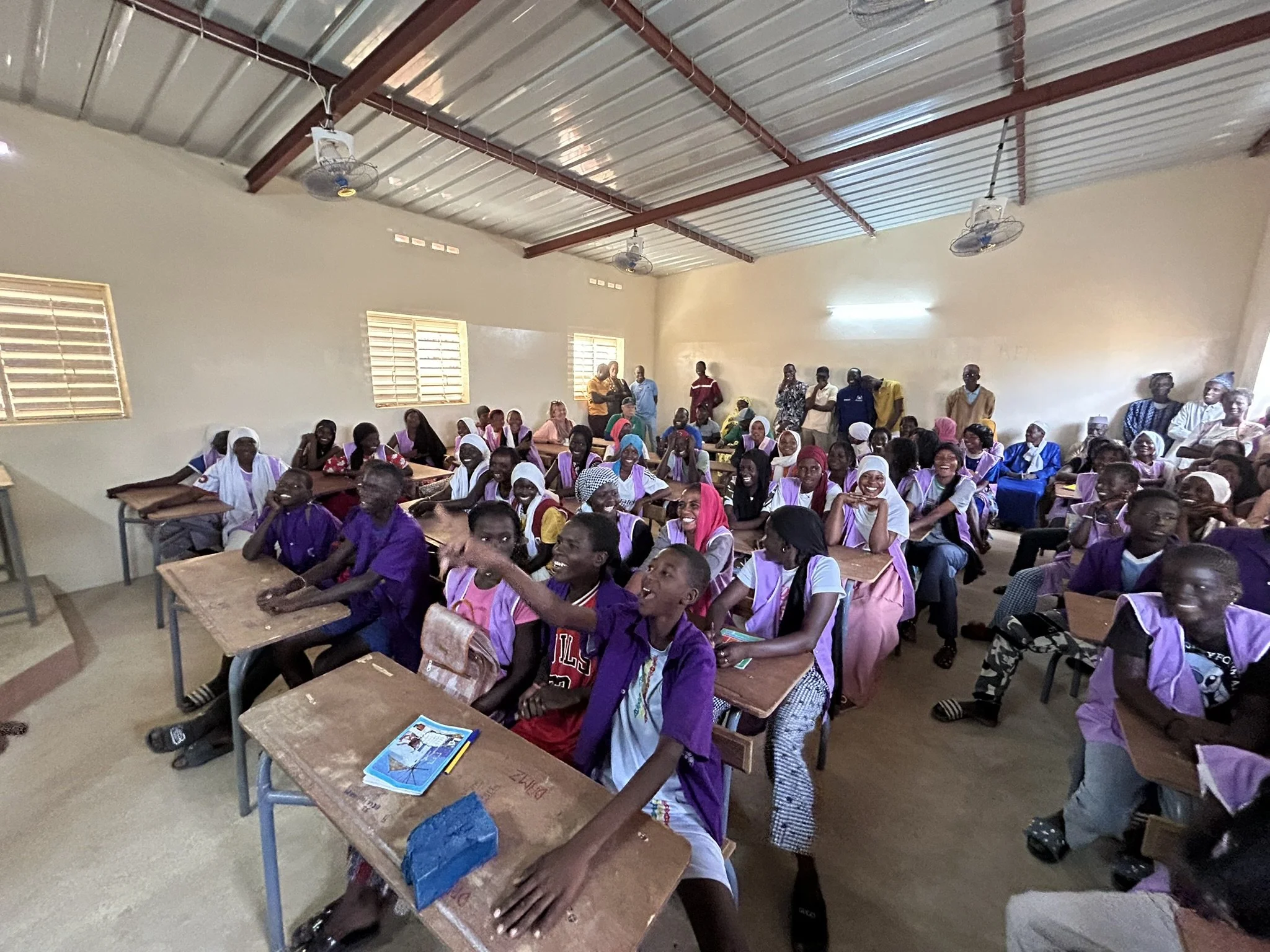
Bright and comfortable new classrooms give students at Guédé Village High School a better learning environment.

Aquaculture in the Sahel: How Women are Leading the Expansion of Fish Farming in Senegal

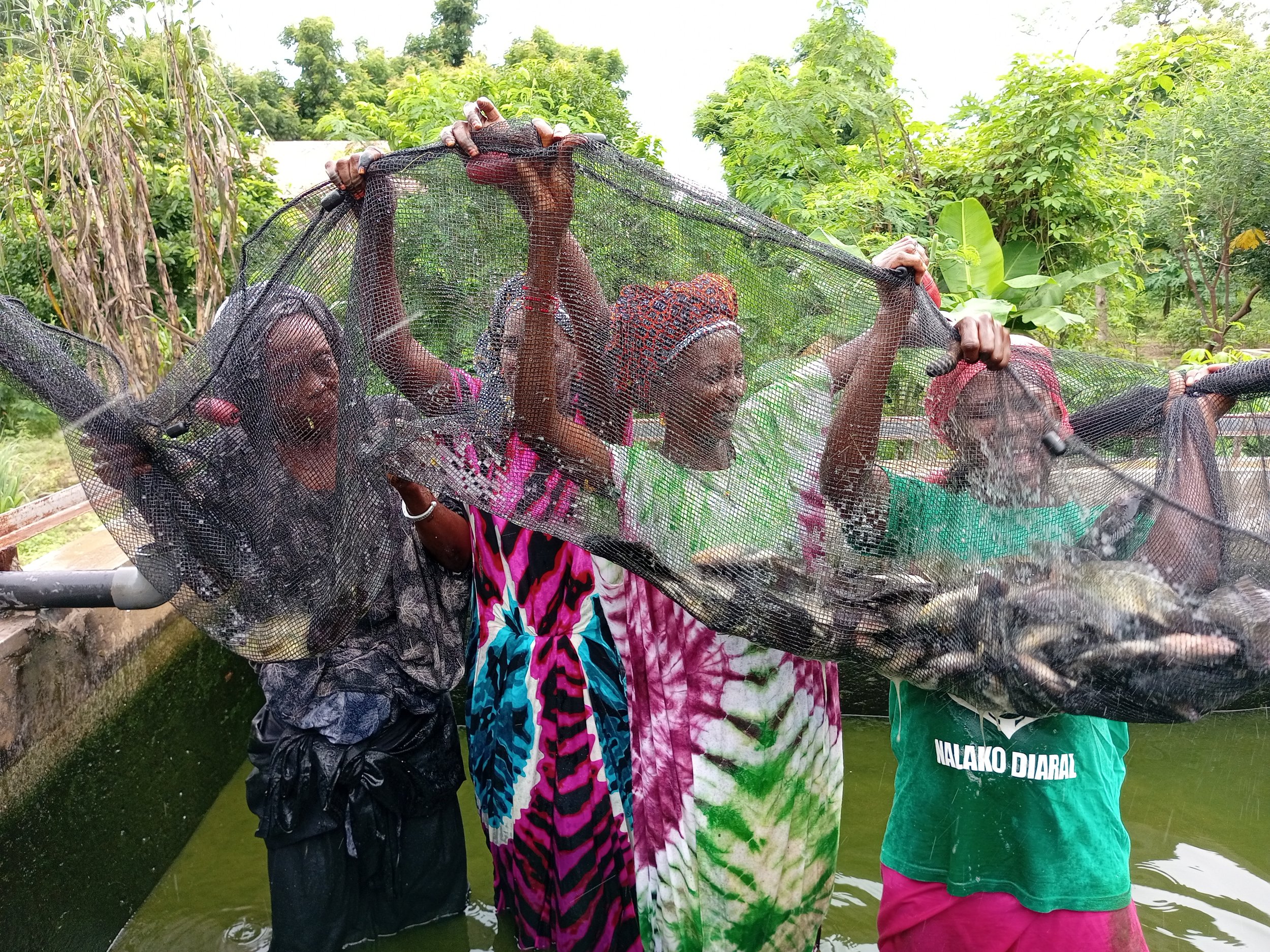
Women’s Cooperative Gardens are leading the expansion of fish farming in Senegal. By integrating fish farming into established gardens, communities increase food security and diversity without using additional water.

In rural Senegal, where water is limited and conditions are harsh, it would be easy to assume that fish farming would be a risky venture requiring major investment. What Andando has seen instead is that women in small rural cooperatives are not only succeeding where others might expect failure, they are mastering this skill and helping lead the expansion of aquaculture across the Sahel.

Especially since we live in a dry area. The locals didn’t believe that fish farming would be possible here. But Mash’Allah, everything went well.
— Dickel Sow

But how can fish farming in such arid regions be possible on any meaningful scale? The answer lies in working within limits so the same water does double duty. Solar pumps pass daily irrigation water first through basins of tilapia, producing fish for food and sale, and adding nutrients to the water which then naturally fertilizes crops.

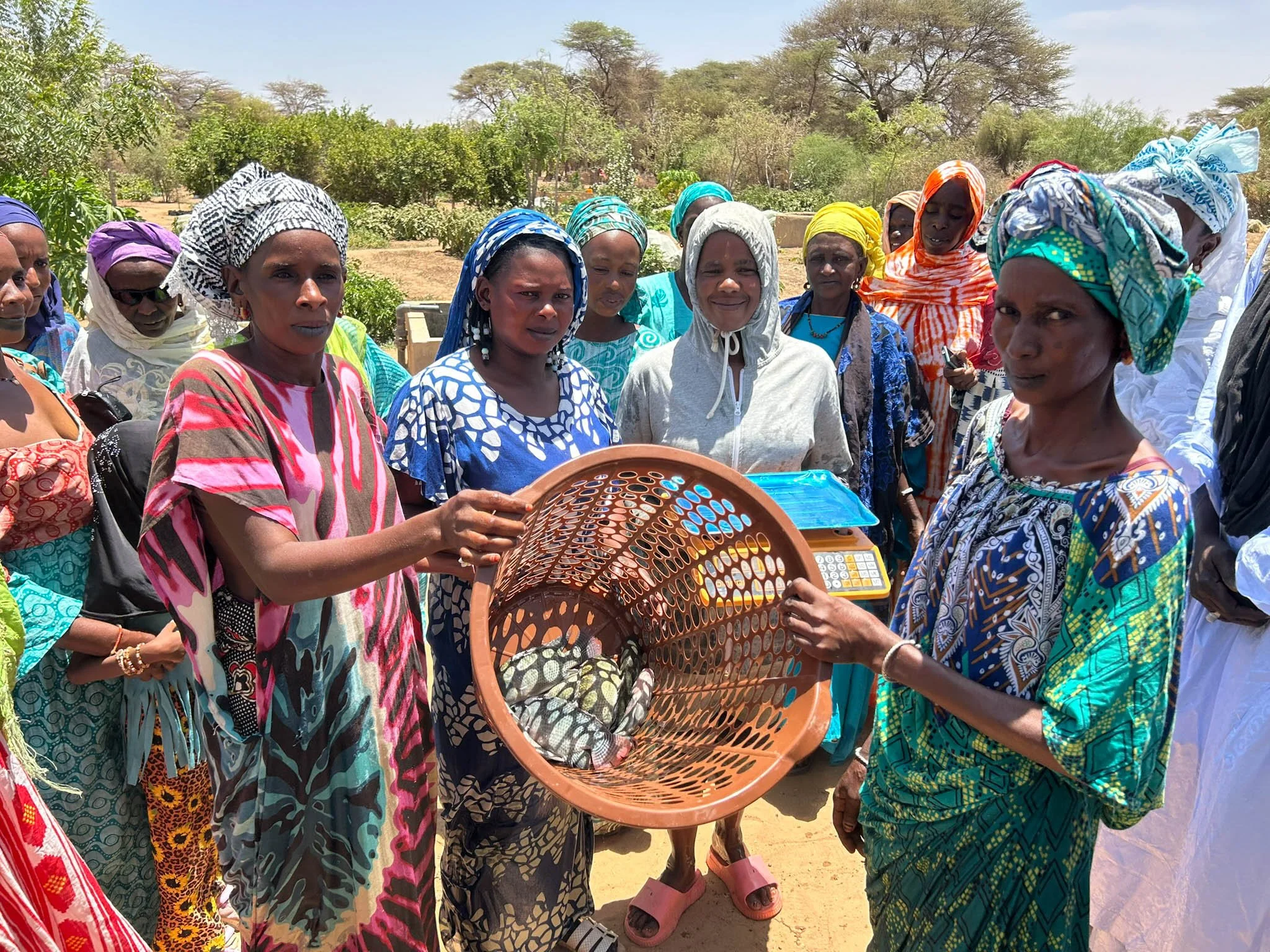
Dickel Sow (right) and other members of the Mbantou Croissement women’s garden with their first fish.

The impact of Andando’s most recent aquaculture integrations in the Mbantou Croissement and Mboyo Walo women’s gardens has been immediate and visible. As Dickel Sow explained,

If we didn’t have this fish pond, we would have gone elsewhere to buy fish. But now we raise fish ourselves, and we also eat and sell. And all our friends and family often come to buy them.
— Dickel Sow, Mbantou Croissement Garden Member

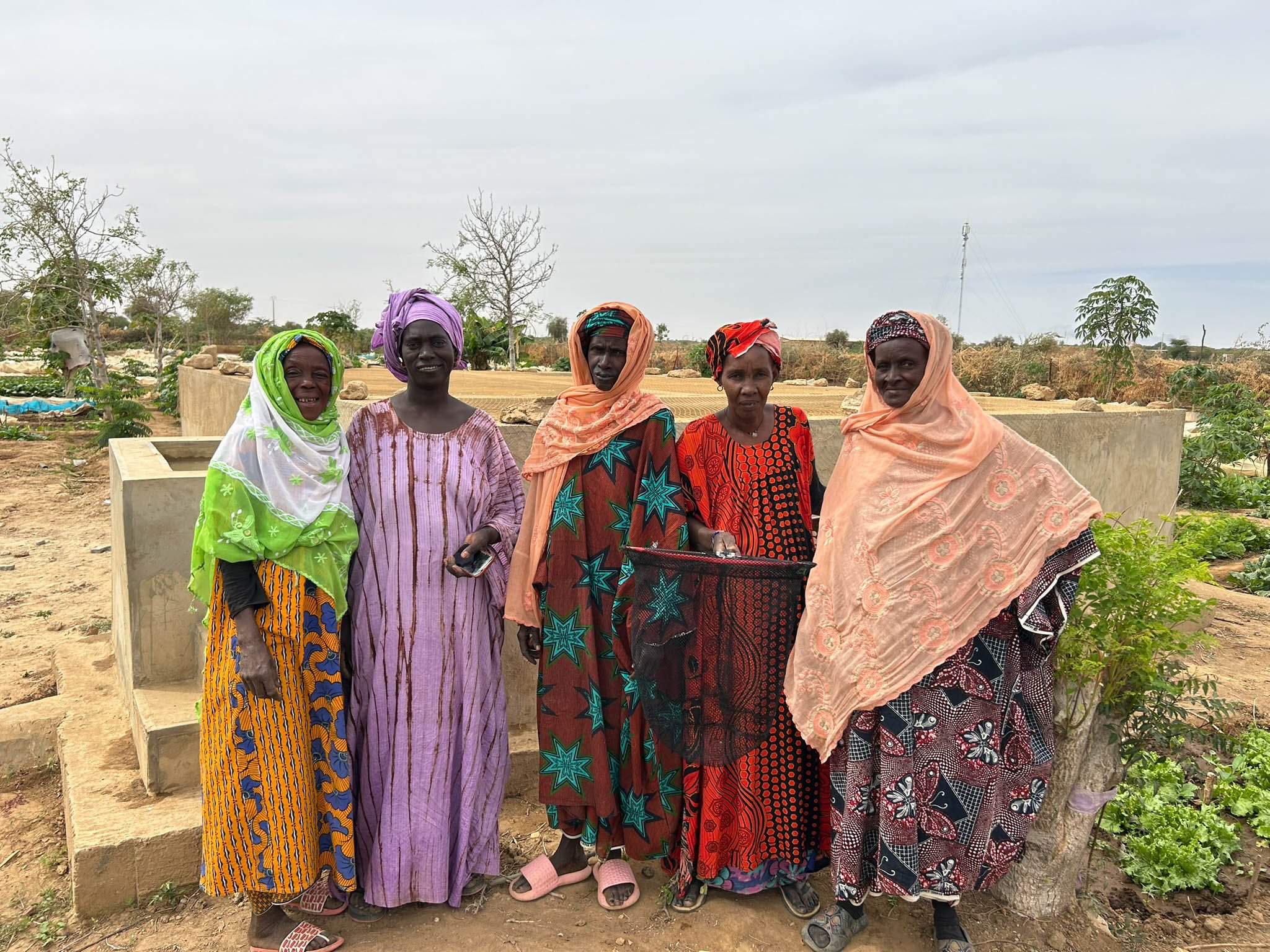
Aminata Elhadj Diagne (left) with other members of the fish farming committee of Mboyo Walo.

Greater access to fish and increased yields are also having a transformative impact on nutrition in these villages:

We used to have up to 35 children suffering from malnutrition... But now it is a part of our past, here in Mboyo.
— Aminata Elhadj Diagne, Member of the Mboyo Walo Fish Farming Committee

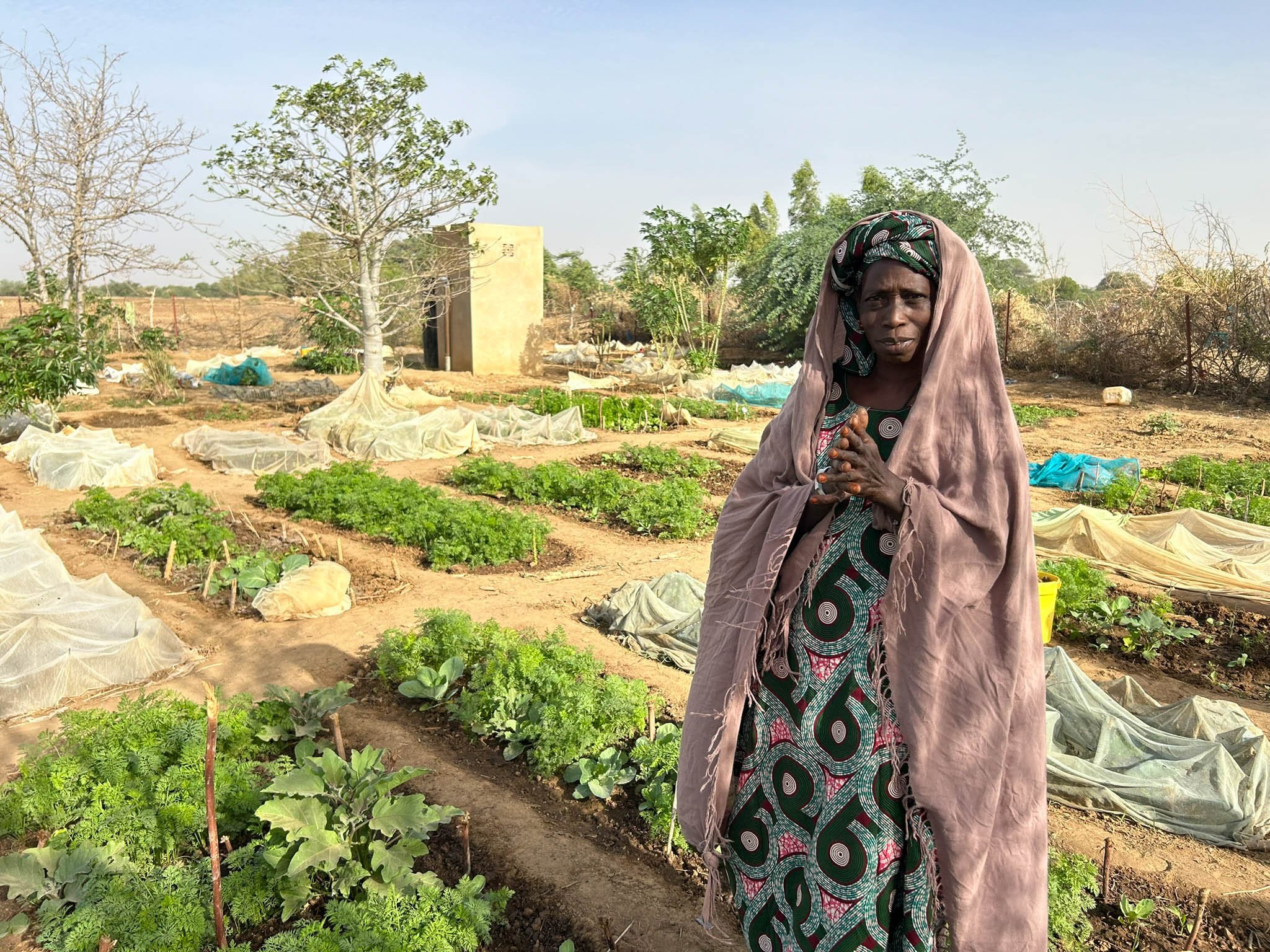
Oumou Ndiaye of Mboyo Walo, showing her garden plot, which is more productive than ever this year.

These women are proving once again that sustainable food security solutions can grow from the ground up, with local leaders forging the way.

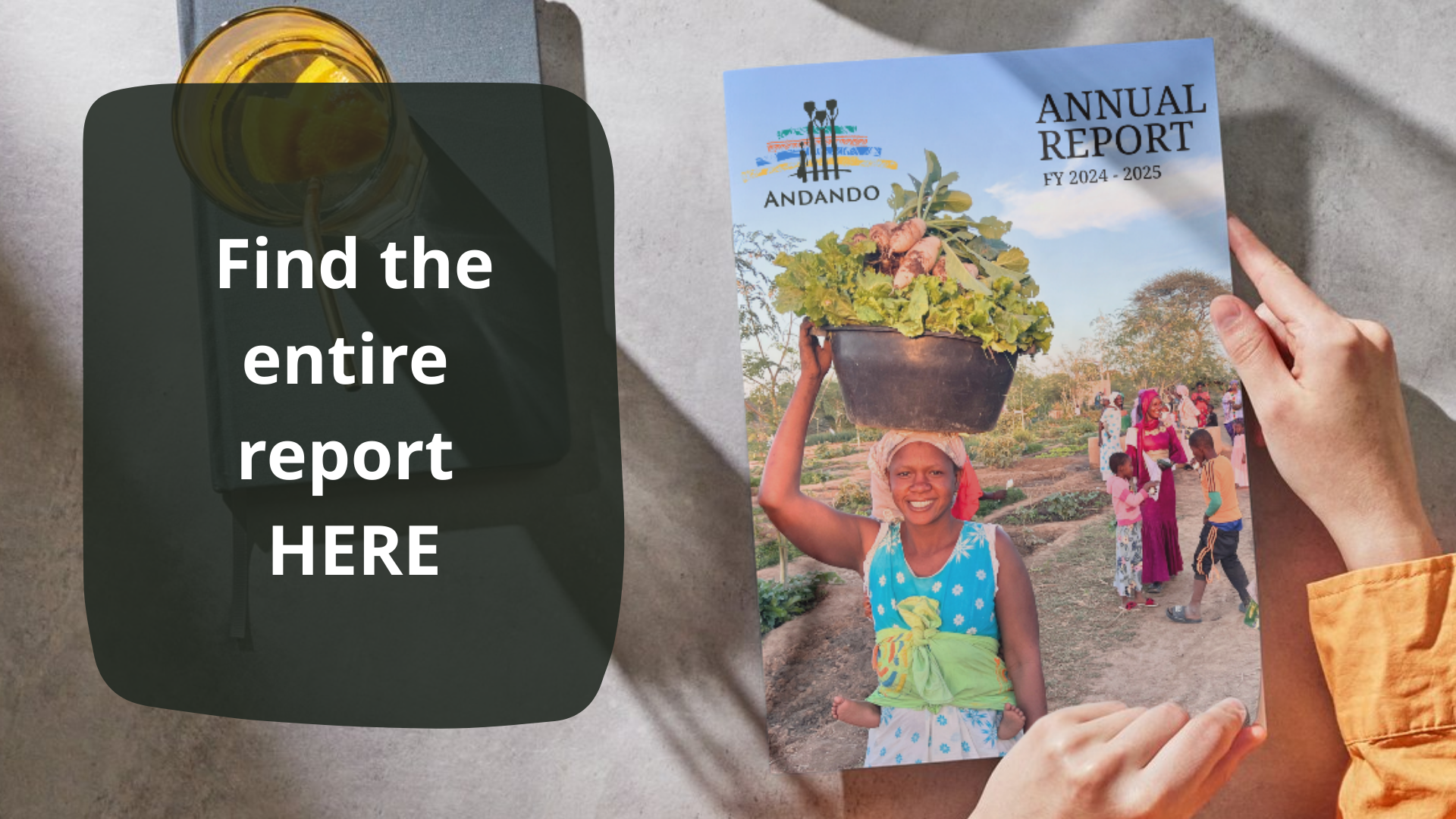
This is What Impact Looks Like: Annual Report 2024-25

Dear Friends,

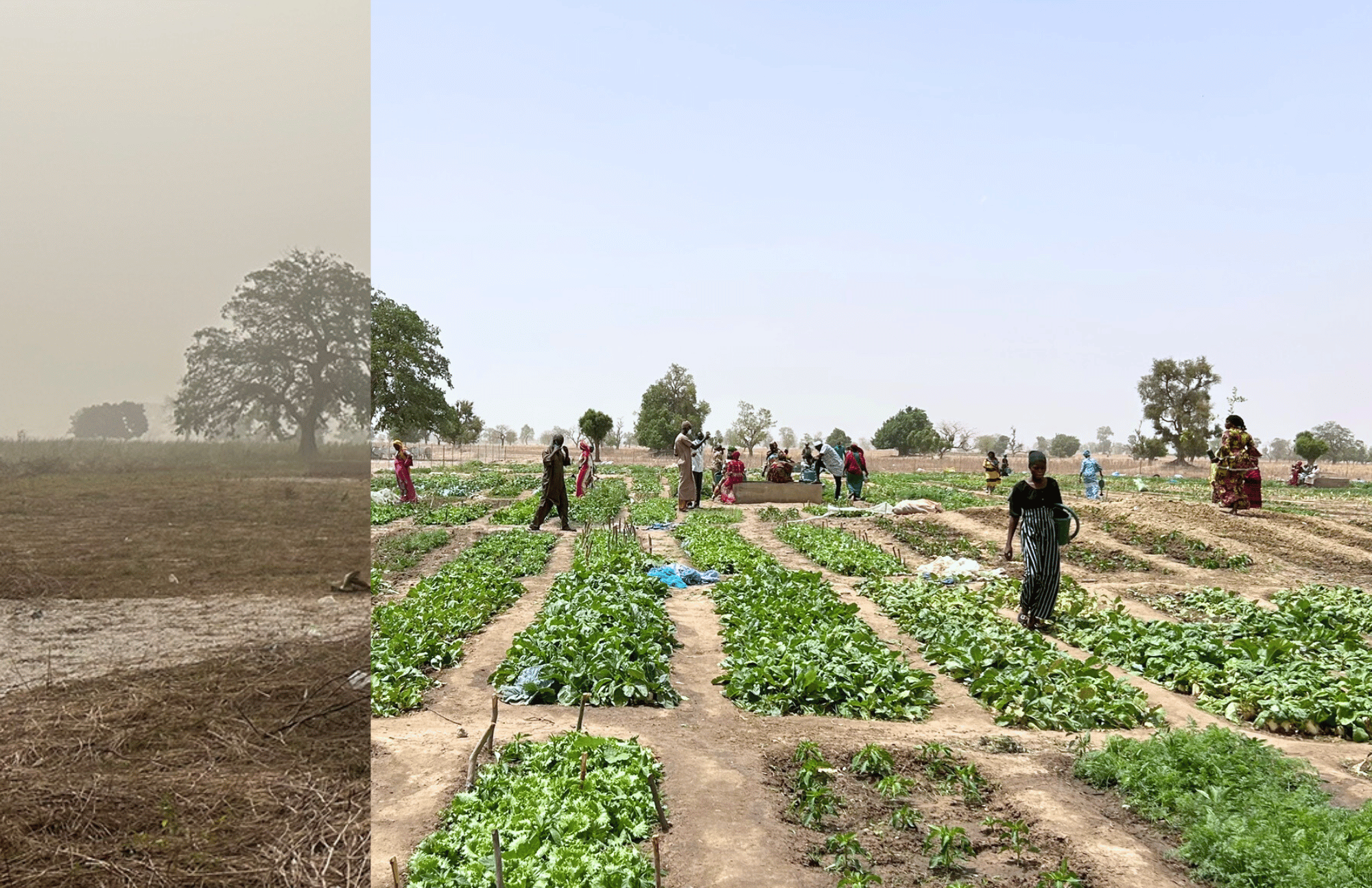
The first year of a garden’s development is nothing short of miraculous. What began here in Haffé as a barren, degraded peanut field has, in just one season, burst forth with life and possibility.

Before and After at Haffé Garden after just one season of garden activities. What was a barren peanut field is now a vibrant, thriving garden.

Andando’s impact here is clearly visible, and though the outward signs may differ, the story is the same across every program. Our partners are driving change in their communities, in their families, and in their own lives.

Click here to enjoy our annual report, which captures some of what that change has looked like over the past year. Behind every page is the commitment of rural communities in Senegal and the generosity of people like you who choose to walk alongside them. Thank you for making this work possible.

With gratitude,

Diégane Ndiaye
Operations Director

Garrison Harward
Executive Director

Want to see more stories of success and long-term impact? Sign up to receive updates from us, click here.

From the Director - Feb 2026

One of my favorite parts of this work is sharing success stories from projects we only just introduced to you. Development is often slow and tedious, but right now, Andando is building a level of momentum that is as encouraging as it is noteworthy.

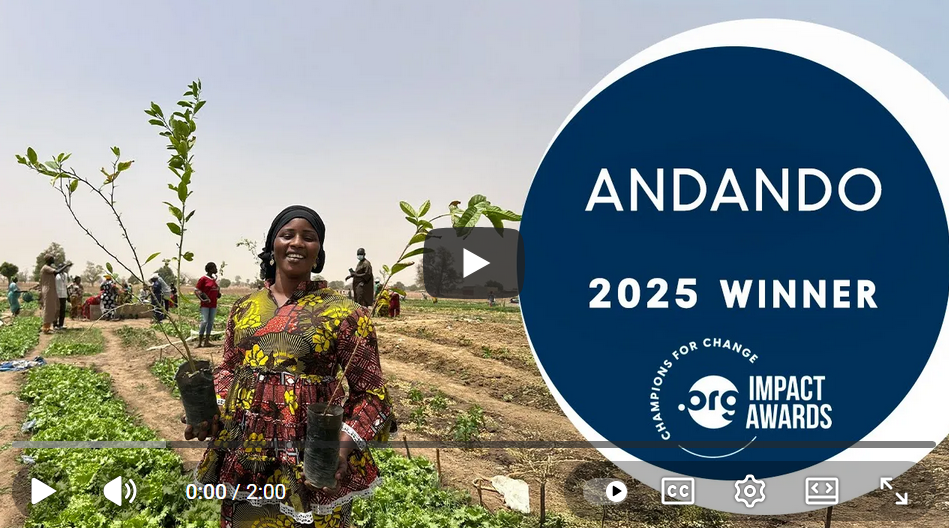
We saw a wonderful reflection of this recently when Andando WON the .ORG Impact Award for Hunger and Poverty. It was a proud moment for our team, and the video produced for the event really captures the heart of our mission.

Andando WON the .ORG Impact Award for Hunger and Poverty. It was a proud moment for our team, and the video produced for the event really captures the heart of our mission.

In Keur Socé, momentum continues with the completion of our newest aquaculture integrations in the Keur Ngor and Saré Diouma women’s gardens. The joy and pride these women showed while stocking their first fish was incredible. Watching them master this new skill set with such focus is exactly why we keep investing in our partners.

The women of Saré Diouma stocked their new aquaculture basins in late 2025 and are preparing for their first harvest this spring. This is our 9th garden to feature integrated fish farming with more planned for 2026!

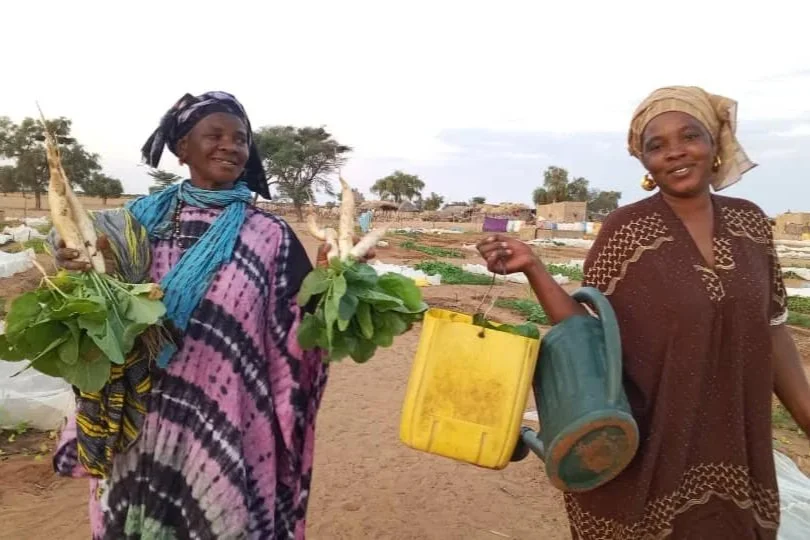
That same pride is palpable up north in Senobowal, where the new woodlot and women’s garden are up and running. The community is seizing this opportunity with gusto and has already planted more than 1,500 trees. Even more impressive, the garden is already yielding its first harvests after just two months, with lots more to come!

From dust to greens: Senobowal’s garden is already flourishing, providing the community with its first harvests of radishes and lettuce. In just a few short months this space will become a veritable oasis in the desert.

Finally, our partners in Guédé Village High School and Ndiédieng Primary School are hitting the ground running this school year with their newly completed classrooms and bathrooms! For years, students here squeezed into temporary shelters that were sweltering and crowded. Their beautiful, fully furnished new classes have reduced class sizes and created a positive learning environment for all.

Students at the Ndiédieng primary school in their new, fully furnished classrooms. These permanent buildings replace the temporary outdoor shelters the community used previously.

It’s thanks to supporters like YOU that we can keep up this level of momentum and impact year after year.

“Jéréjëf!” – Thank You!

- Garrison Harward, Executive Director
Garrison@Andando.org

Answering the call of the Diéri: Andando’s newest frontier

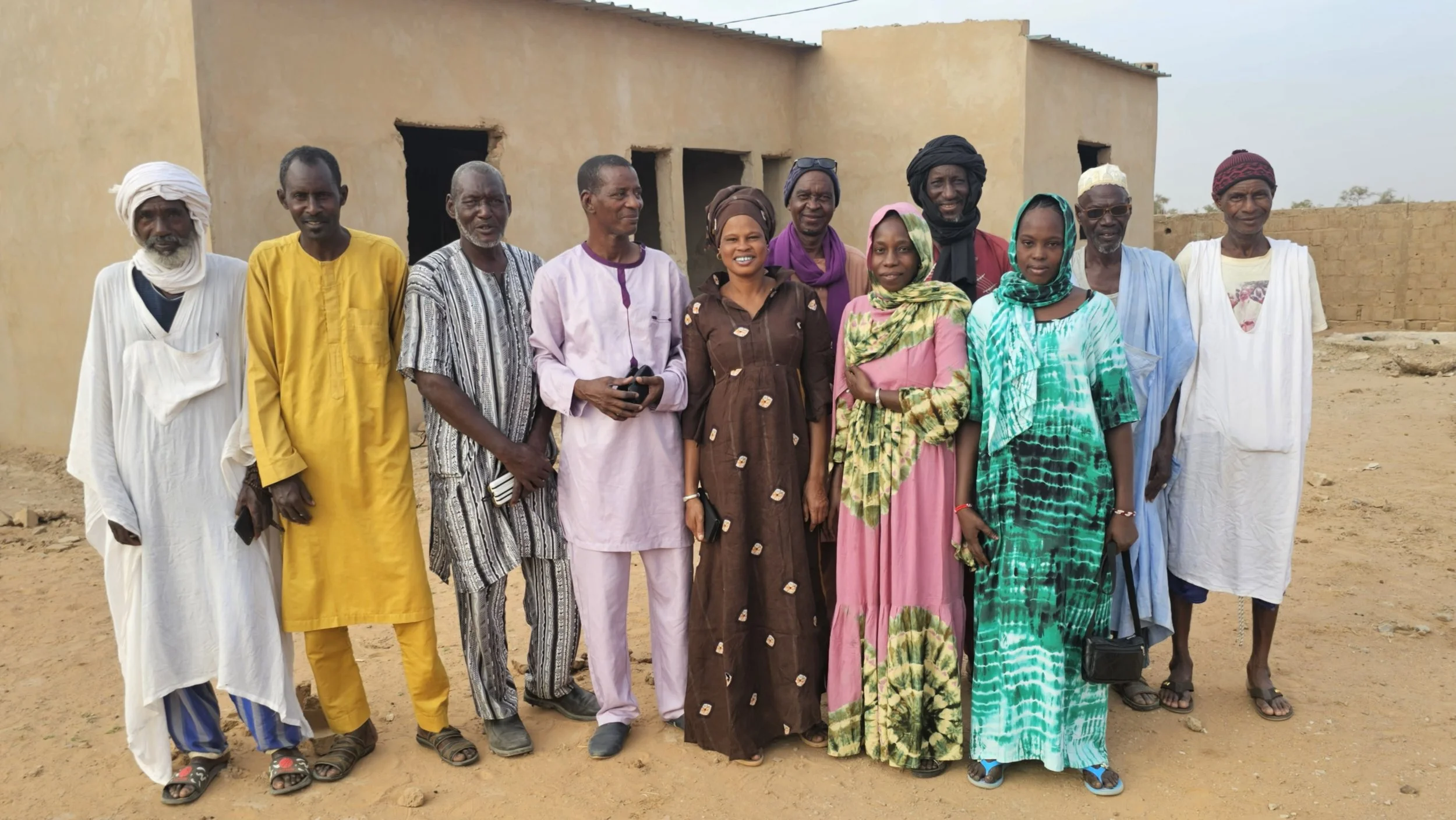
Community leaders in Kawé , located in the Diére, meet with Andando staff to discuss the future of their primary school.

Andando has always grown by listening. For years, our work in northern Senegal thrived in the Walo, the floodplains along the Senegal River. But after every success there, local leaders would pull us aside with the same request: “This is wonderful, but can you take it to the Diéri? Almost no one is helping there.”

Without local access to clean water, families in the Diéri are often forced into multi-day journeys just to meet their basic needs.

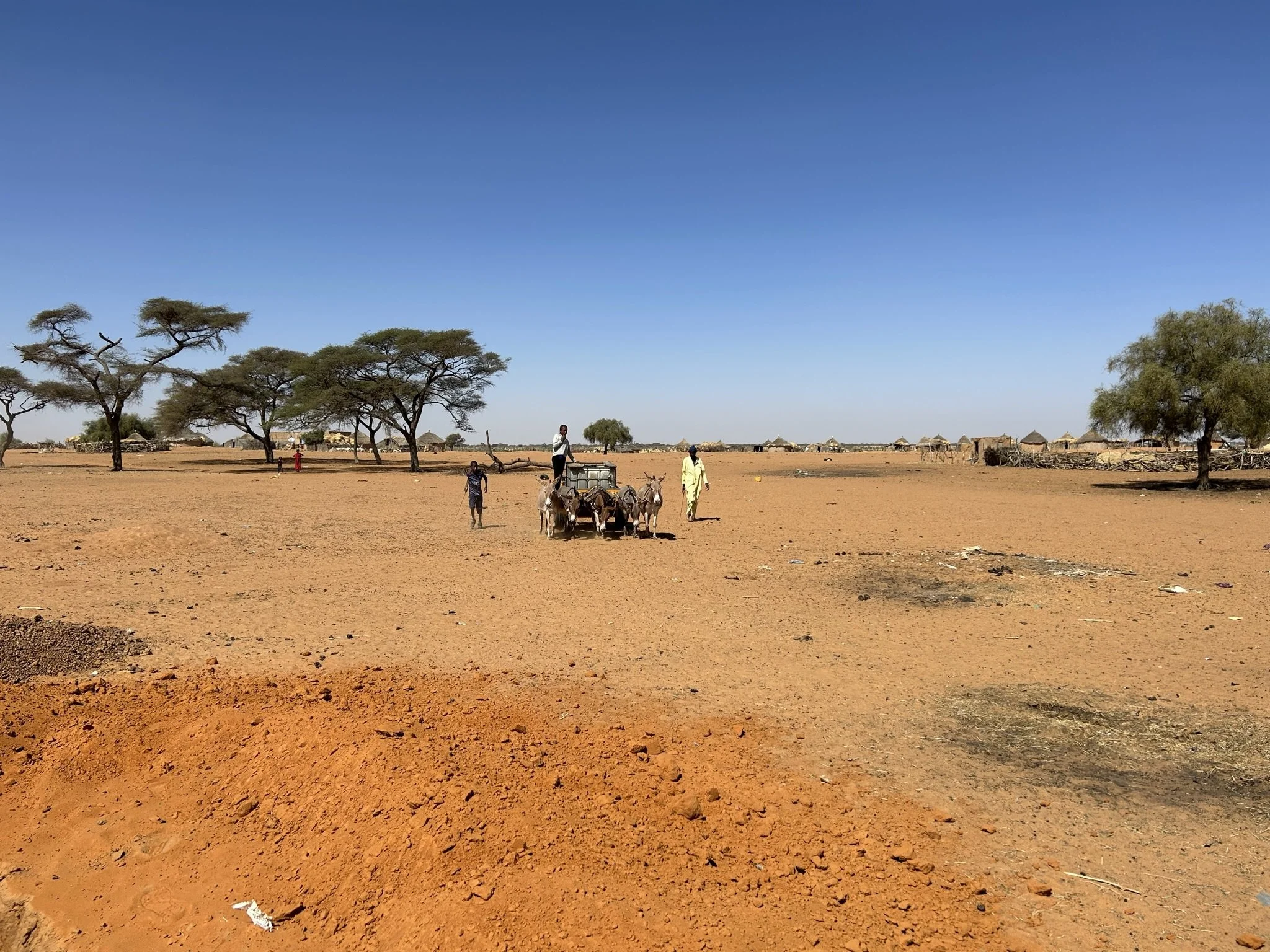
Families in the Diéri are often forced into multi-day journeys just to meet their basic needs. Here, one family uses a donkey-pulled water cart to fill up with water in Senobowal and make the long journey home.

The Diéri is the vast, arid pastoral zone south of the river, home to indigenous Peulh herders who have raised livestock in balance with this land for centuries. Today, that balance is fracturing. When rain fails or a water point breaks, families are forced into crisis migrations. Children are pulled from school, and access to medical care for pregnant women, children, and treatable illnesses becomes all but impossible as families move farther away. 

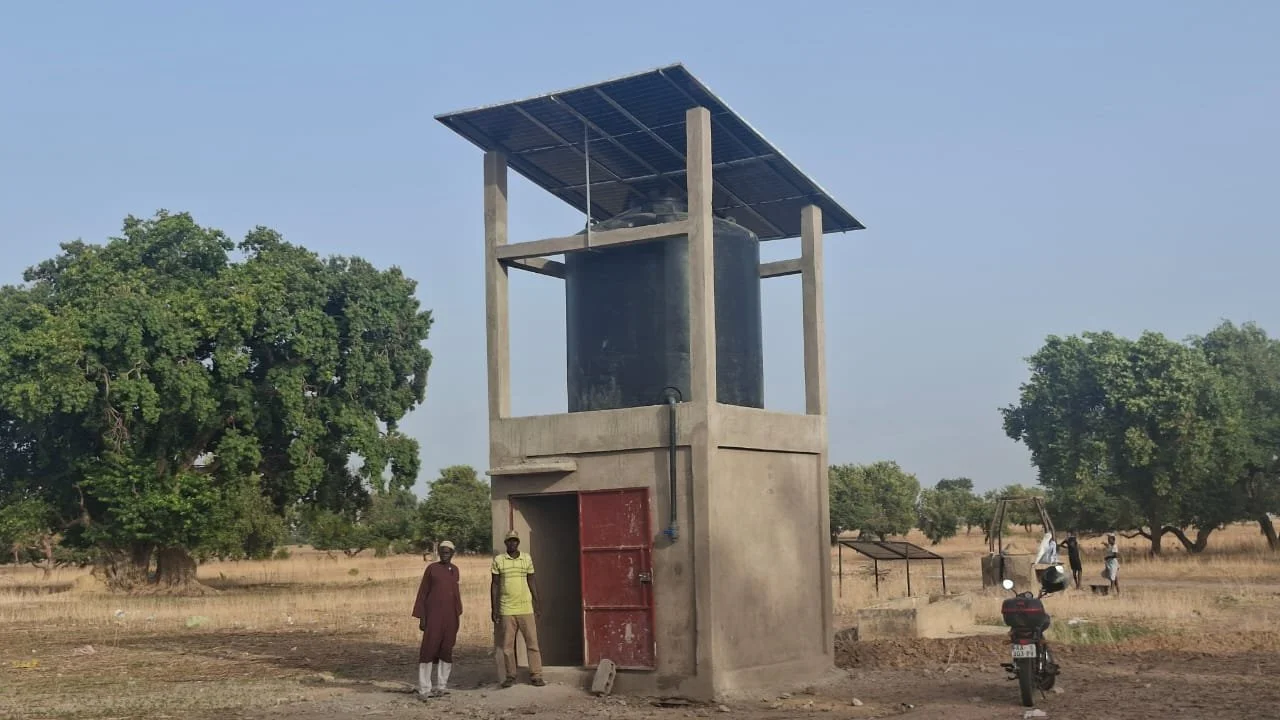
With a new borehole well, the existing water tower can meet the needs of Senobowal and the surrounding 10 villages that rely it for their basic needs.

We saw this reality firsthand in Senobowal where we were initially called to build only a health clinic.  The community quickly revealed other urgent needs though, leading to our most comprehensive "whole village" intervention to date. 

In the coming months, we’ll be sharing more about how the clinic, solar borehole well, women’s garden, woodlot, and school support are transforming life there for the better.

A lifeline for the region: Senobowal’s solar borehole serves 5,000 people and 30,000 livestock across 10 villages.

Now, other Diéri communities are asking for that same chance. The scale of the need and the difficulty of this work is immense, but so too is the potential. These families are the frontline stewards of this region, quite literally holding back the advance of the Sahara.

In the vast Diéri, schools are few and far between. In Kawé, we are prioritizing classroom renovations and proper sanitation to keep students in school year-round.

The women of Peté Olé are ready to start a cooperative garden to feed their families, they are simply waiting for a reliable water source.

For this landscape to survive, its people must be able to thrive. By building these systems of stability, we are ensuring that the stewards of the Diéri can stay to protect it for generations to come. To the best of our ability, Andando is answering that call, one village at a time.

Together we made a significant impact in 2025!

As we close the books on another year, we want to reflect on what we have accomplished together with our partner communities in 2025. One thing we have learned through this work is that, together, we can make a substantial difference in a very short amount of time.

Members of the Haffé Women’s Cooperative showcasing some of the vegetables grown in the garden.

A prime example is the women’s garden in Haffé. It was launched at the beginning of 2025, and in less than nine months, the cooperative reached its savings goal and grew over 20,000 pounds of produce!  For 220 women there, and more than 1,000 family members, life changed for the better this year with more food on the table, more income, more stability, and more confidence about what the future can hold. And that is just one small example of the impact you helped create.

Here are a few more highlights your support helped make possible this year:

  • 41 women’s gardens and 1 school garden supported, including new gardens in Haffé and Senobowal

  • Over 33,000 trees planted, bringing Andando’s total to more than 95,000 trees established in gardens, schools, health clinics, and farms

  • Aquaculture added to 4 gardens, improving nutrition and income for over 600 families

  • 4 new classrooms built, two at Ndiédieng Primary School and two at Guédé Village High School, with bathrooms and clean running water at each

  • 190 microloans disbursed in Keur Socé, paired with trees and Farmer Managed Natural Regeneration training

  • 1 new health clinic added in Ndiaguene, extending vital services to over 1,000 people, plus renovations at our Paymar clinic after a brutal rainy season damaged their roof

  • The Senobowal borehole completed, bringing reliable, clean water to over 5,000 Indigenous pastoralists and helping them remain rooted on their ancestral lands with dignity

We are incredibly grateful for your support of Andando and our partner communities. Together in 2025, we reached more than 55,000 people, and the benefits of that support will continue for years, and in many cases decades, to come.

Monthly donors help make this possible. You can too! Start (or increase) a monthly donation today (click here for details).

Happy New Year: Your Impact in Action - New Projects are Underway!

Happy New Year from all of us at Andando, and thank you.

Because of generous donors like you, we raised $6,677 toward our $10,000 year-end match, which means $13,354 is going straight into new projects in rural Senegal.

I wanted to write to you personally before I leave for Senegal in a little over a week. This trip feels different, in the best way. The honest truth is that we are never fully certain how much we will raise each year, or how many communities we will be able to support. We plan carefully, we keep costs lean, and we do everything we can to build steady support, but there is always an element of uncertainty.

So, it is both a relief, and incredibly exciting, to be heading to Senegal with new support from our year-end campaign, and our tremendously successful Fall Gala, knowing we can start new projects that will literally change lives.

That is one of the things I am proudest of about Andando. When resources show up, we get to work immediately. We mobilize our team, coordinate with local stakeholders, and get your support to those who need it, right now. 

In the coming weeks, I’ll be sharing updates from the field as our team begins the next round of projects. For now, please know how grateful I am for your support, and for the community behind us that makes this work possible.

With sincere appreciation!

Garrison Harward
Executive Director

P.S. With additional funds, we can say yes to even more communities in 2026. It's not too late to join us - donate today!

Meet Bocar, Tree Project Coordinator for Podor

Our team on the ground in Senegal works with determination and passion to put your support in action and build thriving, resilient communities. We are thrilled to introduce you to Bocar Diop, our Podor Tree Project Coordinator. (Click here to see others in this series.)

Bocar joined the Andando team as a Garden Technician in October 2020. As our tree program expanded, he transitioned into coordinating our replanting efforts in the norther region of Podor.

Born and raised in the northern region of Podor, Bocar grew up helping on his family’s farm and has seen firsthand the benefits of integrating trees in agriculture and community centers.

He is the eldest in his family with seven younger brothers and sisters. When he was very young, a flood came through his village and swept away his home. The entire family relocated to Donaye Teredji, which is also home to Andando’s Podor Headquarters.

Living and working in the communities we serve allows staff to build trust and mutual respect so they can respond thoughtfully and effectively to evolving community needs.

As a child, Bocar loved learning and started attending school early, at the age of 5. After high school, he attended University Cheikh Anta Diop in Dakar and studied Science, Economics, and Business. After graduating, he joined Andando as a Garden Technician in October 2020. As our tree program expanded, Bocar transitioned into coordinating replanting efforts.

By supporting local tree planting efforts, Bocar is helping communities take the lead on transforming the Sahel and combating climate change in the northern Podor region.

Bocar has recently been working with a farmer who was cultivating his 25 acre farm, but because of the lack of trees to protect his crops, the wind would push down on the plants until they broke, and the dust encloses them so they don’t germinate well.

Bocar had this to say about the changes he’s seen:

Since joining the tree program, the farmer’s harvests are safe and sound, and his income has increased considerably.

This is my vision for the program, to reforest the Diéri, to eradicate the current situation in northern Senegal.
— Bocar

Salimata and Bocar on their wedding day, July 4, 2025.

To date, we have planted nearly 100,000 trees, and we aren’t stopping there!

Bocar married his wife, Salimata, in July (2025) and they live together in Donaye Teredji. When he’s not working, you may find him helping with his family’s farms, going for runs to stay active, or spending time with fellow Andando staff and community members to exchange ideas about the area’s development.

Your support enables Bocar to help his fellow citizens. Thank you for investing in their future! Click here to meet other staff.

Giving Thanks: "Just waking up and seeing the garden is soothing."

As we move into a season of giving thanks, we celebrate the successes and accomplishments of our partners in Senegal: students are focusing on their studies, healthcare workers are stepping in for their communities, and our women’s cooperative gardens are feeding entire villages!

Dickel Sow, the Secretary General of the Mbantou Croissement Women’s Garden.

Recently Dickel Sow, the Secretary General of the Mbantou Croissement Women’s Garden, shared with us the transformation she is seeing in her village:

"I’m going to talk about something that I appreciate, that I really have to say. Because I witnessed it myself, it's not something I heard about. I saw it with my own eyes. So welcome, Andando! We are honored by your presence; it's a pleasure. Because you inspire us to grow.

Because when you plant a garden in a village, it's bound to grow. That way, everyone can enjoy it. The same goes for a health clinic; it also promotes development. As for fish farming, we had only heard about it. And finally, it happened."

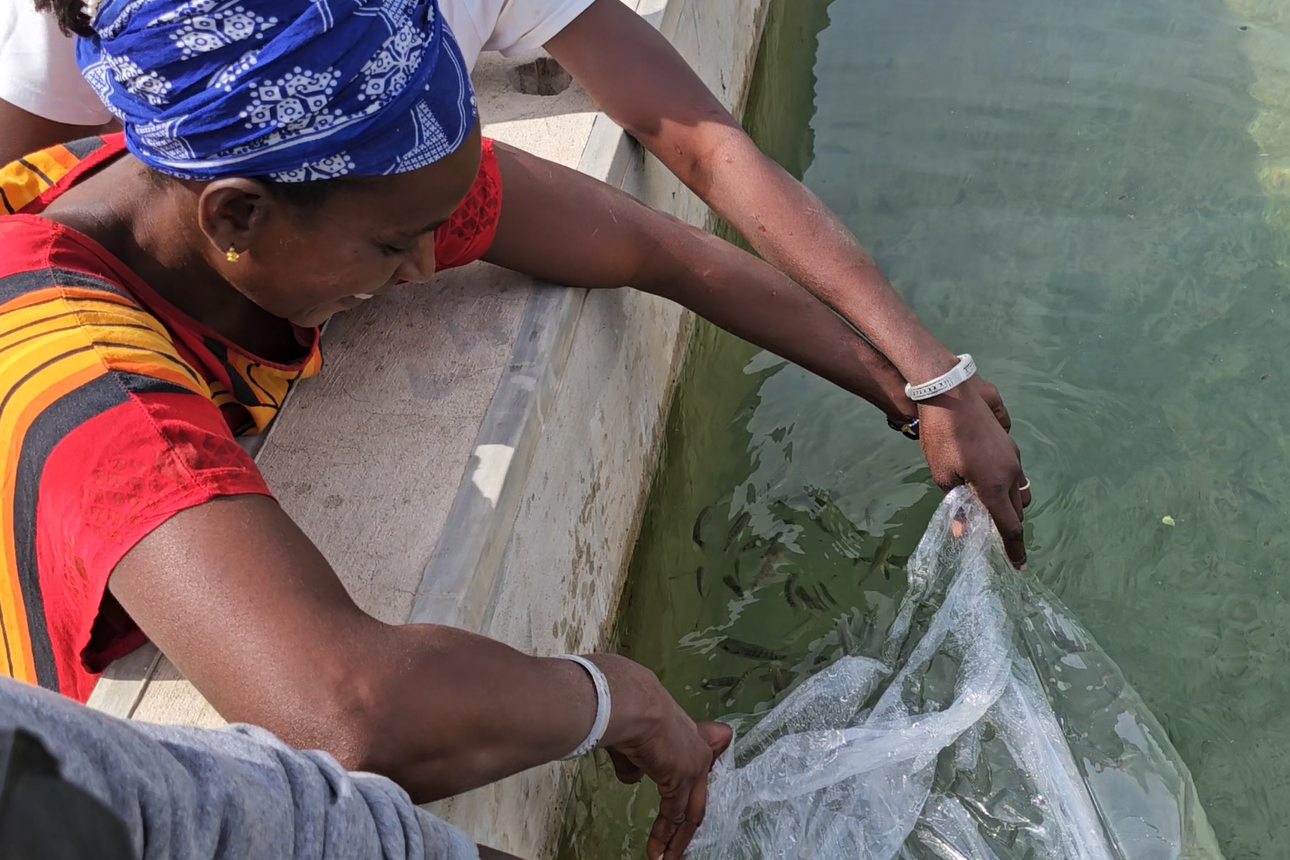
Releasing young fingerlings into the Mbantou Croissement Garden fish basin.

A big thumbs up from the women of Mbantou Croissement!

"Especially since we live in a dry area. The locals didn't believe that fish farming would be possible in this area. But thank God, everything went well. What's more, Andando is very helpful; they do all this thanks to God. They could have shown their achievements on the radio or on TV, but they didn't.

That's one of the things we love about Andando. They don't show off, and they keep their promises."

Dickel Sow (right), along with other members from the Mbantou Croissement Garden, showing off a few of the fish recently harvested.

"They gave it their all because they believe in development and prosperity. With our work in the garden, we consume the produce, give it away, and also sell it.

Whereas before, we had to go elsewhere to find vegetables. What's more, the products are organic, without fertilizers. Apart from rice and oil, we have everything we need in the garden. And that has a big impact on us."

Fish grown in the garden provide sustainable protein while also fertilizing the other garden crops.

"We have everything we need in the garden." Carrots, onions, peppers and limes - all grown from in garden - are used to prepare a meal called Yassa!

"Just waking up and seeing the garden is soothing."

"Every morning, we women gather in the garden. If one of us is missing, we notice. And that's what matters most. It's all thanks to Andando. Here we are today, giving thanks to God. God granted our wishes, and we are happy now."

On behalf of all of our partner communities and our Staff and Board we wish you a joyful and restful Thanksgiving season. Jaama rek (peace to you) and your loved ones!

Joy is overflowing as the women from Mbantou Croissement celebrate a recent harvest by dancing.

Video: Mbantou Croissement First Fish Harvest

In case you missed it, the women of Mbantou Croissement celebrated their FIRST fish harvest in April! By integrating aquaculture into the gardens, they are seeing an increase in yield of nutrient-dense food with the added benefit of high-quality fish - all with a ZERO net increase in water usage! Special thank you to Tomberg Family Philanthropies for funding the expansion of aquaculture to new gardens.

Andando Named 2025 .ORG Impact Award Winner in the Hunger and Poverty category!

BREAKING NEWS!

Garrison and Crystal representing Andando at the .ORG Impact Awards Ceremony, held in Washington, DC, on October 7, 2025.

We’re thrilled to announce that Andando has been named the winner of the 2025 .ORG Impact Award in the Hunger and Poverty category!

Selected from nearly 3,000 nominees across more than 120 countries, Andando was one of just 35 finalists worldwide! This honor is an incredible testament to the hard work and dedication of the communities we serve, our amazing teams in Senegal and the U.S., and you, our donors and supporters!


“The winners of the .ORG Impact Awards are the very best of the .ORG Community and work tirelessly to create positive change every day."

-Jon Nevett, President and CEO of Public Interest Registry


Thank you to Public Interest Registry for this recognition and for producing a beautiful video that really captures the heart of our mission. Please watch the video below.

From the Director - Sept 2025

Andando is now a two-time finalist, after being nominated in the Community Building category in 2023. This year we are a finalist in the Hunger and Poverty category. Wish us luck at the awards ceremony on October 7! (Pictured: Crystal and Garrison at the 2023 .ORG Impact Awards.)
Let’s start with some wonderful news. In case you haven’t heard, Andando has been named a finalist for the 2025 .ORG Impact Awards! Out of nearly 3,000 organizations worldwide, we are one of just 35 selected. This recognition is a powerful reminder that the work happening in small villages across Senegal is resonating far beyond their borders. What we are building together is world-class and deserves recognition.
This honor comes as we step into a new season of growth. With the support of Tomberg Family Philanthropies, we are breaking ground this month on new aquaculture basins in the Keur Ngor and Sare Diouma women’s gardens. These cooperatives only recently reached their savings goal, and it’s thrilling to be able to support their momentum by adding fish farming as the next step in their journey toward resilience.

Early construction on the new aquaculture basins in Sare Diouma and Keur Ngor.

Much progress has been made on the new aquaculture basins in Sare Diouma and Keur Ngor, with completion expected in just six weeks.

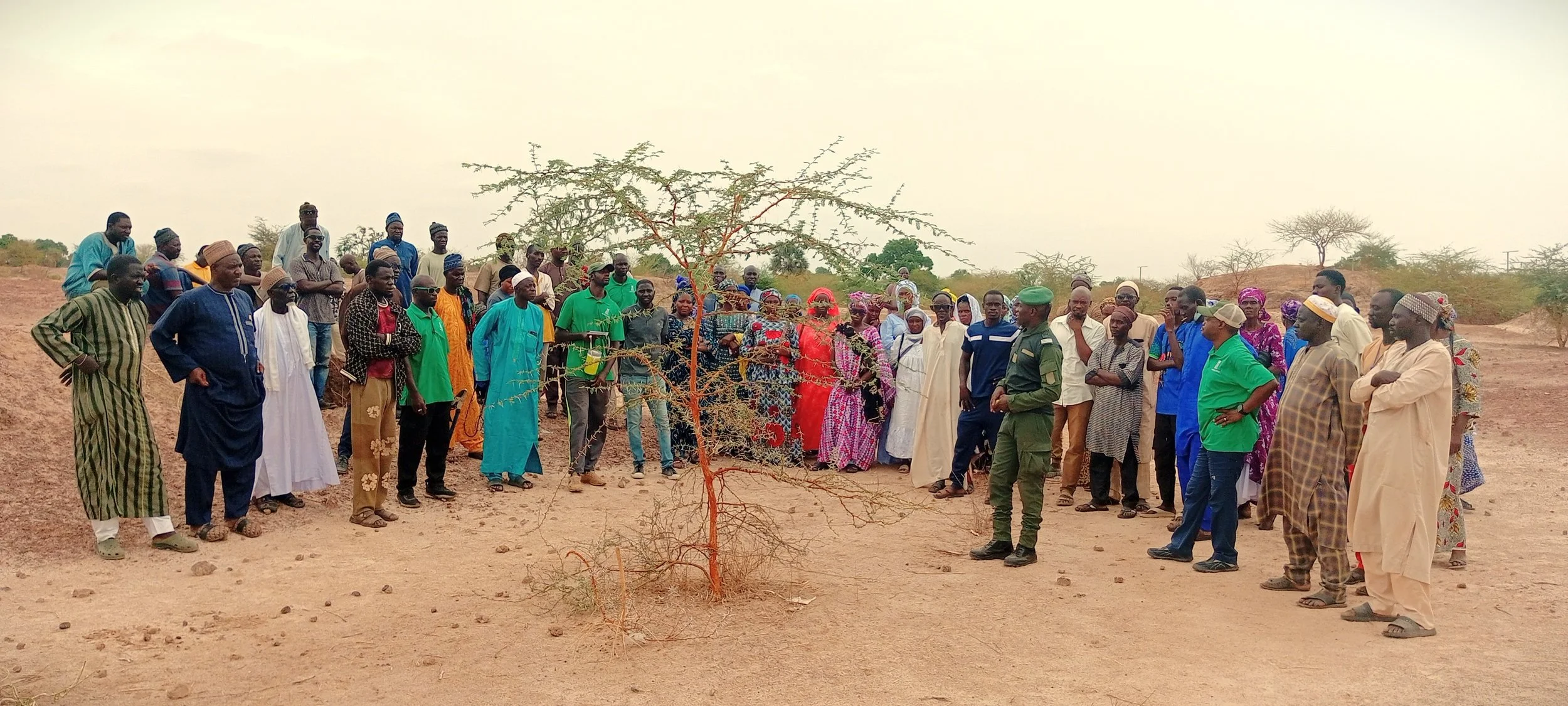
Further north, in Senobowal, the recent completion of the deep borehole well is unlocking a wave of possibilities. Women and children can remain home rather than migrating with cattle, which means kids can stay in school. We’re now able to move forward with a women’s garden there as well, along with a village woodlot and massive reforestation initiative. Thousands of trees will provide food, shade, and restored soil, helping this remote community on the edge of the Sahara to confront the worsening effects of climate change.

Before: Students at Ndiedieng Primary School sat four to a desk but with their new classrooms on the way this will soon be a thing of the past!

After: The new classrooms in Ndiédieng, along with bathrooms and water taps, are well on their way to being completed before school starts. These new additions will ease overcrowding and give every student a safe, supportive place to learn.

And in education, two major projects are nearly complete. The new classrooms at Ndiédieng Primary School and Guédé Village High School are on track to open before the school year begins, creating safe and inspiring spaces for students to learn and thrive.

None of this would have been possible without your support. Together we are saying yes to communities who are working tirelessly to build a better future for their children and the world around them.


Enjoy live music & a true taste of Senegal with a dinner designed with Senegalese celebrity chef, Pierre Thiam!

Can’t make it in-person? That’s OK! You can still participate ONLINE!

Beyond the Harvest: Women Are Building Lasting Prosperity

A woman from Wouro Madiw displays the dried moringa powder and peas she now sells at the market.

It’s easy to see the physical transformation a garden brings. Dusty, barren fields quickly become verdant oases overflowing with vegetables and fruit trees. What’s harder to see from afar are the quieter revolutions taking place inside participating villages. Beyond the fences, these gardens are reshaping local economies, creating prosperity that reaches far beyond the harvest.

This year, that transformation has reached a new high. Together, Andando’s partner women’s gardens have built collective savings of $60,953! That’s group savings in addition to the individual profits earned by garden members. In rural Senegal, where access to capital is scarce, this is extraordinary! In the hands of women who have long been excluded from financial decision-making, it is unprecedented.

The women of Wouro Madiw have surpassed their goal, saving more than twice the target amount, with an impressive $4,280 now in their account.

These reserves mean the gardens can manage their own year-to-year operations and repairs without waiting for outside assistance. They also open the door to new opportunities. Some cooperatives are now transforming their harvests into dried or preserved products that command higher prices. Others have launched microfinance associations, lending from their savings so members can start businesses or cover urgent expenses. What began as a source of food security has become a platform for growing women’s leadership, innovation, and resilience in each community.

The president of the Keur Pathe Malick cooperative signs the 50/50 cost sharing agreement after reaching the savings goal.

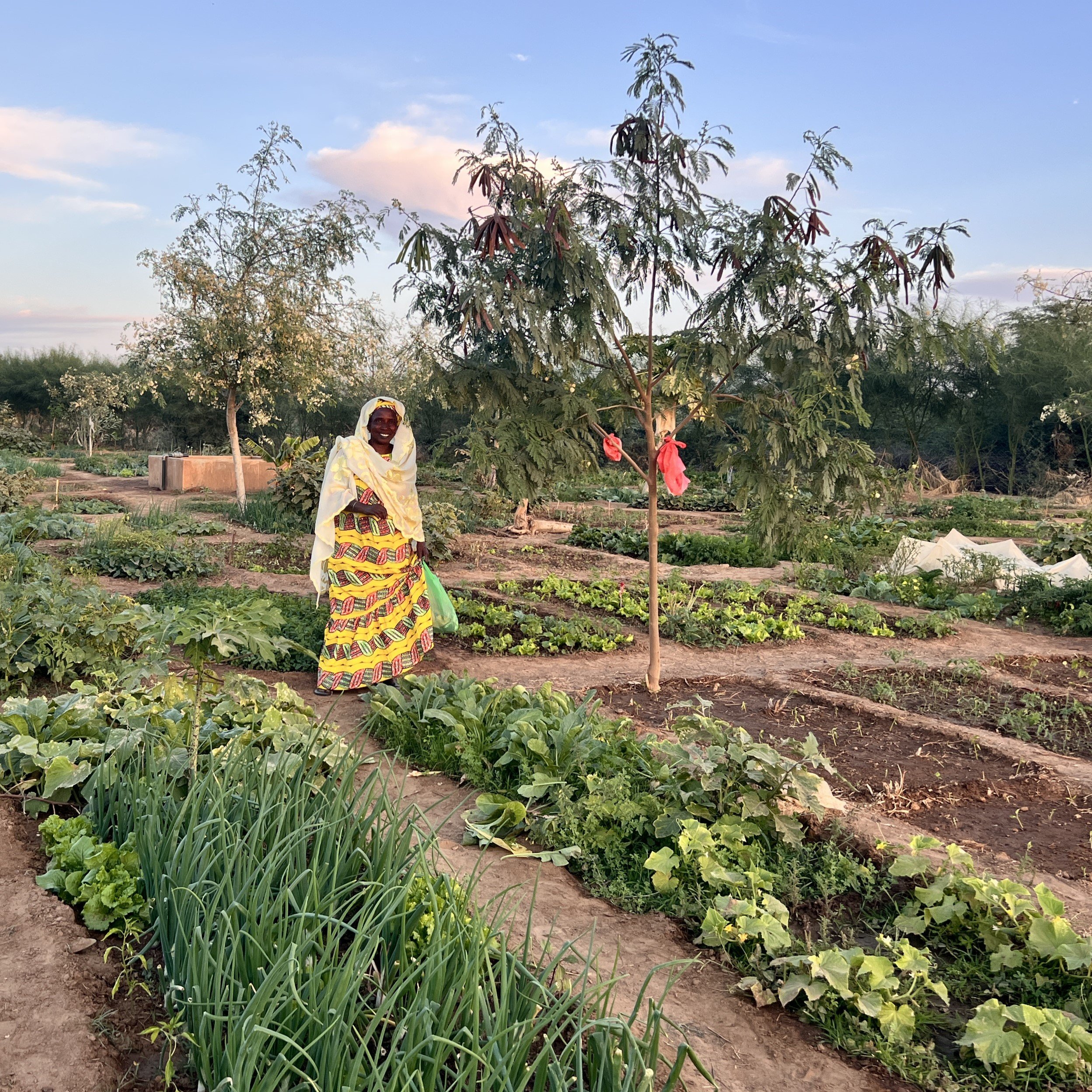
When Ndiawara’s pump failed last year, the cooperative’s savings allowed them to replace it immediately and keep the garden running.

In the harsh environment of the Sahel, setbacks are inevitable.

What’s different now is that these women are prepared. With savings in hand and strong cooperatives to lead the way, they are shifting the future of their villages, making these gardens, and women’s leadership, a permanent part of each community.

Sare Diouma’s cooperative reached their savings goal earlier this year, making them eligible to expand their garden with aquaculture basins.

Loans, Trees, and the Power to Stay

This summer Andando distributed our annual allotment of nearly 200 microloans to farmers in the Keur Soce region. Year after year, this program quietly multiplies its impact, with the same funds reloaned repeatedly to help families make the most of Senegal’s short rainy season.

Take the Village Chief of Sama Toucouleur, Mr. Hamath Ka, for example:

With his loan, Mr. Ka purchased a seeder and plow, allowing him to plant on time instead of waiting to borrow equipment.

Before joining this project, every year I would take my seeds and my horse, and I would go to the fields to wait for those who had finished plowing to lend us their equipment. Now people borrow these things from me.
— Hamath Ka, Village Chief of Sama Toucouleur & Microloan Recipient

Having the right equipment means farmers can react quickly when the rains arrive, ensuring stronger harvests. Yet changing rainfall patterns make farming in the Sahel increasingly unpredictable.

Mr. Ka explains: “The harvest depends on the rain because sometimes it can be abundant, other times not. But with trees, it’s much more profitable.”

Across the region, farmers are planting trees alongside their field crops to naturally improve yields.

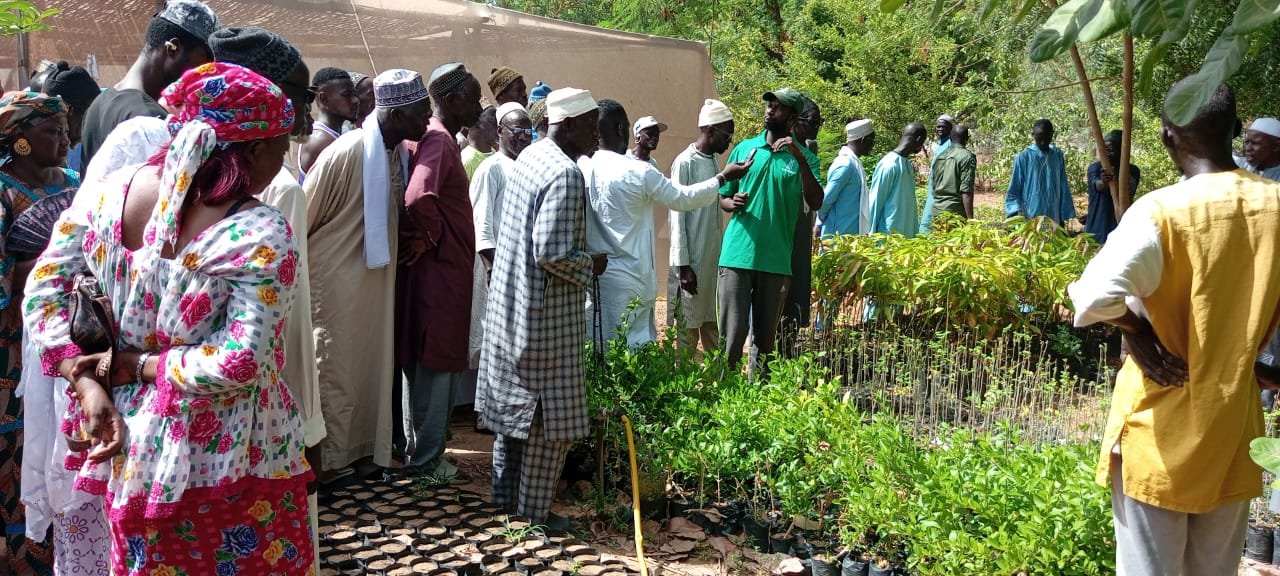
Andando’s programs are shaped by the voices of our partners, which is why we have expanded tree production over the past two years to respond to these needs.

This year’s microloan recipients received training in restoring their land by planting and protecting native trees.

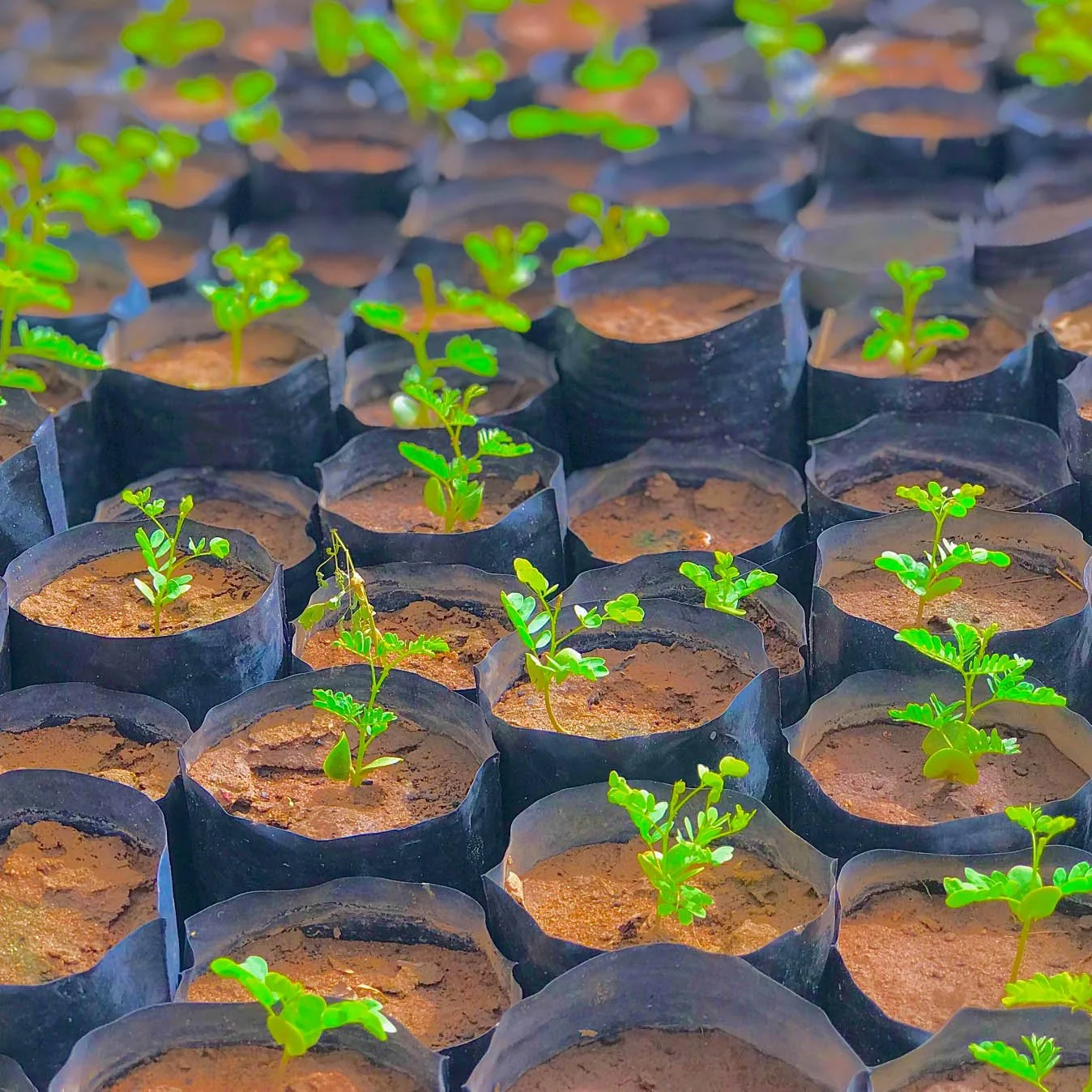
A farmer from Haffé, another loan recipient, tends his personal nursery of more than 1,000 trees started with Andando’s support.

Today, every microloan recipient also receives trees and training in Farmer Managed Natural Regeneration, helping to build long-term financial and ecological resilience, which reduces the pressure to migrate abroad. Mr. Ka is a passionate advocate for building a future for his children right here in Senegal.

Mr. Ka dreams of the day when he can fill his fields with trees so they will be as green year-round as the Sama Toucouleur Women’s Garden.

If we protect our fields together with trees, we won’t need to go to Europe to find wealth because we already have it here. The wealth is here, the land is here. All we need is access to water and to protect our fields, and everything will be fine. That’s why I would like help to have a field full of trees, so my family and I can work together.
— Hamath Ka, Village Chief of Sama Toucouleur & Microloan Recipient

Bathroom Rennovation at Guede Village High School

Just a few of the students and teachers at Guede Village High School who are benefiting from recent bathroom renovations.

726 students at Guede Village High School are enjoying brand new bathrooms thanks to a renovation project funded by Altrusa International of Albany, Oregon, Altrusa International of Pendleton, Oregon, Altrusa International Foundation, Inc., and other Andando Donors!

School administrators alerted us to the need to repair two dilapidated bathroom facilities that were non-functioning, which contributed to high absenteeism among students, especially young girls.

Before: The bathrooms were non-functioning, but fortunately, they had solid construction so they could be renovated.

After completely renovating the restrooms, replacing the roof, and applying a fresh coat of paint, students can now use restrooms at school rather than having to go home or elsewhere for their needs.

Before: Much of the interior of the bathrooms needed repair or replacement.

After renovations, a new roof, and a fresh coat of paint, the bathrooms are ready for students to use.

Thankfully, the bathrooms had solid construction so contractors could renovate the existing structure. They evaluated what could be repaired and what needed to be completely replaced. Any broken toilets, light fixtures, or plumbing was replaced. The existing roofs were removed and replaced with brand new metal roofs with an updated design, and both of the buildings got a fresh, bright coat of paint. Access to sanitary bathrooms has a huge impact on students' quality of life and can help increase student attendance and enrollment.

Racky, Student and Communication Officer for the school government

“Thank you for coming to our school and providing assistance, especially with the restrooms. We really needed that because students were leaving the school to go outside to use the bathroom. And it was really risky with the road that crosses the school, the coming and going. It was very risky.

We are truly grateful for your presence. Your hard work and dedication have made a significant impact on us. We are really happy and from the bottom of our hearts, we want our school to be the best of all schools.”

With improved learning facilities, students are happier, healthier, and better equipped for success. Already since the renovation of the bathrooms, student enrollment has increased from 632 to 726! Students and teachers are incredibly grateful for their new bathrooms.

Abdou, Student at Guede Village High School who dreams of becoming a lawyer

“We truly commend you for your support and commitment to ensuring that students learn and have a better future. We want to thank you for the support you've given for the toilets, and the commitment you showed, it warms our hearts for the future, it will make a difference. We are doing our best and thank you.”

Guédé Village High School is strategically located as it serves some of the poorest, most remote villages in the region. It is a vital community resource and bridge for students to overcome intergenerational cycles of poverty. The Ministry of Education has identified Guédé Village High School as a priority because of its role in the holistic development of the region. Renovating the bathrooms is just the first of many substantial infrastructure upgrades they hope to complete over the next two years, including building seven new classrooms, a computer lab, an aquaculture integrated STEM Teaching Garden, and physical education infrastructure and equipment.

Mr. Watt, Principal of Guede Village High School

“Senegal is part of the Global South, where there is underdevelopment and, although there is education, the rate is very low. It's true that efforts are being made, but it's not enough. When these partners come to help us, it positively impacts the quality of learning tools. So, we really thank all the partners who invest, and we call on them to do even more, because we are indeed going to start building more classrooms.”

You can support the students at Guede Village High School as they work hard to further their education and build a brighter future for themselves. Donate today!

From Barren to Bountiful in Just 6 Months!

Women from Haffé used to travel long distances to purchase vegetables to resell in their village.

Haffé is a small, remote village in Senegal’s Kaolack region, right in the heart of the “peanut basin.” For decades, peanuts have been the main cash crop here, but the relentless monocropping has left behind deforestation, depleted soils, and widespread poverty. It’s a tough place to start, but these are exactly the kinds of challenges where Andando’s community-led women’s permaculture gardens shine!

Back in February, over 200 women from Haffé planted their very first seedlings in their new four-acre Andando garden. For years they had tried to create a garden on their own, but without fencing or a solar pump system, the dream always slipped out of reach. The moment those barriers fell, it was as if the floodgates opened. Years of determination and vision burst forth, and the women dove in with extraordinary energy and ambition.

The garden site, originally a peanut field, had severely degraded soil and minimal tree cover.

The same field, just a few months later, is bursting with life and already beginning to heal.

And the results? Nothing short of incredible. By April, they were already harvesting lettuce and turnips. In May, they planted every single tree needed to create the full permaculture design (nearly 1,000 in total), building soil, protecting the land, and setting up the garden for long-term success. June brought green peppers, followed by tomatoes, eggplants, and hot peppers. Month after month, the harvests just kept coming.

By the end of July, this unstoppable group had harvested over 18,000 pounds of fresh organic produce and earned more than $8,600 in profits. Wow! Families now have vegetables on the table at every meal, women can pay school fees and buy medicine, and the village has the resources to overcome malnutrition.

We are so proud of these women. In just six months, they transformed barren land into a thriving, regenerative garden. And we’re proud of our staff too, who have refined garden establishment into such a science that we almost expect this kind of success now. Almost. It’s still thrilling every single time, and it makes us that much more excited to partner with the next community ready to take off.

Andando’s next women’s garden will take root in Senobowal, a village in northern Senegal on the edge of the Sahara Desert. Transforming this dry land into a thriving garden won’t be easy, but our team is ready for the challenge!

Watch the video below to see the progress that has already been made by getting water to families in Senobowal, and the next steps on the Women’s Garden that will feed the community.

Help us fund the garden construction my making a donation today, or signing up to be a monthly donor!