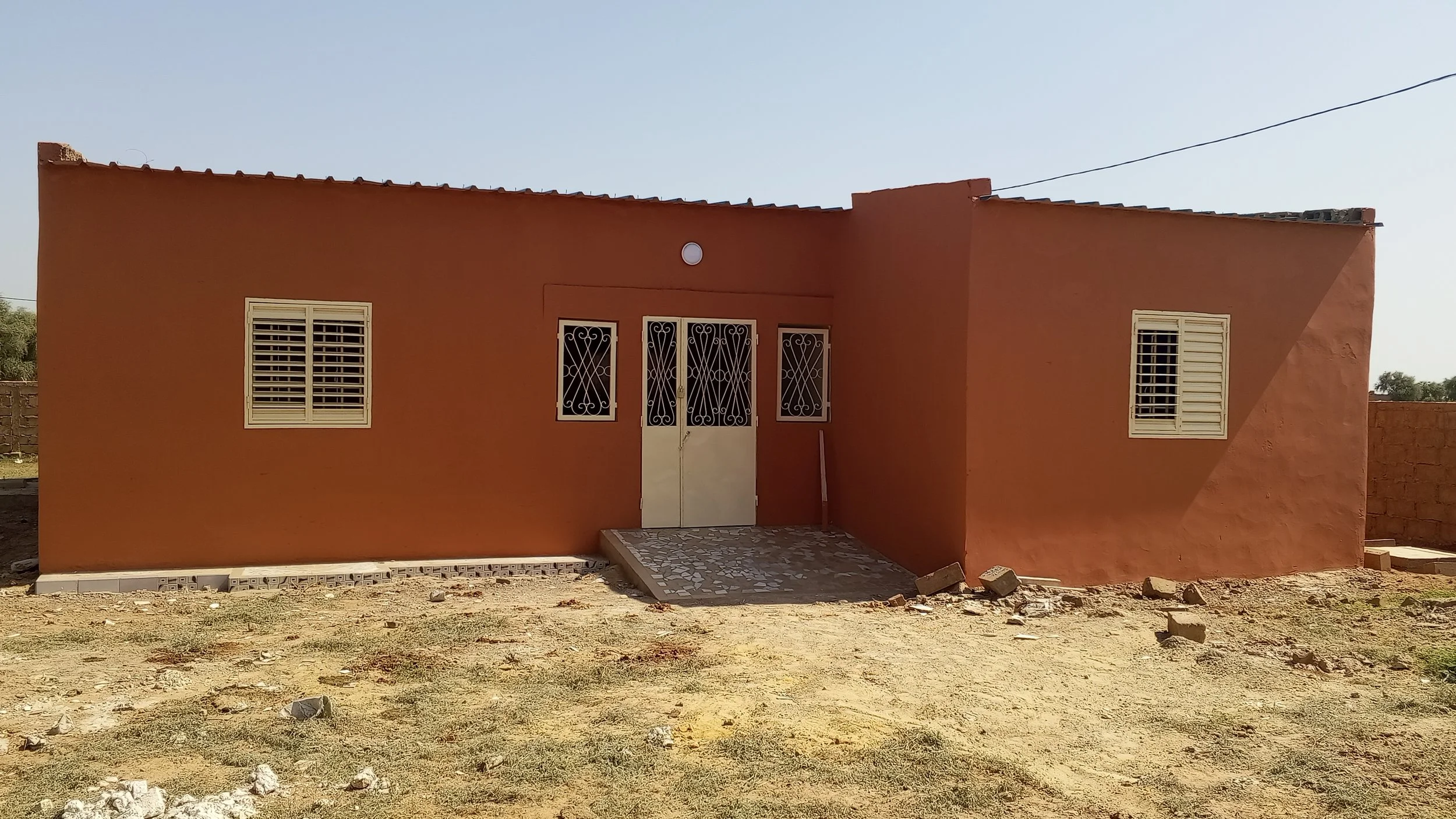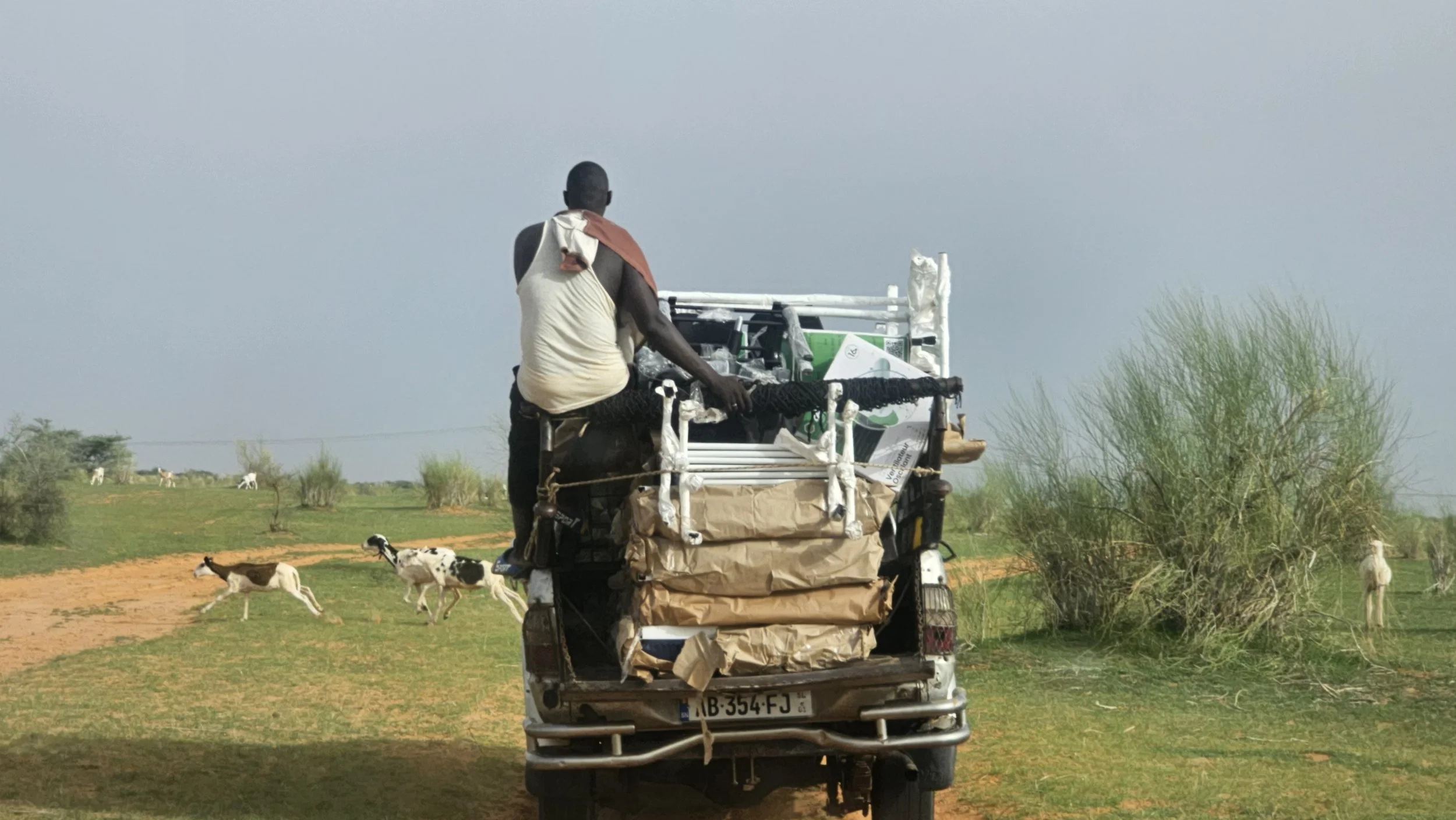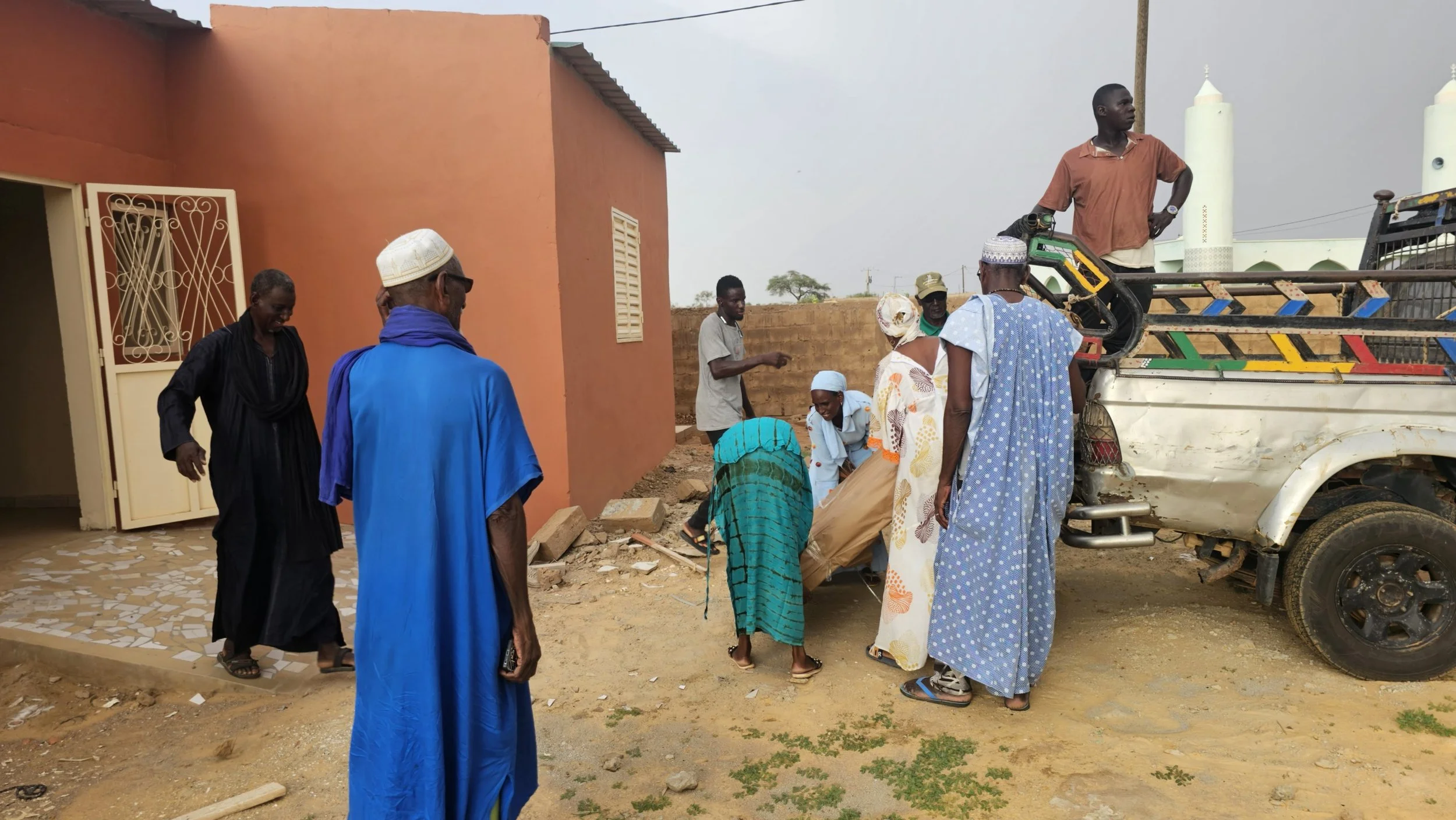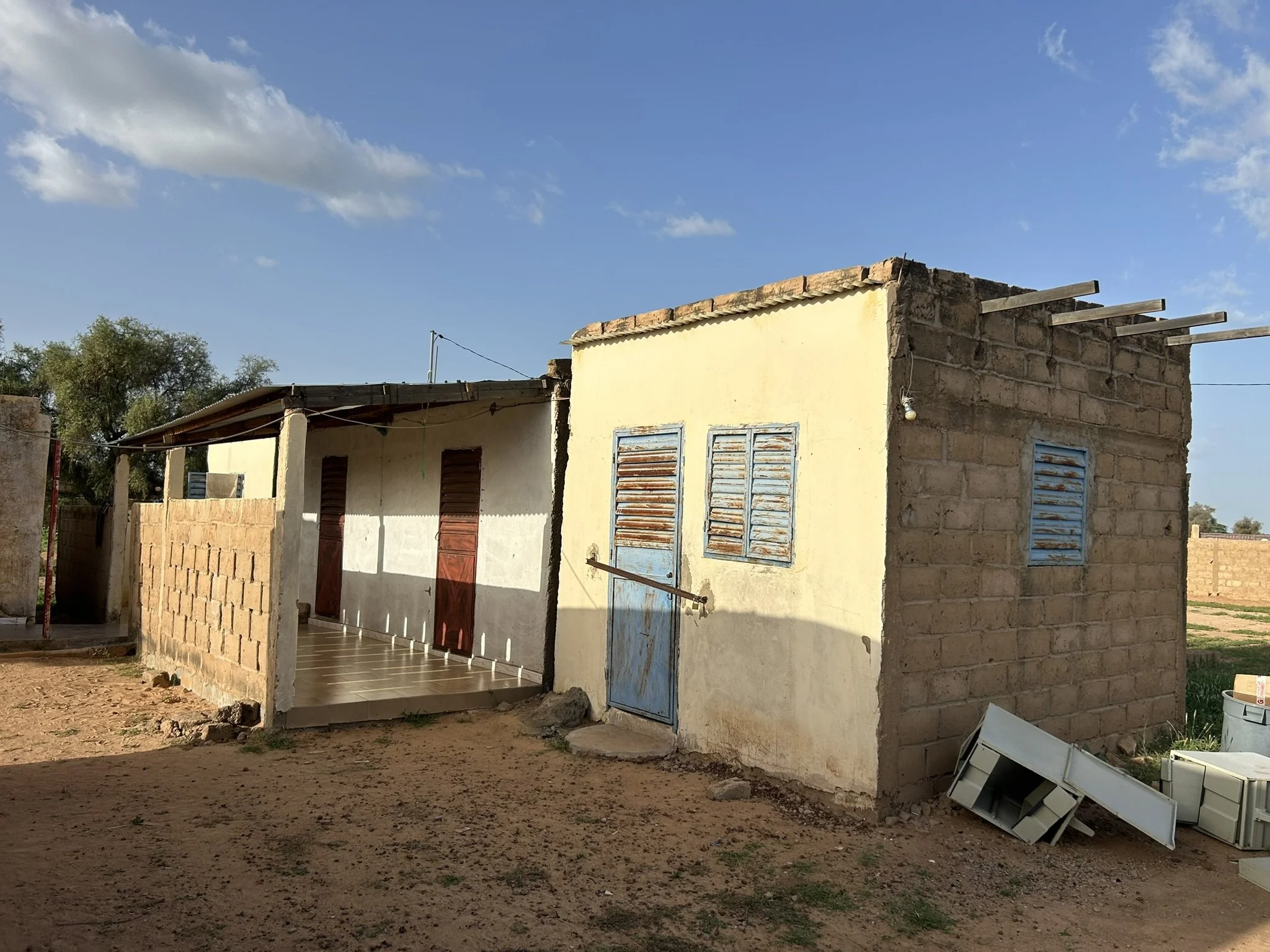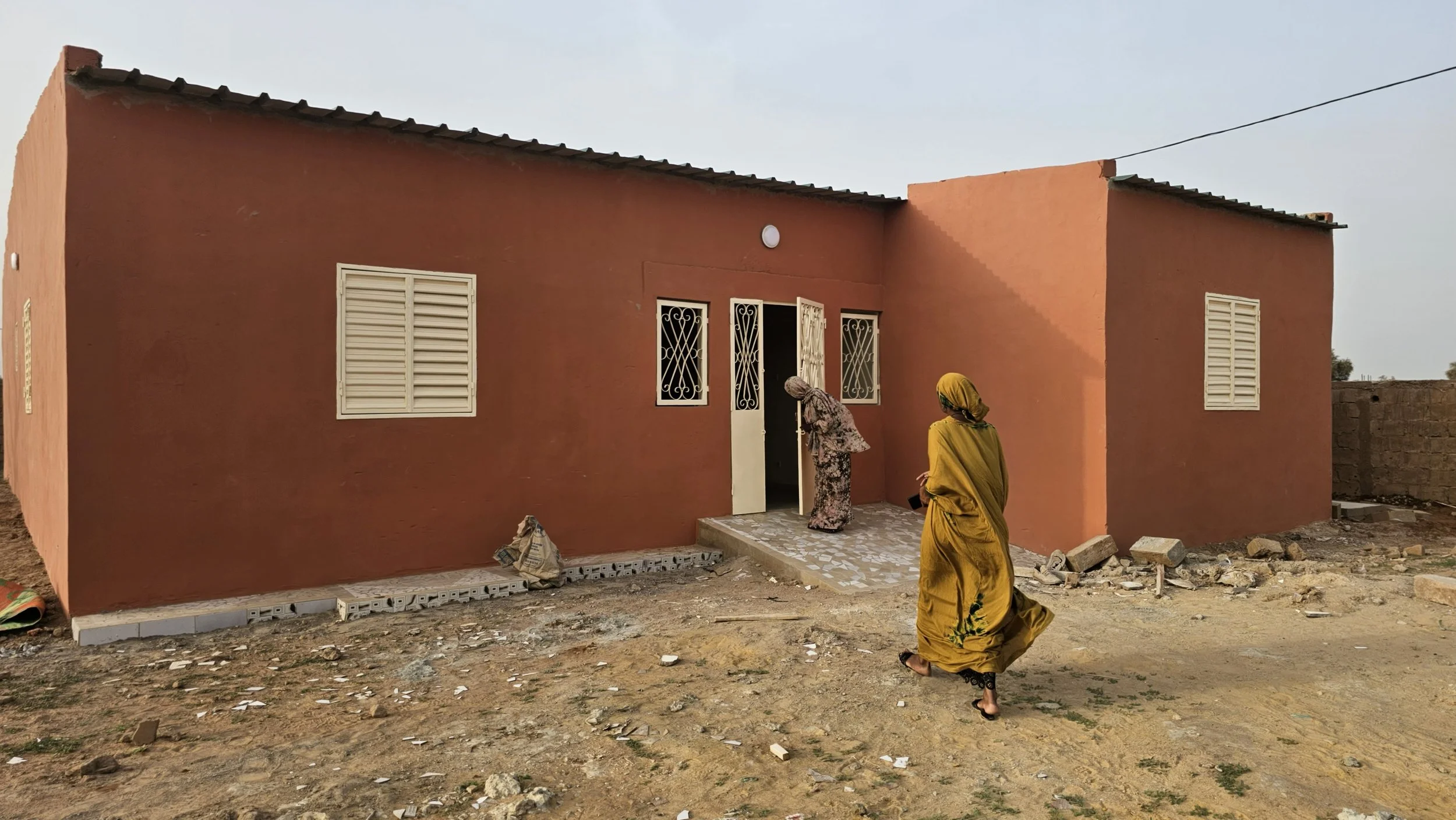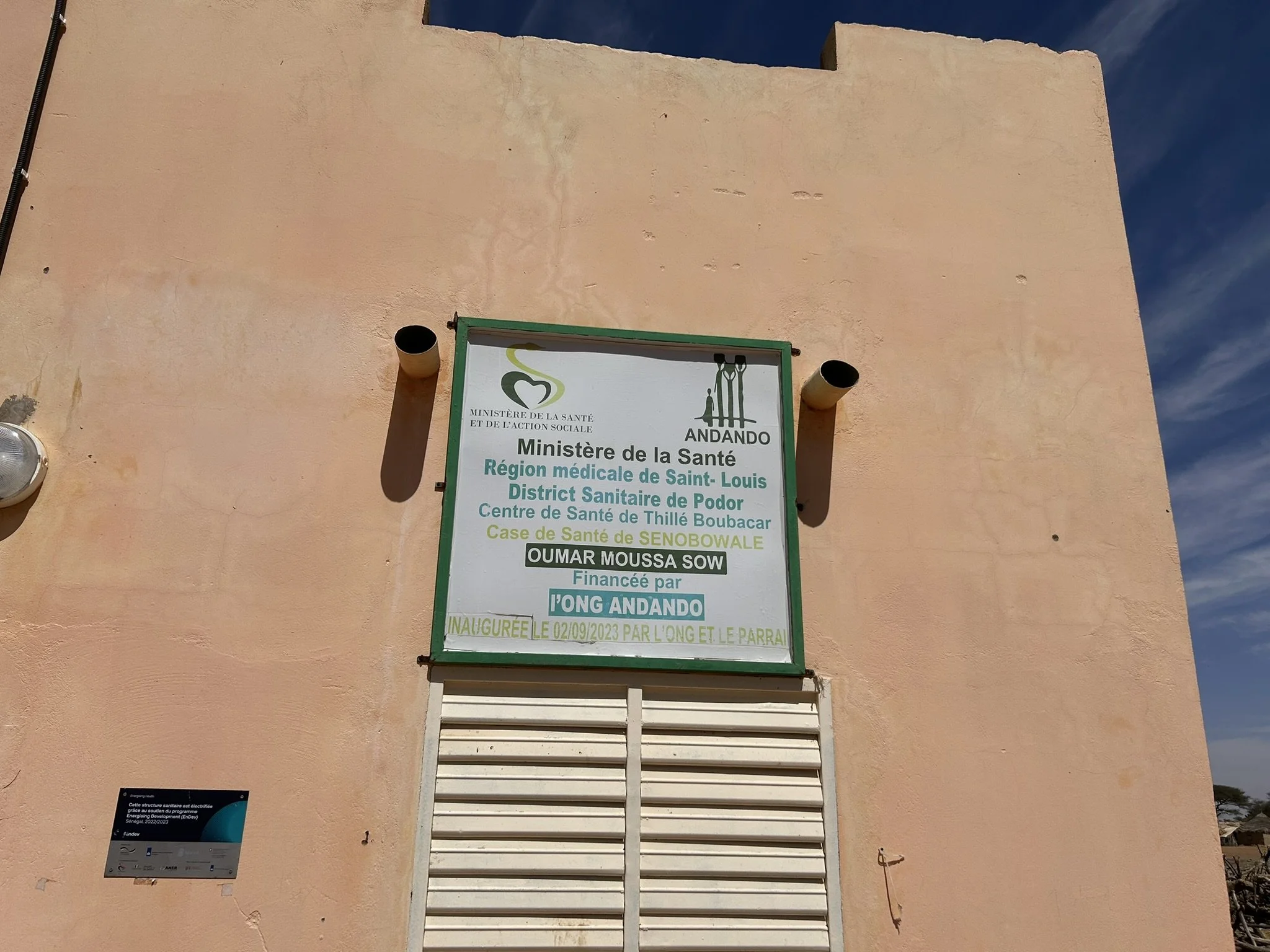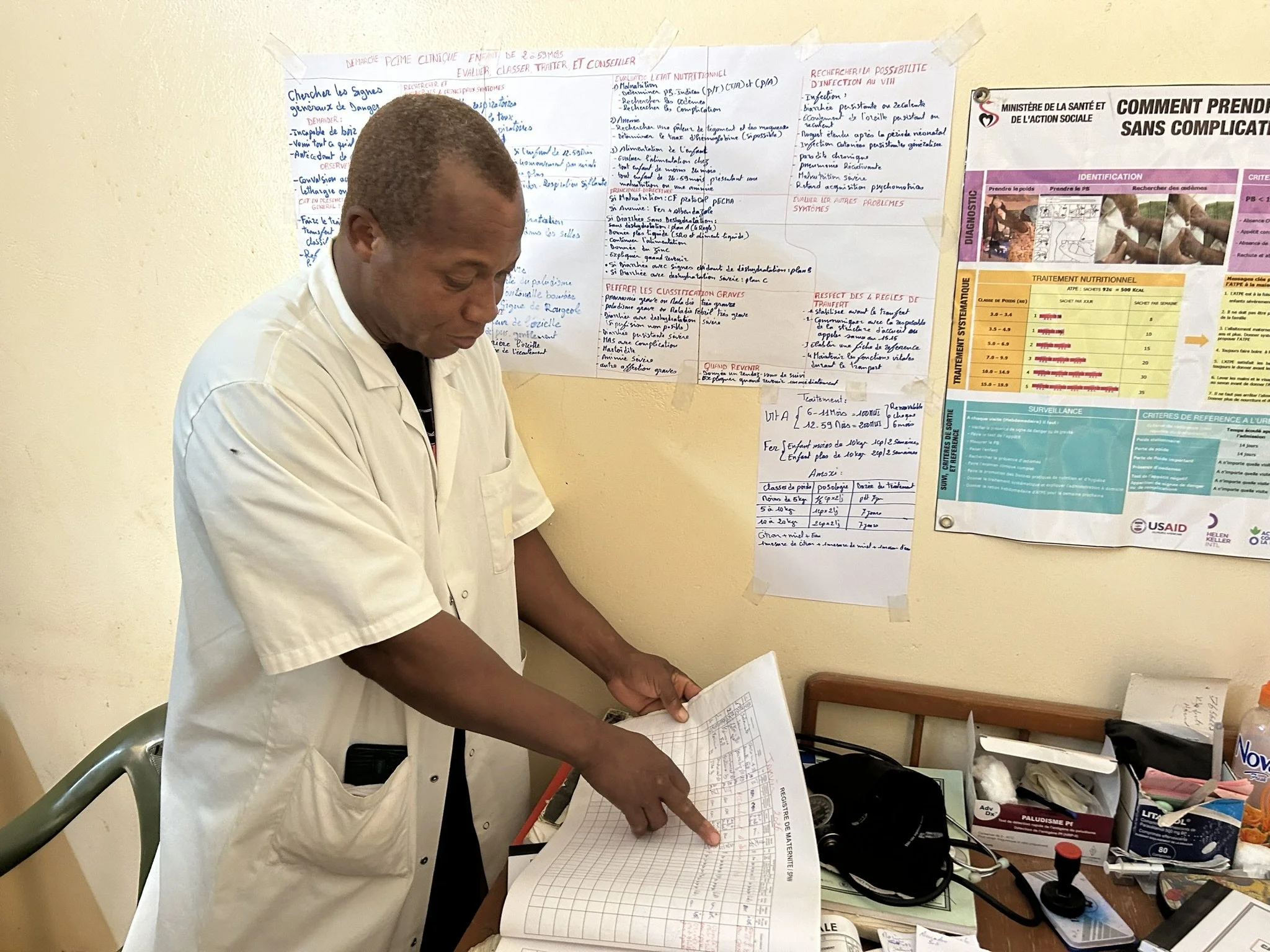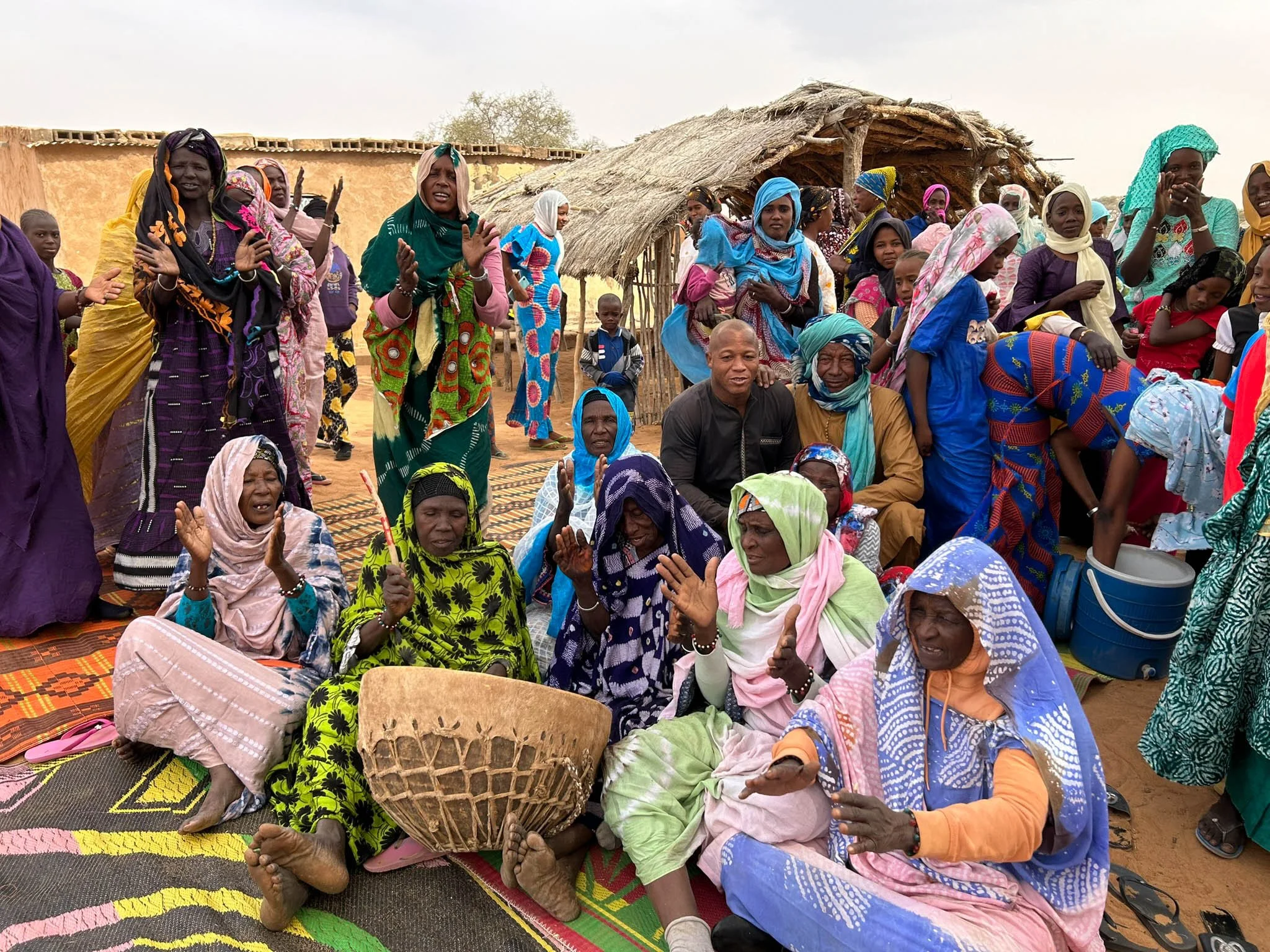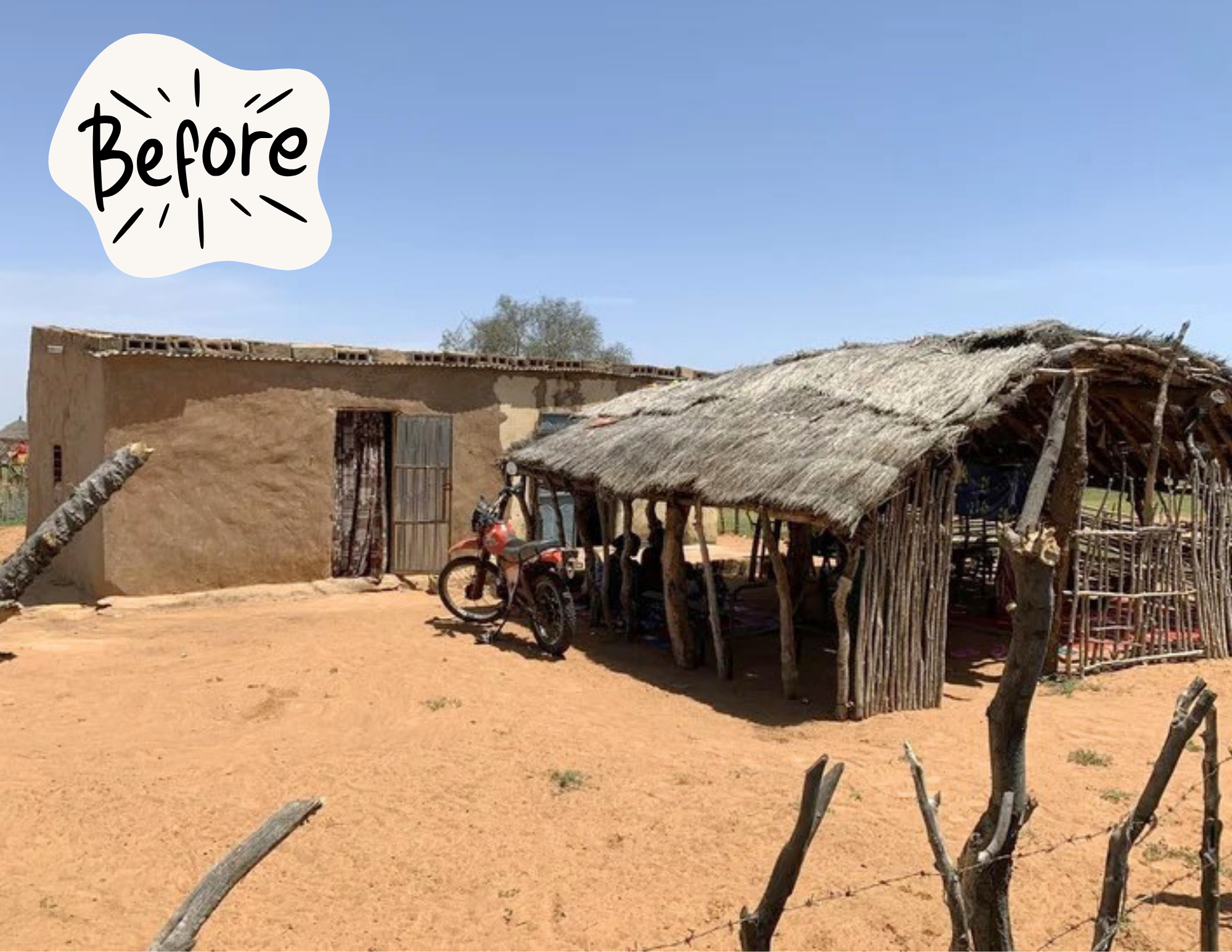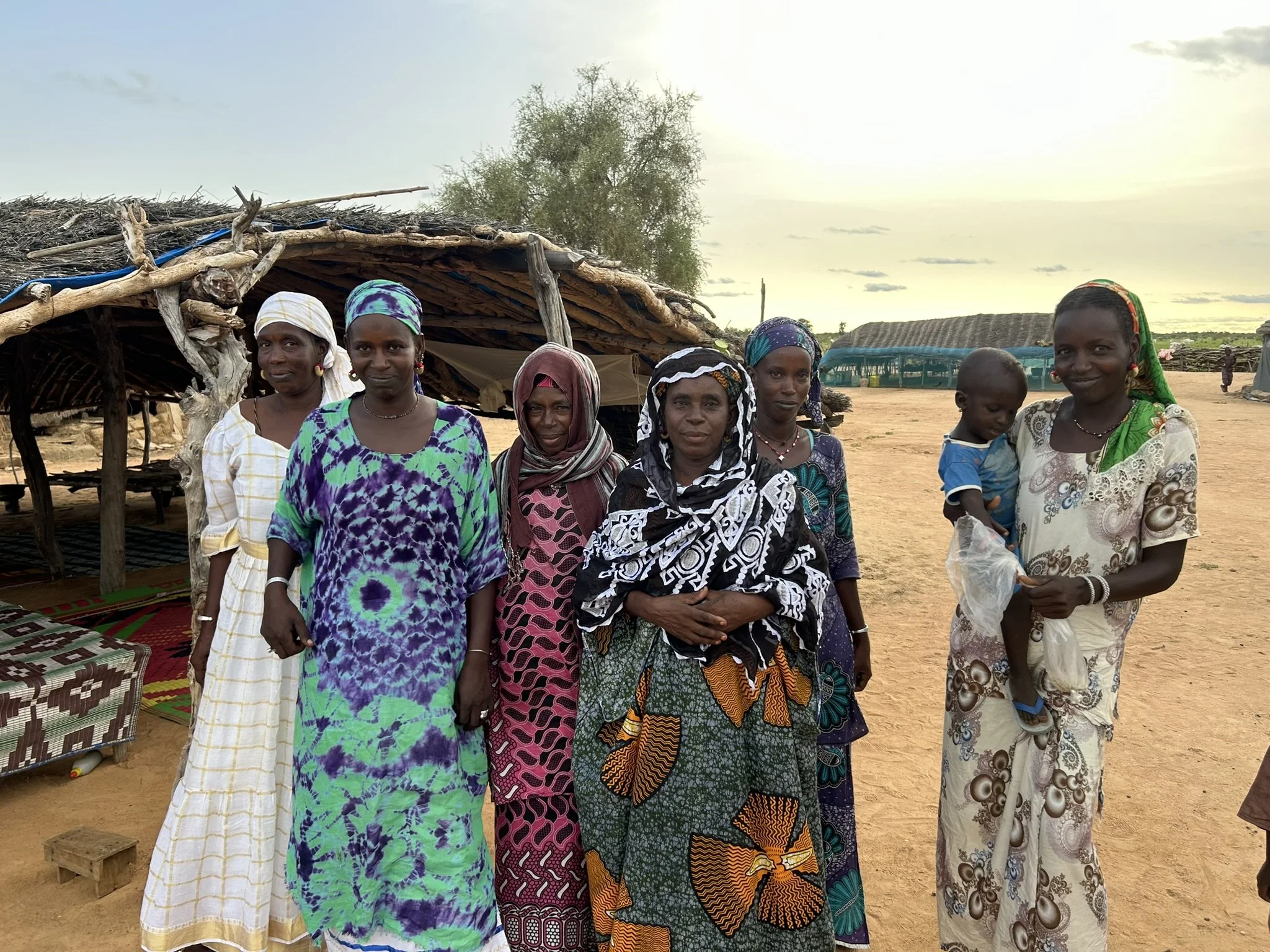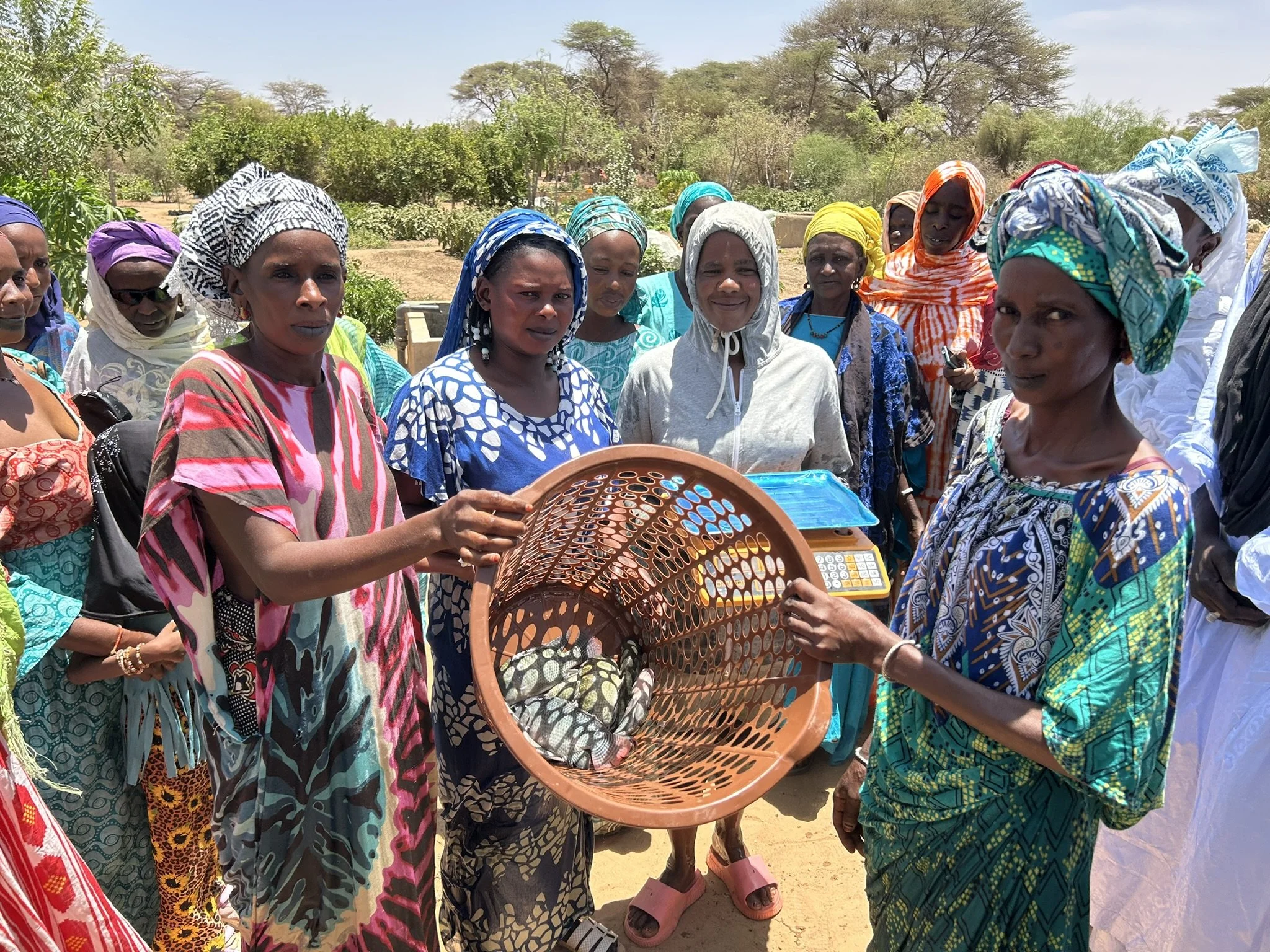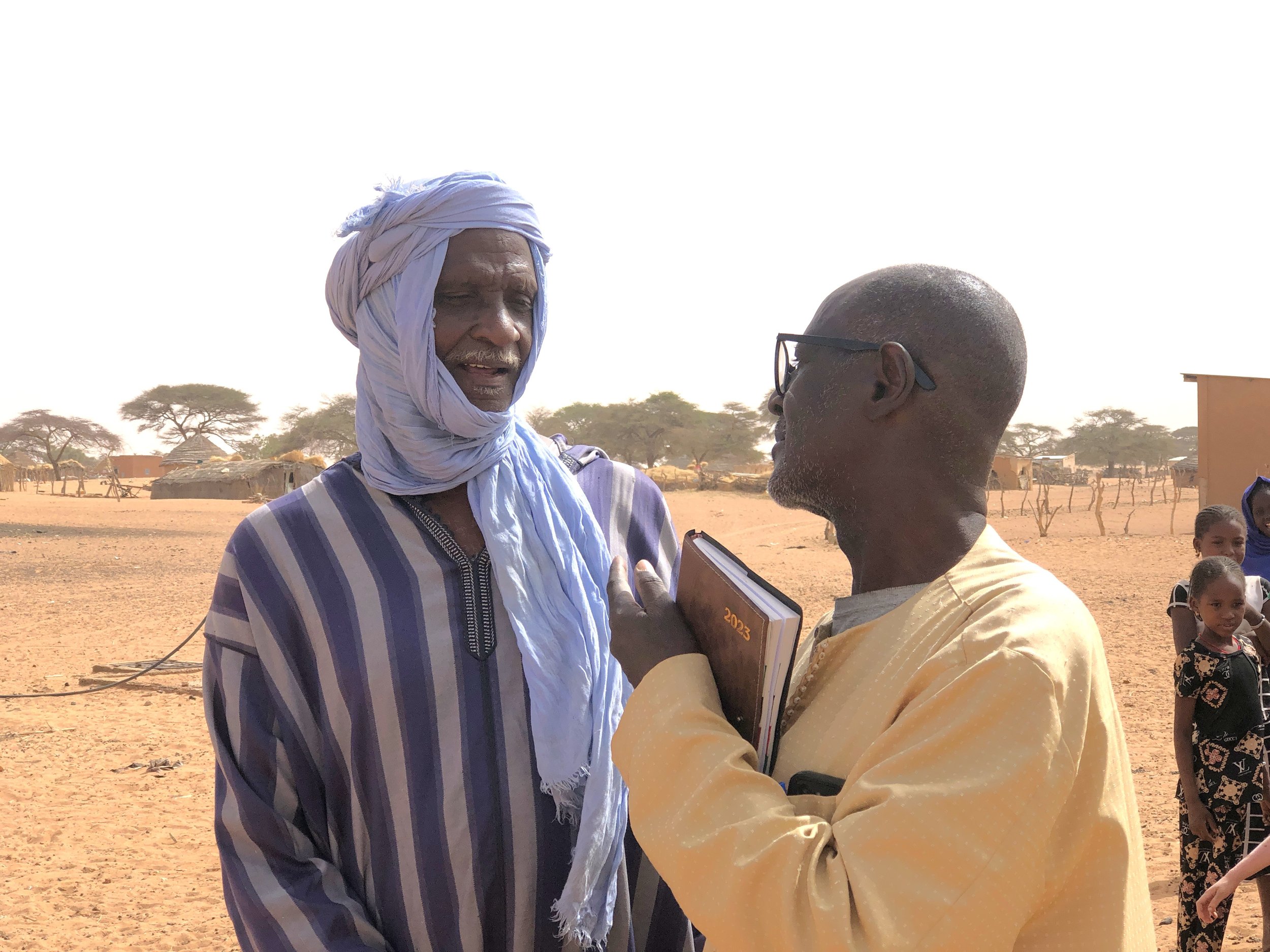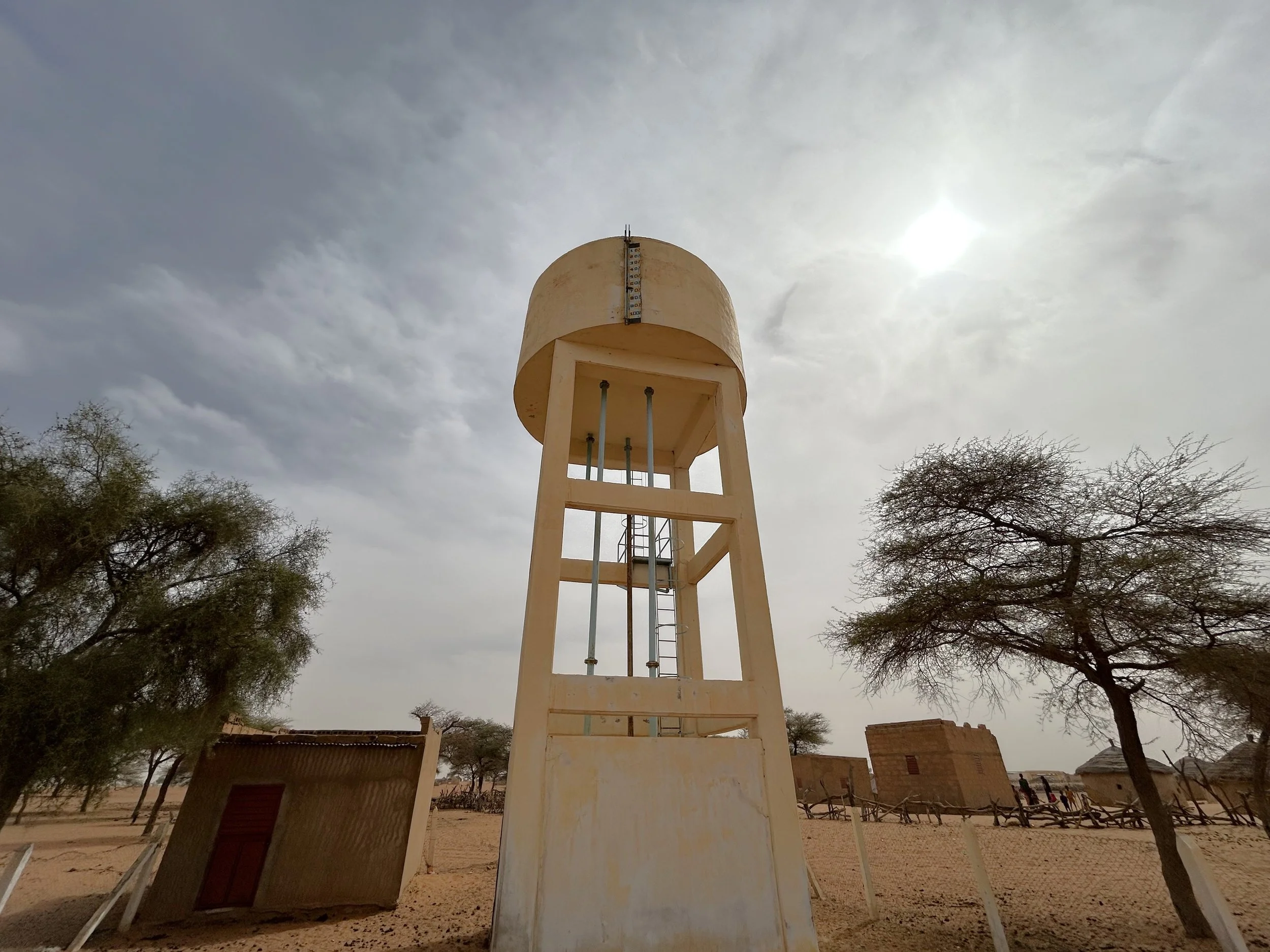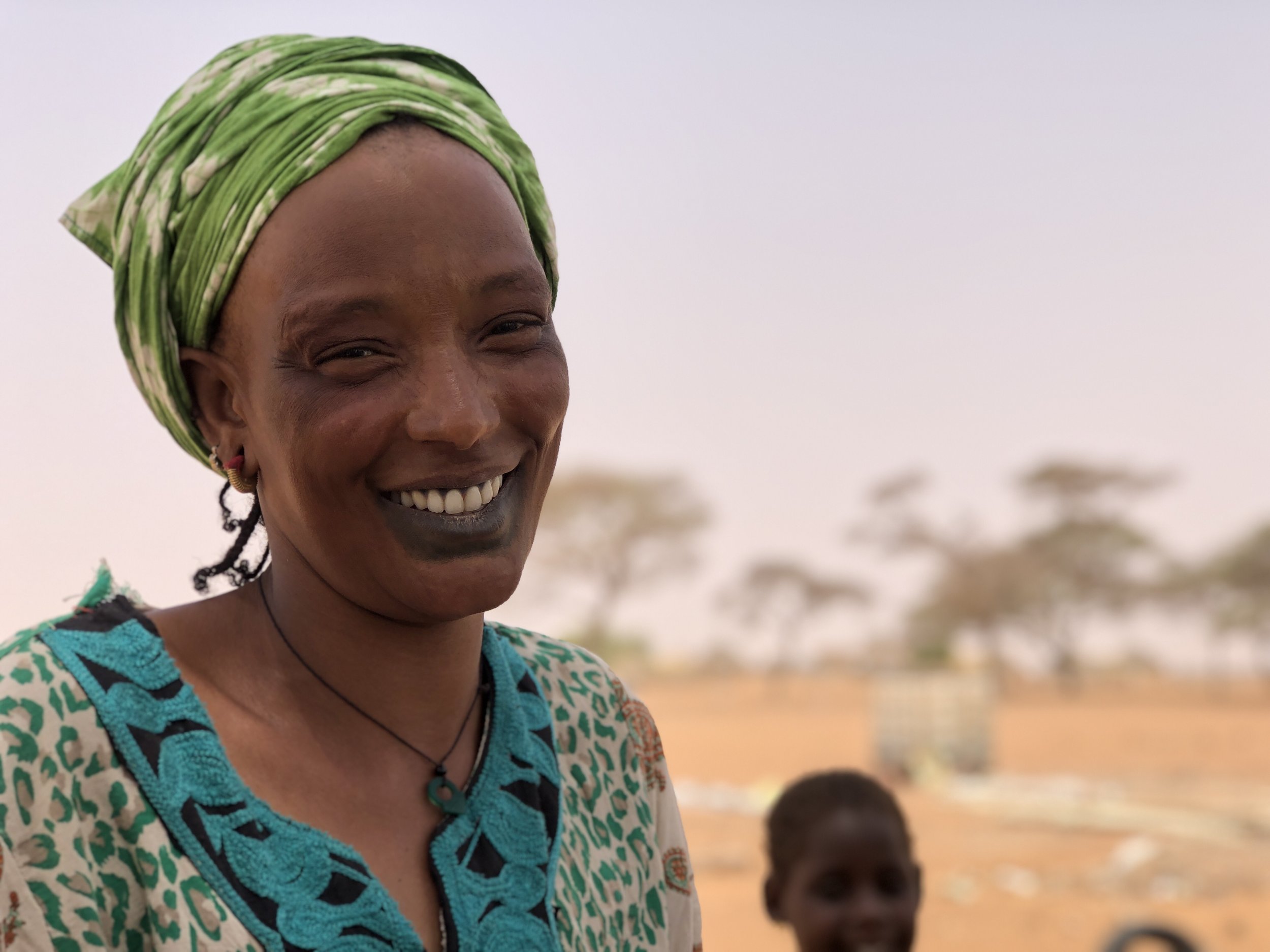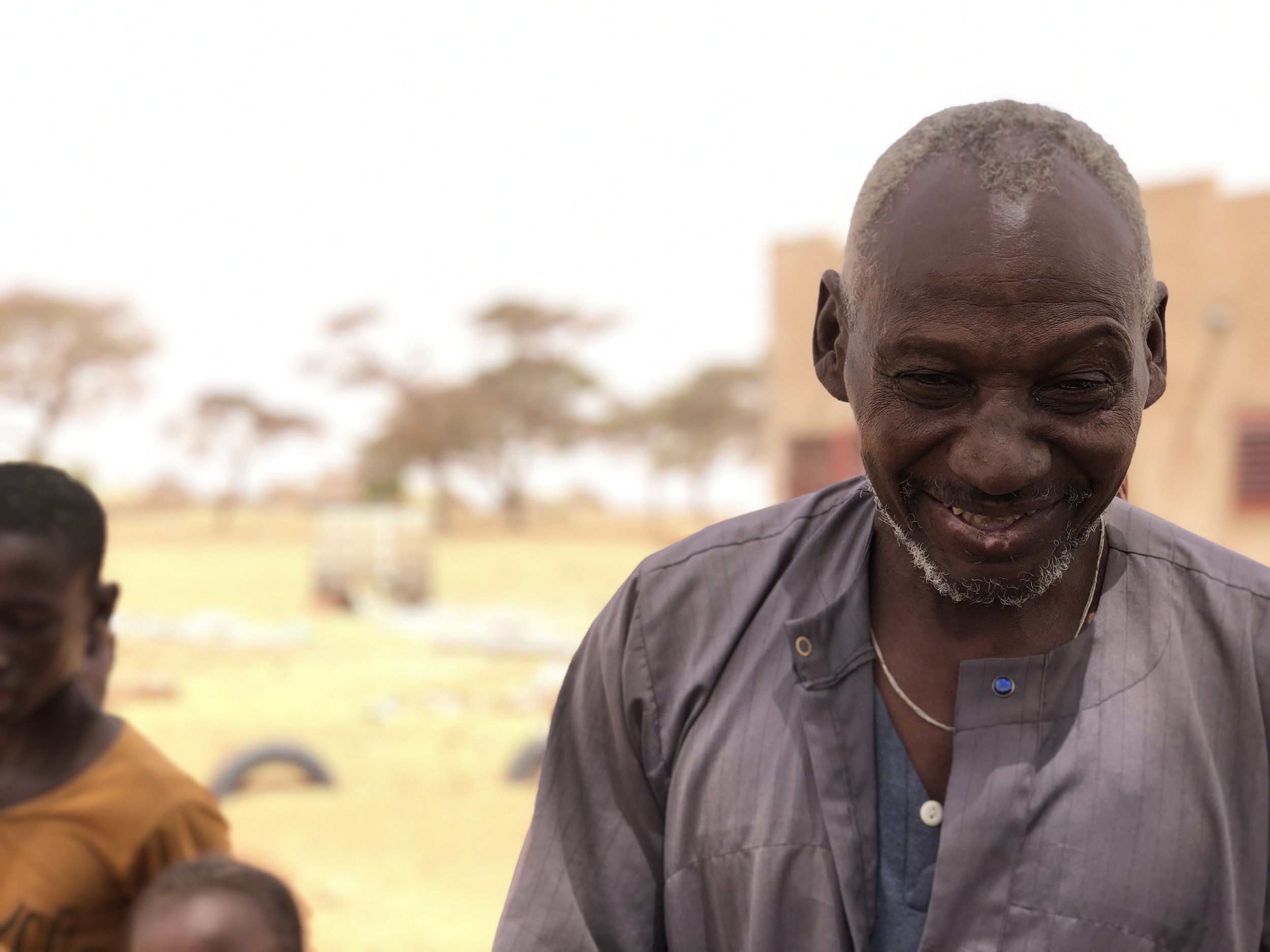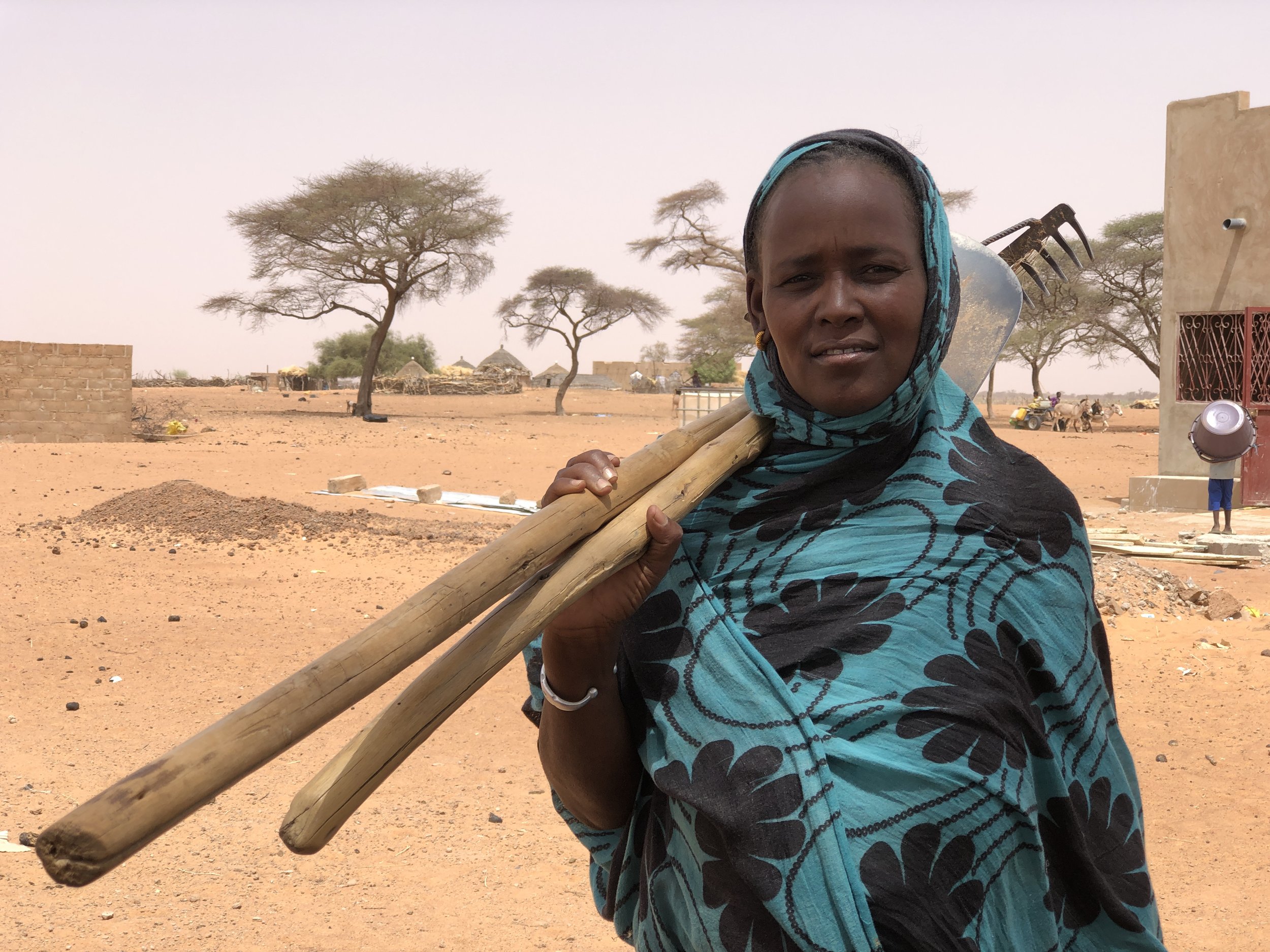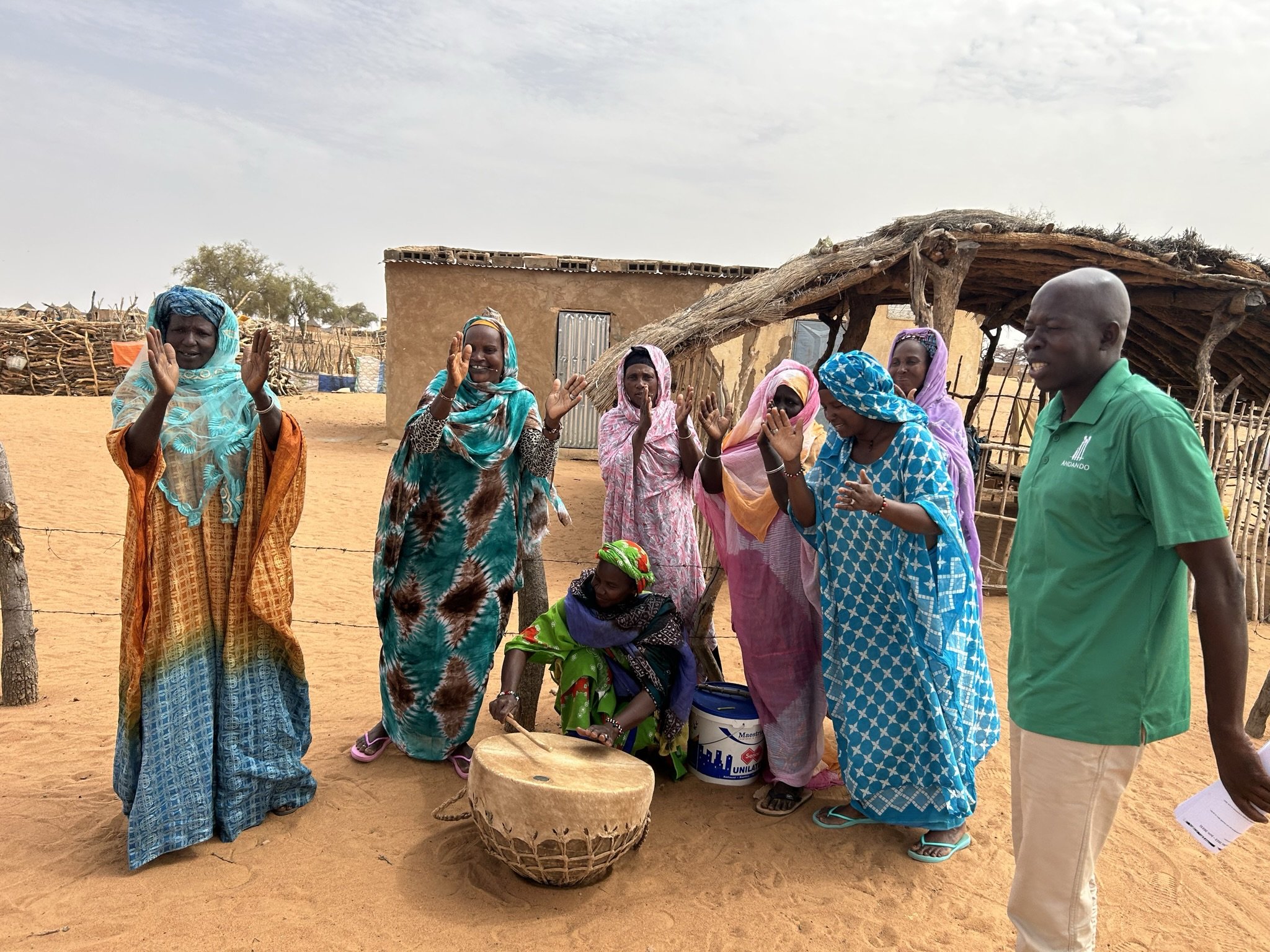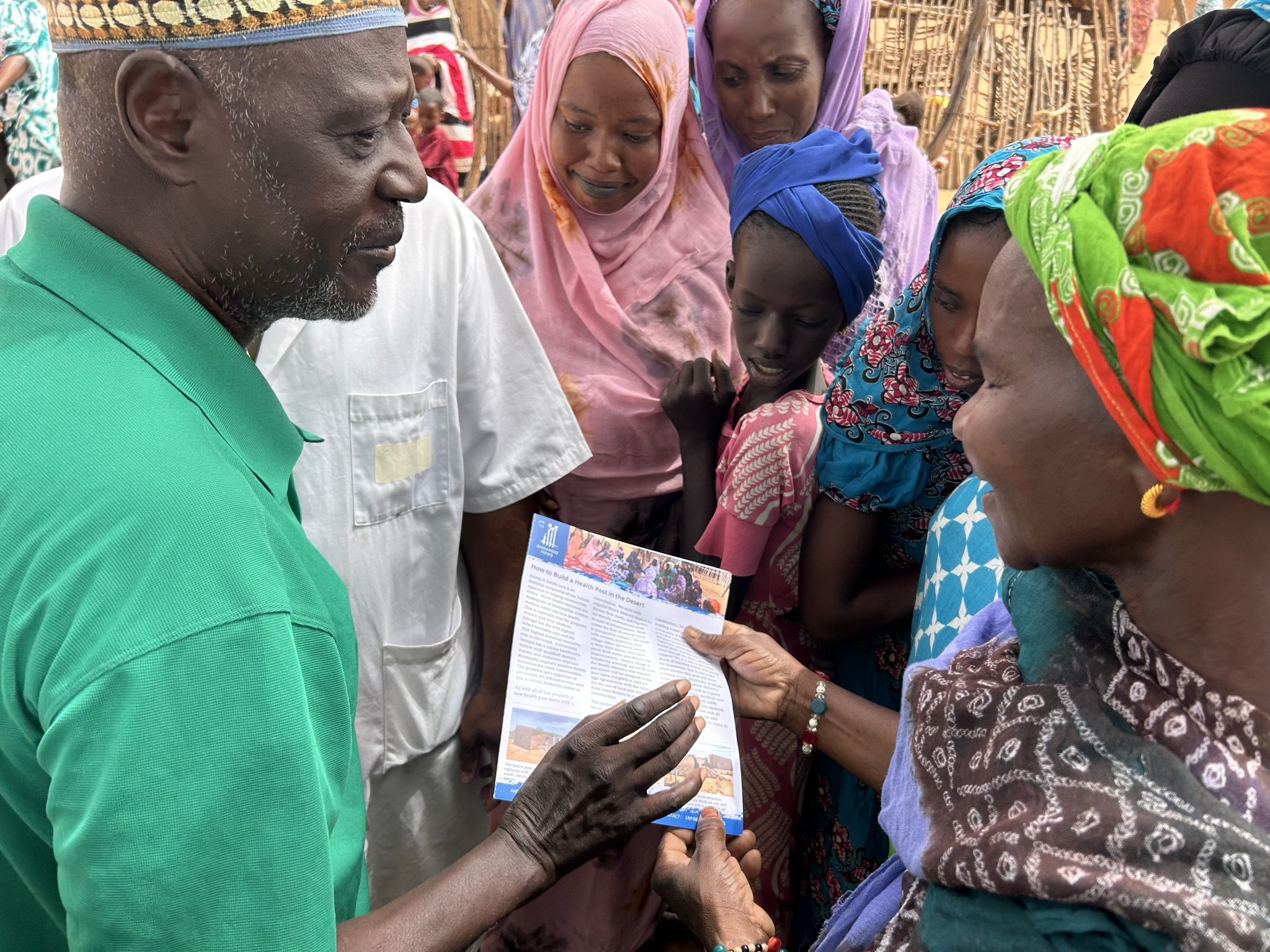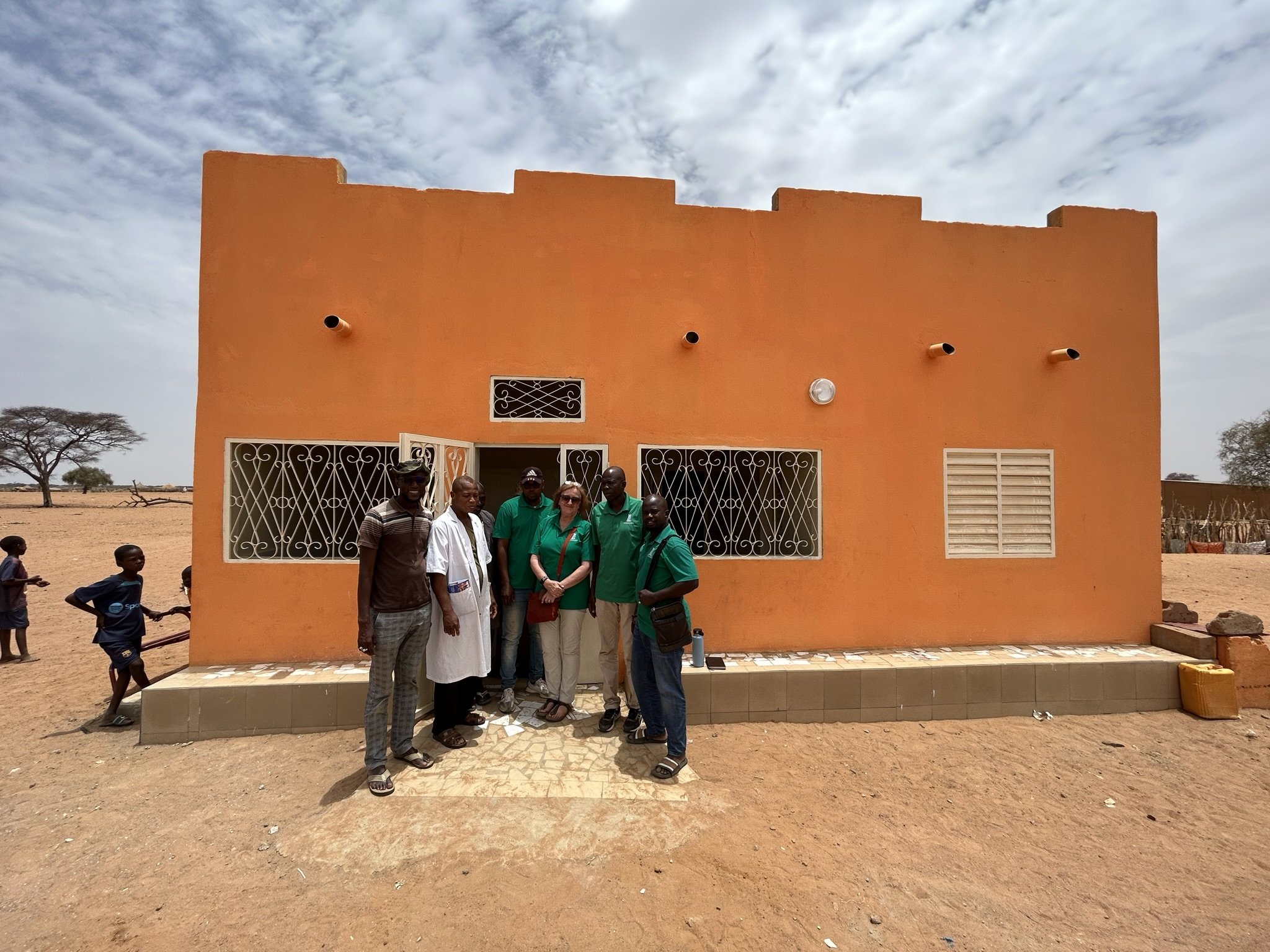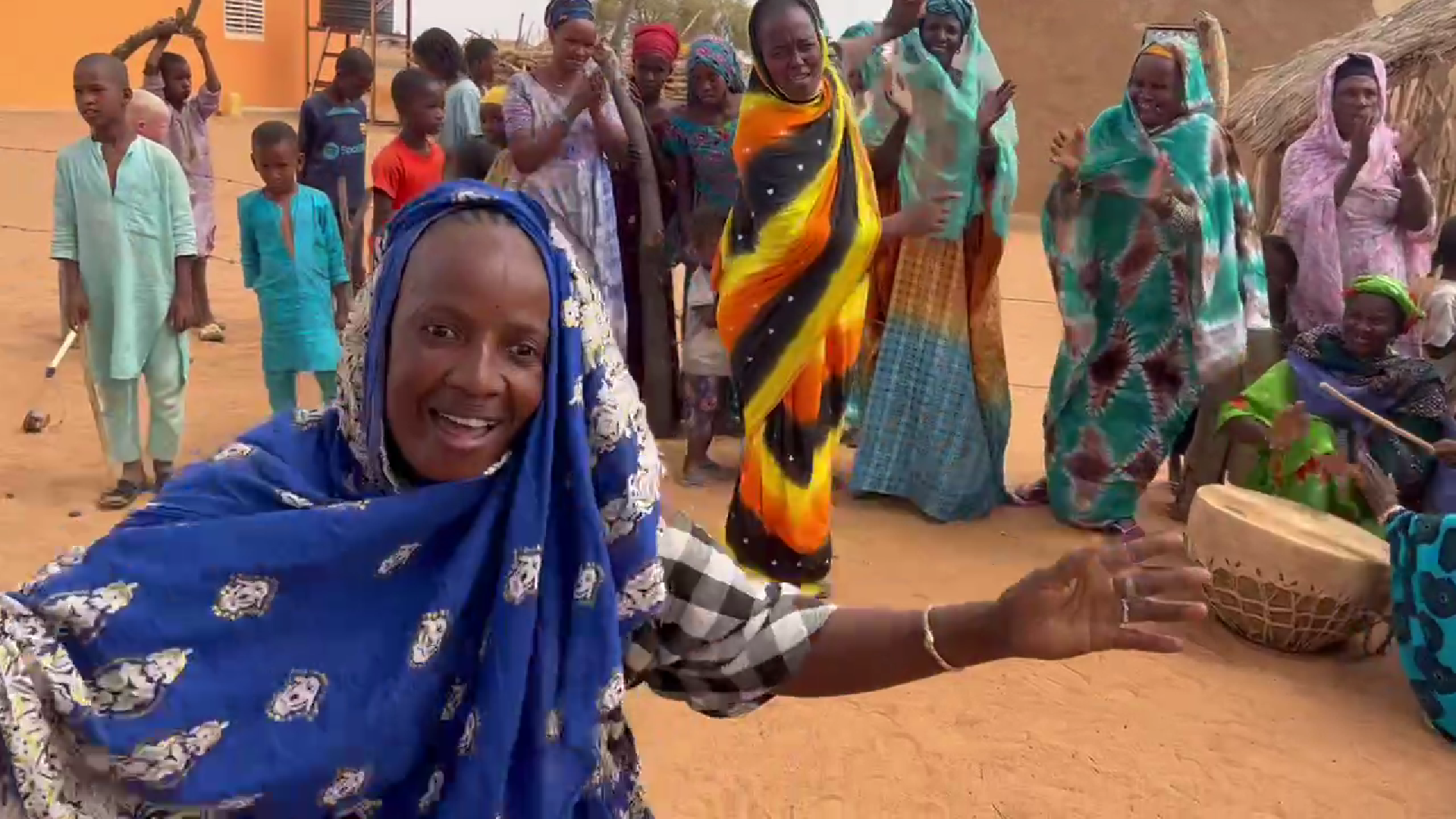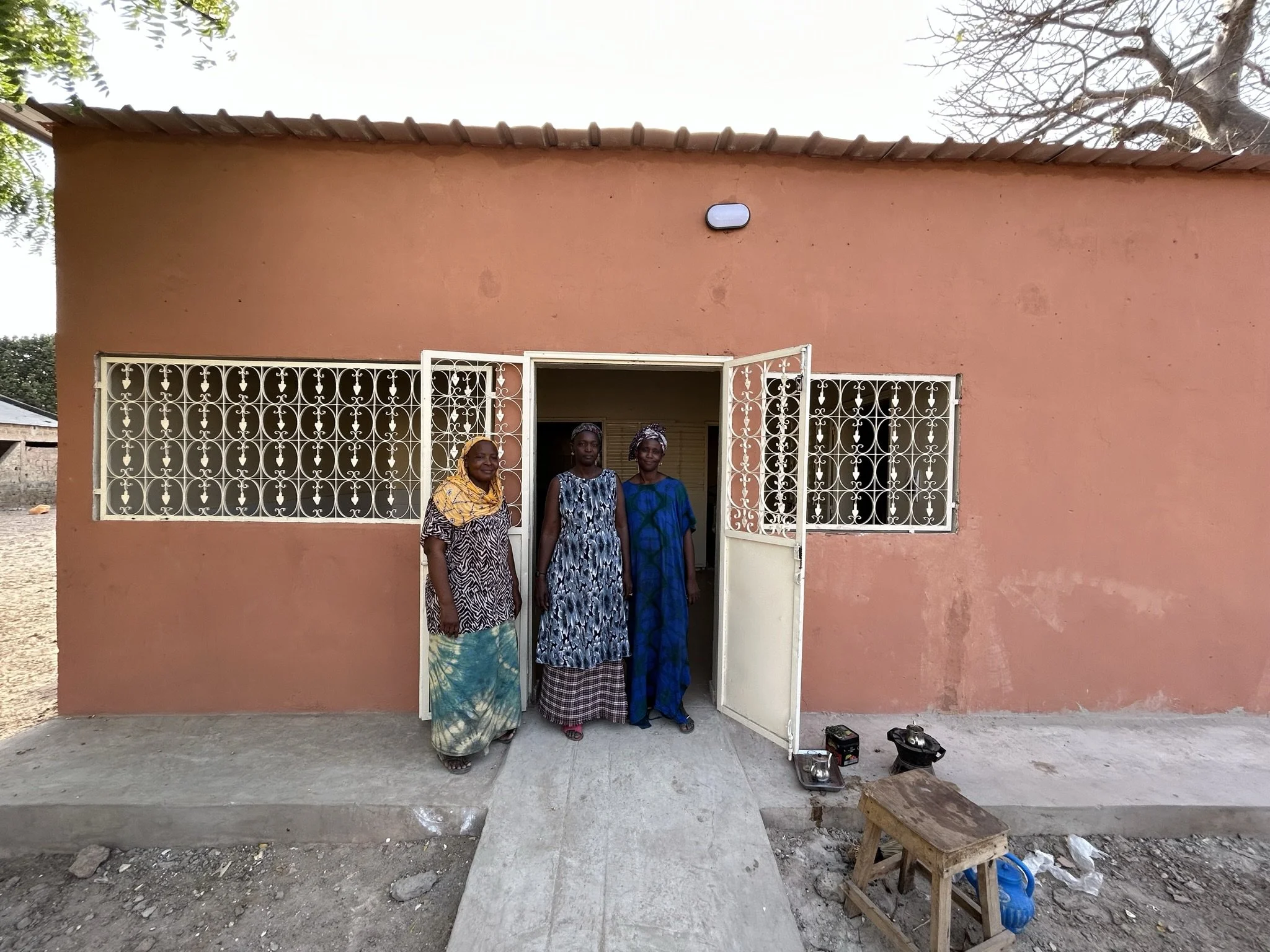

It’s always thrilling to watch a project come to completion and begin to take on a life of its own in a community. Knowing how dedicated our partners are in Belel Kellé, we knew the new maternity ward would hit the ground running, and that is exactly what has happened.
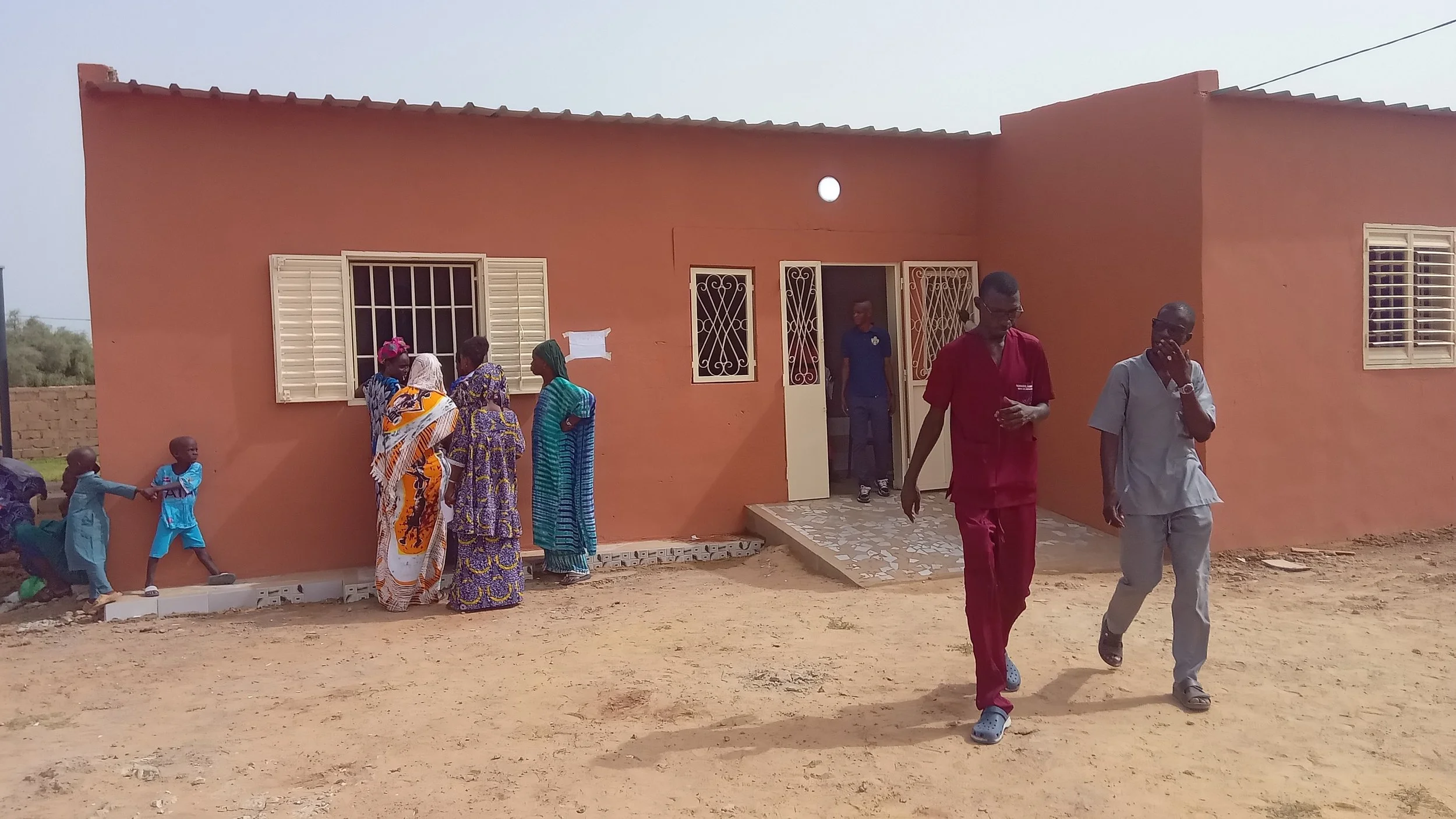
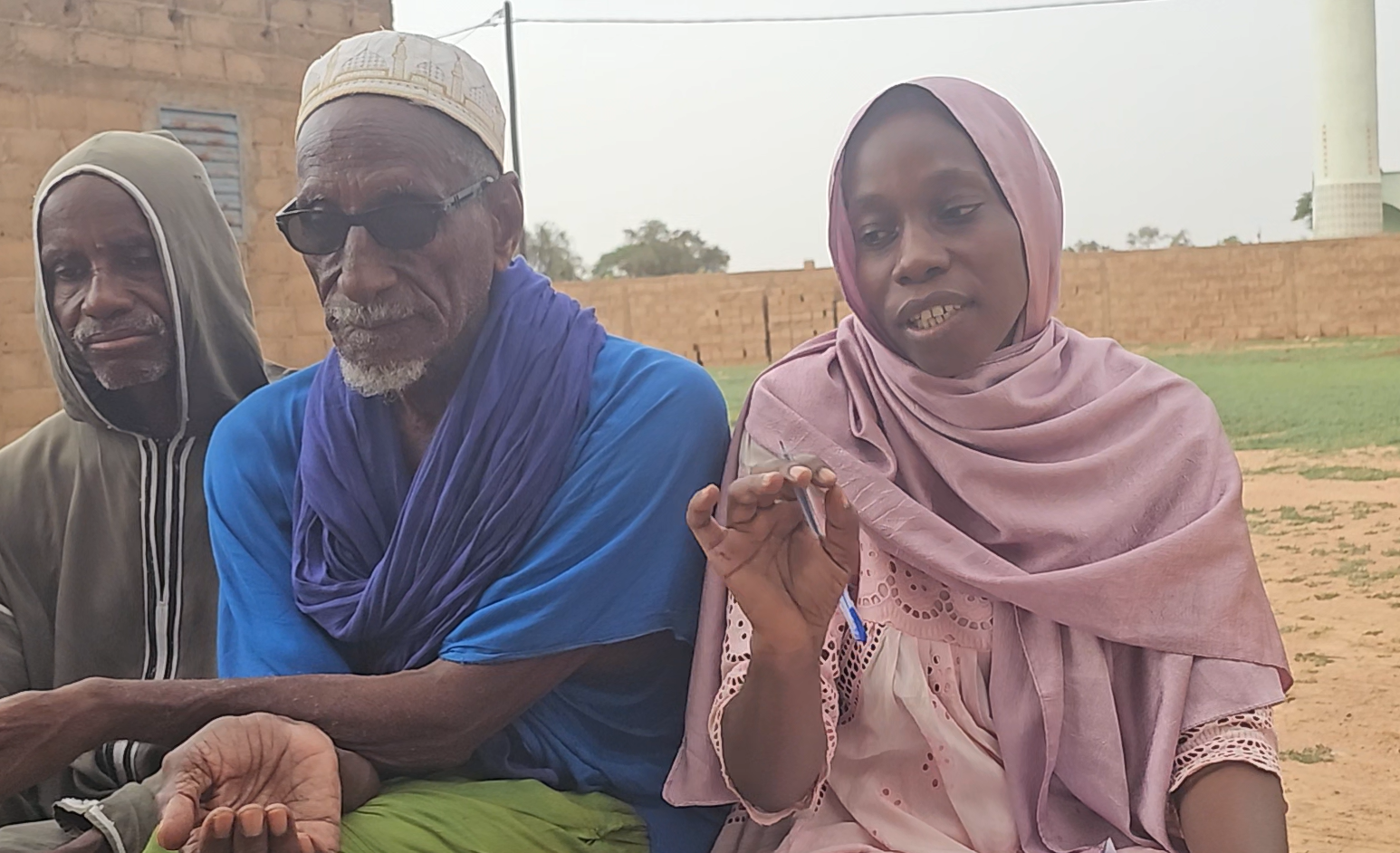
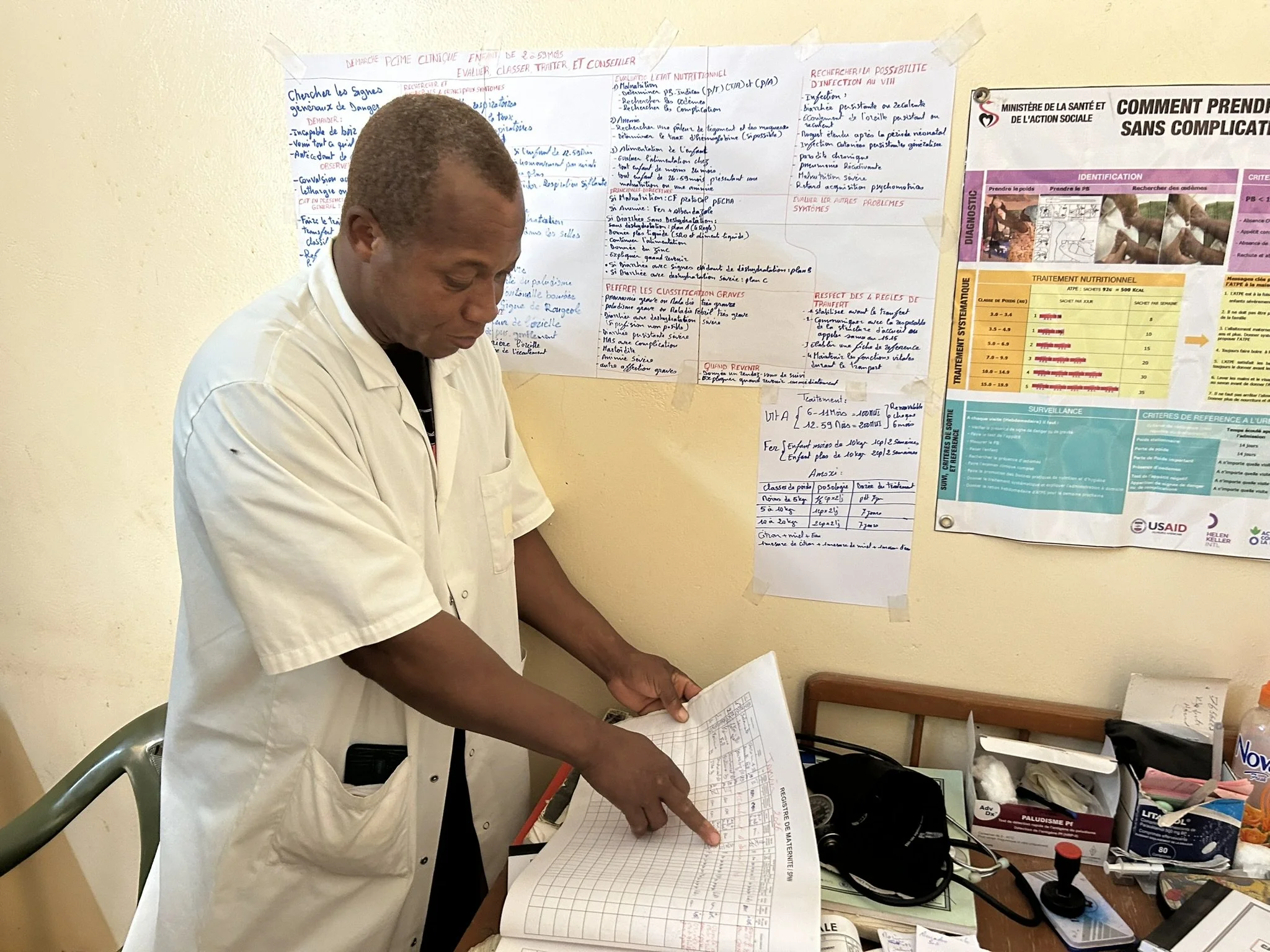
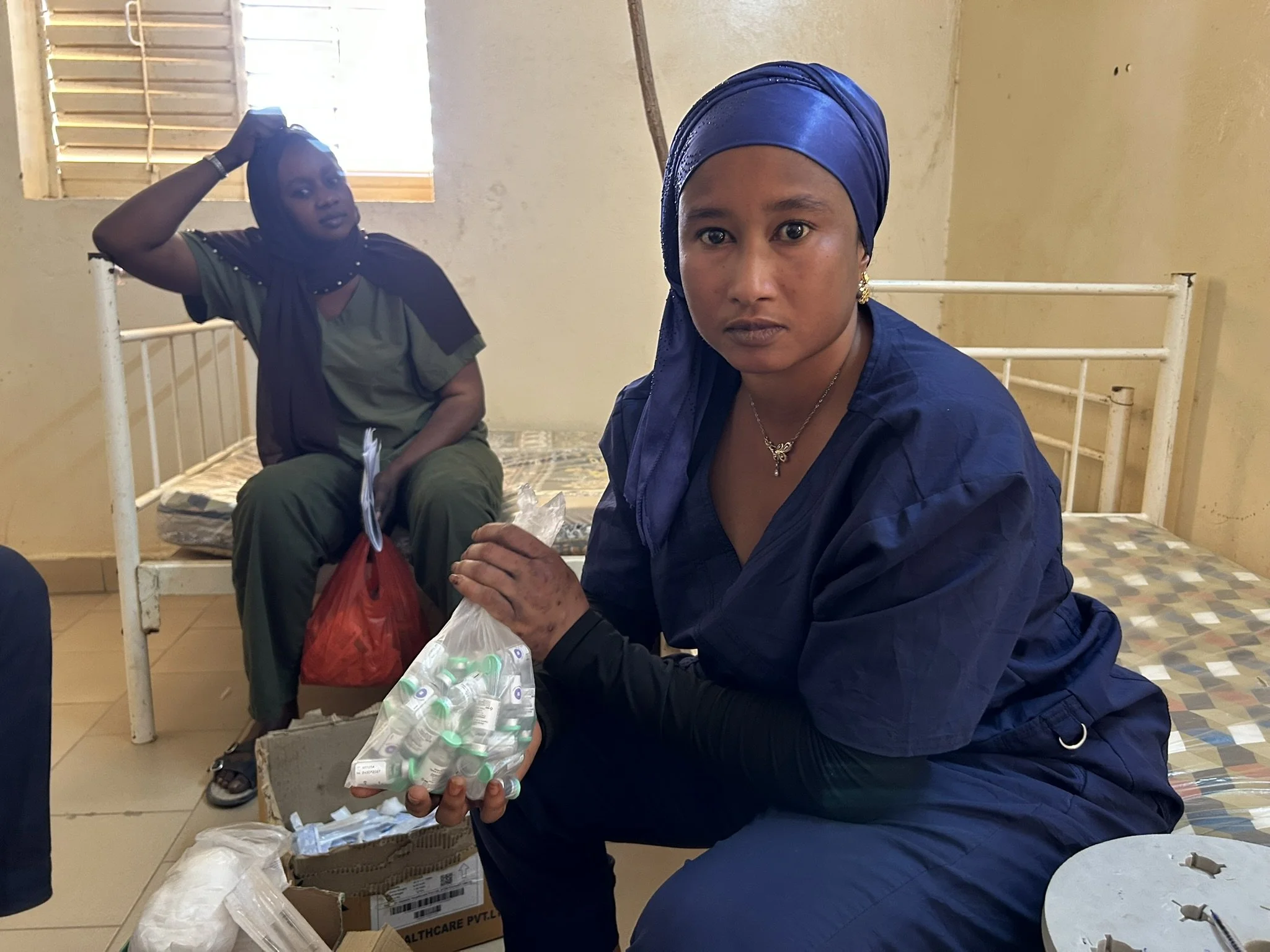
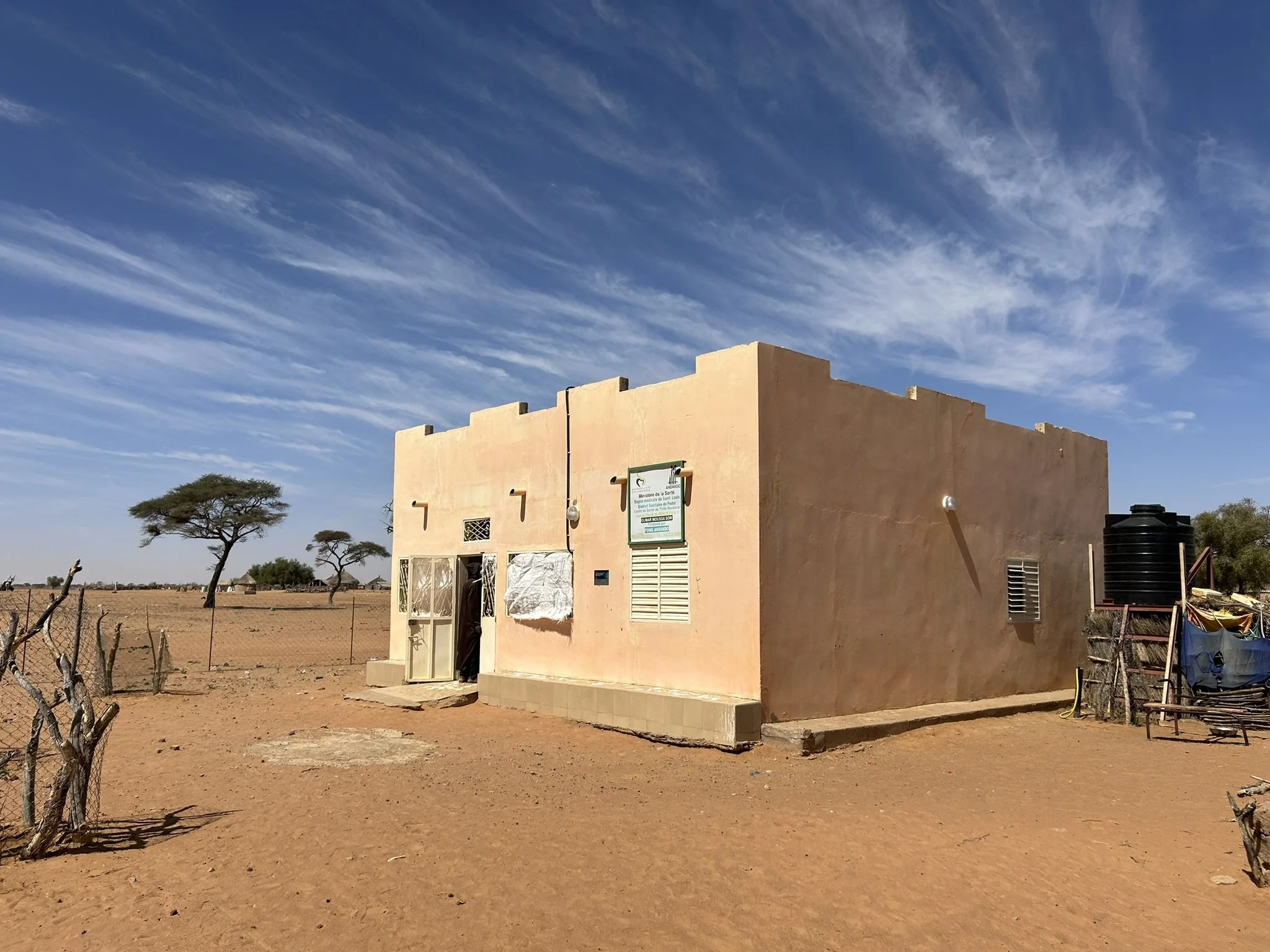
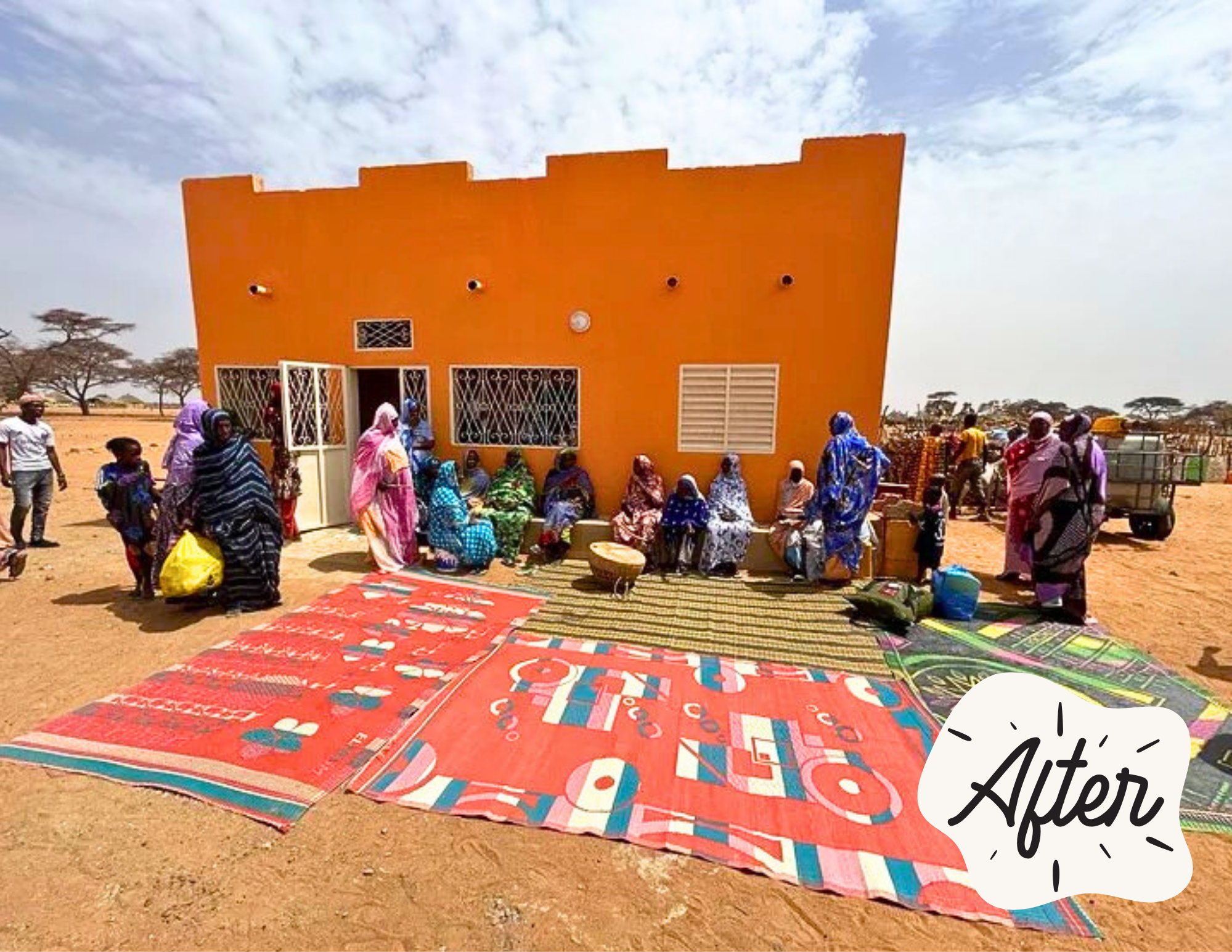
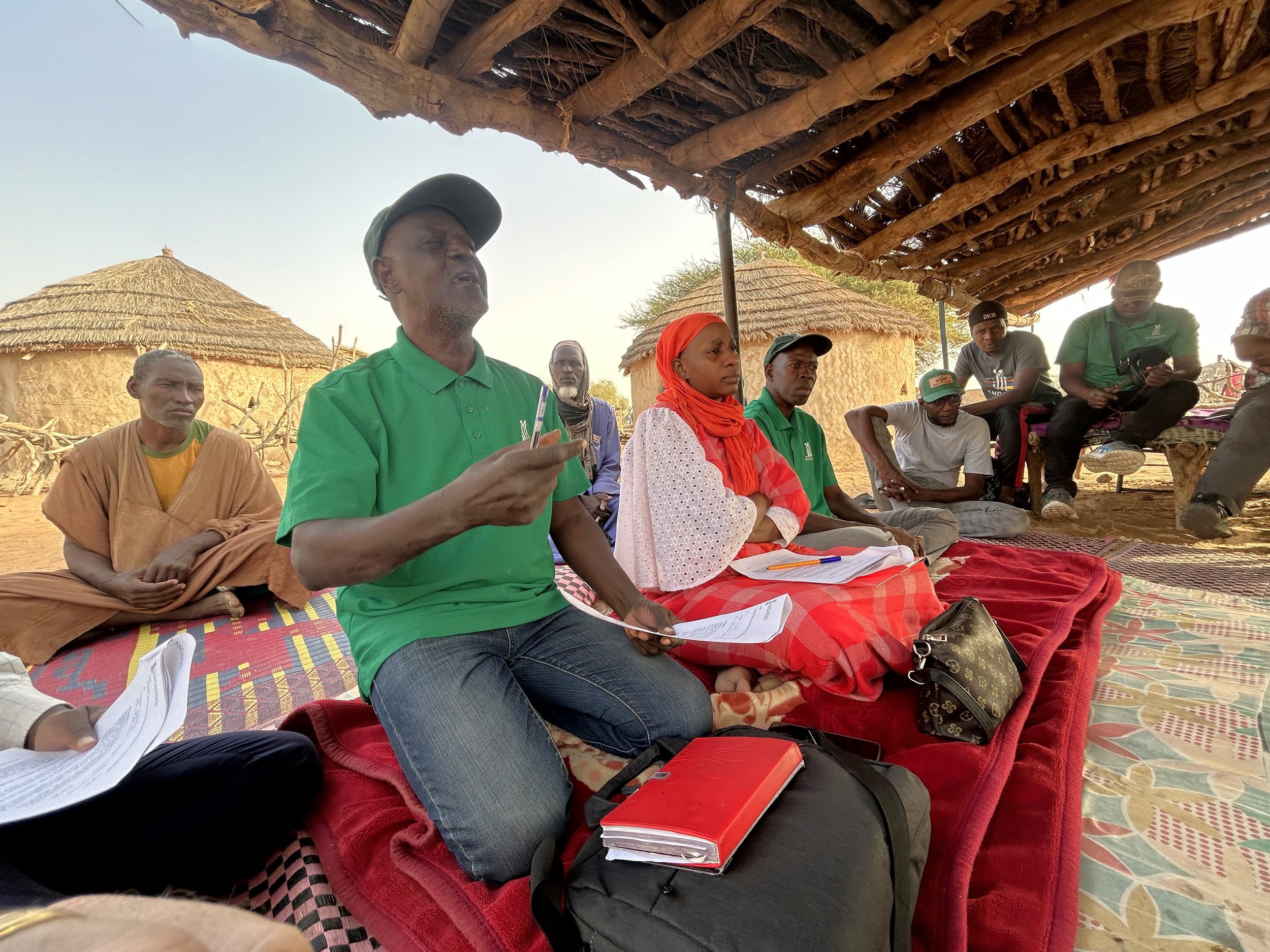
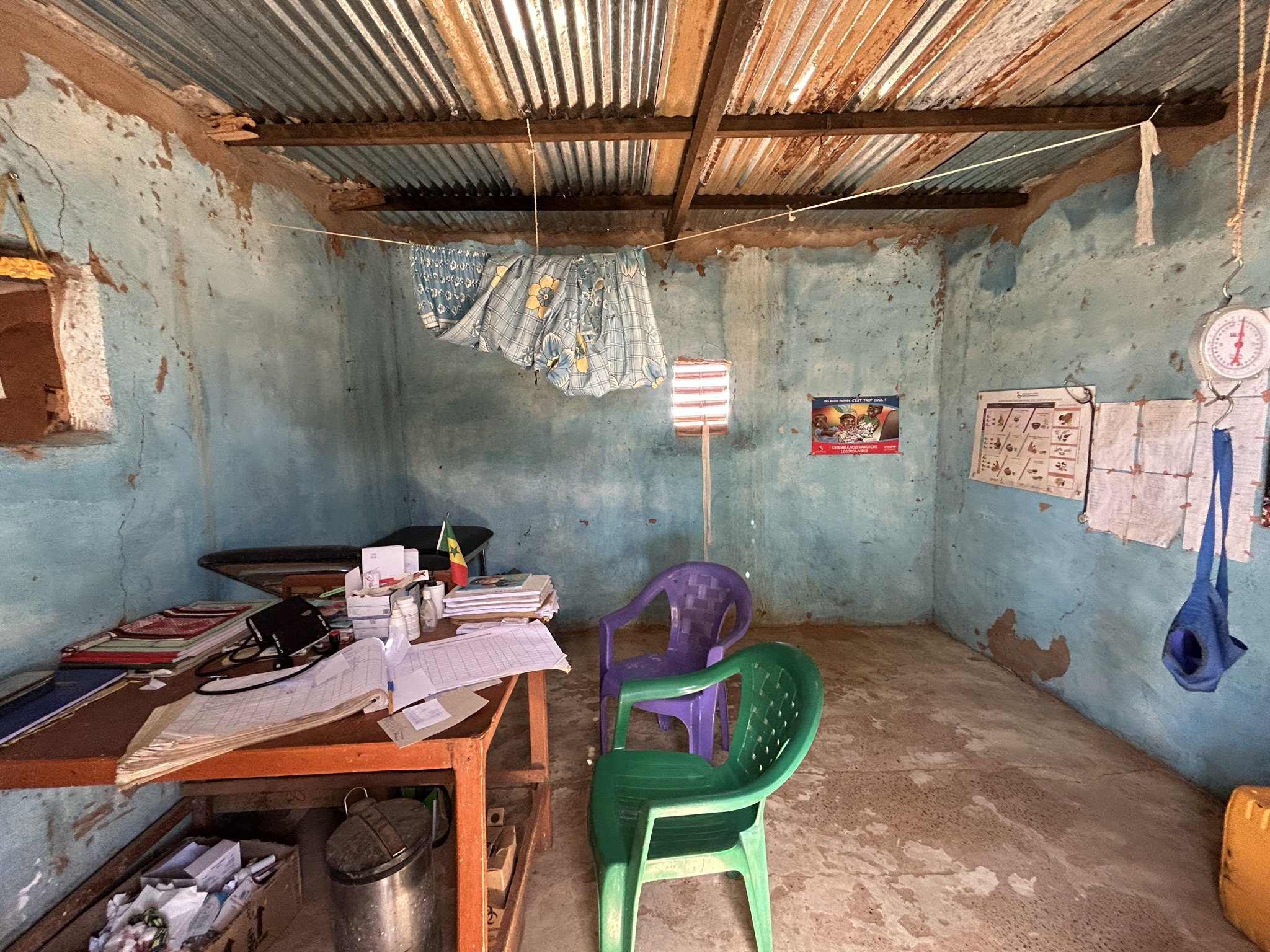
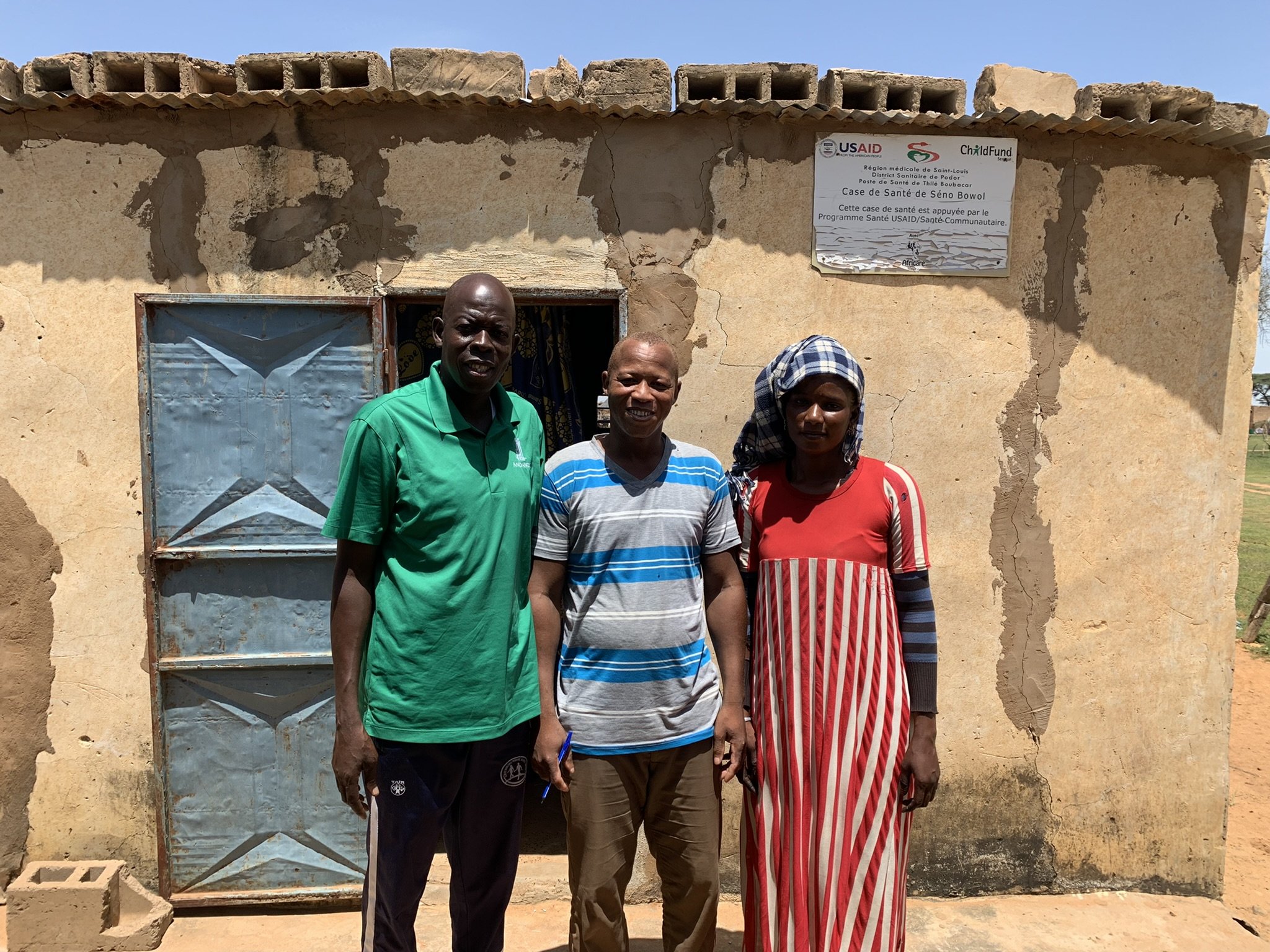
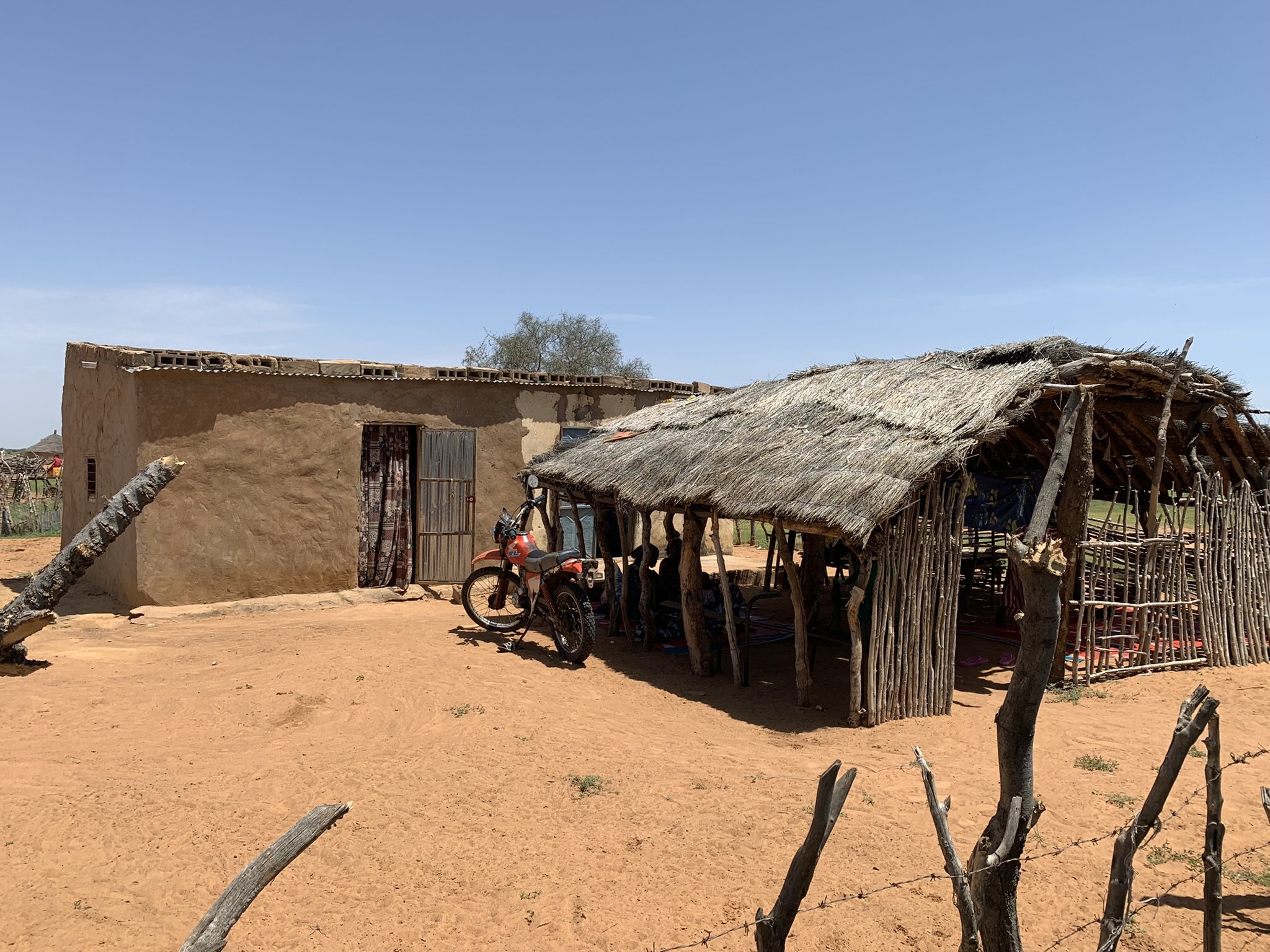
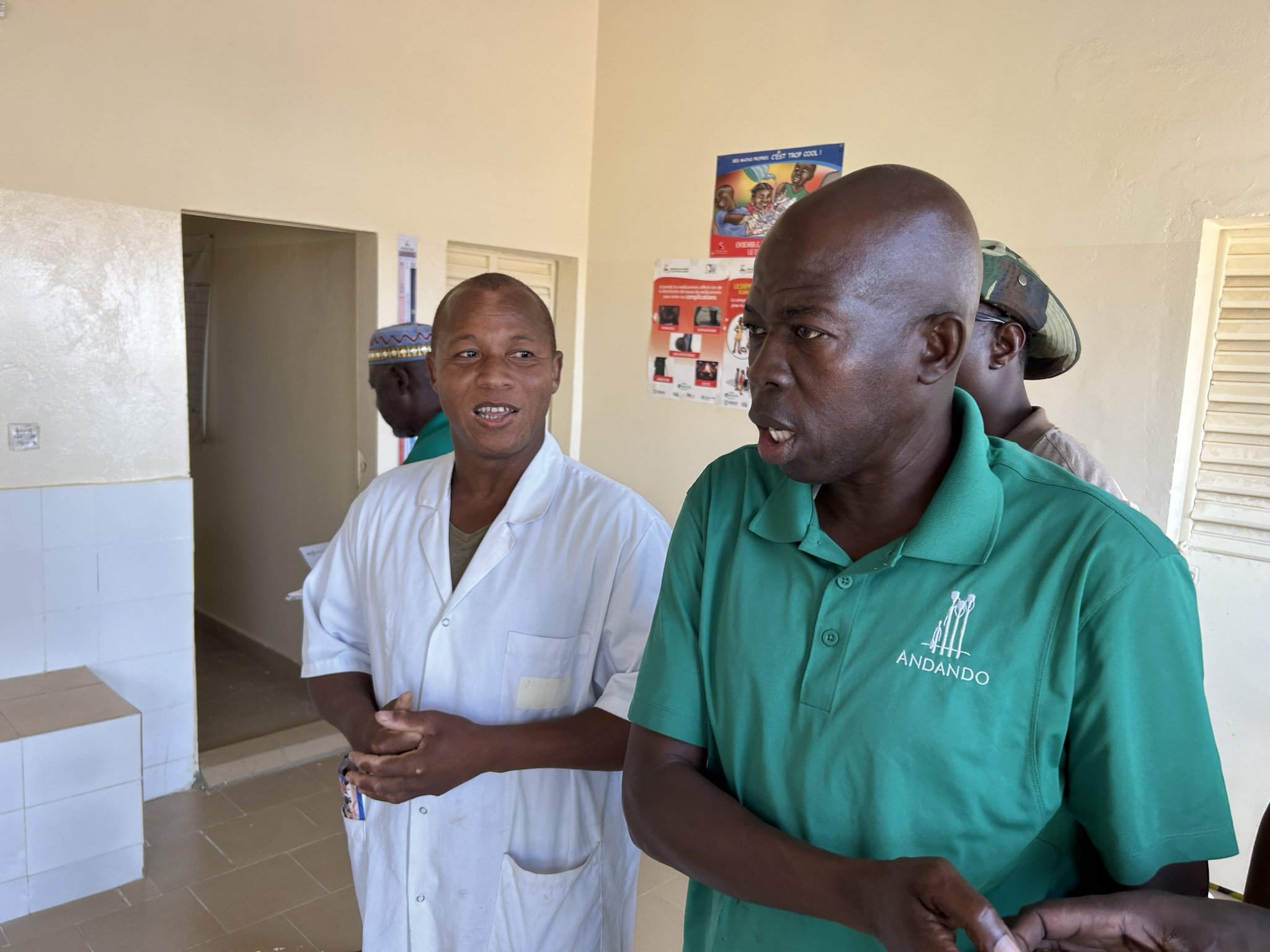
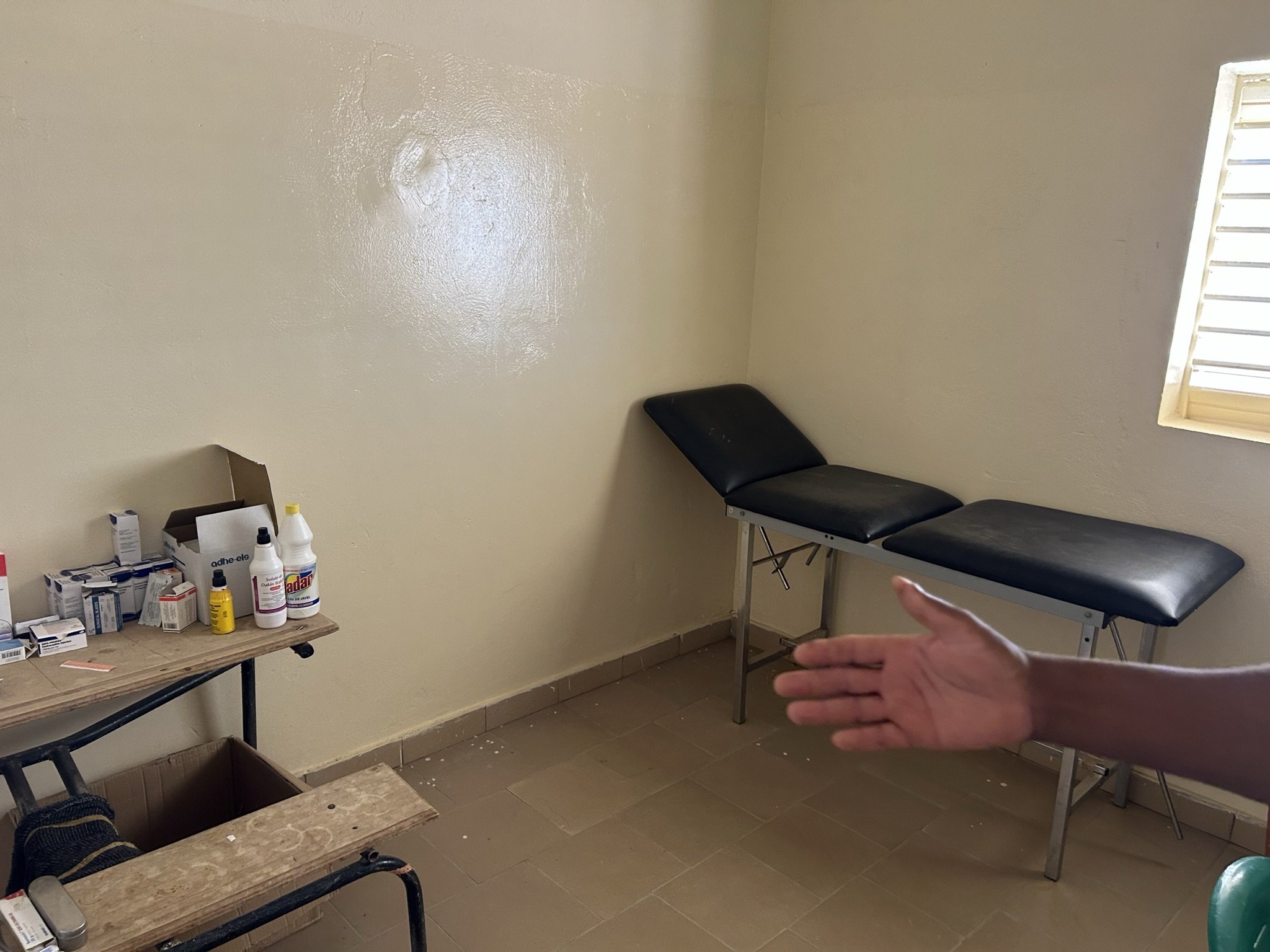
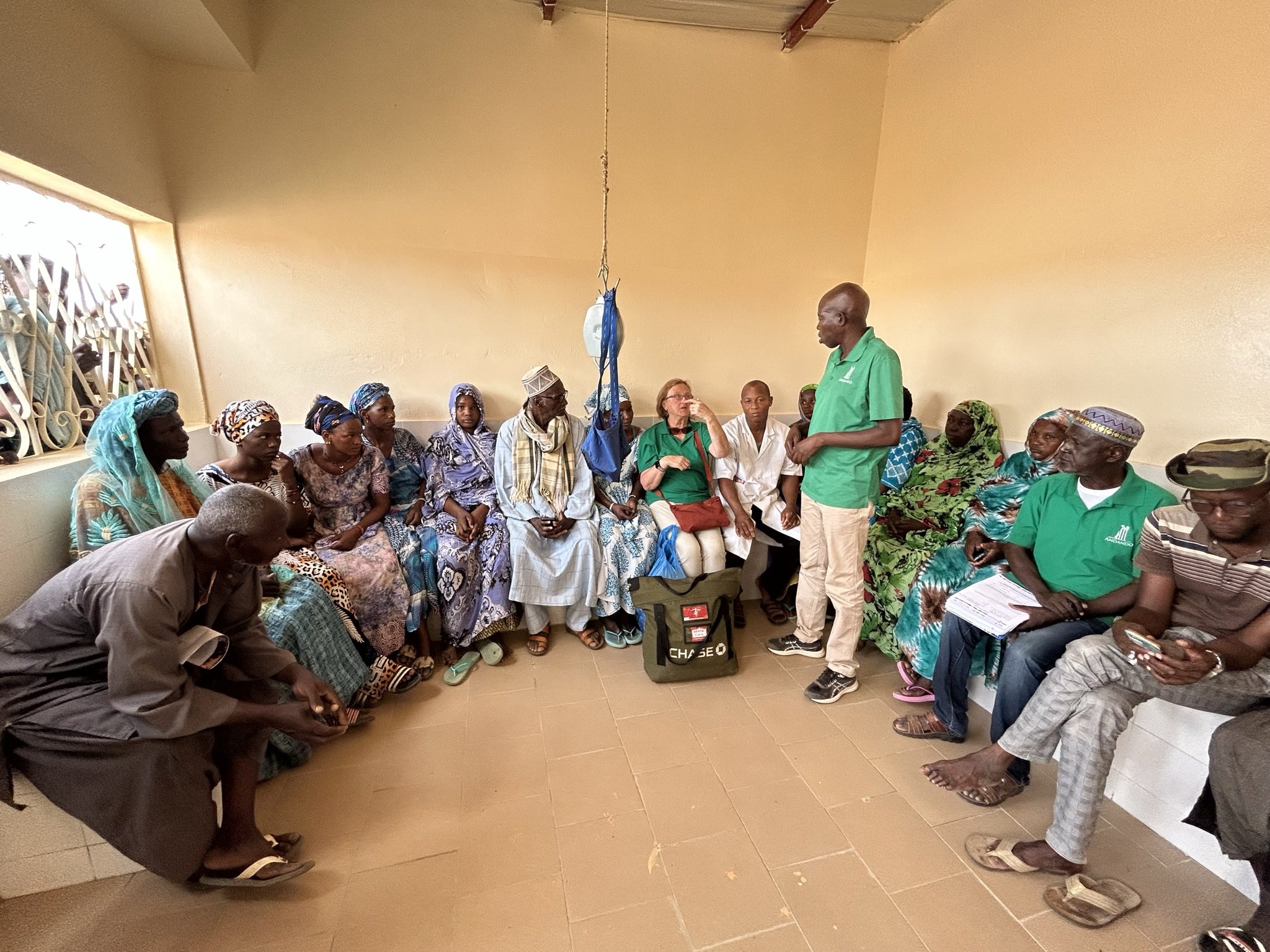
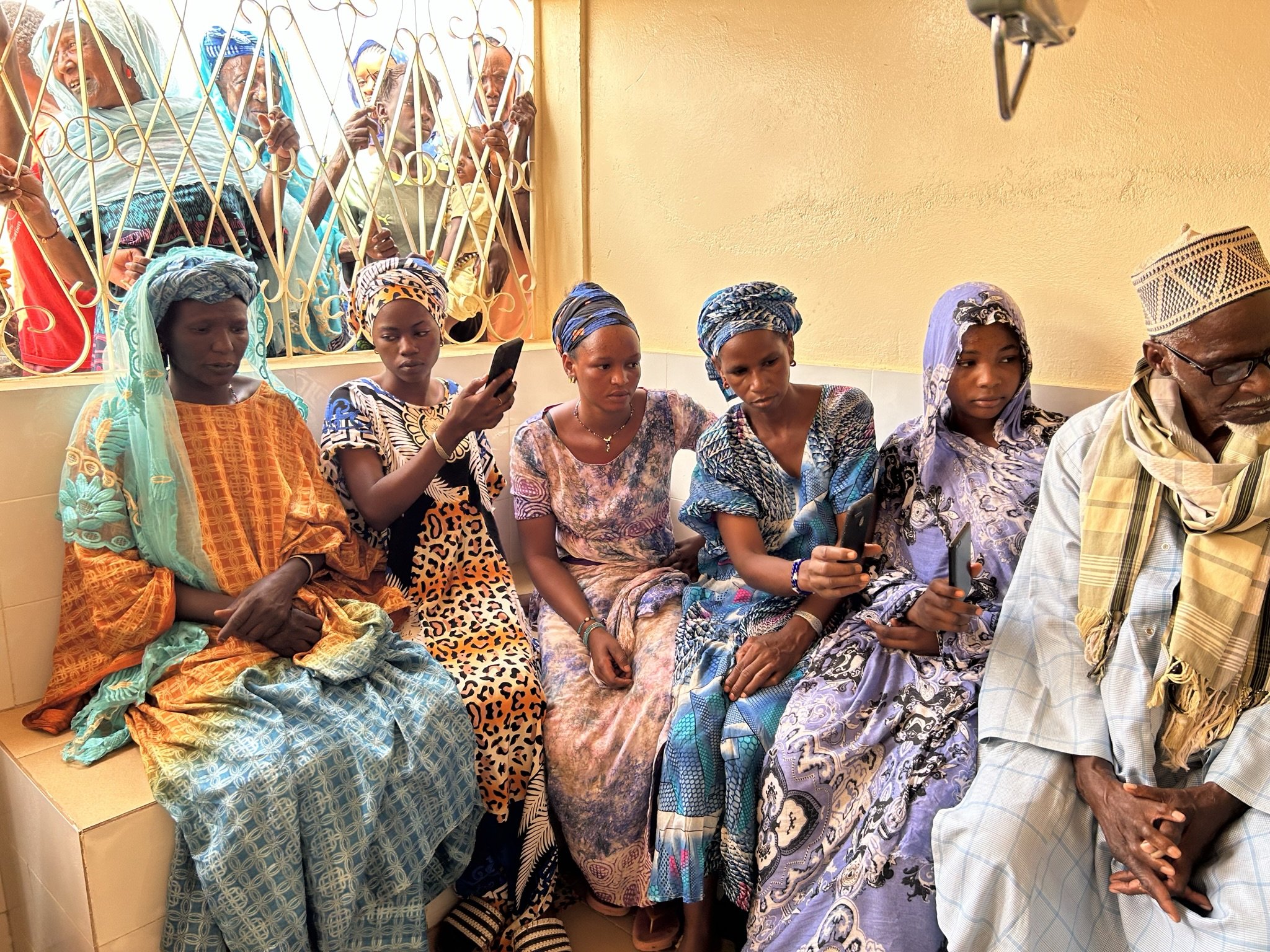
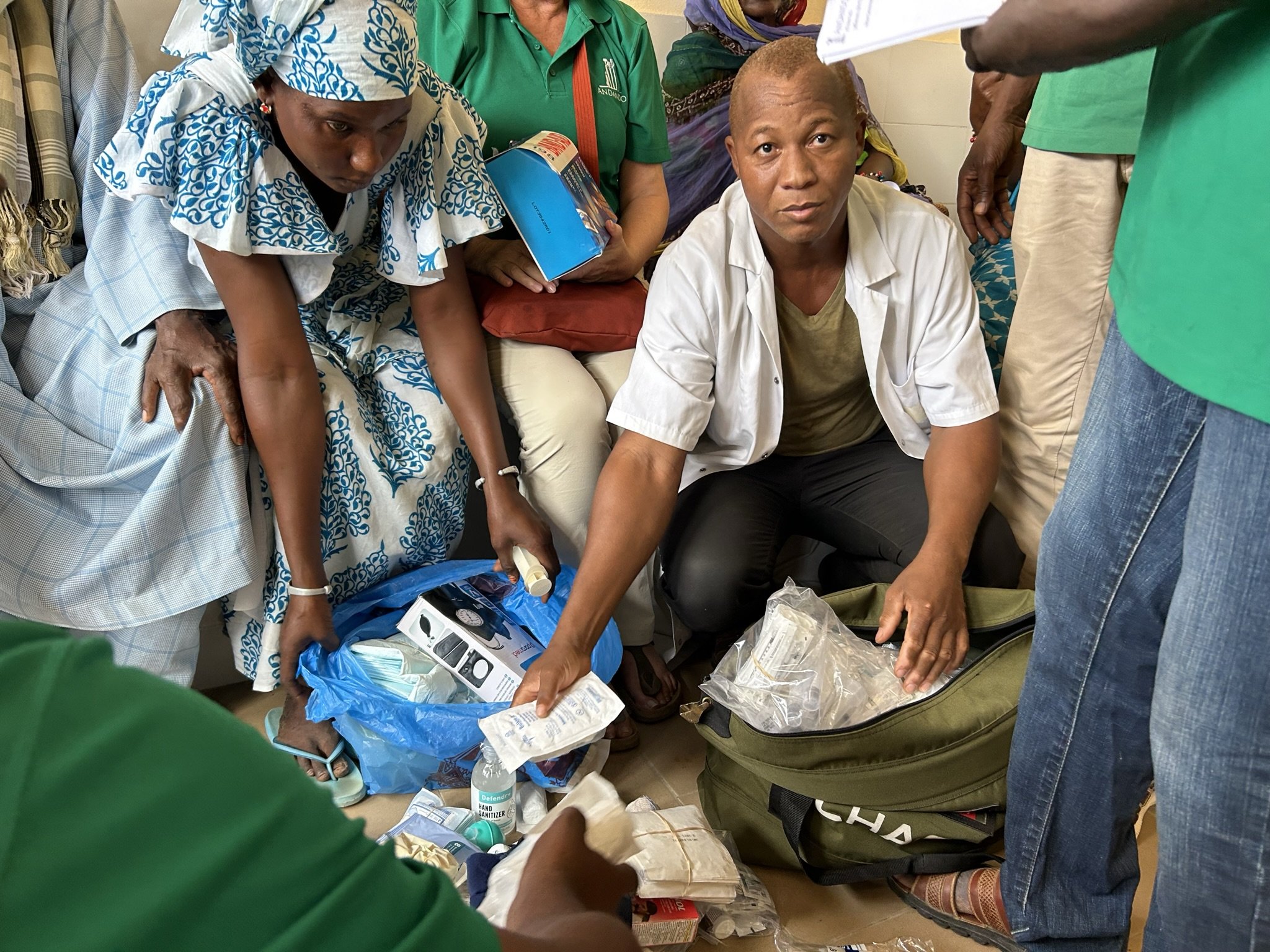
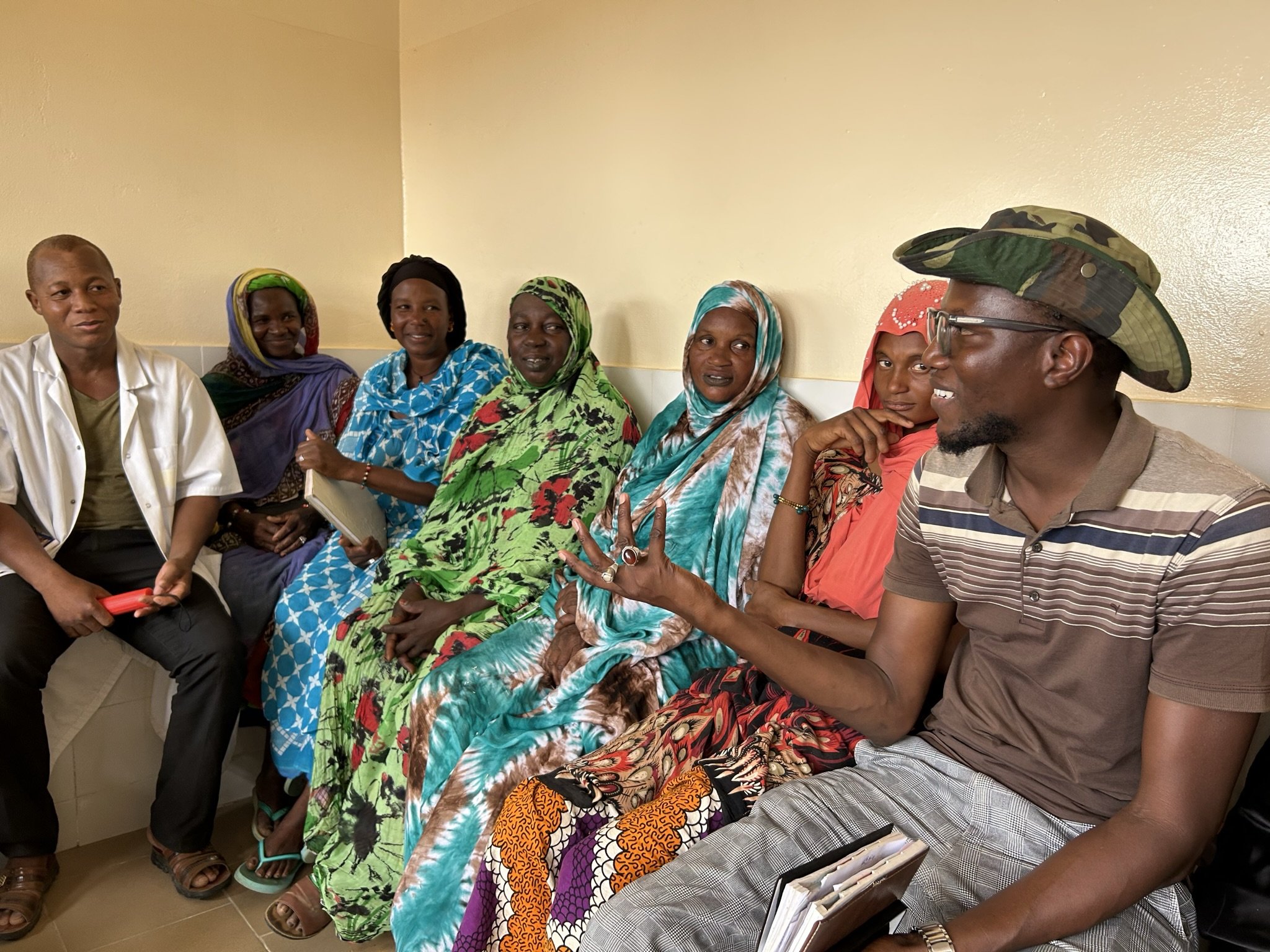
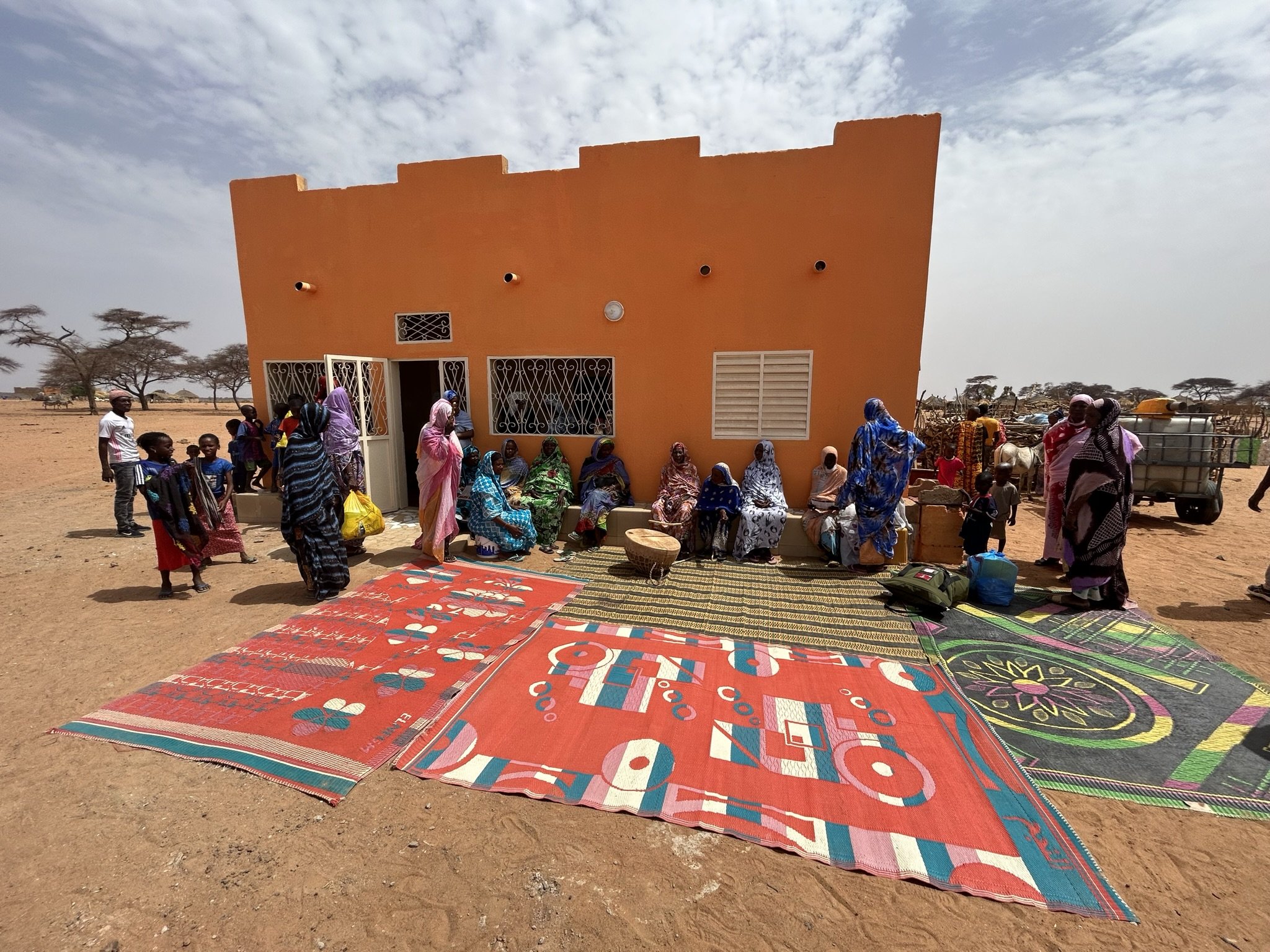
Belel Kellé’s new maternity ward provides a safe, well-equipped space for mothers and newborns while also expanding opportunities for community health outreach, like this recent visit from doctors with ASFO.
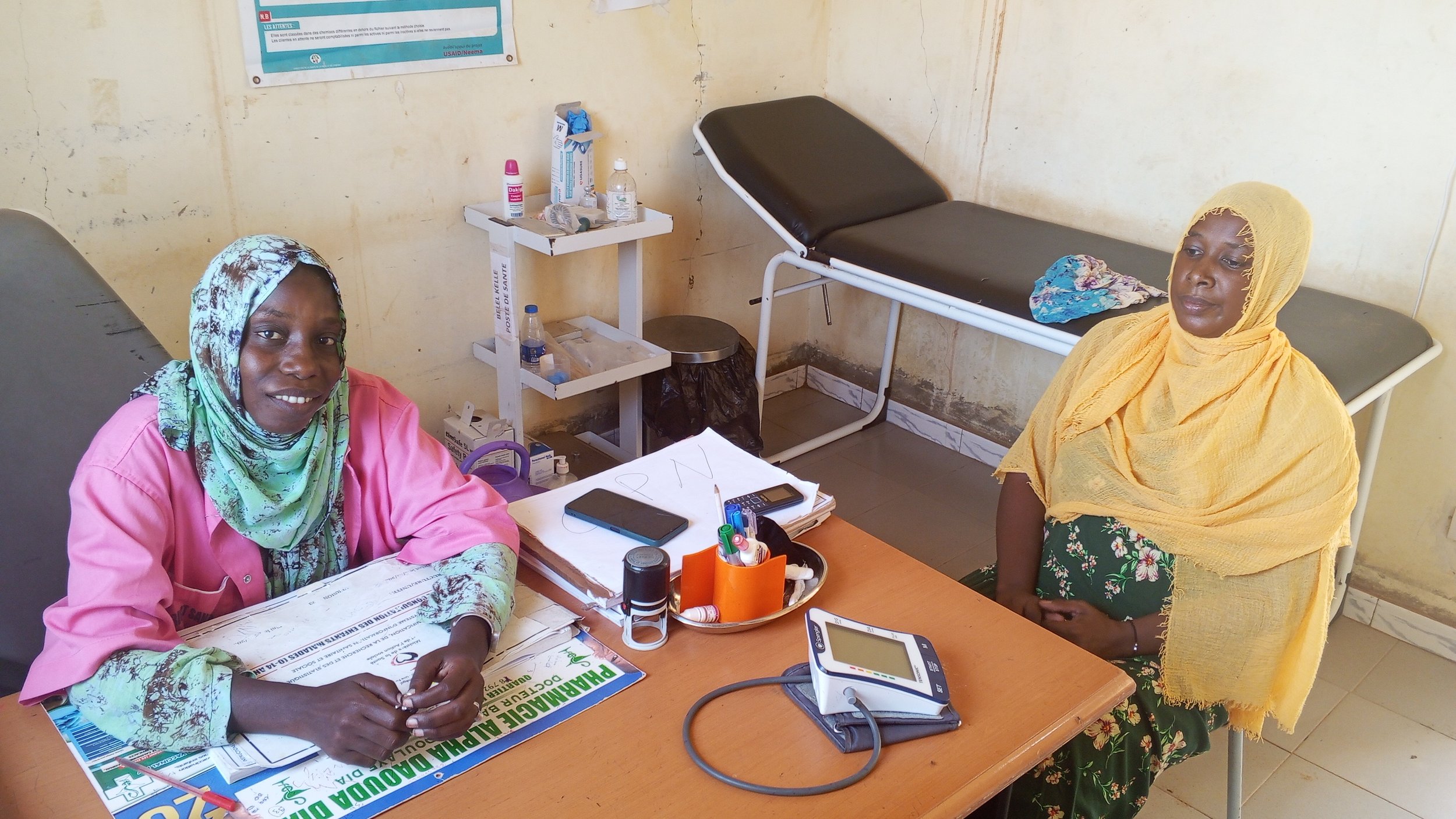
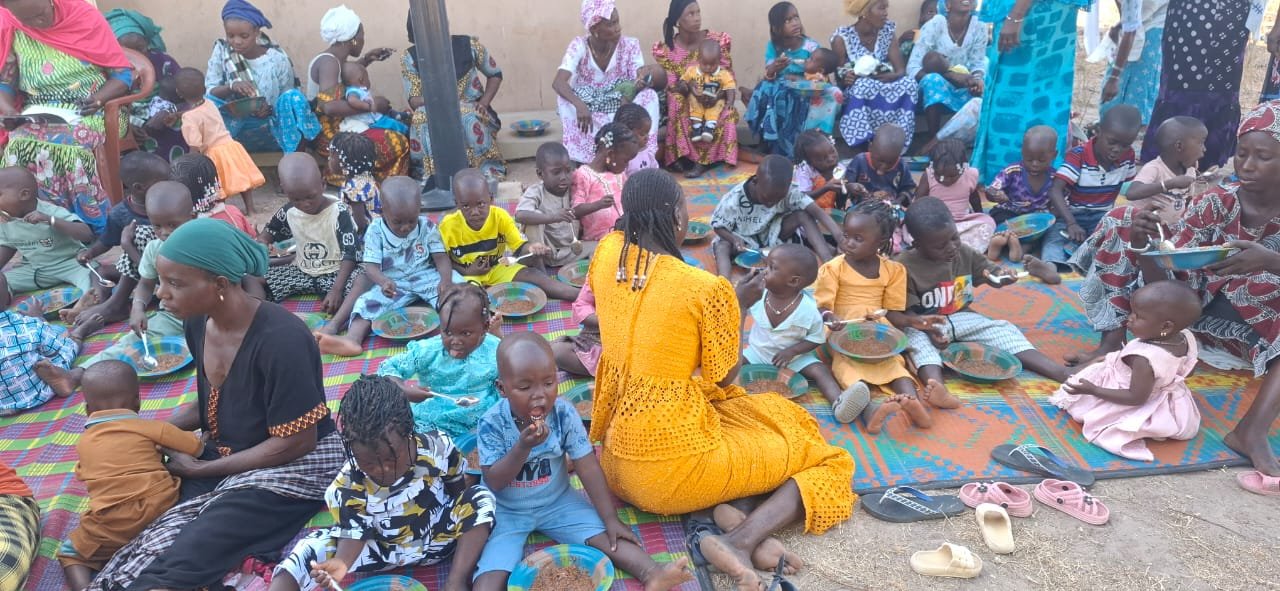
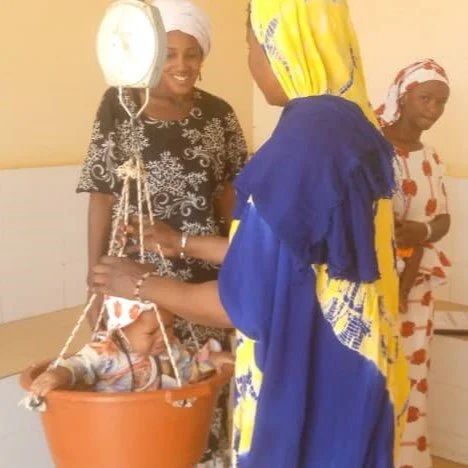
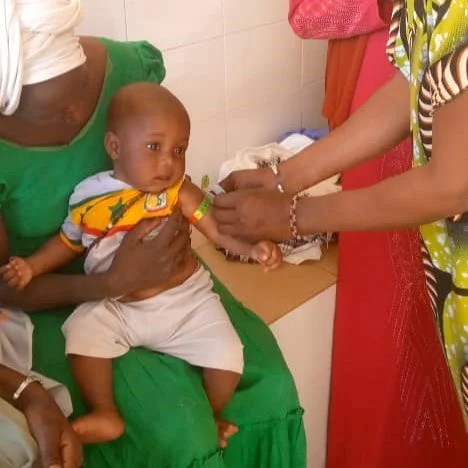
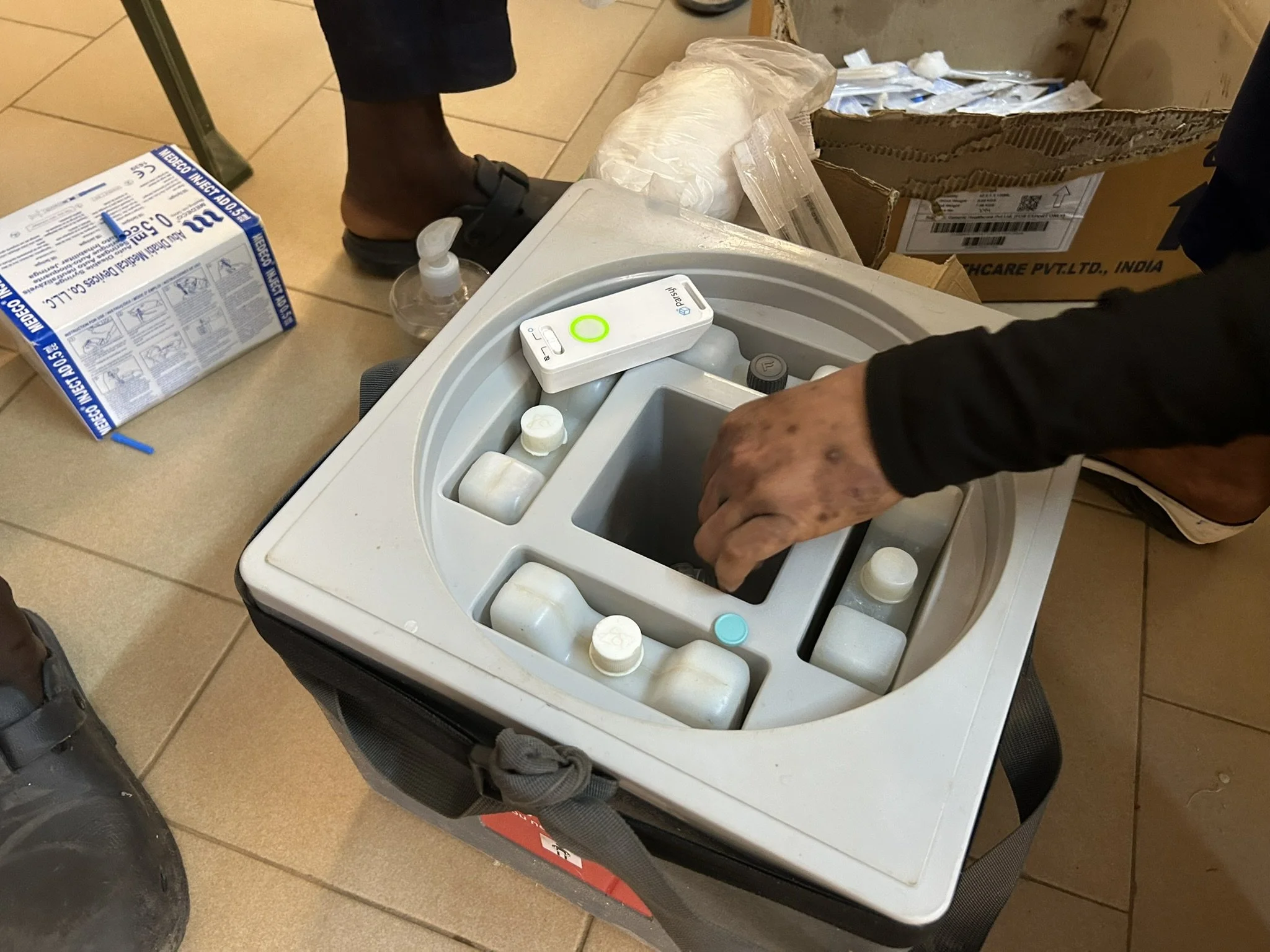
Less than a month after opening its doors, a public health organization called ASFO hosted a two-day, free healthcare event. Doctors, nurses, and pharmacists set up at the health post to offer free consultations and prescriptions to hundreds of people from surrounding villages.
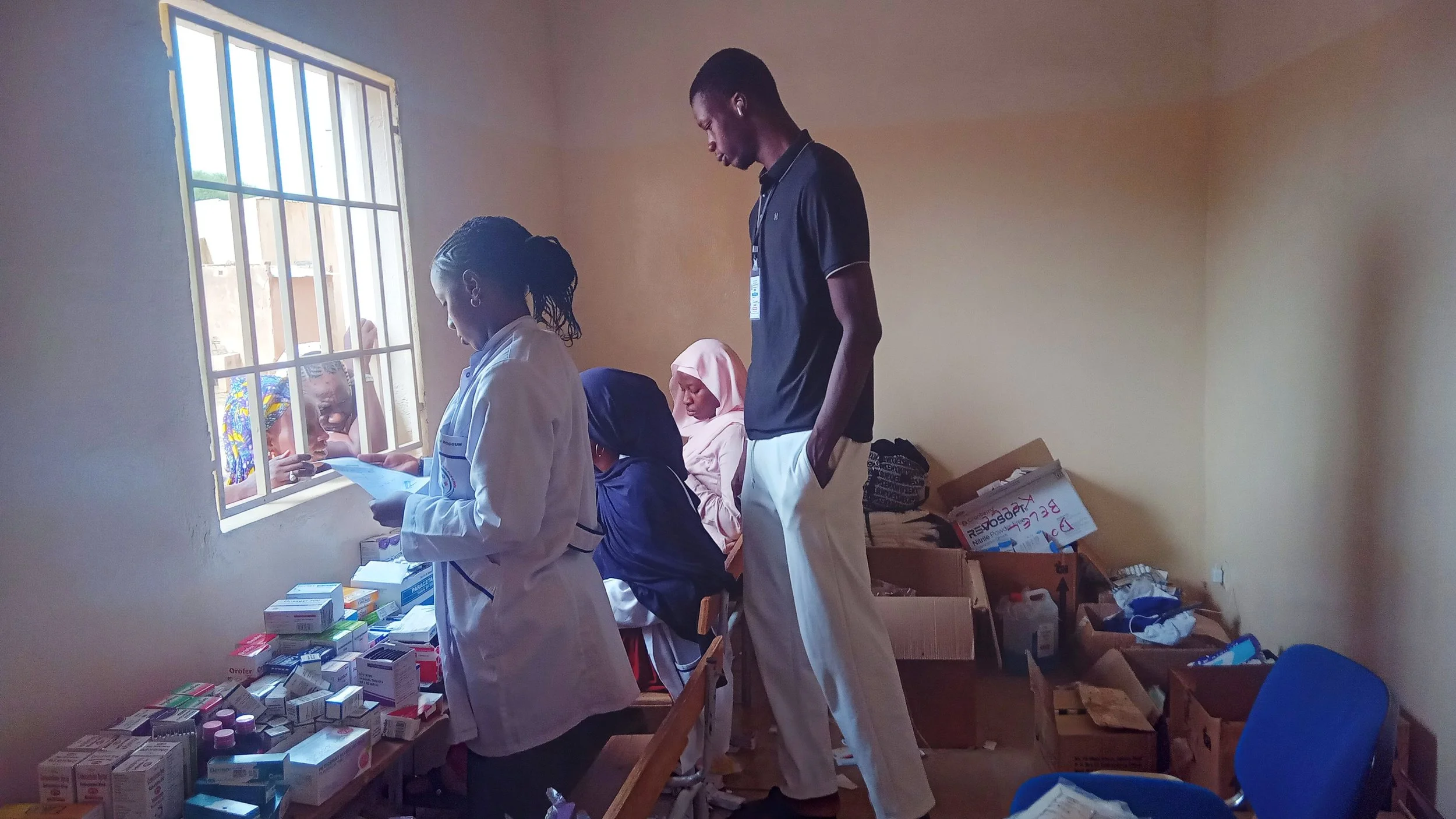
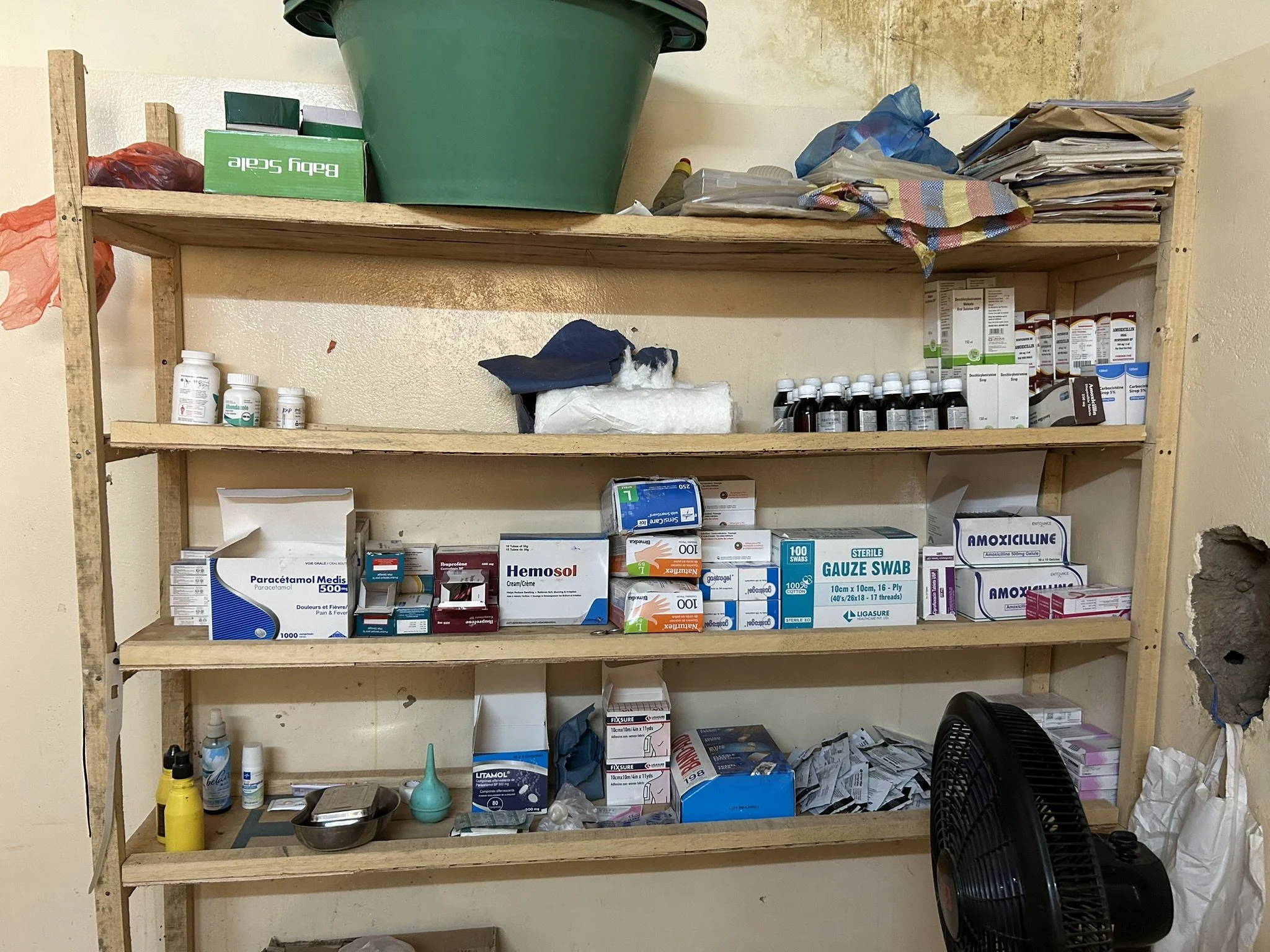
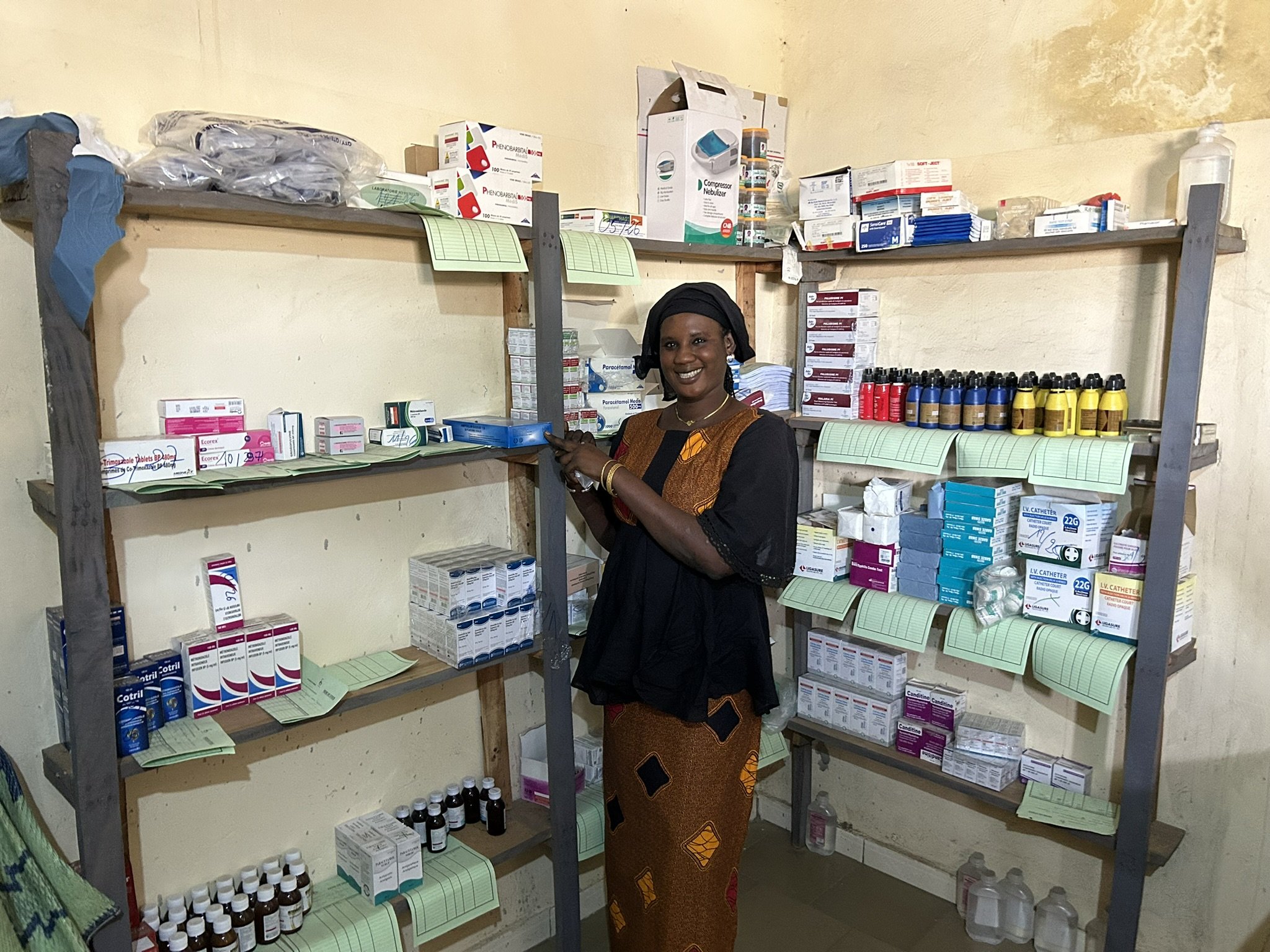
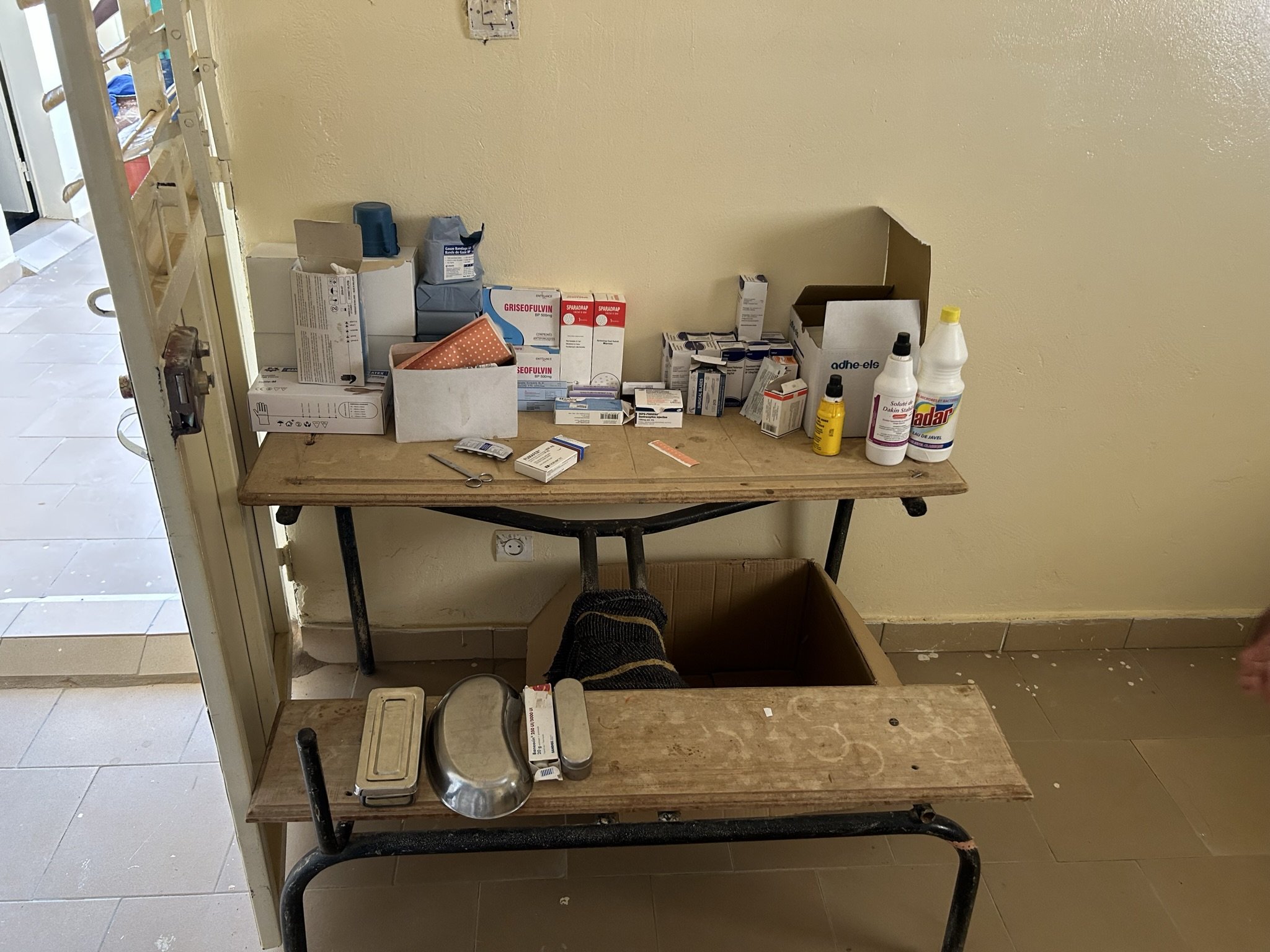
The maternity ward’s pharmacy brings medications and more complete care close to home that would otherwise be difficult or impossible to access.
This sort of outreach is both easier and more effective when it can be delivered from a proper facility with clean running water, electricity, equipment, and staff. We commend our partners in Belel Kellé, as well as Hub City Church, for everything they did to make this project possible, and we are proud to support the important work being done here.
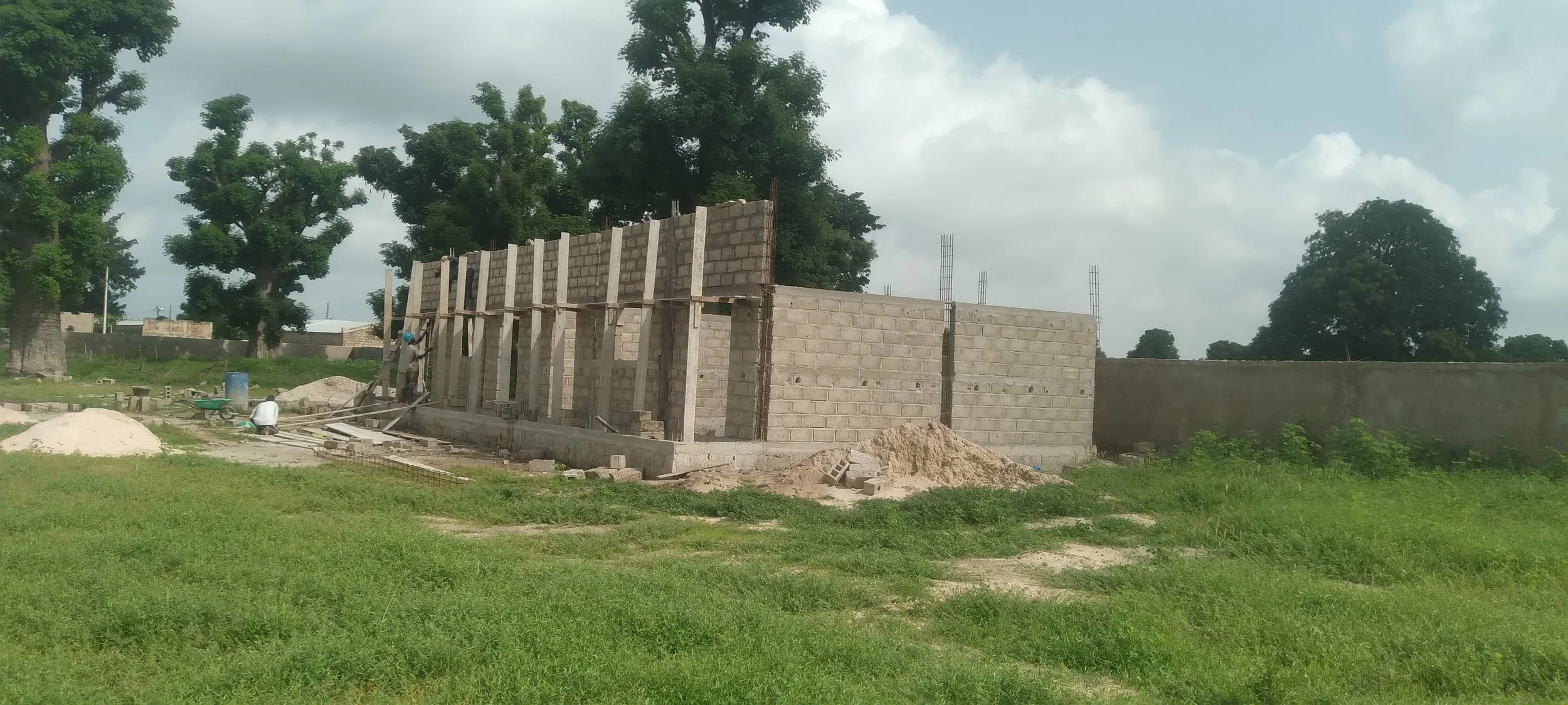
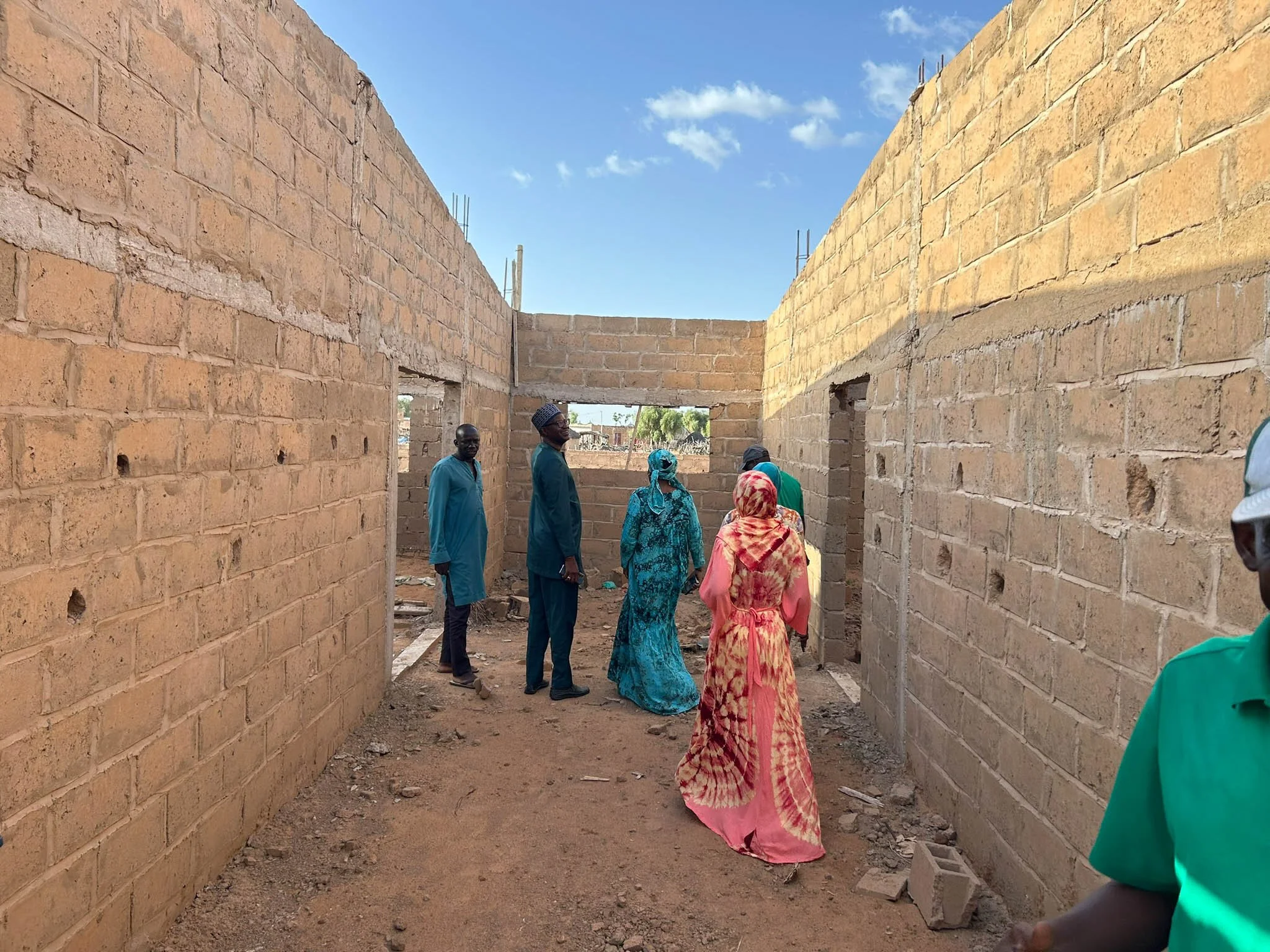
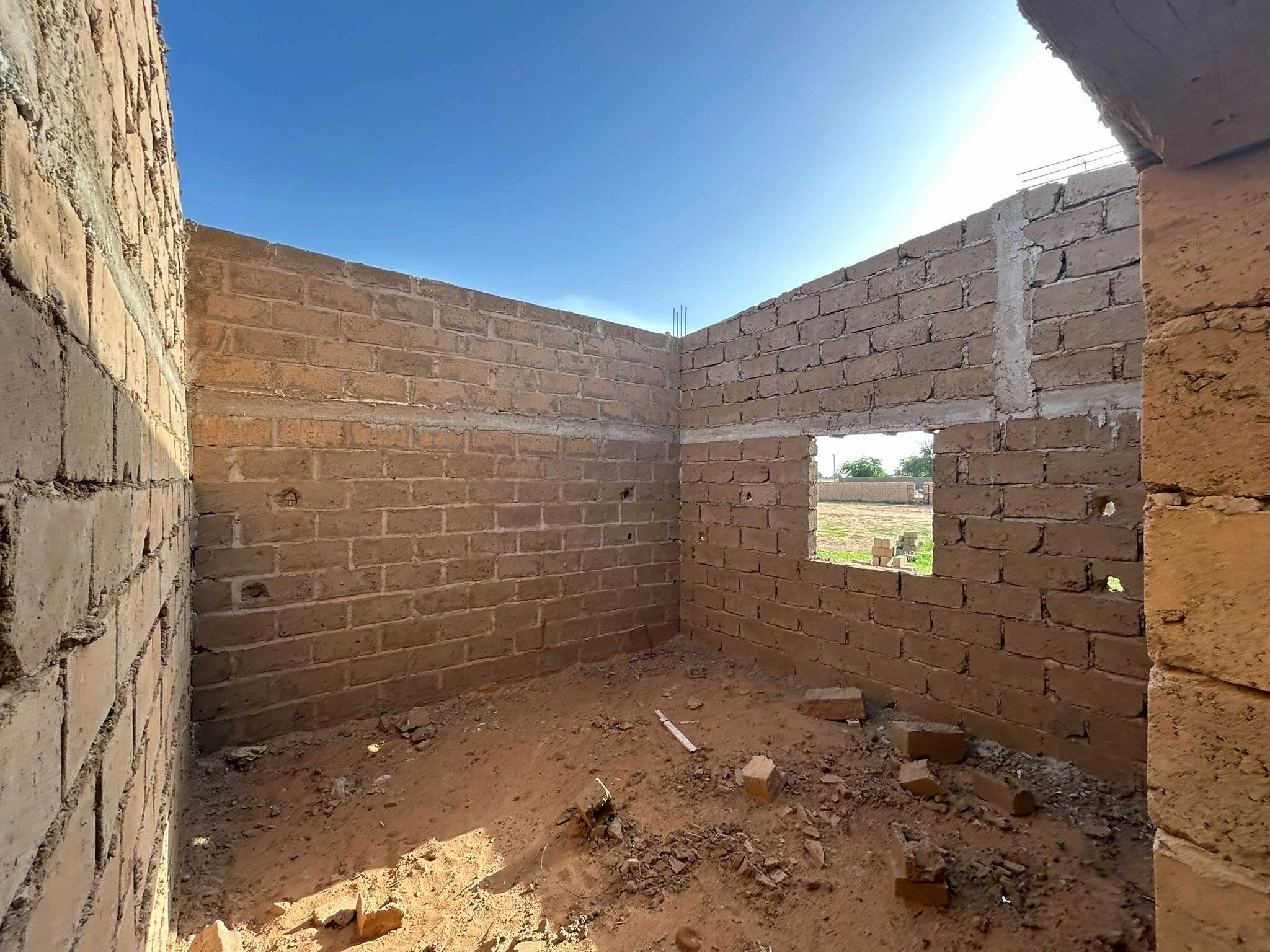
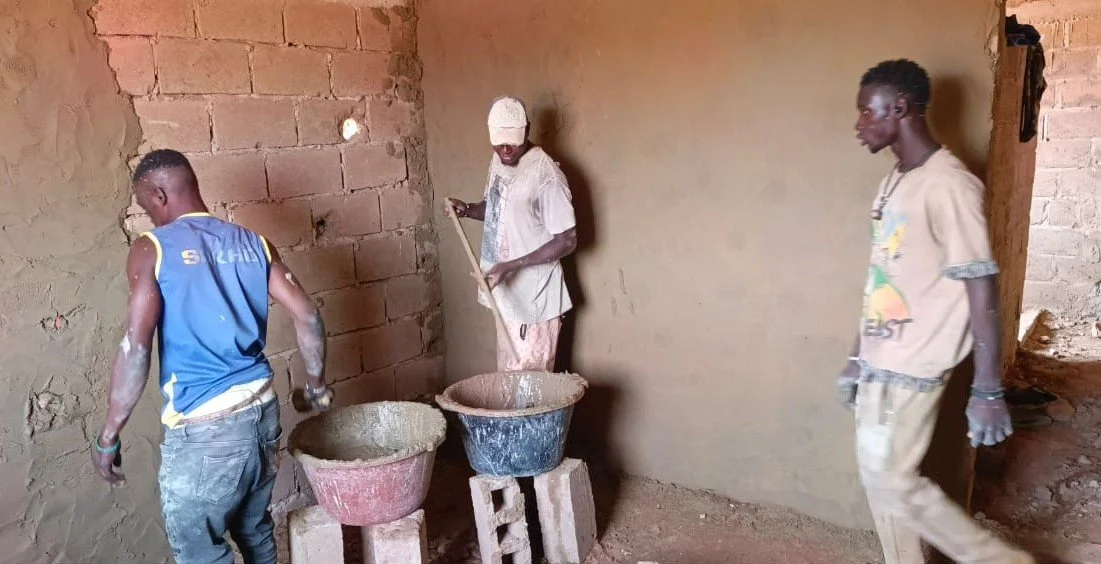
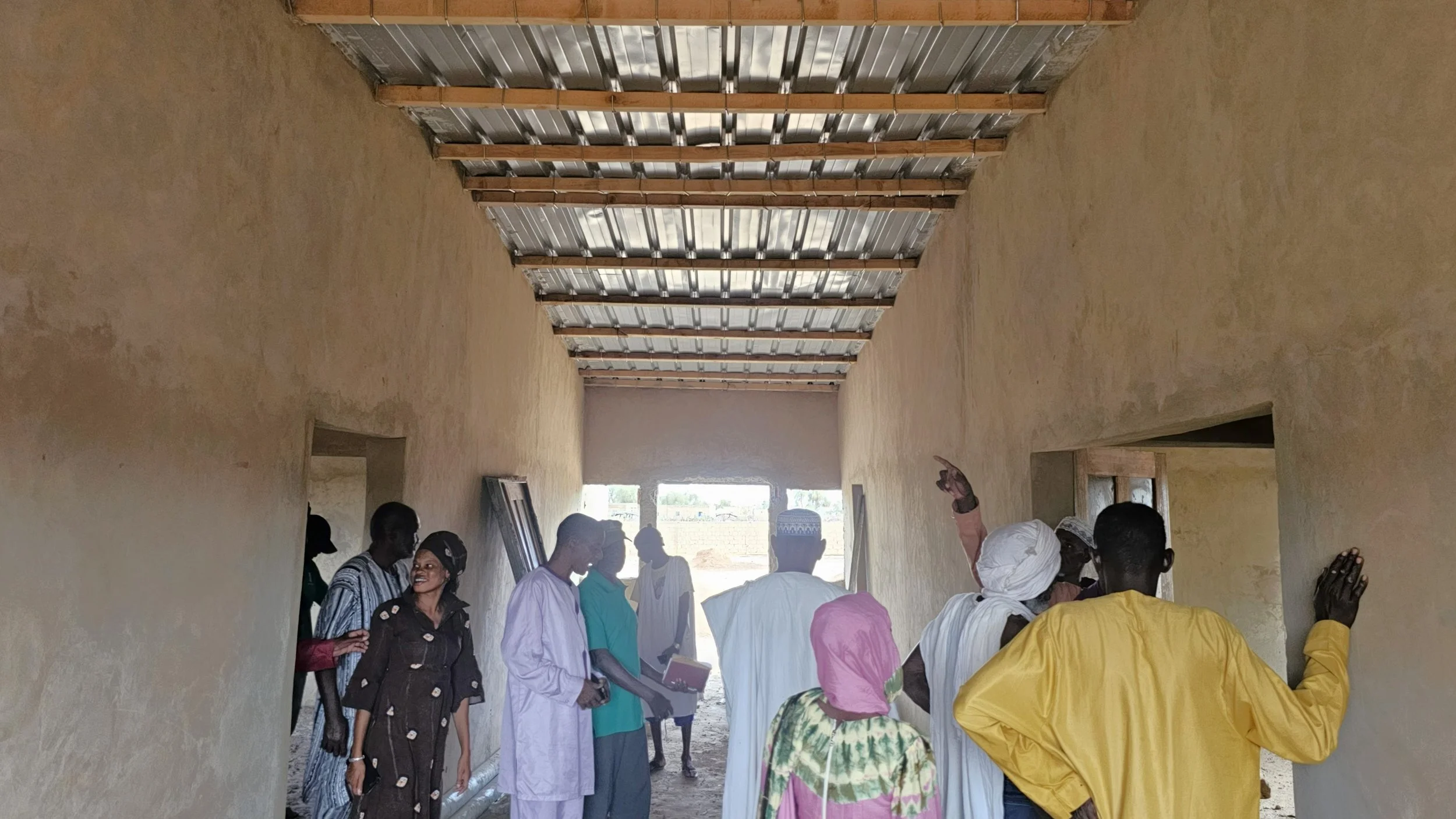
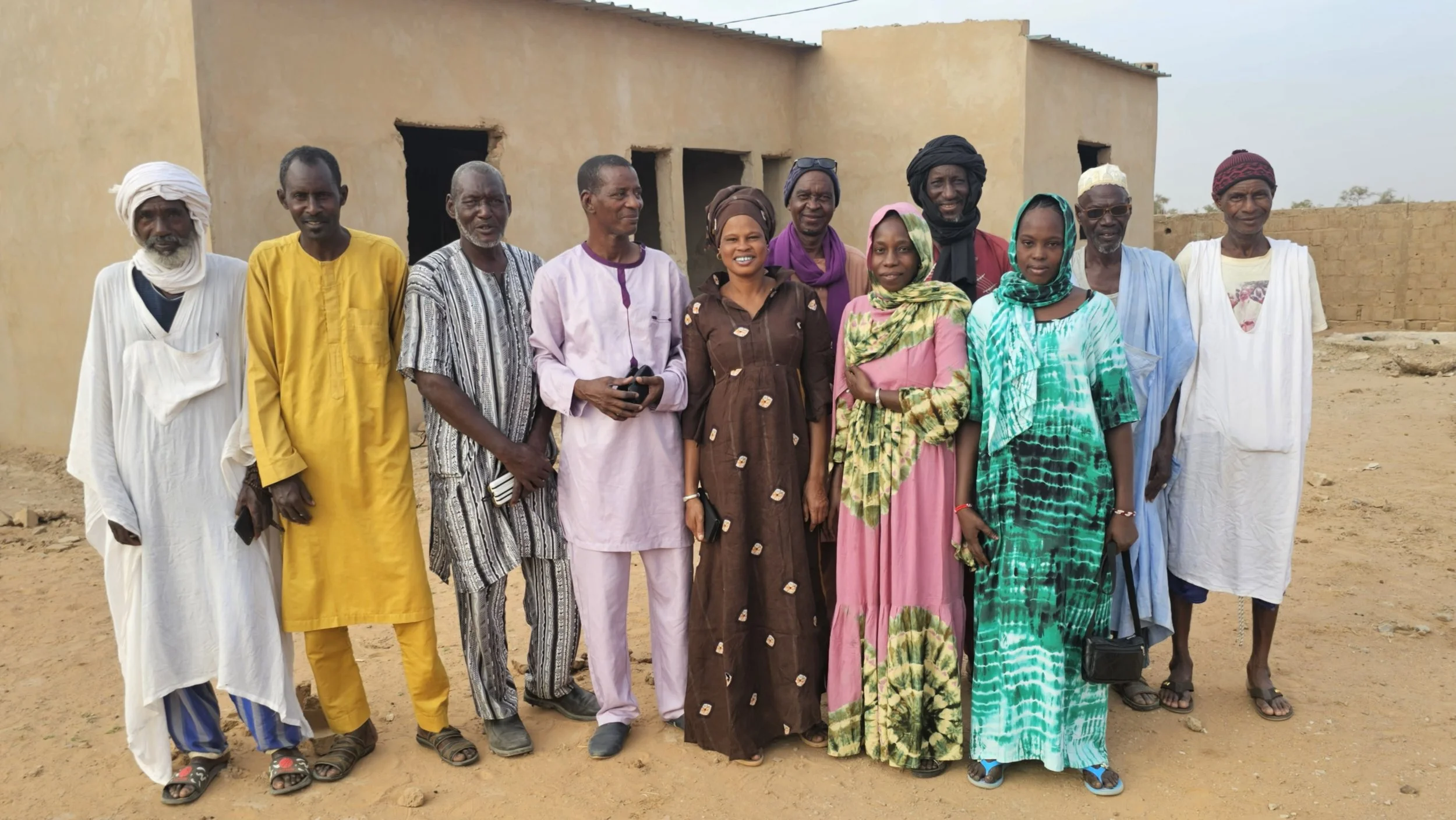
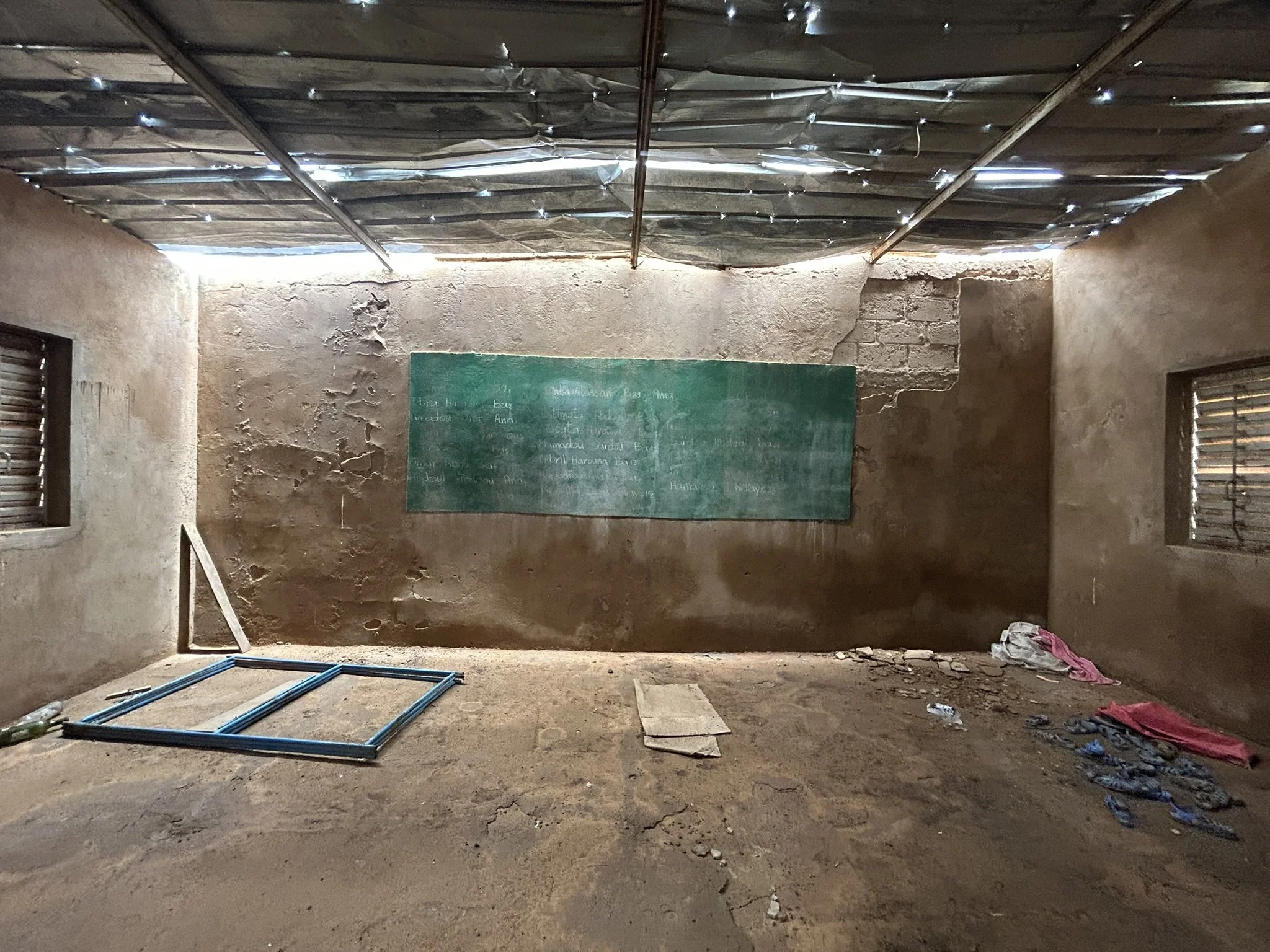
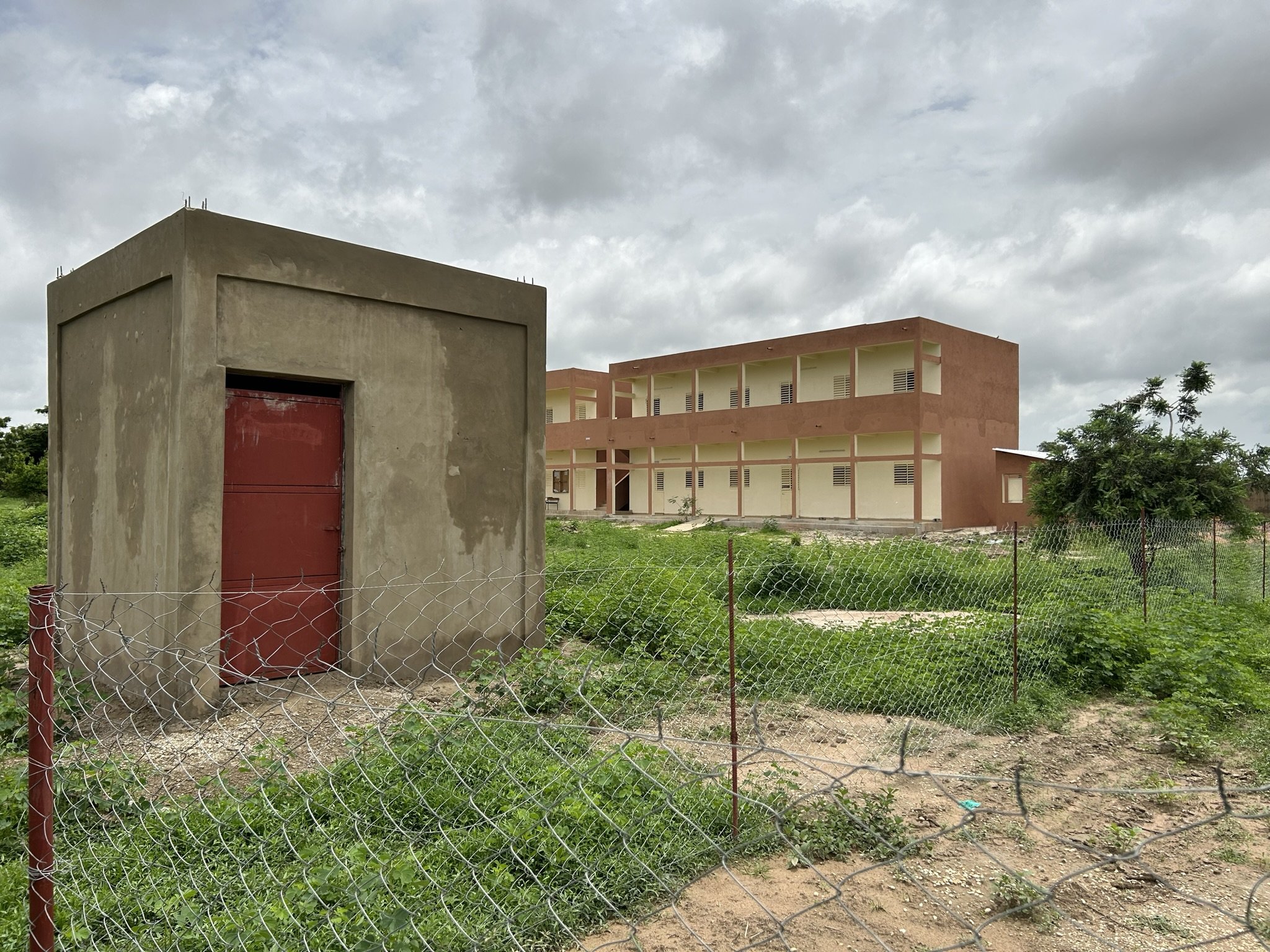
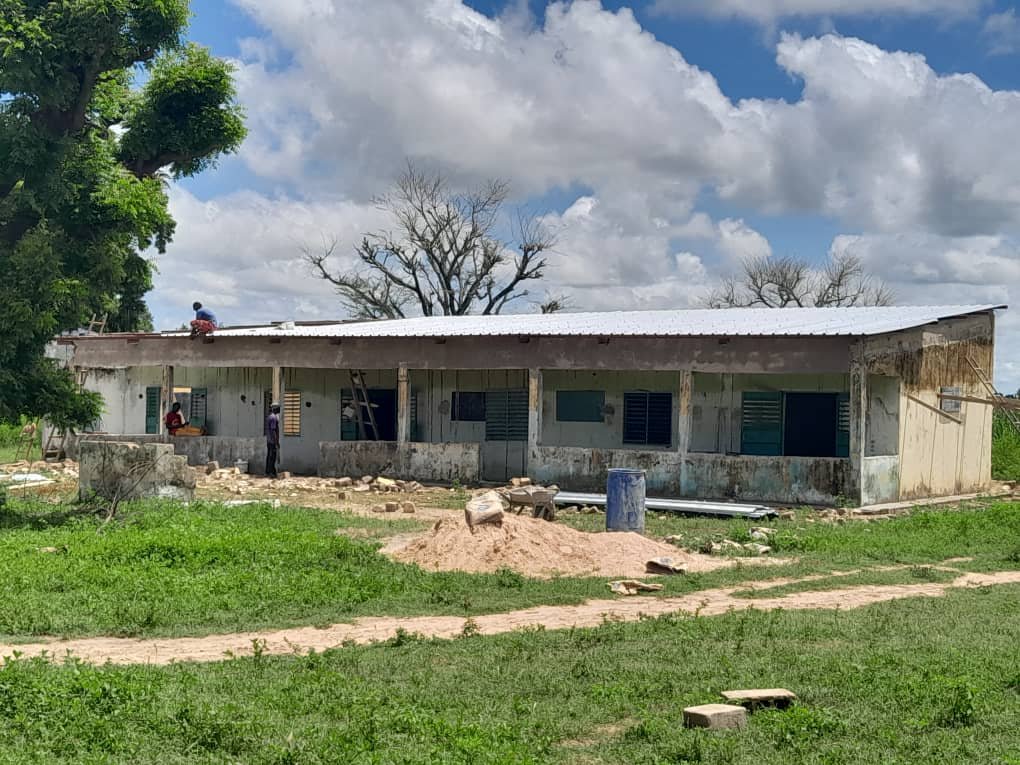
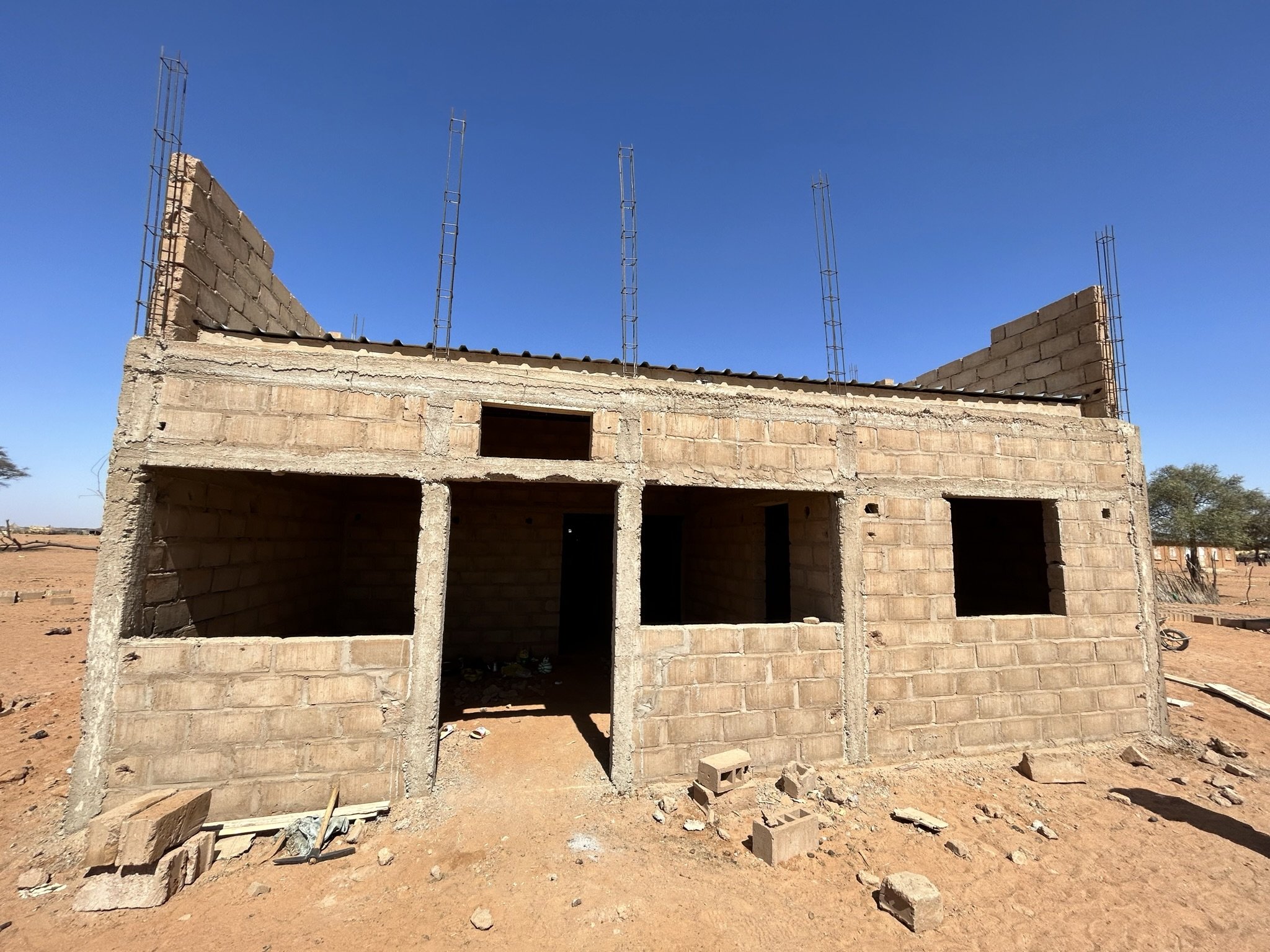
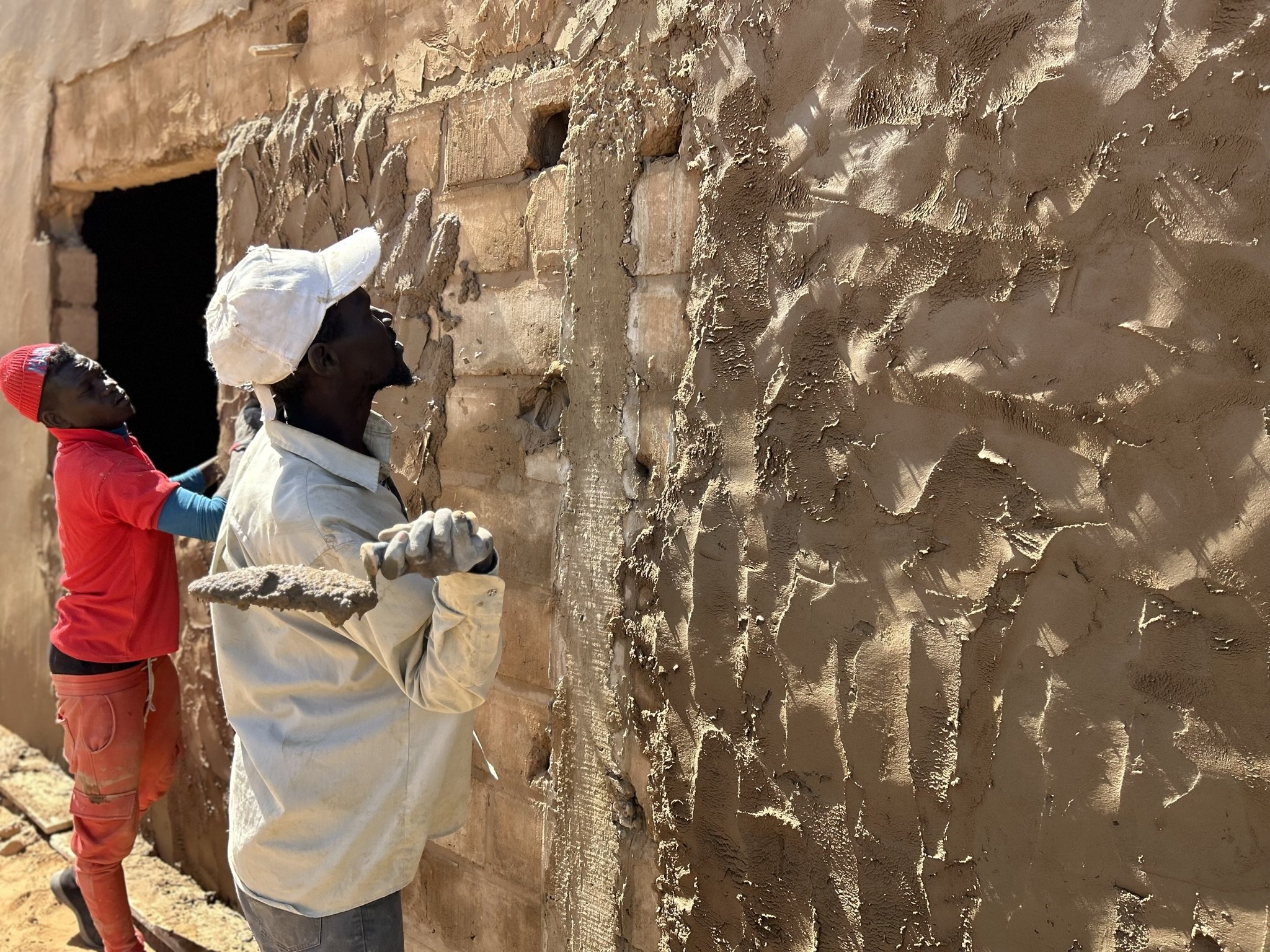
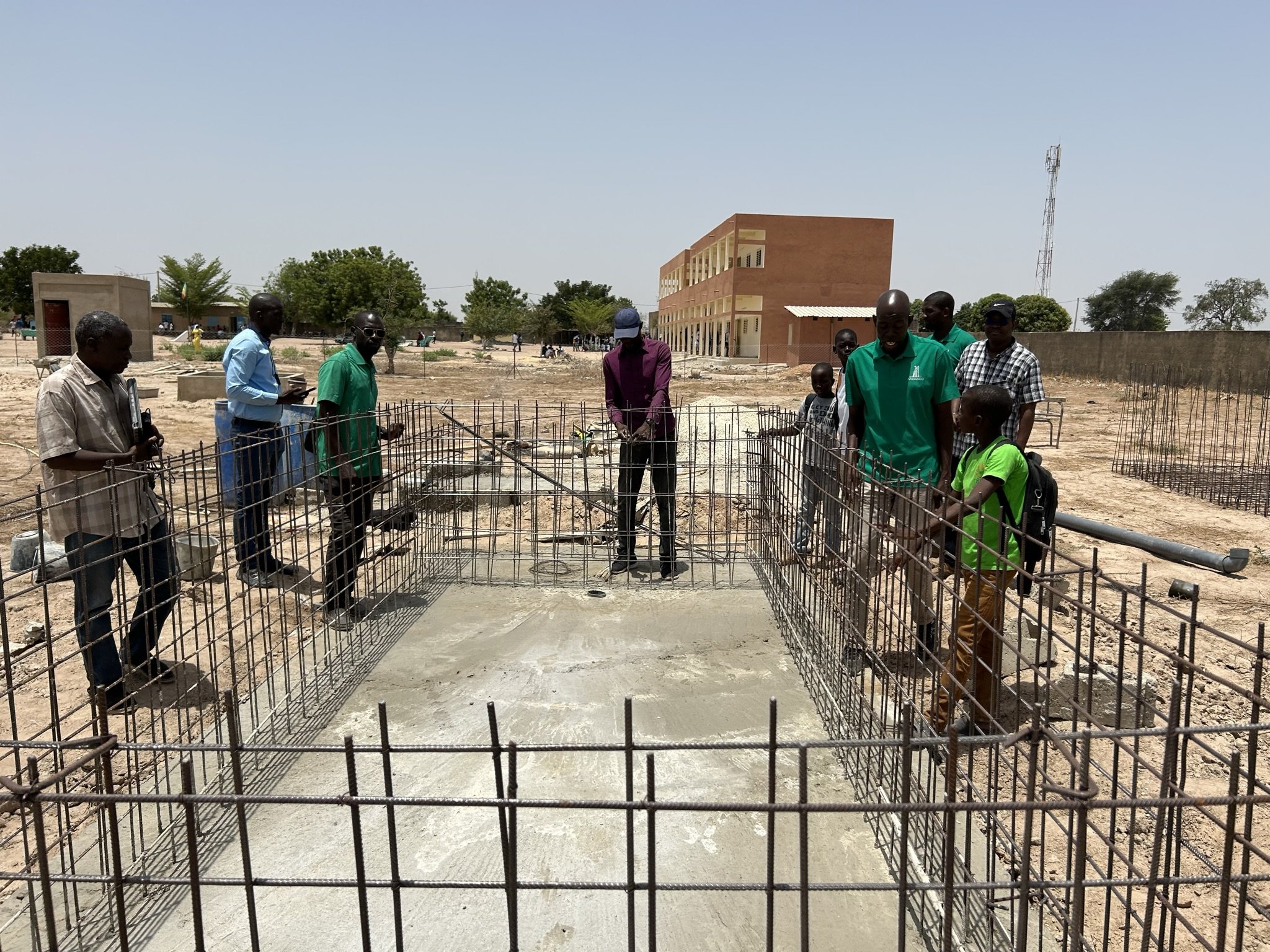
Construction is moving quickly at Ndiakhaté Elementary School, where new classrooms will create space for 100 to 150 additional students.
Farther south in our Kaolack region, work is progressing on Ndiakhaté Elementary School, which is set to open its doors in October, just in time for the start of the school year. In the past, hundreds of students were turned away or chose not to attend school because of a lack of space. With the additional classrooms, 100 to 150 more students will be able to study here. Increased enrollment will also help secure additional teachers, allowing us to continue expanding the school in the years ahead.
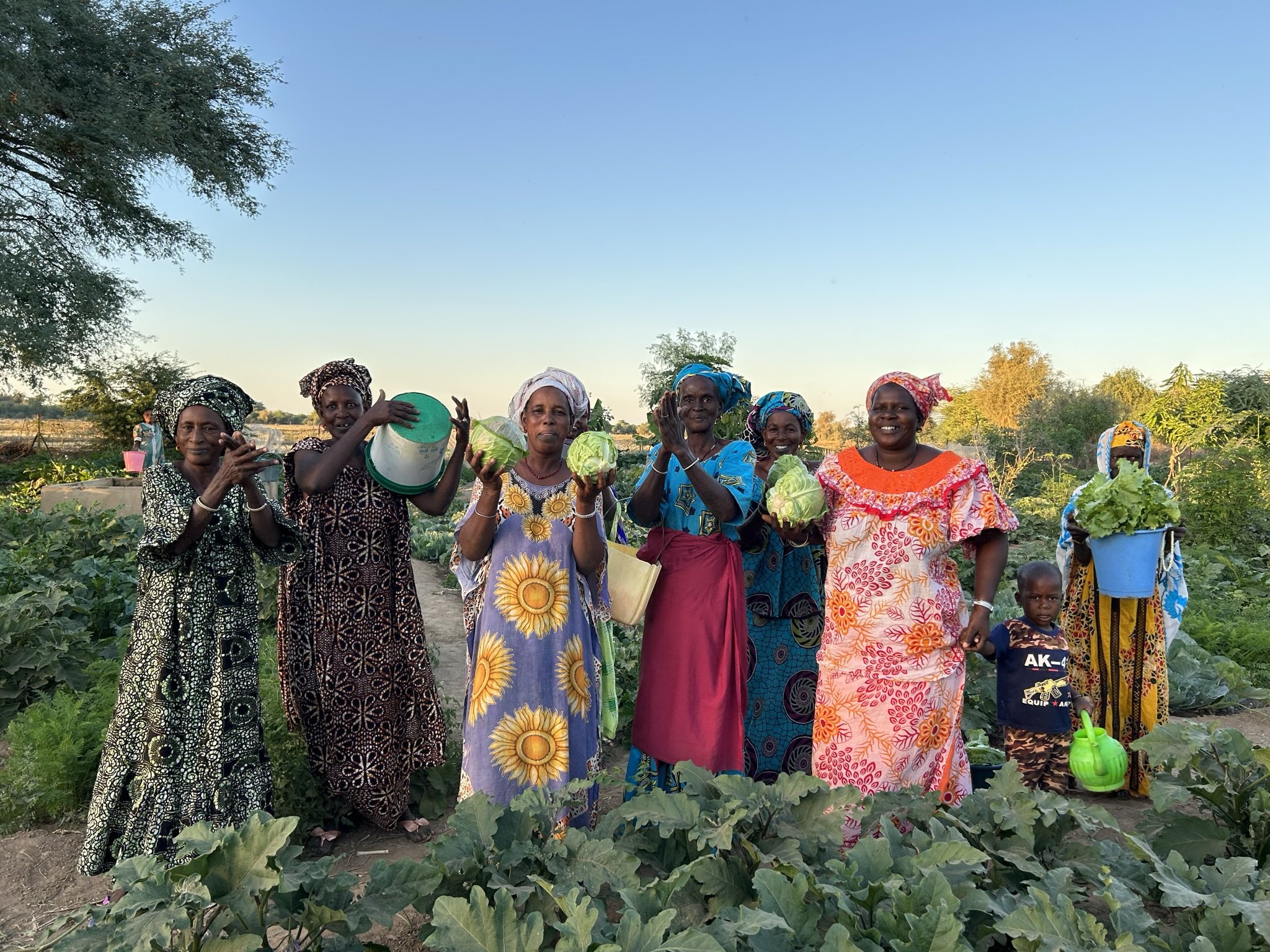
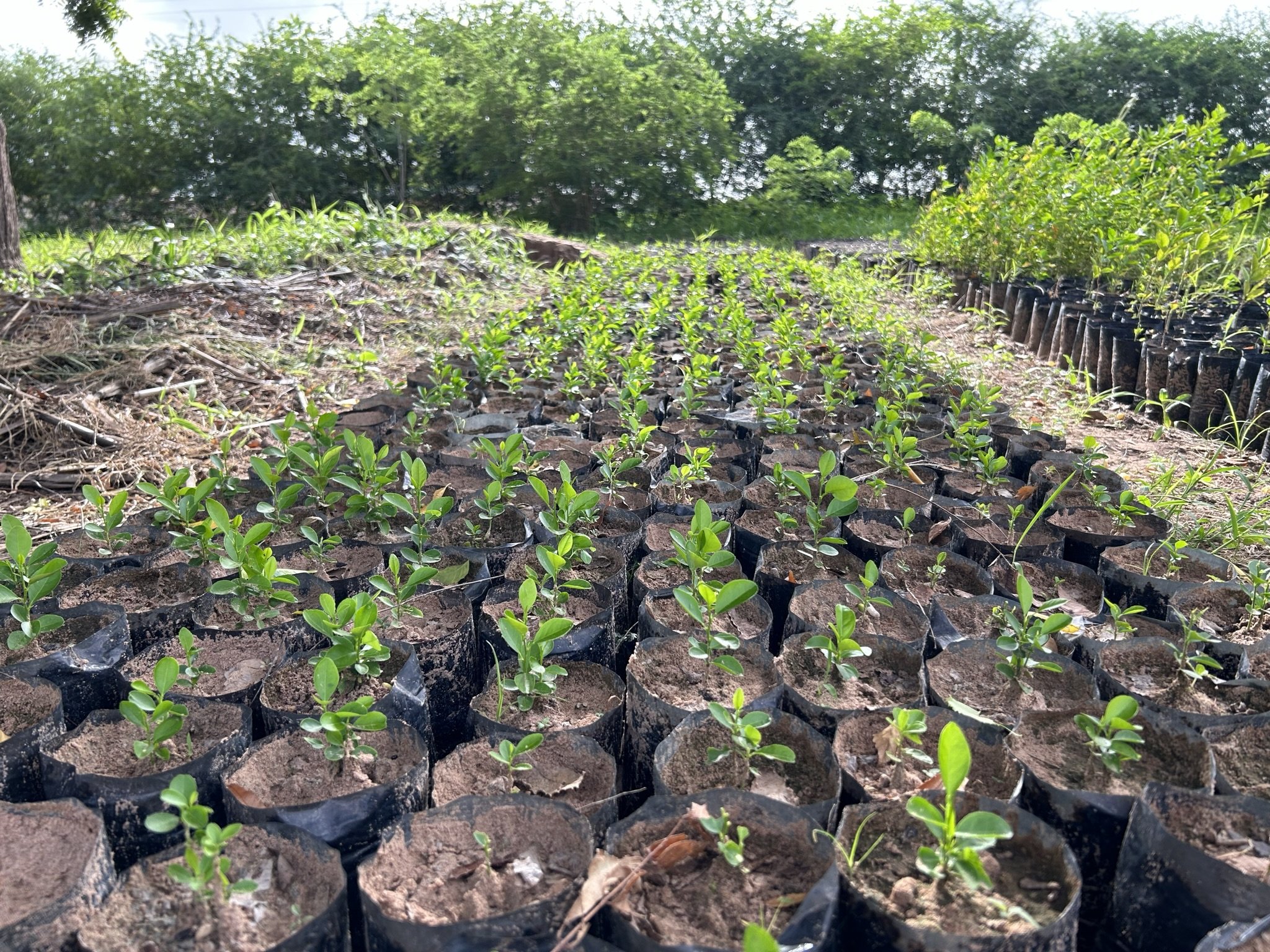
Finally, this month we reached an incredible milestone. Together with our partners, Andando has now planted more than 100,000 trees! A special thank you to Rick Steves’ Climate Smart Commitment, whose support over the years has been instrumental in scaling this work.
To all our supporters, thank you for helping make these achievements, and all of Andando’s work, possible.
“Jéréjëf!” – Thank You!
- Garrison Harward, Executive Director
Garrison@Andando.org