FMNR

Andando Reaches 300 Farmers with $30,000 in Zero-Interest Loans

Farmers from across Andando’s partner communities are receiving loans and additional training to help them to protect and restore the soil by bringing trees back into their fields.

Providing access to small loans ahead of the planting season can make a huge difference for rural farmers like Andando partner Ibrahima Ba.
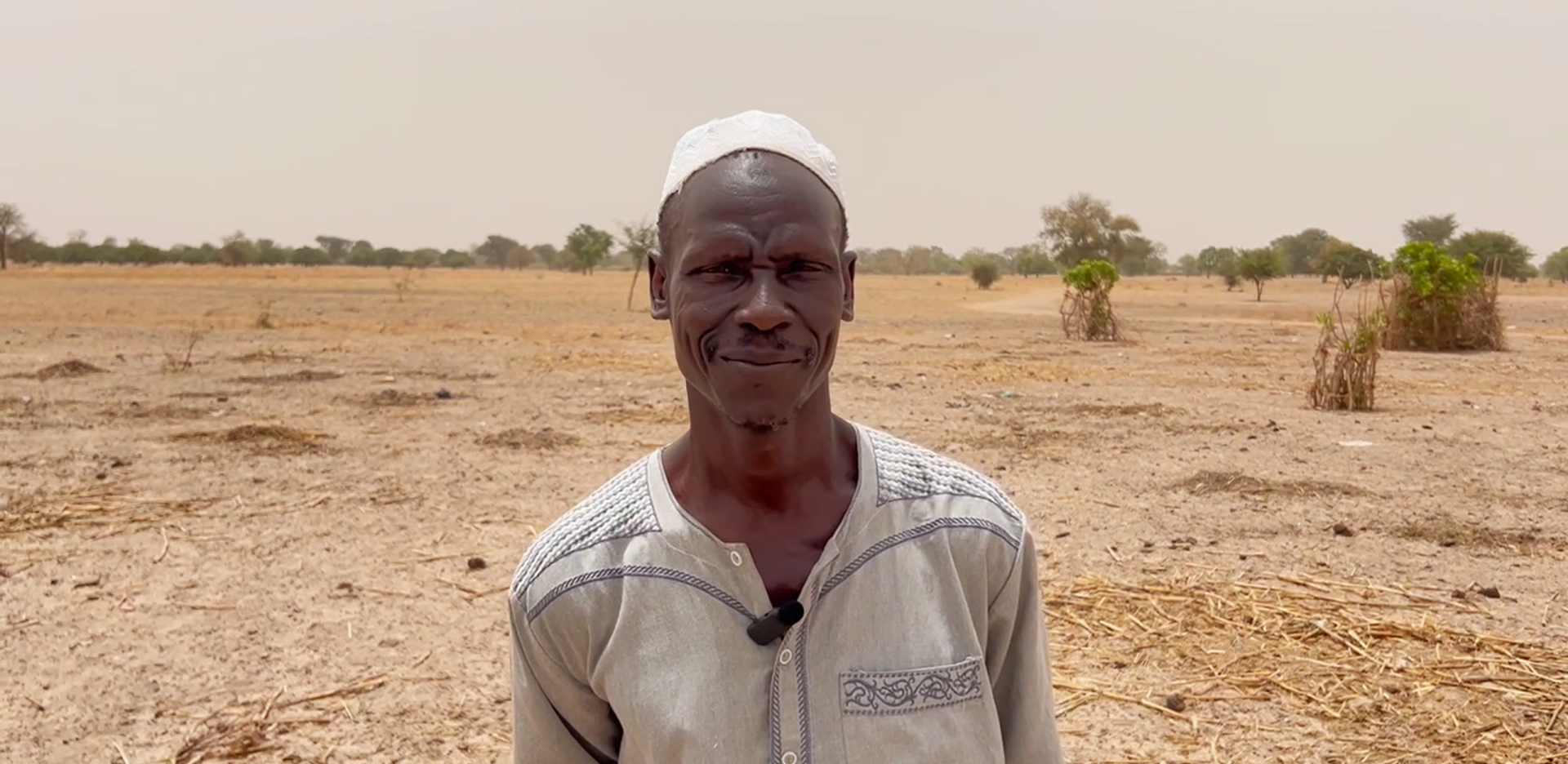
Mr. Ba showed Andando his millet field which is typical for the region. Dry conditions, along with the annual burning of crop debris, has led to a deforested landscape with severely degraded soils.

“The soil is deteriorating more and more. But thanks to your financial support, I was able to get a cart to work with, and with my cart I spread manure on the soil, so I no longer use fertilizer.”

Mr. Ba combined Andando’s support with tremendous effort of his own, reducing his dependence on fertilizer and making his farm more productive and profitable.

His story is not unique. Andando’s microloan recipients are dedicated and innovative, consistently turning modest financial support into meaningful improvements for their farms and families. Their success has pushed us to expand the program and deepen support across our partner communities.

The first step is reaching more farmers. This past month, thanks to the generous support of the Rick Steves’ Climate Smart Commitment, Andando increased our annual loan distribution by an additional 100 zero-interest microloans, bringing the total this year to more than $30,000 disbursed to 300 farmers across 22 villages.
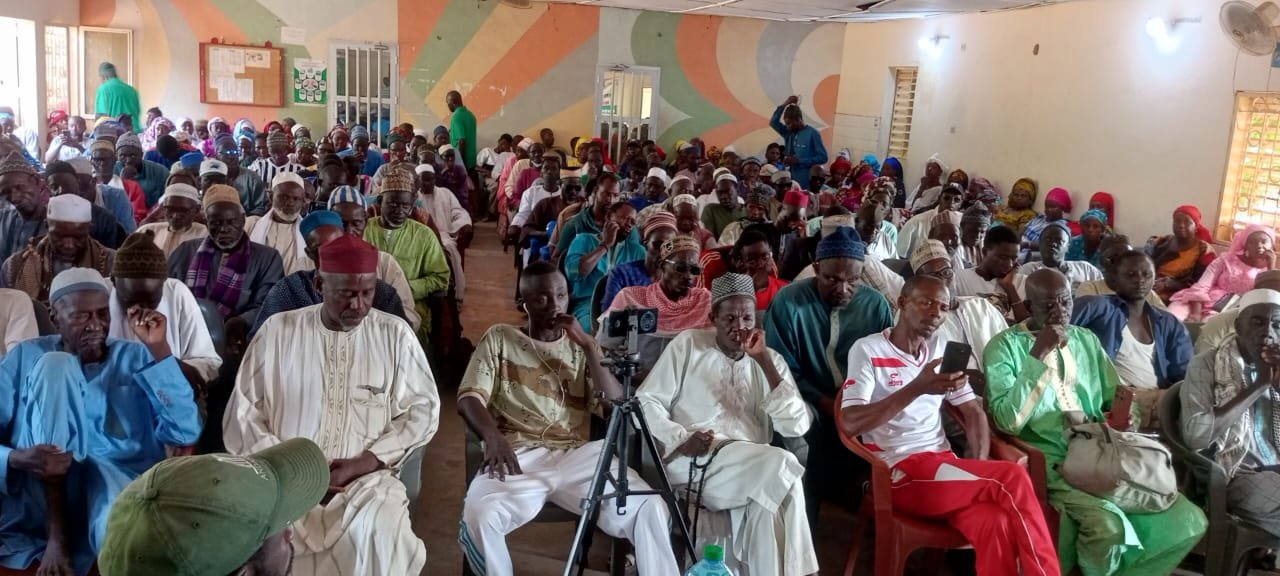
The loan distribution day has now grown to exceed Andando’s training center capacity. These are just some of the 300 farmers who received loans.

The second step is helping farmers build beyond a single season's success. To support this goal, we recently trained this year’s full cohort in Farmer-Managed Natural Regeneration, a method of protecting and managing native trees that naturally regrow on farmland.

Restoring these trees within fields can rebuild depleted soils, protect crops, and make farms more productive over time, while helping restore the wider landscape.
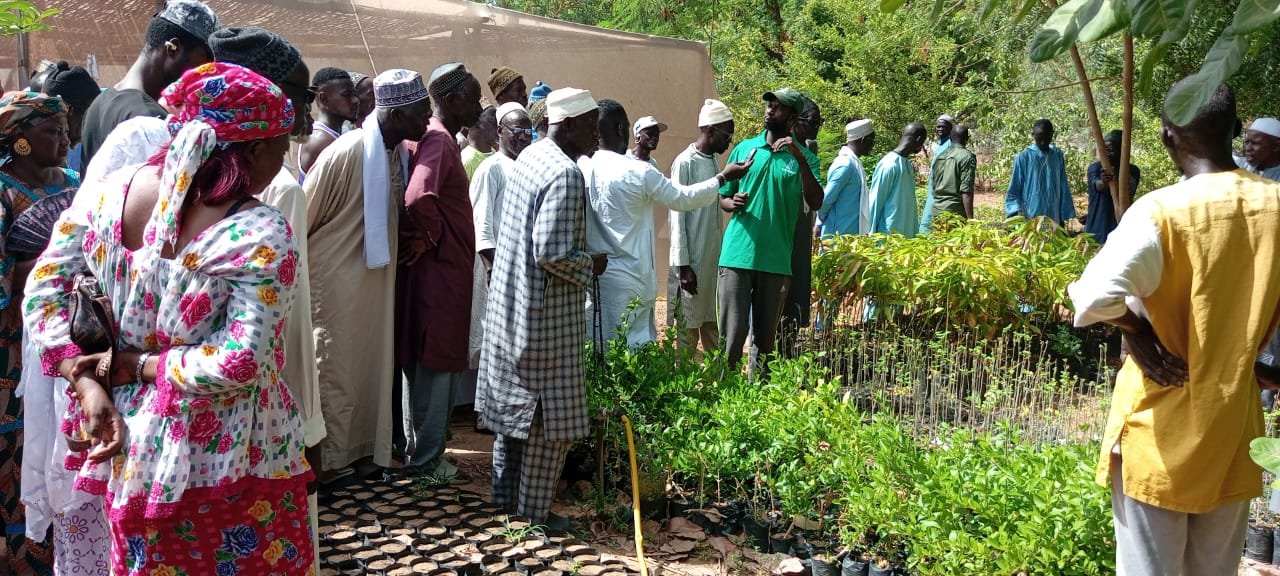
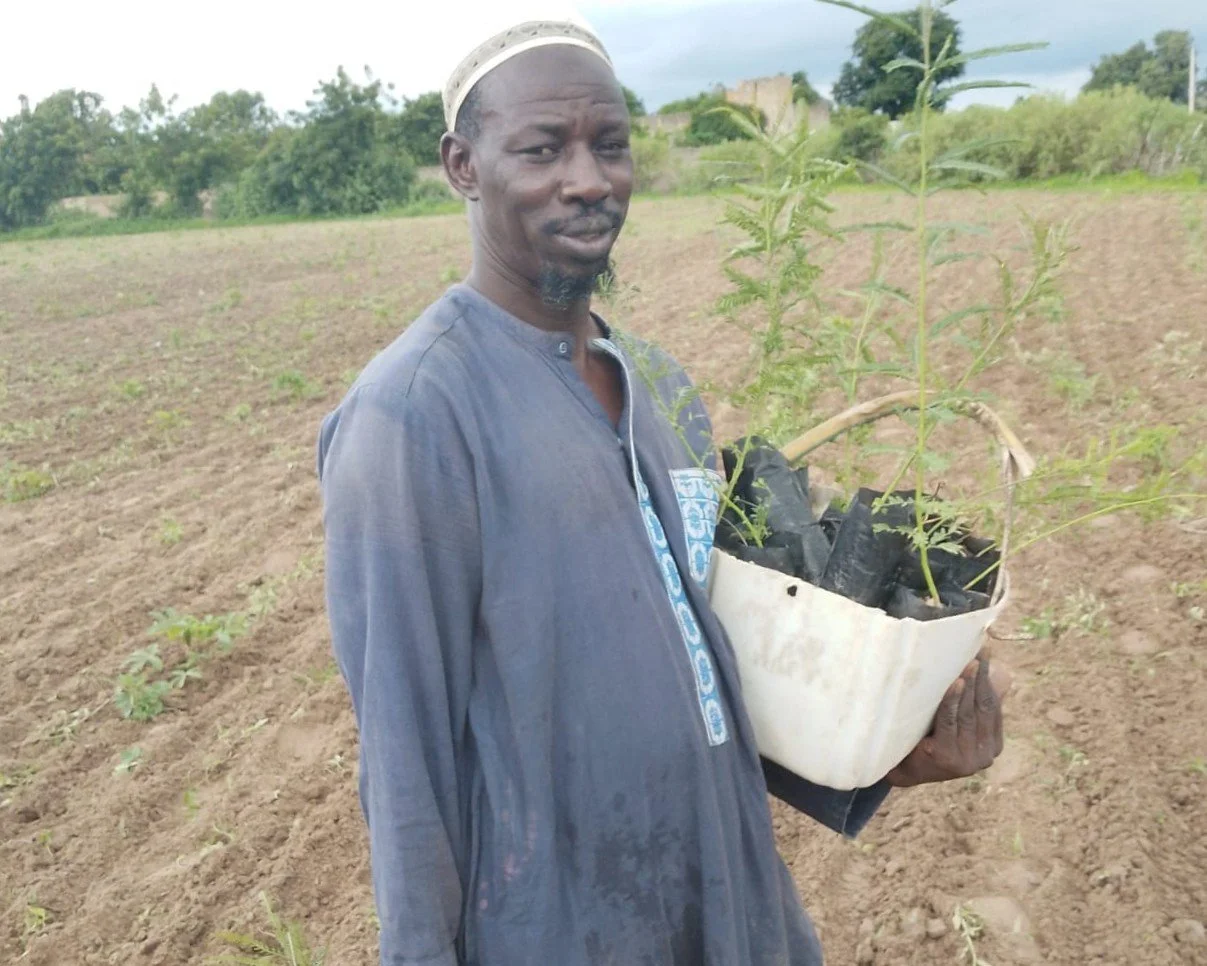
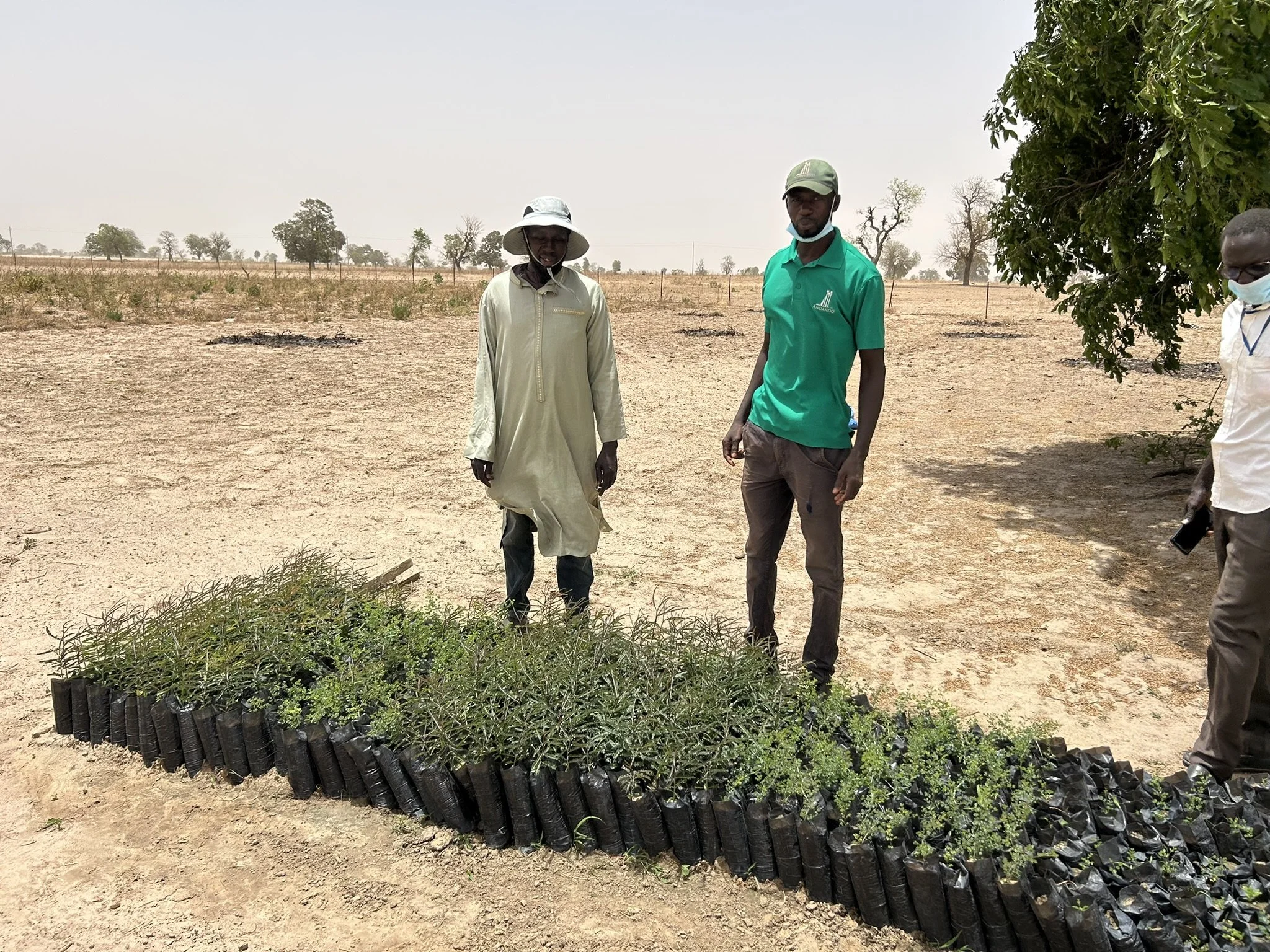
Along with loans each farmer has access to trees from Andando’s nursery, as well as supplies to start their own nurseries closer to home.
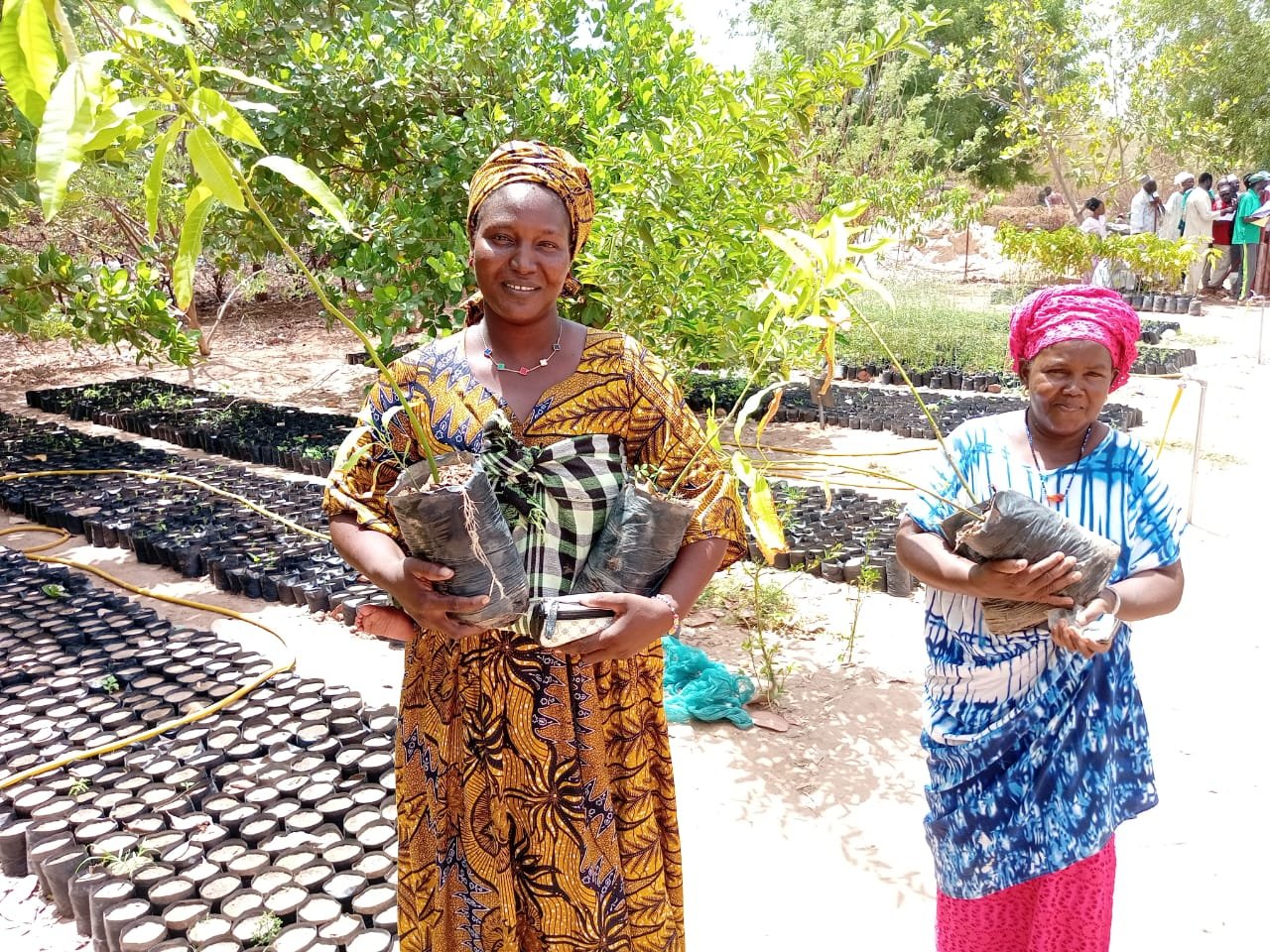
Loan recipients, like the two women featured here, took home trees the very day of the loan distribution.

With continued follow-up and access to additional trees to jump-start restoration, these 300 farmers can begin putting that knowledge into practice. We look forward to sharing what they achieve this season and in the years to come.
Loans, Trees, and the Power to Stay

This summer Andando distributed our annual allotment of nearly 200 microloans to farmers in the Keur Soce region. Year after year, this program quietly multiplies its impact, with the same funds reloaned repeatedly to help families make the most of Senegal’s short rainy season.

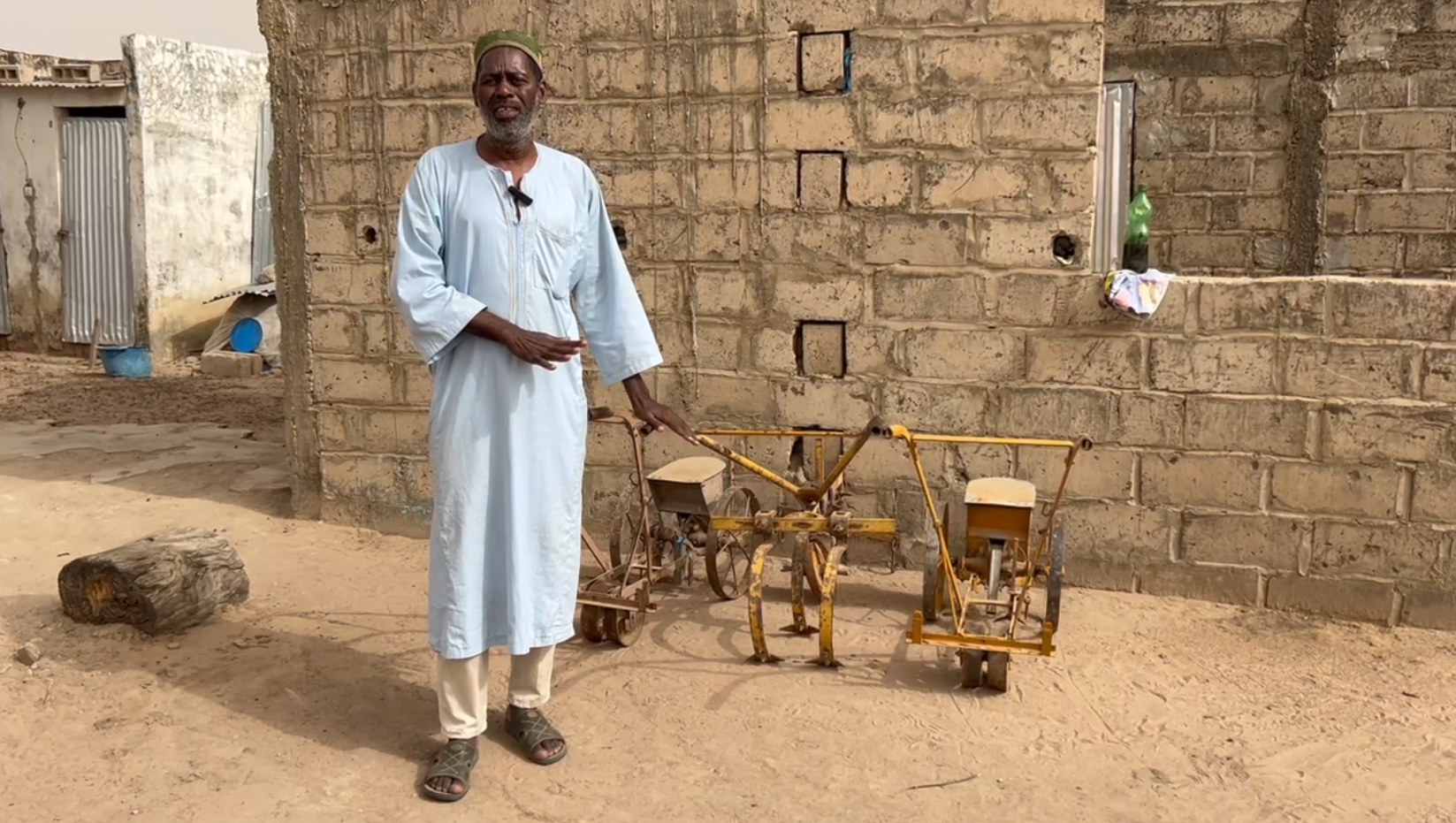
Take the Village Chief of Sama Toucouleur, Mr. Hamath Ka, for example:

With his loan, Mr. Ka purchased a seeder and plow, allowing him to plant on time instead of waiting to borrow equipment.

Before joining this project, every year I would take my seeds and my horse, and I would go to the fields to wait for those who had finished plowing to lend us their equipment. Now people borrow these things from me.
— Hamath Ka, Village Chief of Sama Toucouleur & Microloan Recipient

Having the right equipment means farmers can react quickly when the rains arrive, ensuring stronger harvests. Yet changing rainfall patterns make farming in the Sahel increasingly unpredictable.

Mr. Ka explains: “The harvest depends on the rain because sometimes it can be abundant, other times not. But with trees, it’s much more profitable.”

Across the region, farmers are planting trees alongside their field crops to naturally improve yields.

Andando’s programs are shaped by the voices of our partners, which is why we have expanded tree production over the past two years to respond to these needs.

This year’s microloan recipients received training in restoring their land by planting and protecting native trees.

A farmer from Haffé, another loan recipient, tends his personal nursery of more than 1,000 trees started with Andando’s support.

Today, every microloan recipient also receives trees and training in Farmer-Managed Natural Regeneration, helping to build long-term financial and ecological resilience, which reduces the pressure to migrate abroad. Mr. Ka is a passionate advocate for building a future for his children right here in Senegal.

Mr. Ka dreams of the day when he can fill his fields with trees so they will be as green year-round as the Sama Toucouleur Women’s Garden.

If we protect our fields together with trees, we won’t need to go to Europe to find wealth because we already have it here. The wealth is here, the land is here. All we need is access to water and to protect our fields, and everything will be fine. That’s why I would like help to have a field full of trees, so my family and I can work together.
— Hamath Ka, Village Chief of Sama Toucouleur & Microloan Recipient

Regenerating the Land, One Farmer at a Time

Every year, Andando provides zero-interest microloans to hundreds of farmers in Senegal's Keur Soce region. These loans arrive at just the right moment, helping farmers afford crucial inputs such as seeds and equipment ahead of each rainy season. By supporting timely planting, farmers secure stable harvests, improved incomes, and food security year after year.

Microloan recipient, Modo from Sama Toucouleur, explains the importance that trees play in improving soil health in his fields.

Access to credit is vitally important, but with climate change leading to more extreme weather events, unpredictable rains, and rapid soil loss, our farmers need new techniques as well to help them adapt to this changing and unpredictable landscape. Thanks to the generous support of our donors and partners, including the Rick Steves’ Climate Smart Commitment, Andando is now integrating Farmer-Managed Natural Regeneration (FMNR) into our microloan program.

By protecting and nurturing young native trees that are naturally sprouting in fields, farmers can reap the benefits of increased soil fertility, decreased erosion, and improved water infiltration and moisture retention. This is less costly and labor intensive than planting entirely new trees.

FMNR is an elegant solution that taps into nature’s own power to restore itself. Rather than planting entirely new trees, which can be costly and labor-intensive across large agricultural areas, FMNR focuses on partnering with farmers to protect and nurture young native trees already naturally sprouting in their fields. When these trees are carefully selected, and protected to maturity, the results are remarkable. Over time, the benefits compound: richer soils produce better crops, trees store carbon, and communities become more resilient against climate extremes.

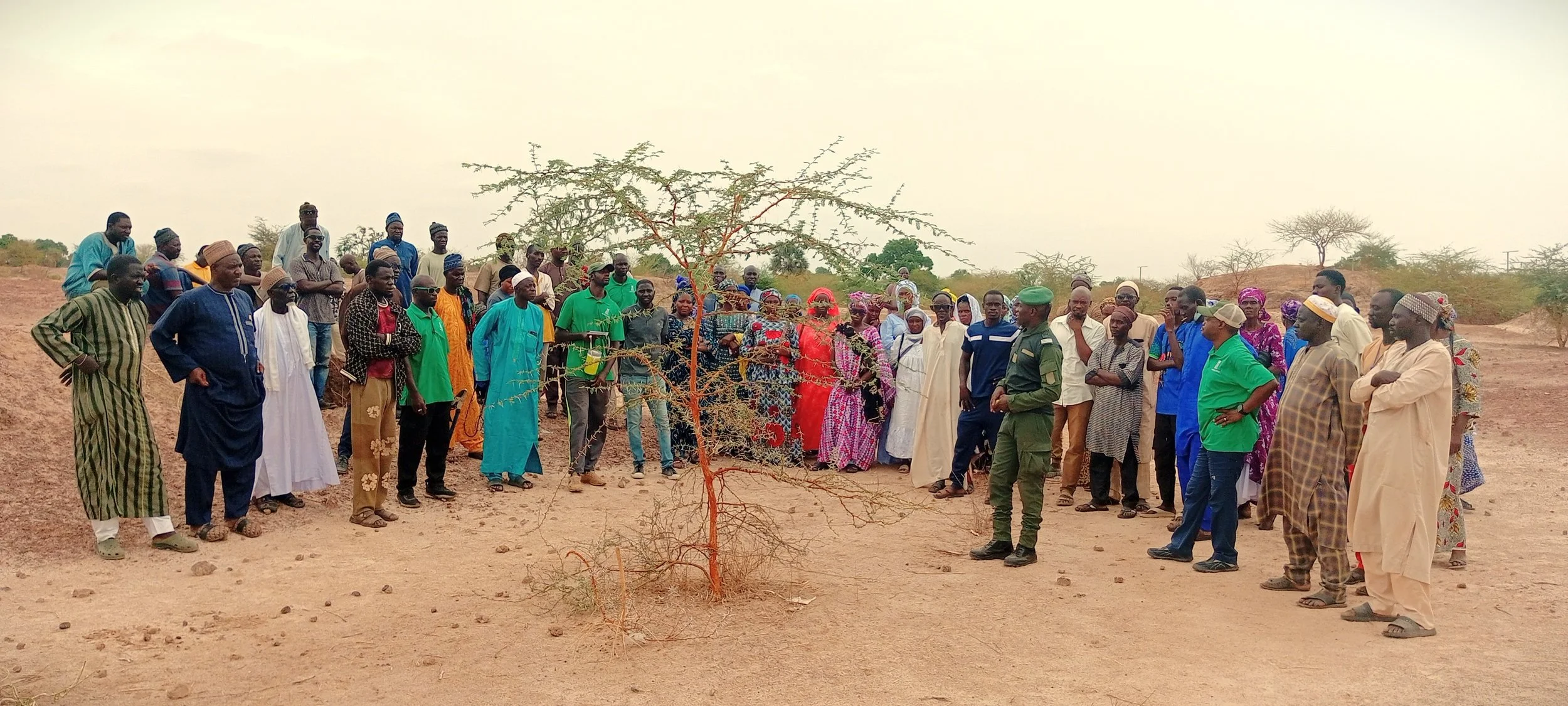
Some of the 234 farmers who participated in the first-ever Farmer Managed Natural Regeneration training held at the Andando Keur Soce Training Center.

This past February Andando offered our first ever intensive training in FMNR techniques, and the response far exceeded our expectations. 234 farmers in Keur Soce enthusiastically participated in our four-day workshop, learning both the technical aspects of tree identification and protection, along with how to teach and promote the practice to their neighbors across the region.

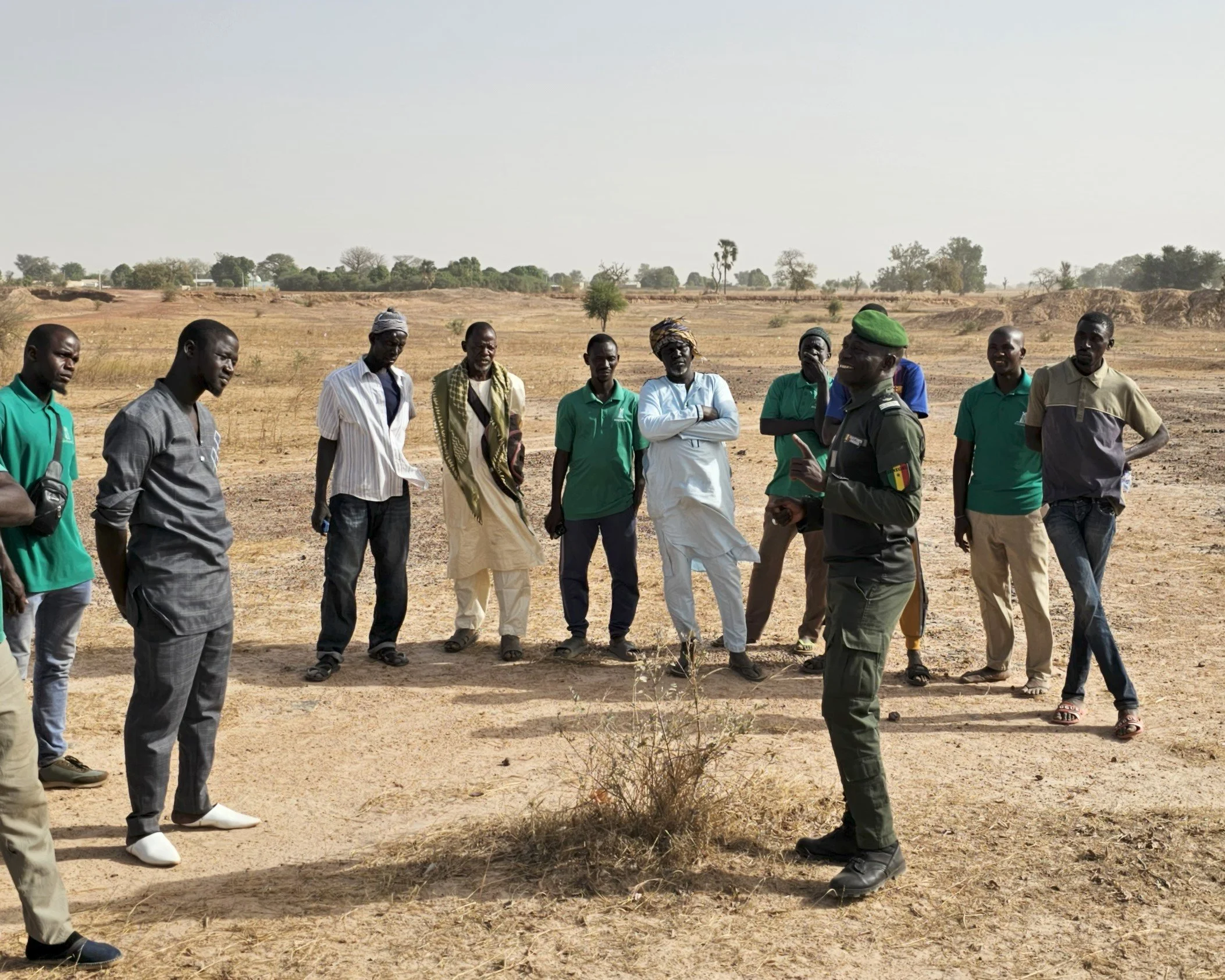
Expert trainers such as Captain Bodian from the Department of Water and Forests helped lead the four-day workshop on Farmer Managed Natural Regeneration.

The excitement among the participants was inspiring, confirming that farmers themselves are ready to lead the way toward a greener, more sustainable future. See what Aliou Ba had to say about the training:

 
If we want the county to change, and for tomorrow, for the next generation who will replace us, to be comfortable, we should change our behavior. For now, it starts with us, who have been trained, and it’s good, that’s what I can say.
— Aliou Ba, Farmer and Microloan Recipient

At Andando, we're proud to support these farmers not just with loans, but with the knowledge and tools to create lasting, farmer-driven environmental change. Through a combination of tree planting and FMNR our partners across Senegal, from women’s garden groups to school environmental clubs, health clinics, and microloan recipients, are creating lasting benefits not only for their own families and communities but for the wider global fight against climate change.

Enthusiastic participants gained from classroom and hands-on demonstrations on how to incorporate FMNR into their farming practices.

We can’t wait to see how this grows. Stay tuned!