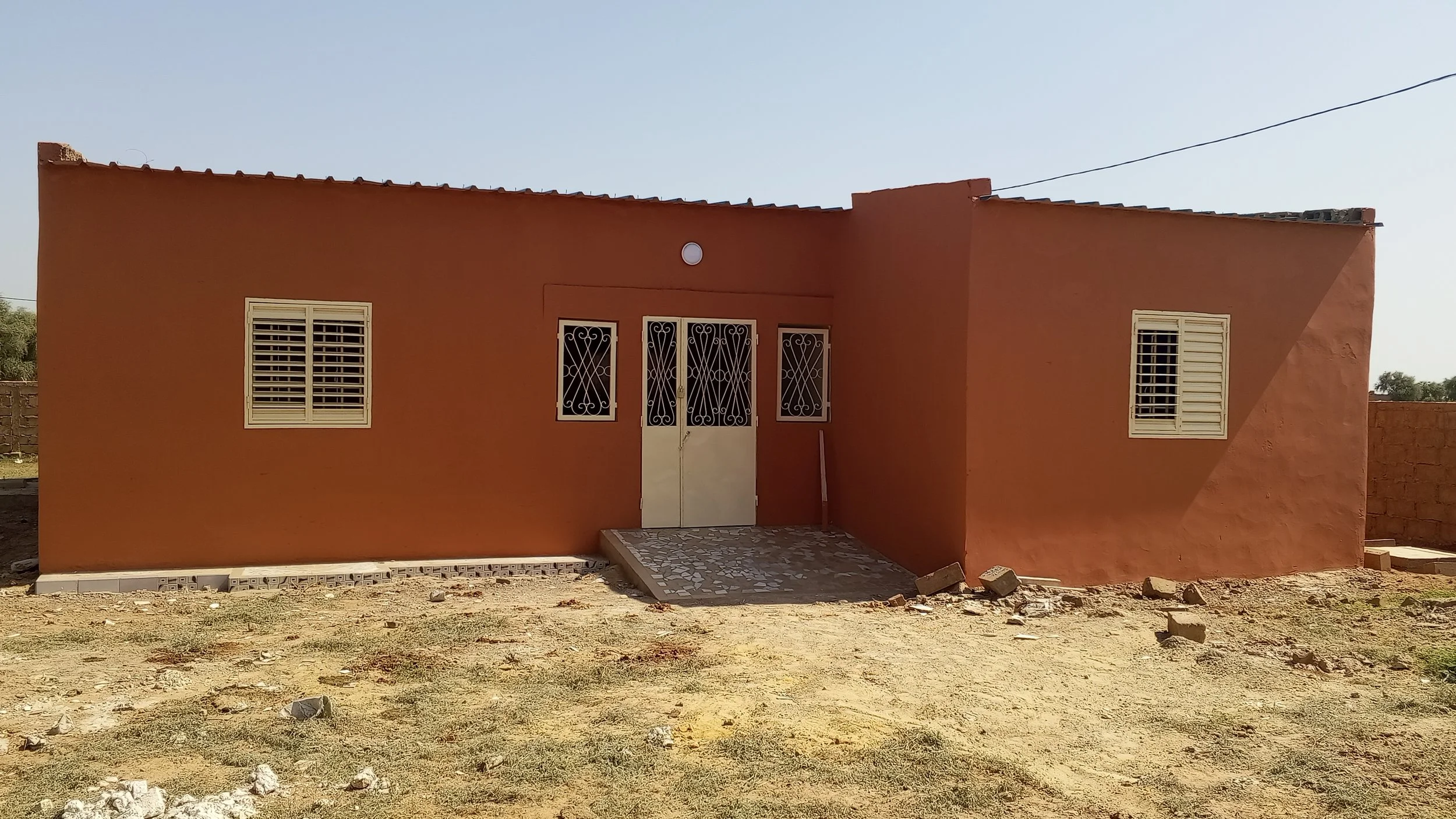
A few months ago, we shared the story of our partners in Belel Kelle, who had taken it upon themselves to begin building a new maternity ward. They made incredible progress but eventually reached the limits of what they could complete on their own and came to Andando seeking help.
Today, that maternity ward is completed, fully furnished, and operational!
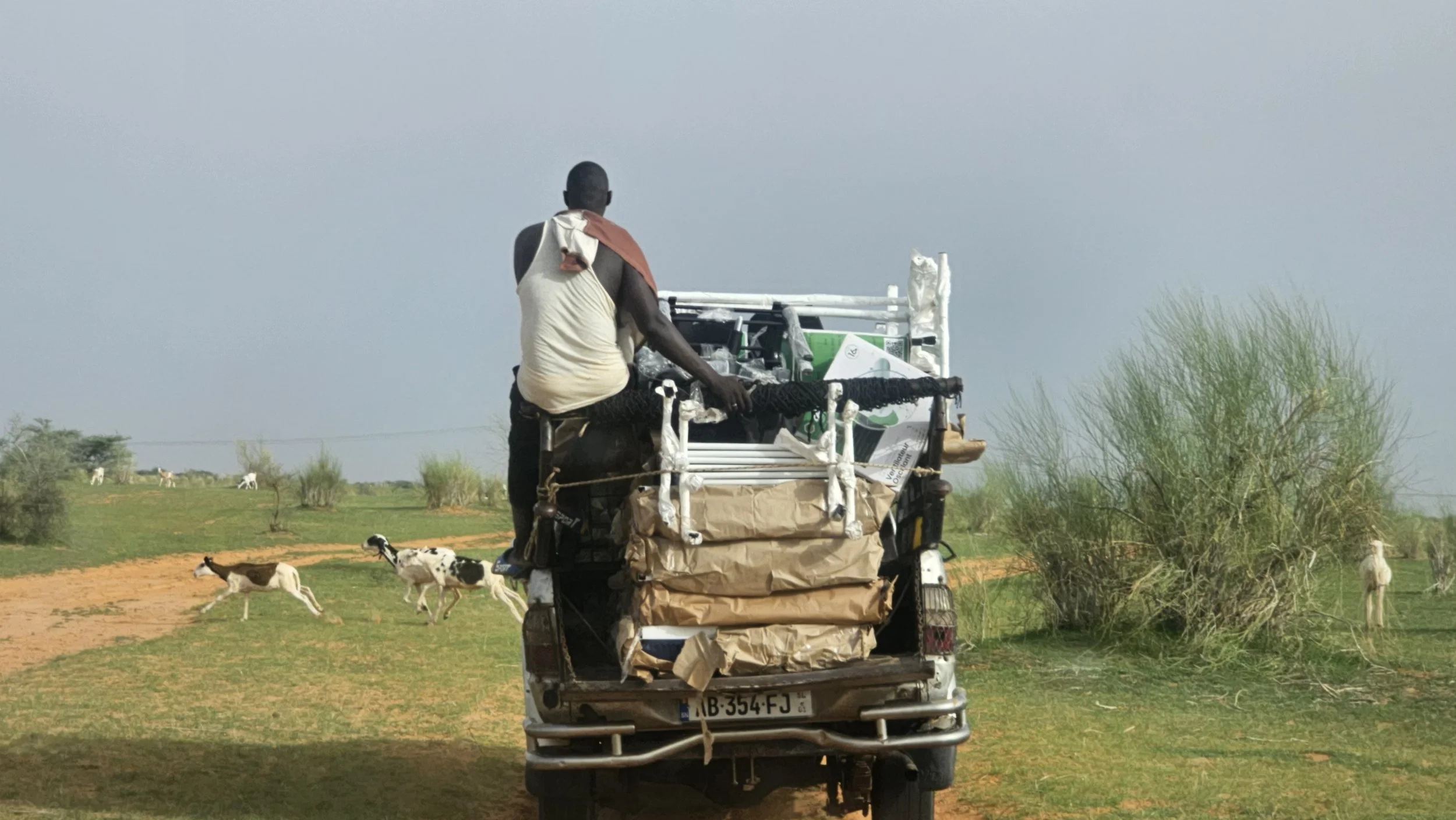
A truckload of equipment heads to Belel Kelle’s new maternity ward.
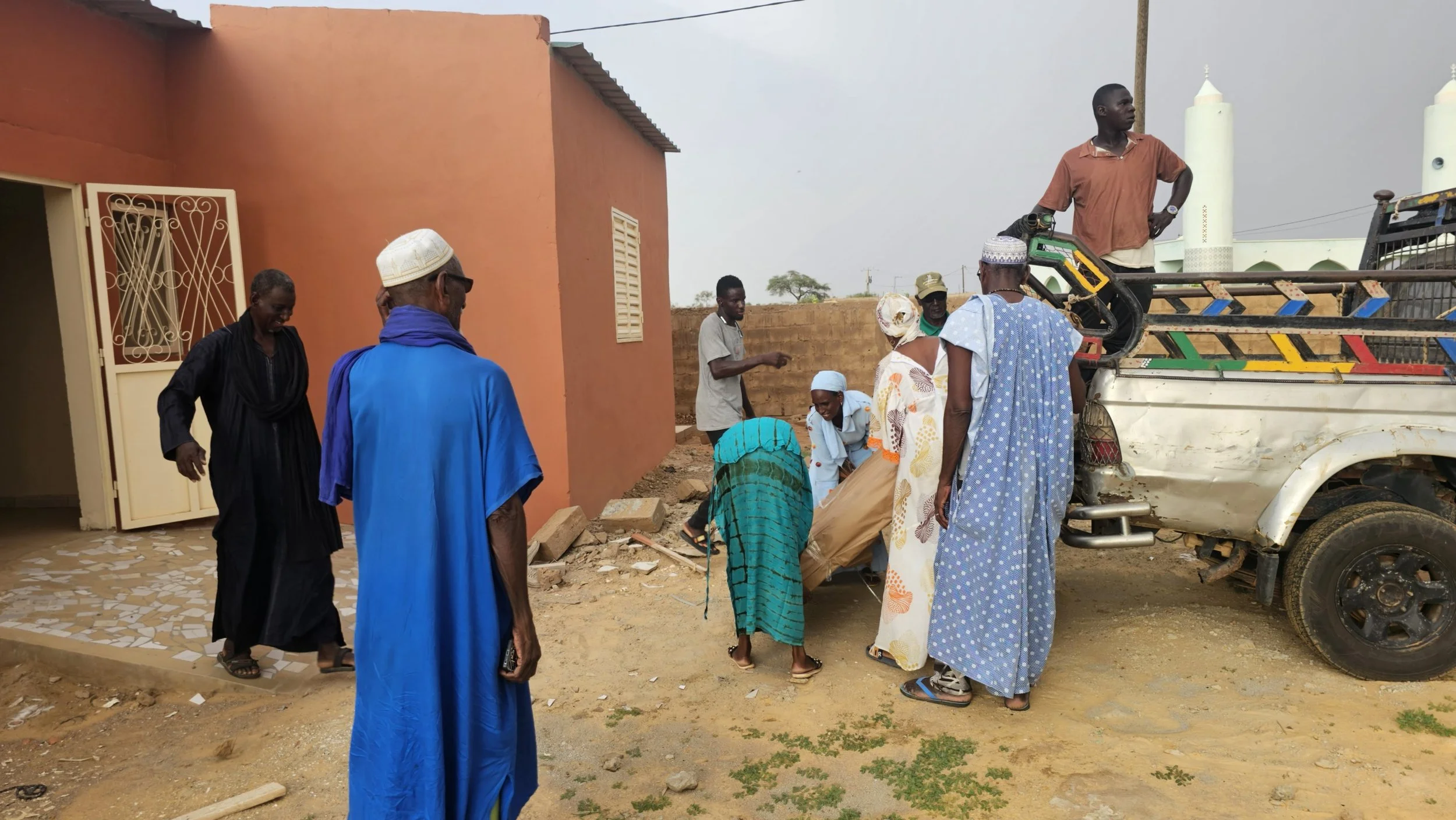
Many hands make quick work of unloading the new maternity equipment.
Belel Kelle itself is home to just over 1,000 people, but the importance of its health post extends far beyond the village.
Located in the Diéri grazing lands south of the Senegal River, Belel Kelle serves as a crossroads for dozens of smaller communities scattered across this vast rural area. More than 5,000 people depend on the health post for care. The expanded facility is expected to support approximately 150 births each year, help staff screen and monitor more than 500 children for malnutrition, and provide thousands of additional services ranging from prenatal consultations and vaccinations to malaria treatment and routine primary care.
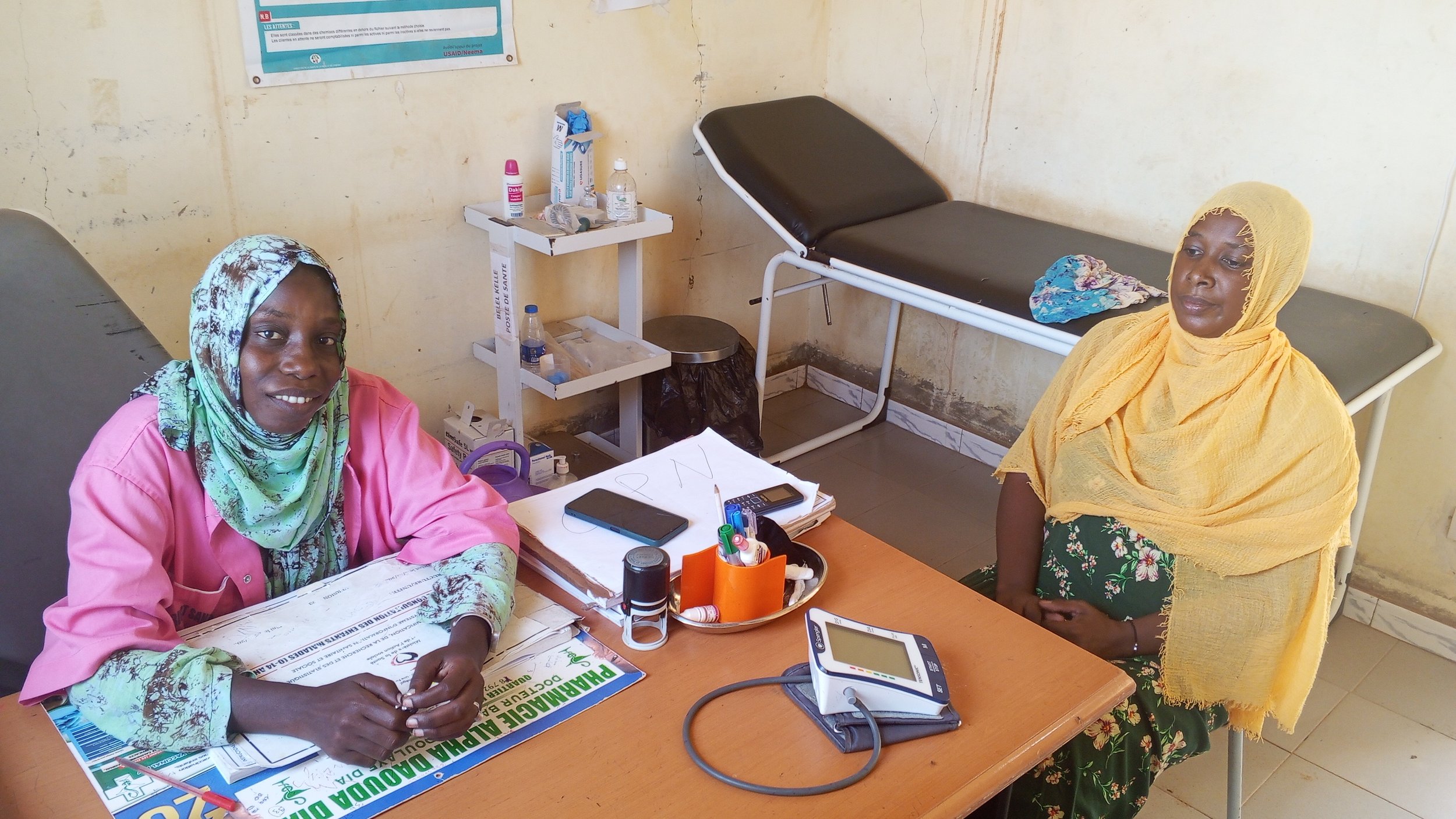
Salamata (left) with one of Belel Kelle’s nurses in her new office and exam room, where they can meet with patients and provide prenatal and postnatal care.
This new facility is truly a lifeline for rural communities where access to care closer to home can make a tremendous difference, particularly for mothers and their babies. When a rural health facility does not have enough space, equipment, or supplies to receive patients, families cannot simply choose another clinic on the other side of town. And for a woman in labor, making the arduous trek 15 to 30 miles by horse cart to the nearest hospital may be impossible, leaving her little choice but to give birth at home, far from medical intervention if something goes wrong.
Bringing a fully equipped facility closer to home not only gives mothers easier access to a safe birthing environment, but also allows them to receive regular prenatal and postnatal care, helping staff identify potential complications before they become emergencies.
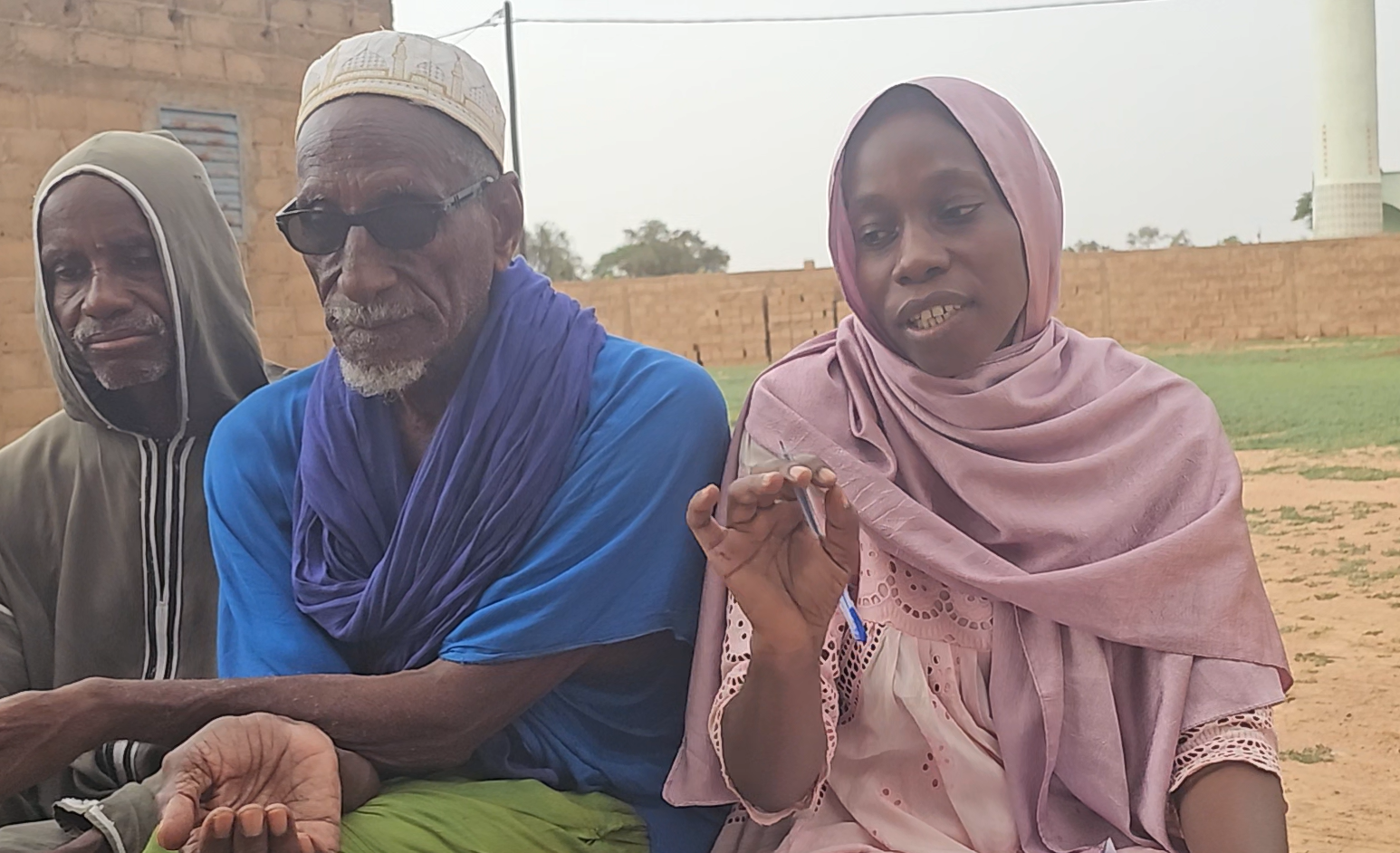
Salamata Diallo was eager to tell us about the difficult conditions her team had been working in.
The importance of the new facility is best explained by Salamata Diallo, the head midwife in Belel Kelle, who has seen firsthand what these improvements mean for her staff and the families they serve:
“Before my arrival, the maternity was in the same building with other health services. It was narrow and difficult to work in. But Mash’Allah, Belel’s population started building this maternity ward, and Andando came to finish the work and bring the equipment.
They have done a great job. We are truly happy. But if you have a maternity without equipment, you cannot work. Even basic equipment like a blood pressure monitor is important. We can’t treat our patients without checking blood pressure, temperature, and so on. So we will do our best to preserve this equipment.
Also, the staff here is great. They do a great job. They are always by my side. So they will help me with the job, and our fight against diseases, neonatal mortality, and pregnancy complications.
We will do our best to keep our population in good health inch’Allah. Thank you so much Andando. We’re grateful to have you, and we pray that God guides you in all your endeavors.”
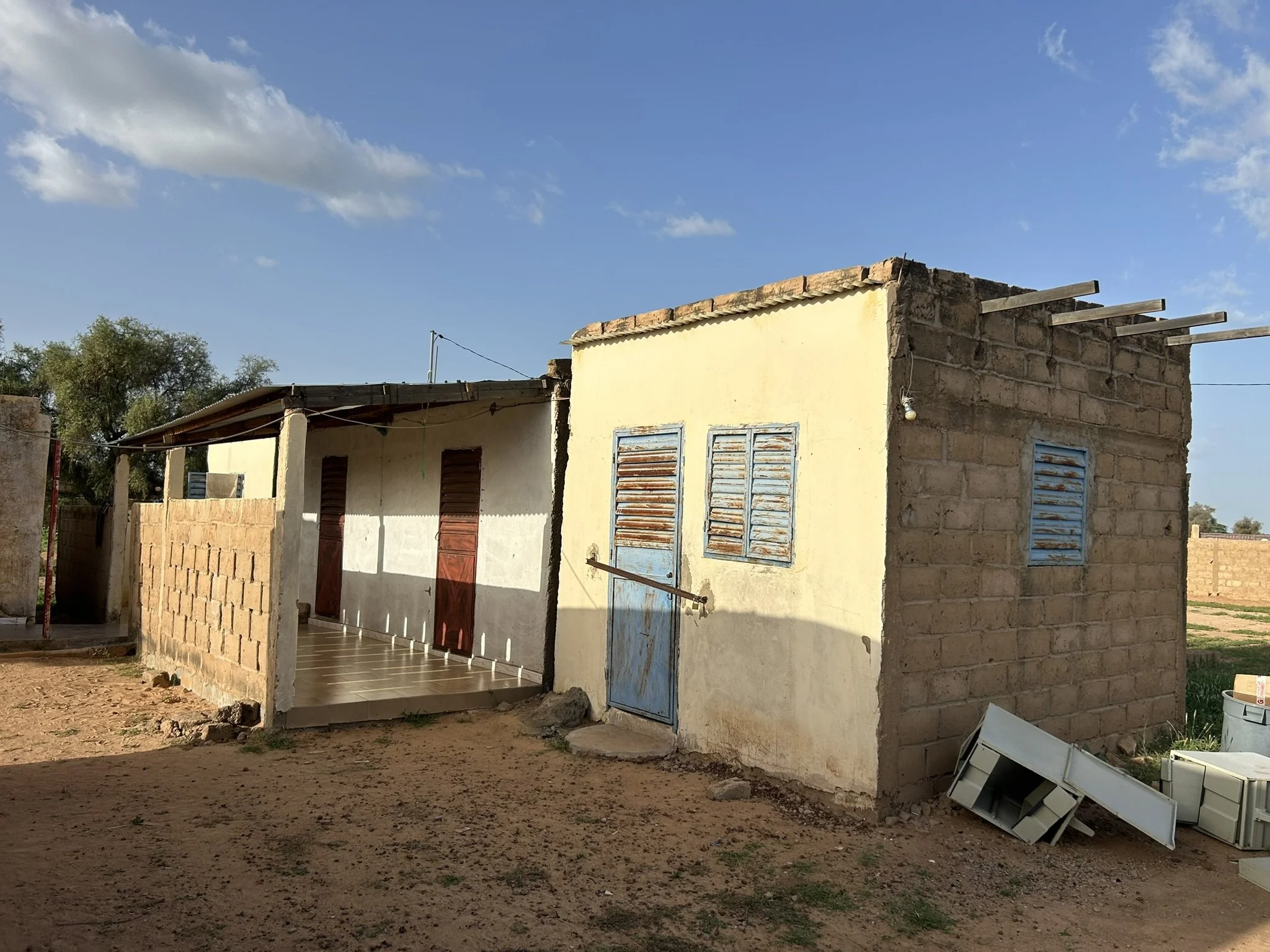
Before the expansion, maternity care was extremely limited due to lack of space.
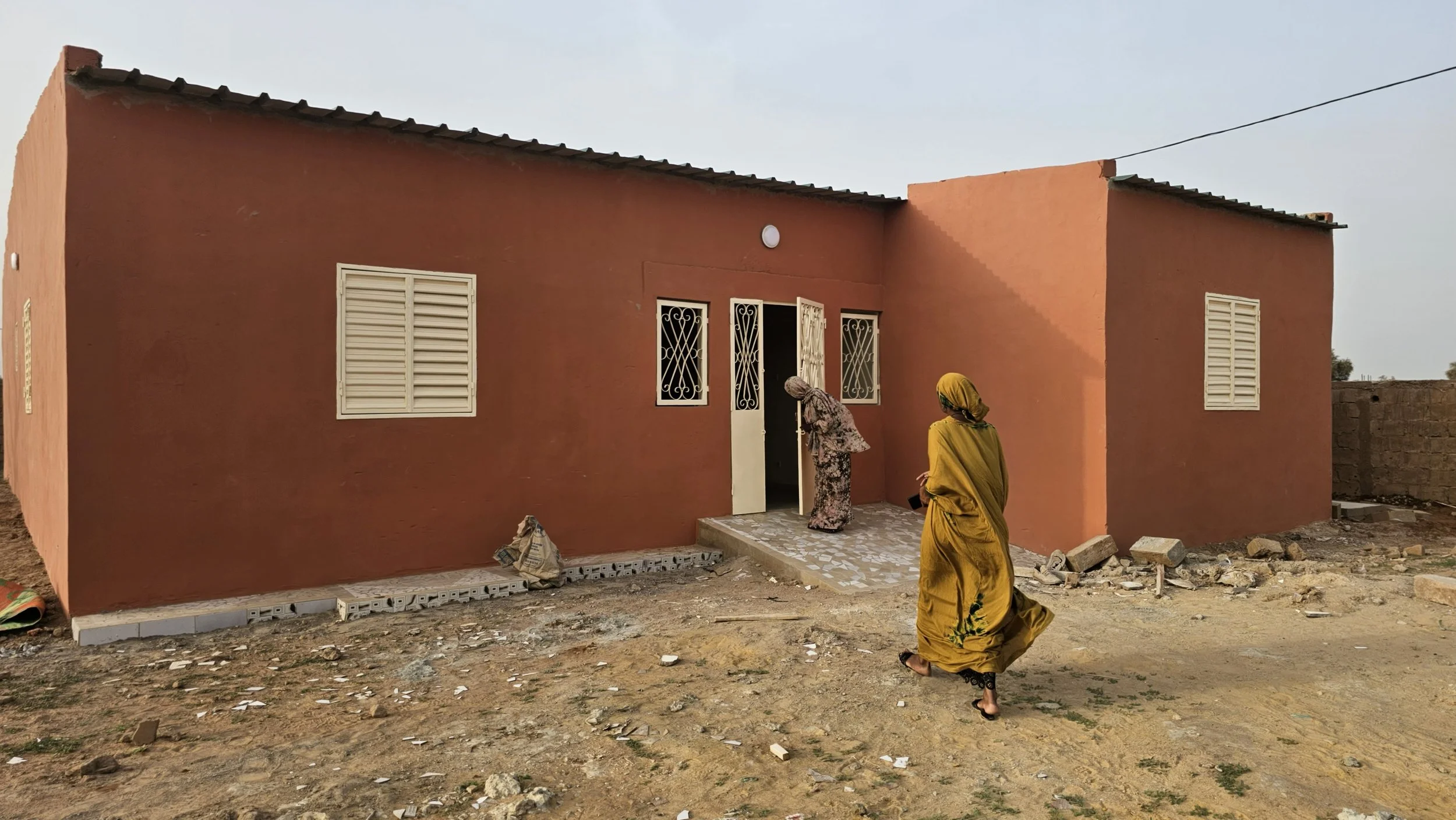
The new facility will be able to serve at least 150 women each year who come here to give birth.
We are deeply grateful to Hub City Church, whose generous support made it possible for Andando to help Belel Kelle complete and equip this maternity ward.
Health workers like Salamata and her colleagues are working tirelessly to improve outcomes for women and their babies. They already have the training, commitment, and determination to make a difference. What they too often lack are the facilities, equipment, and supplies that allow them to put those skills fully to work.
We are honored to bring our community of supporters together with dedicated local health workers like these to help close that gap. And Belel Kelle is not alone. Across rural Senegal, other communities face many of the same challenges and are ready to strengthen the care available close to home.
With your help, Andando is ready to partner with more communities like Belel Kelle and give skilled health workers the tools they need to save lives and build healthier futures for everyone who depends on their care.