Senegal’s public health system operates in an incredibly difficult and resource-constrained environment, which makes its gains in reducing infant and maternal mortality, lowering child stunting, and preventing tropical diseases all the more impressive.
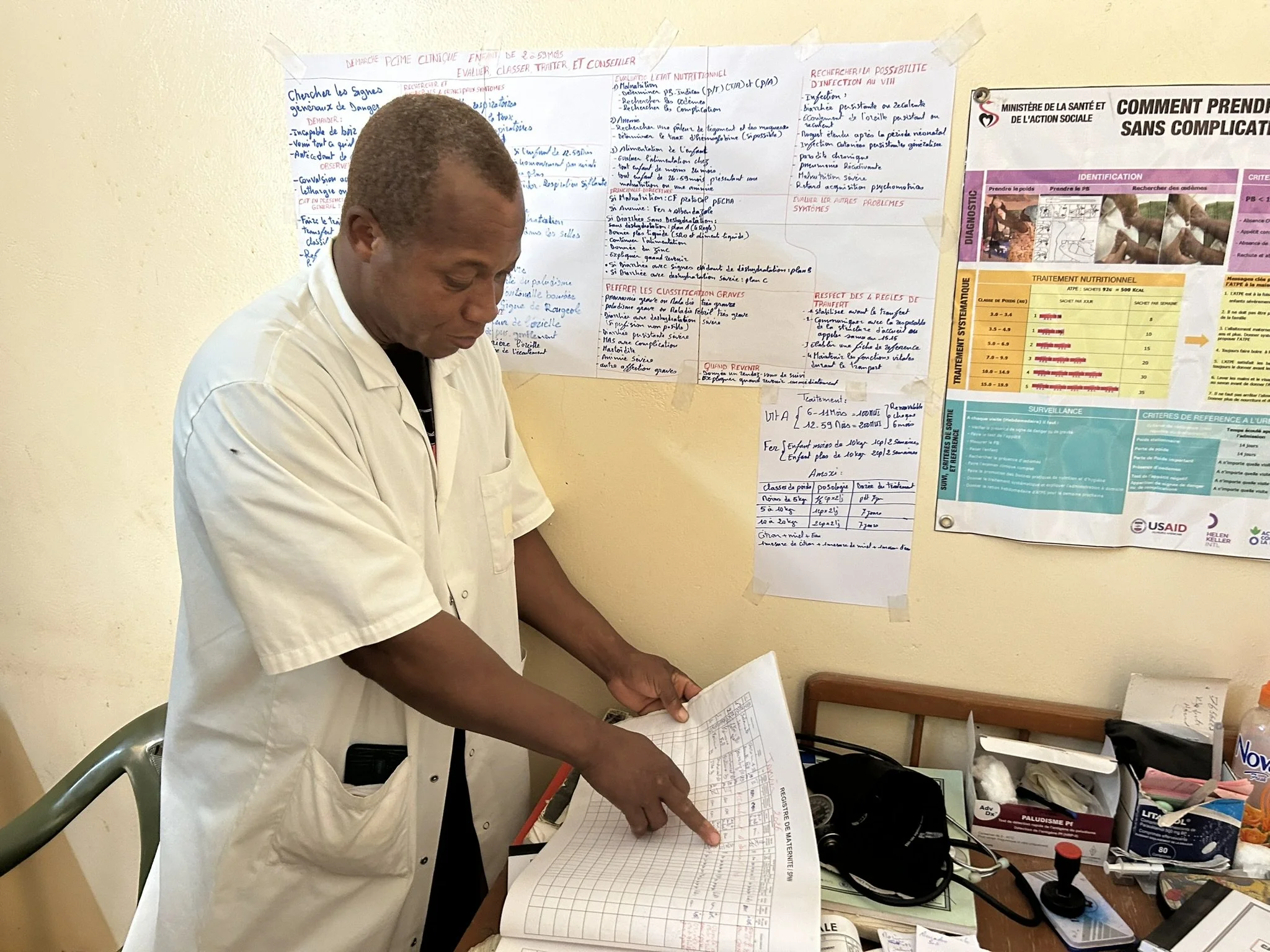
This past year, building on Senegal’s ambitious health goals, we started by asking simple but important questions: how can we help our partner health clinics to do more for their communities? When resources are limited, people become very good at making do, but what could be possible with greater support?
These conversations and tough questions led us to develop a new rural health clinic model in partnership with the Ministry of Health. This model helps clinics offer more services, increase outreach, and expand use across a wider area, strengthening the quality and reliability of care in rural areas
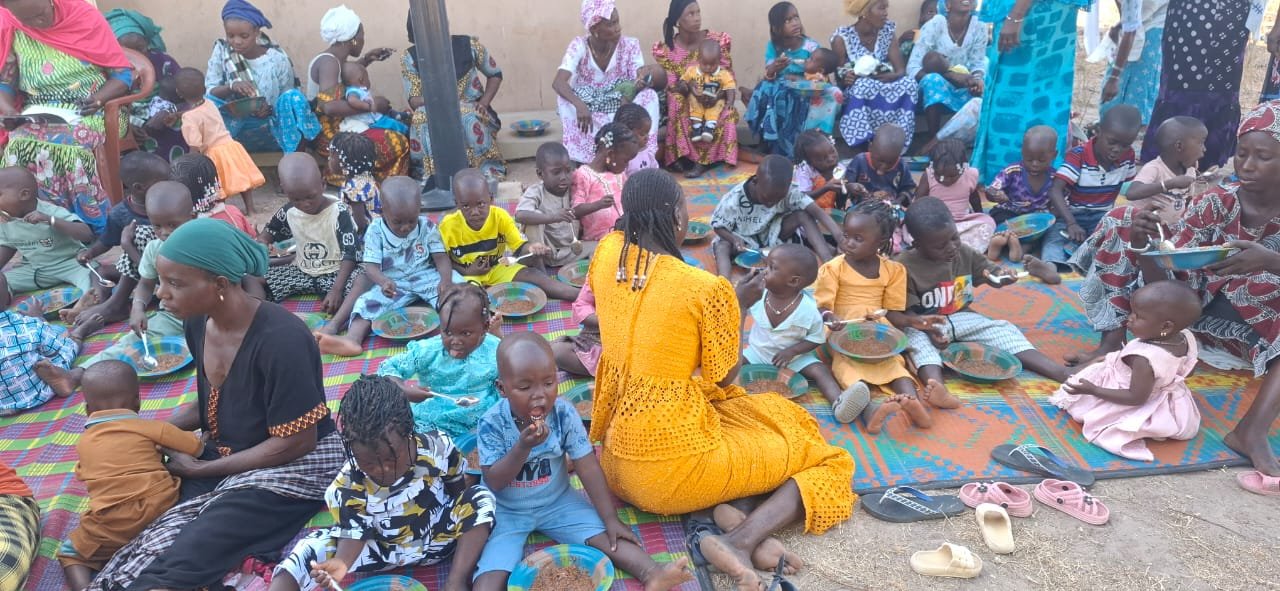
Children enjoy nutritional porridge at a malnutrition screening and awareness day.
Through this new pilot initiative, our partners are reaching more villages to address public health issues like malnutrition, which can have devastating effects on a child’s development if not treated quickly. Ngoné Ndiaye, a healthcare worker in Mbantou Croissement, describes the impact:
“Thanks to Andando, we are now able to serve six villages. Previously, in each screening, we would identify 7 to 9 children suffering from Moderate Acute Malnutrition; now, that number has dropped to just 4 children!”
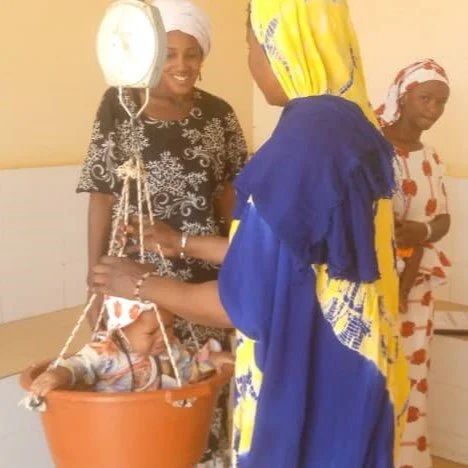
Around 500 children are screened for malnutrition in Andando clinics each month. Moderate cases are treated locally, while more severe ones are referred to hospitals.
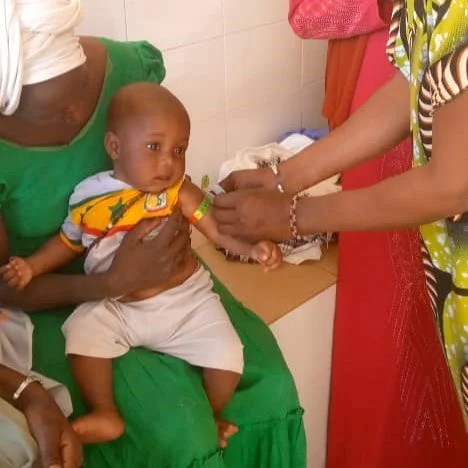
Mid-upper arm circumference (MUAC) measuring tapes are a simple but effective tool for identifying malnutrition before it affects a child’s development.
By helping partner clinics to stay well-stocked and deliver services consistently, more people are seeking care. This increased utilization is now strengthening the clinics as focal points for state health services, while also increasing their revenue.
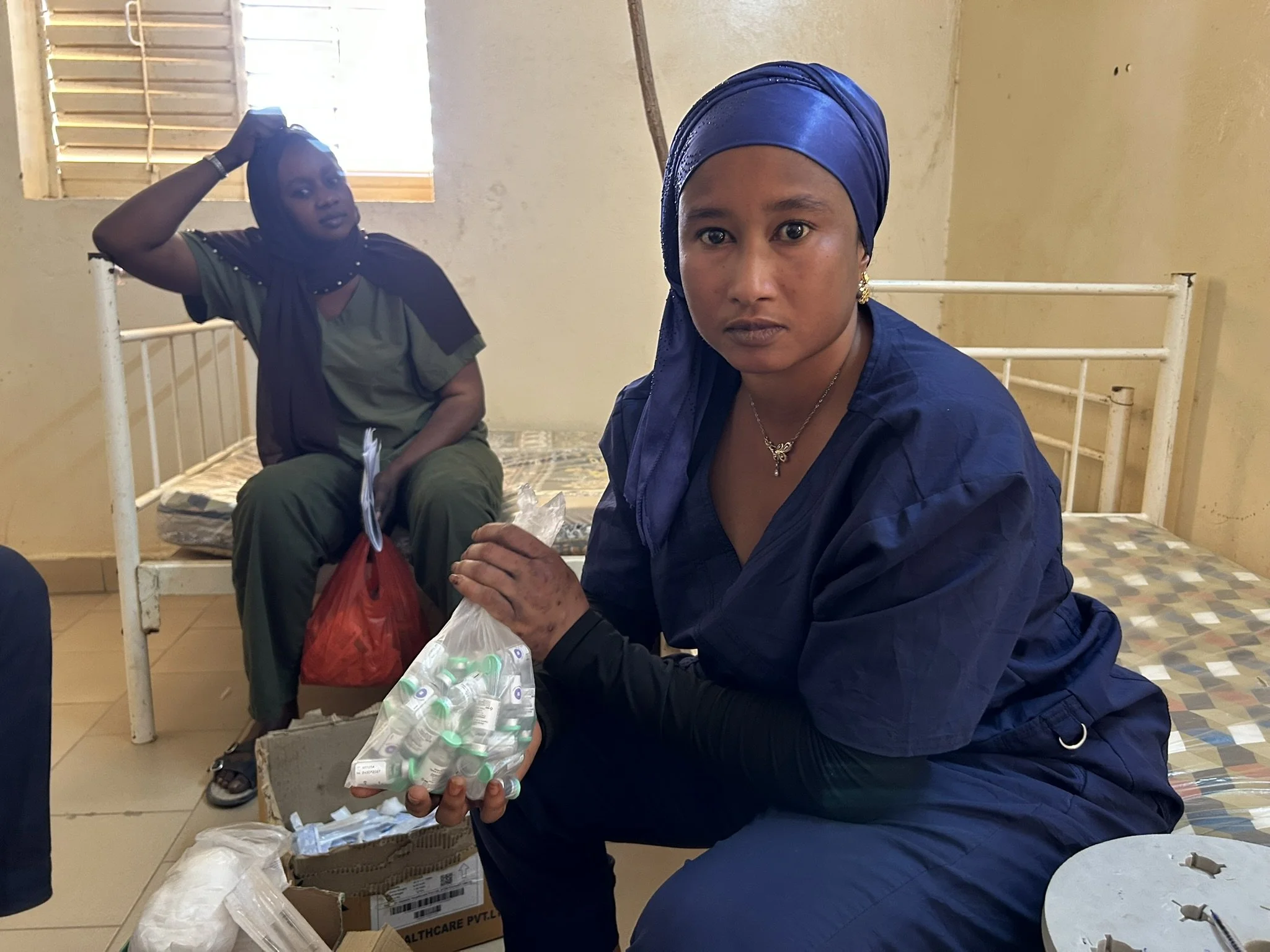
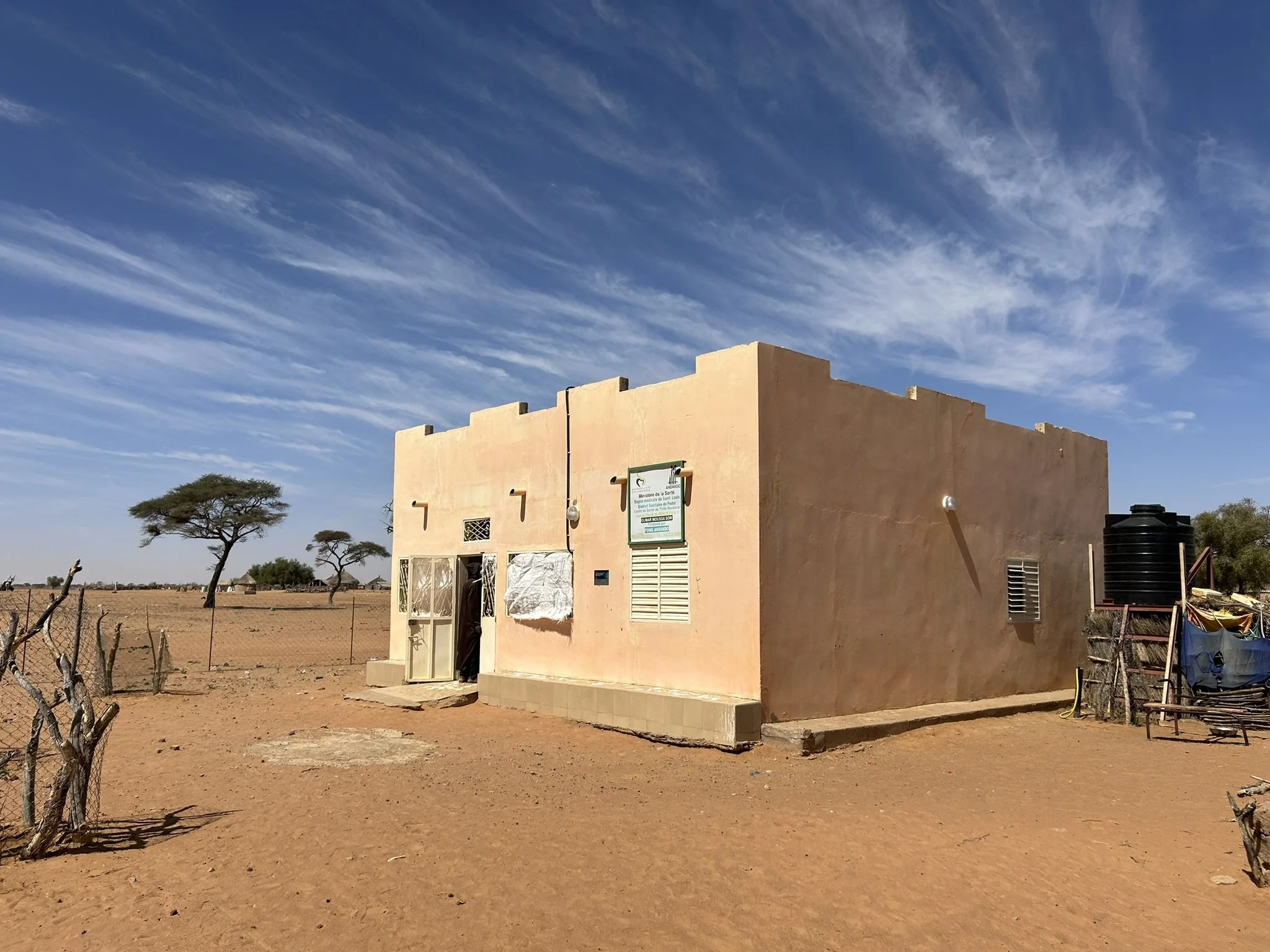
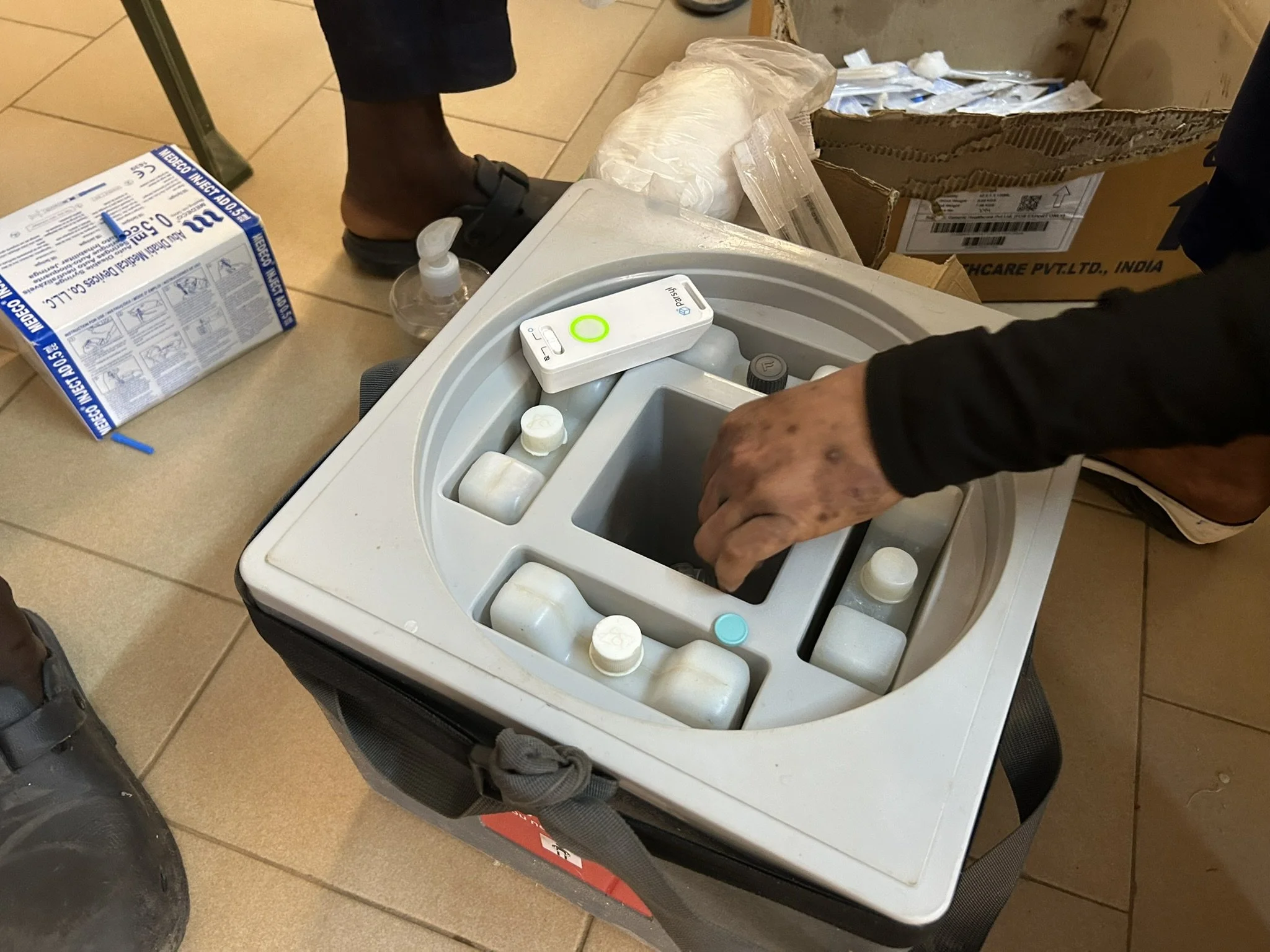
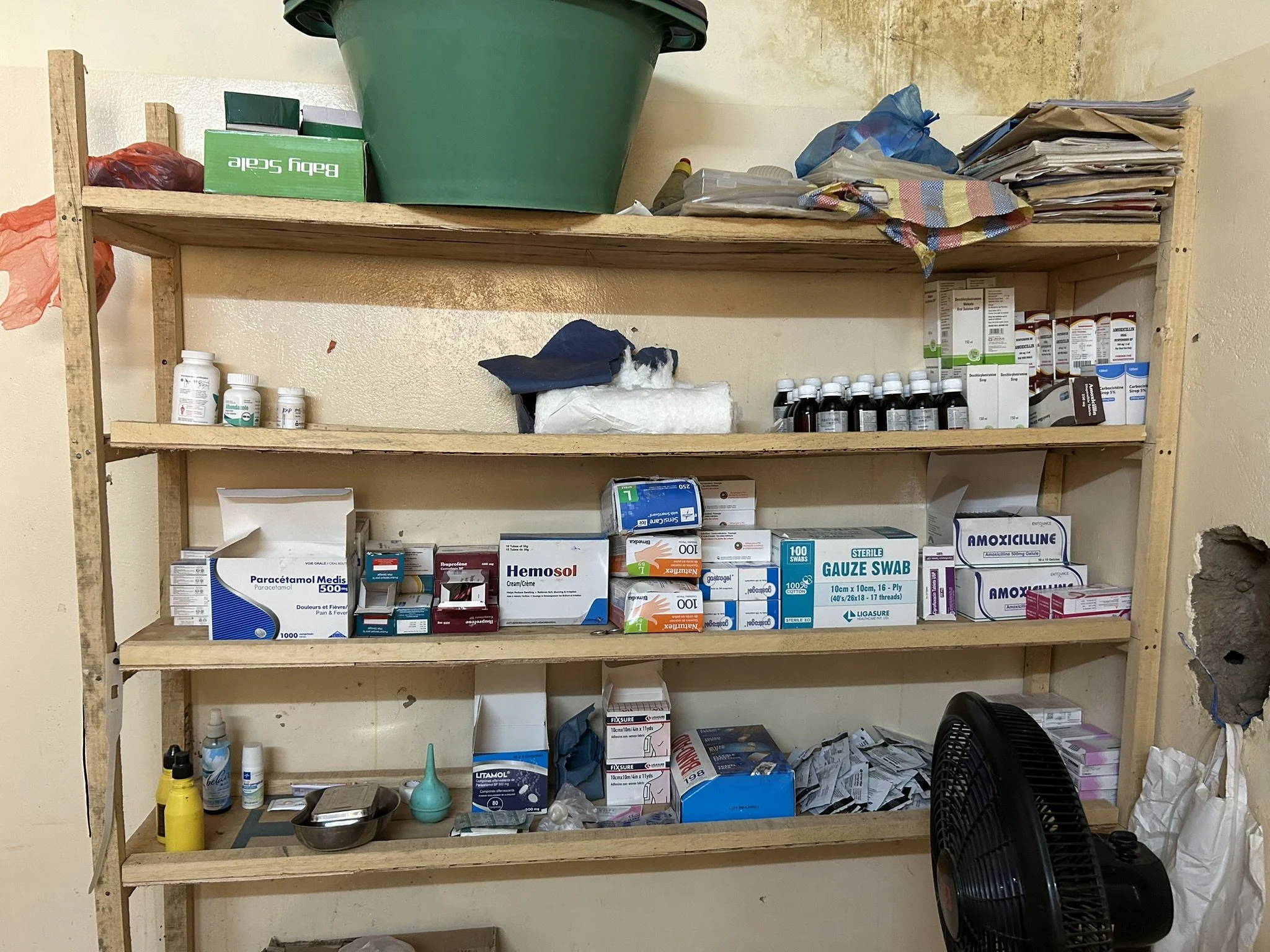
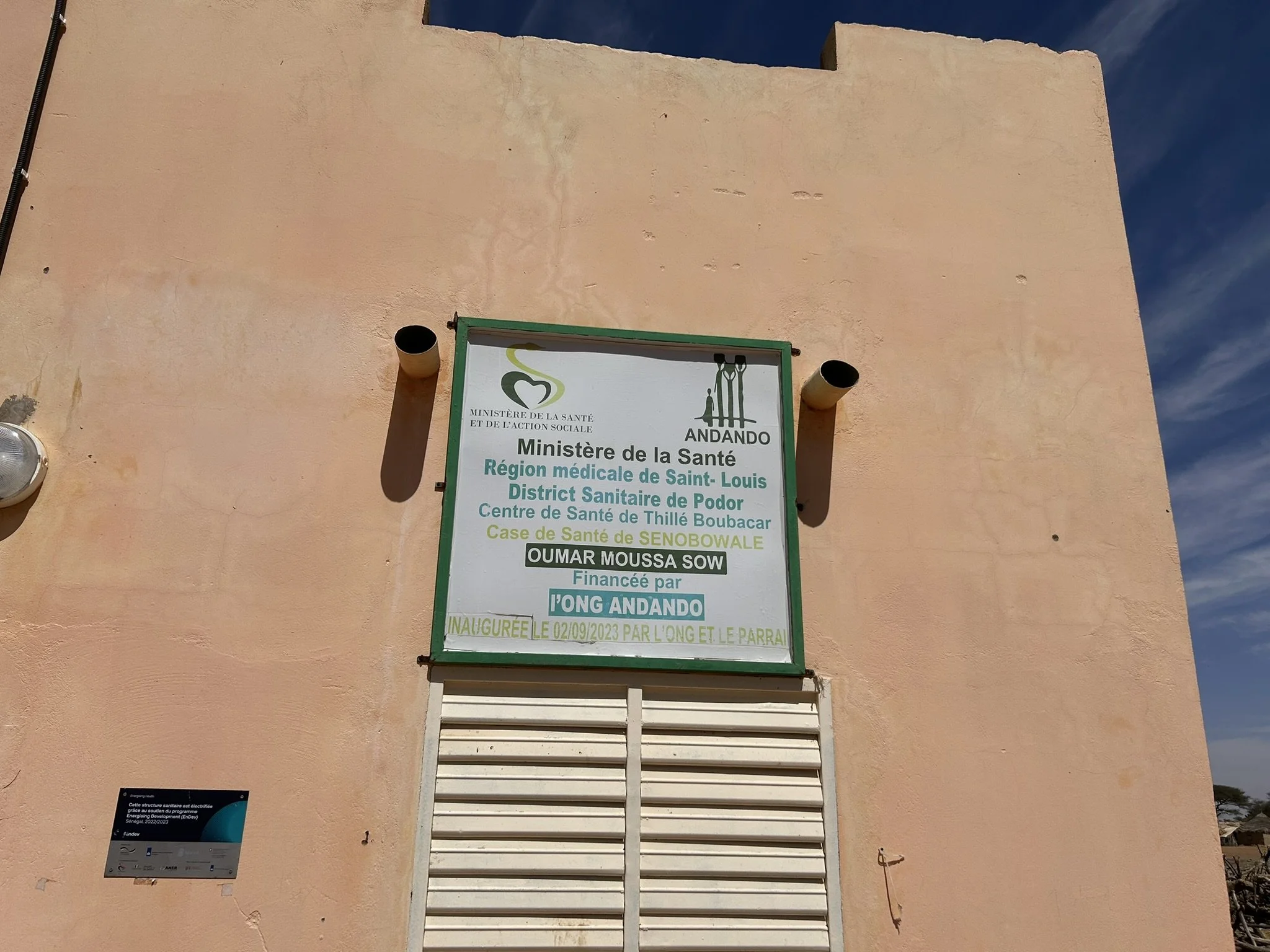
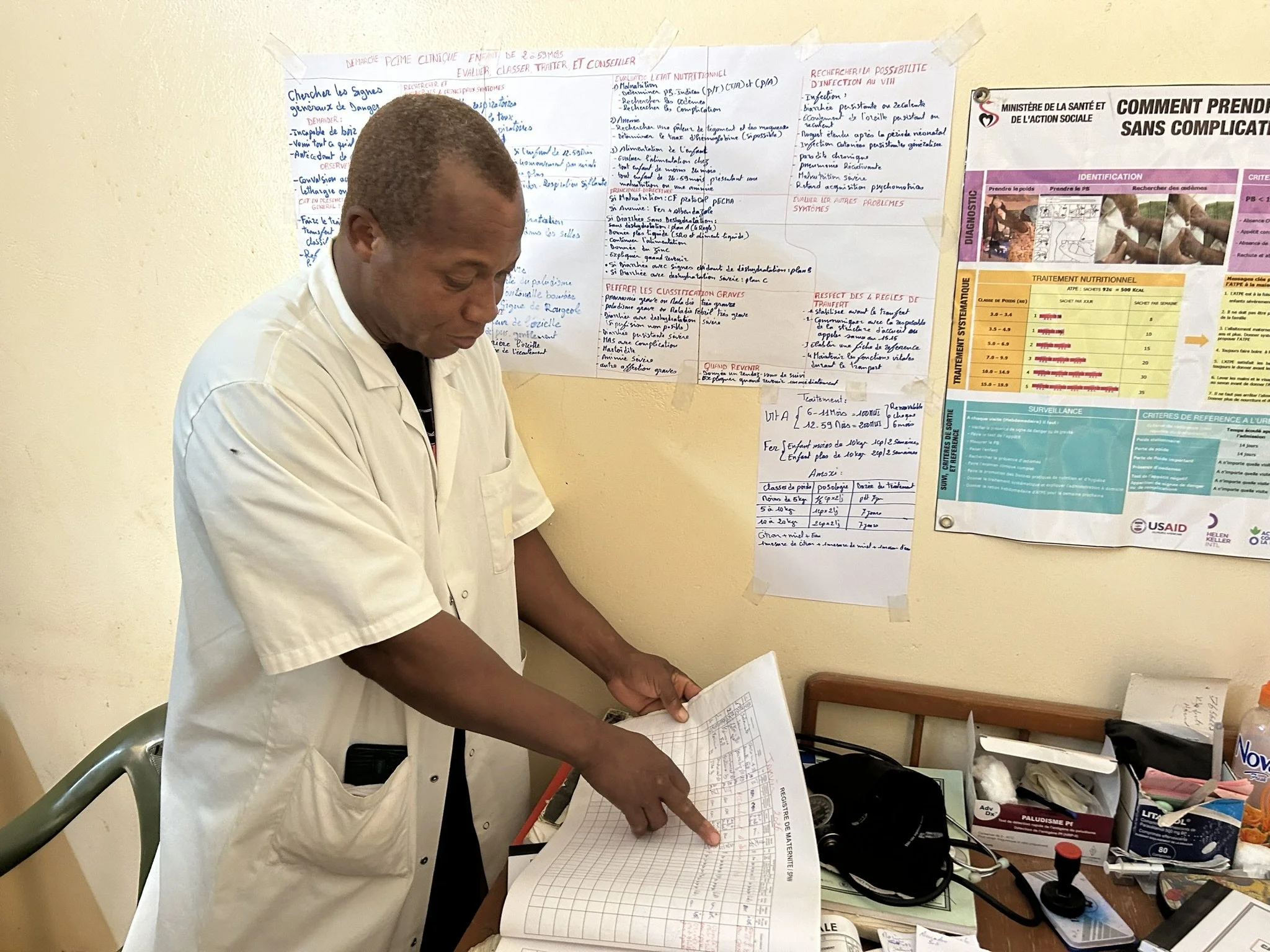
The health ministry partners with Andando clinics to access remote populations for vaccination days and other advanced public health strategies.
Adama Mbodj, President of the Keur Niéne Sérére Health Clinic, describes their long-term vision:
“We are currently exploring how building a robust financial reserve within our treasury could, in the future, allow us to reduce the cost of care for the local population, and help ensure that everyone can fully benefit from the services provided by the health clinic.”
Again and again, we are reminded that our partners already have the commitment, knowledge, and ability to make a difference. With the right support, they can do even more for their communities.