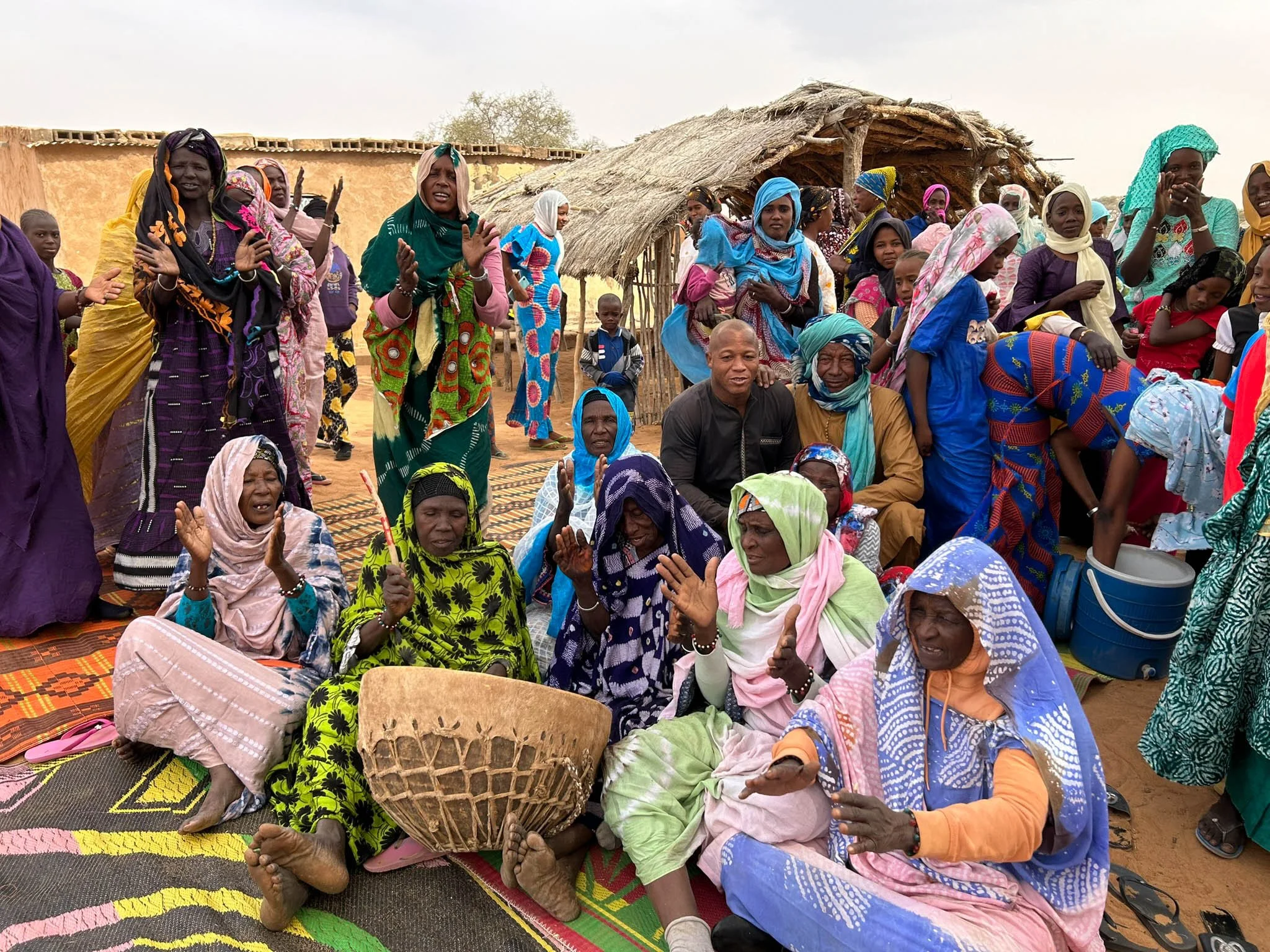
Some of the residents of Senobowal Village.
Senobowal sits at the crossroads of a changing world. Home to more than 2,000 Indigenous Pulaar pastoralists, it has been a center of life and movement in northern Senegal for generations. But the rhythms of this beautiful and demanding landscape are shifting. Rains are less predictable, pasture is under growing pressure, and poverty is rising alongside extreme heat. Even so, the people of Senobowal remain vital stewards of a fragile landscape on the edge of the Sahara. Their way of life is under threat, but their knowledge and resilience are also part of the answer to a warming world.
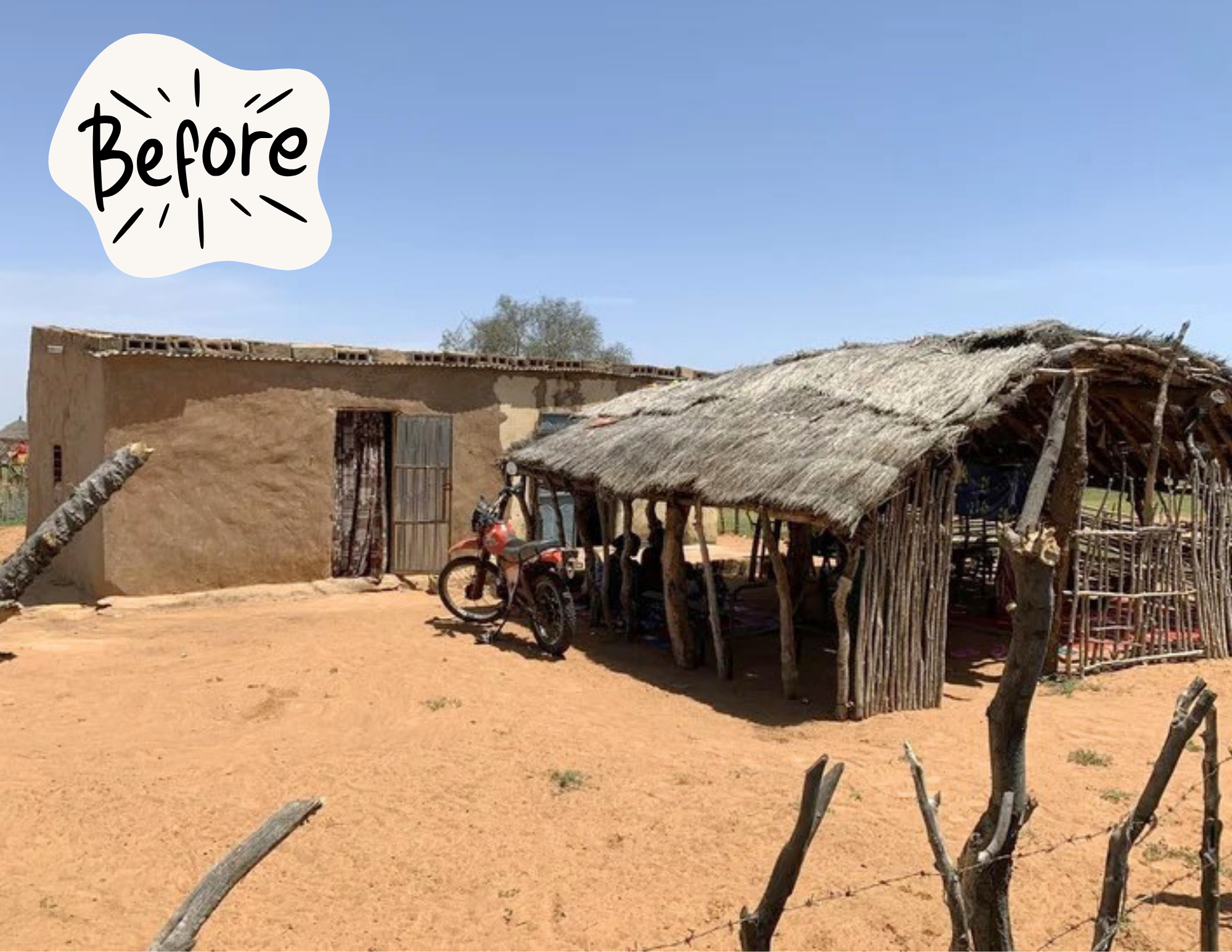
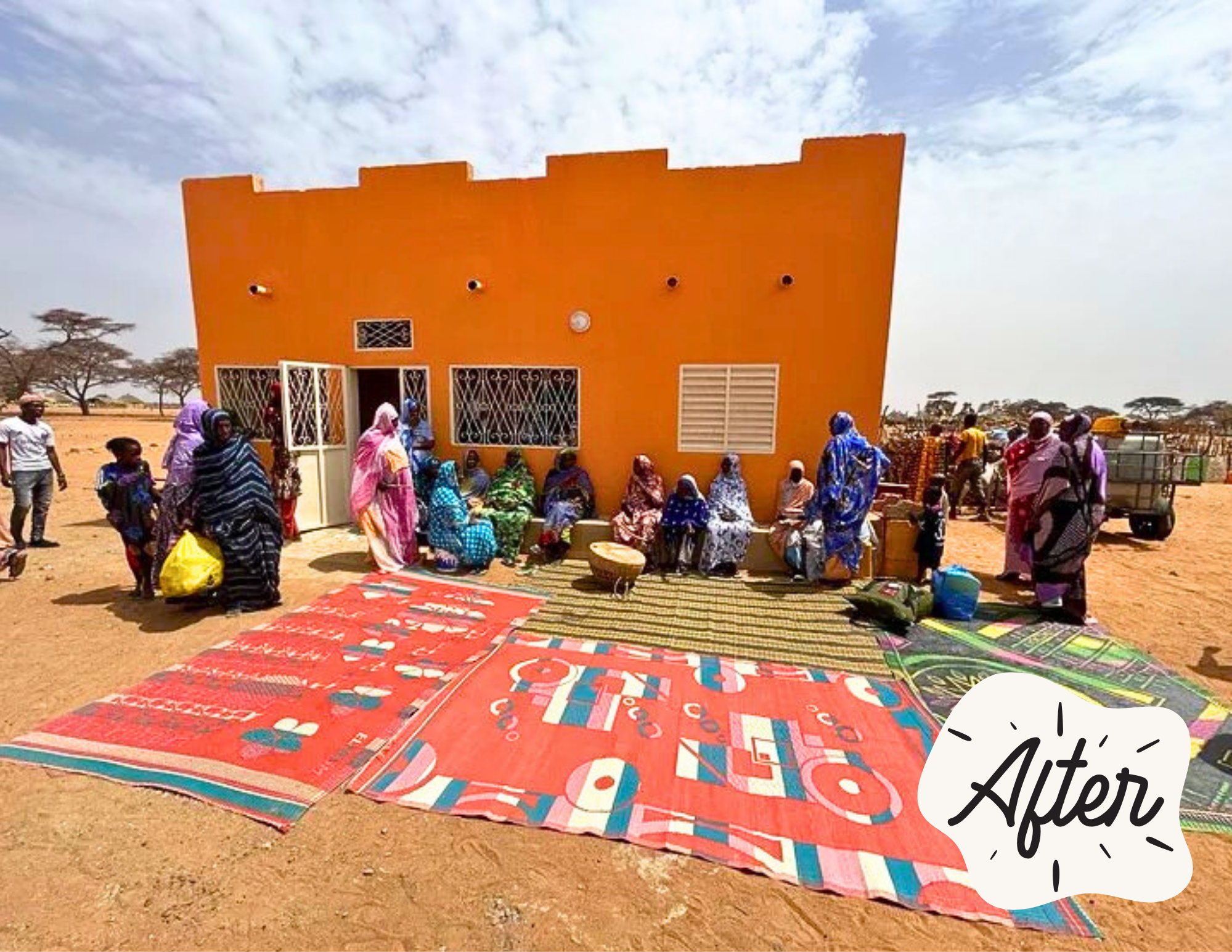
Andando first partnered with Senobowal in 2023 through the construction of a health clinic, bringing lifesaving care closer to families who had long faced dangerous delays in reaching treatment. The impact was immediate, particularly for mothers and their babies, but healthcare is only possible with access to water.

Just when things were starting to improve, the water shut off for nearly a year. Ousemane Fall, President of the Youth of Senobowal, explained the problem in a letter to Andando:
“For a very long time, the village had only one well, which is said to be almost a century old and 200ft deep and which was practically out of use. As a temporary solution, the beginning of a new hope, the village had benefited from a “mini borehole” with a 50,000L tank. But even this showed its limits very early on.”
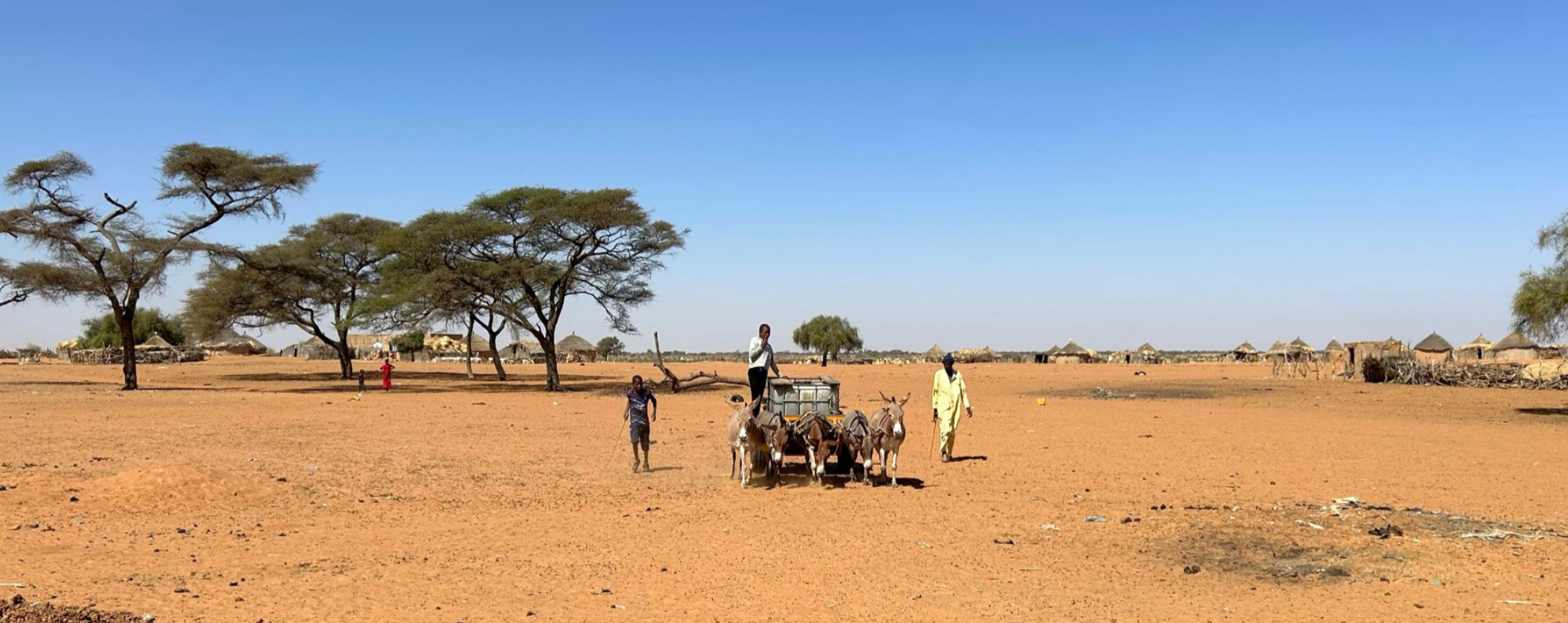
Families used water carts, like this one, to travel far distances to access water.
Ousemane went on to describe how the village had spent thousands of dollars to keep a costly diesel-powered pump running, until it could no longer be repaired, leaving the village without water.
Senobowal was in urgent need
We came together with the village to talk through the problem and understand what it would really take to fix it once and for all. But we also asked a larger question: if accessing water was no longer a daily struggle, what might be possible here? What hopes did people still carry for their future?
The answer soon became clear. The people here have countless dreams for how to improve their lives and build a better future, but no matter their ambition, the shallow, undersized borehole simply could never meet the needs of the over 5,000 people and 30,000 livestock who depended on it.
This time, the goal was to do it right
Andando committed to drilling a new, deeper borehole equipped with a powerful solar pump to meet the full needs of Senobowal and the surrounding zone. In less than a year, the new system was in place. Water began flowing again, and life started to change for the better from day one.
“The way we were moving our livestock to the southern areas was due to the water problem. Now with the availability of water, they take their time to settle. Whenever there is grass, they don’t move.” - Ousemane Fall

Today, women and girls no longer have to spend five or six hours each day just collecting water. Children can attend school, and the health clinic can once again deliver lifesaving care. For the first time in decades, Senobowal is breathing a sigh of relief. Families are even beginning to install taps in their homes, something that would have been almost unthinkable just a short time ago. Hawa Sy’s testimony shows just how profound and hopeful this change has been.

This article is from Andando’s Annual Report, view it here.