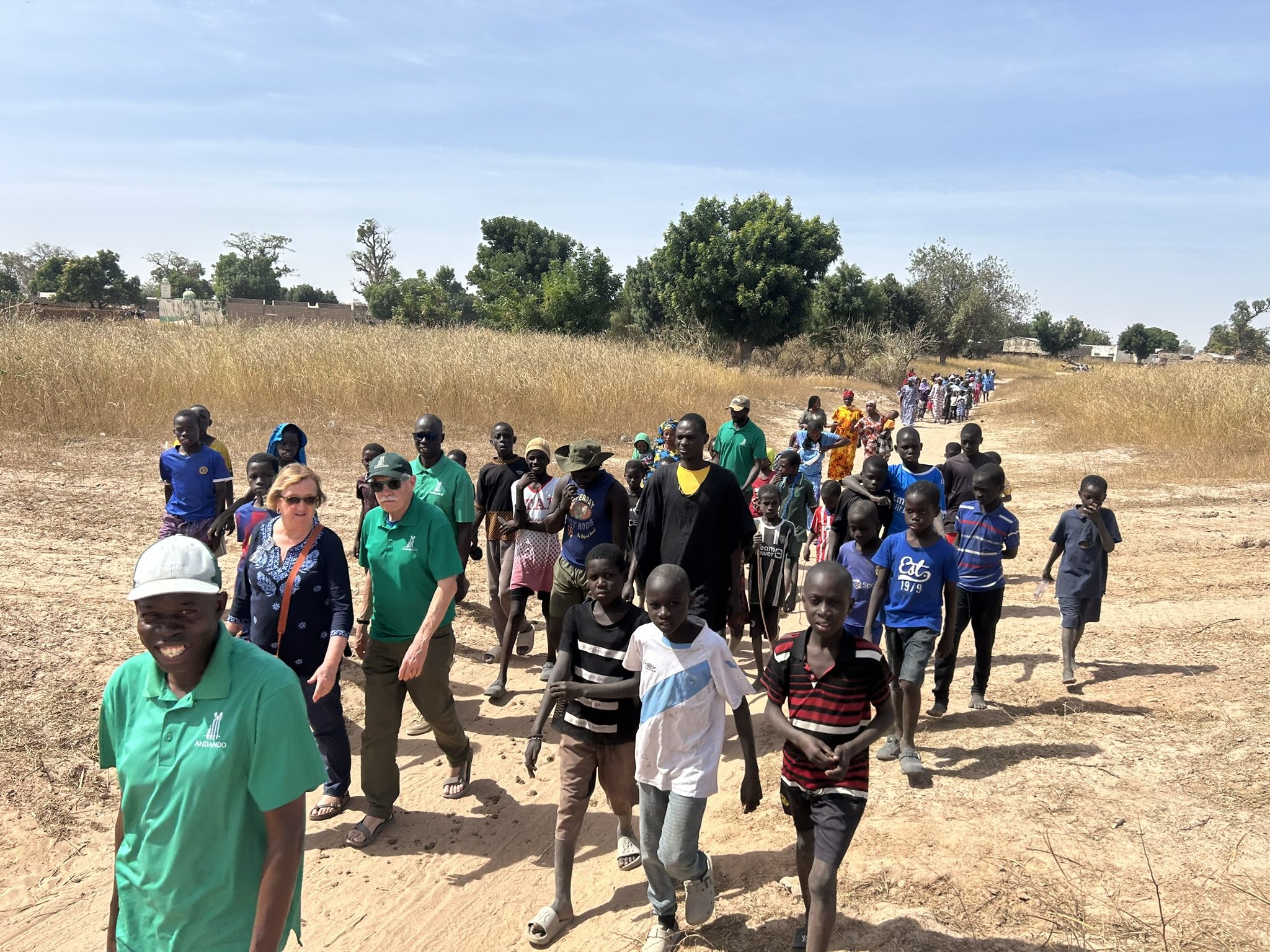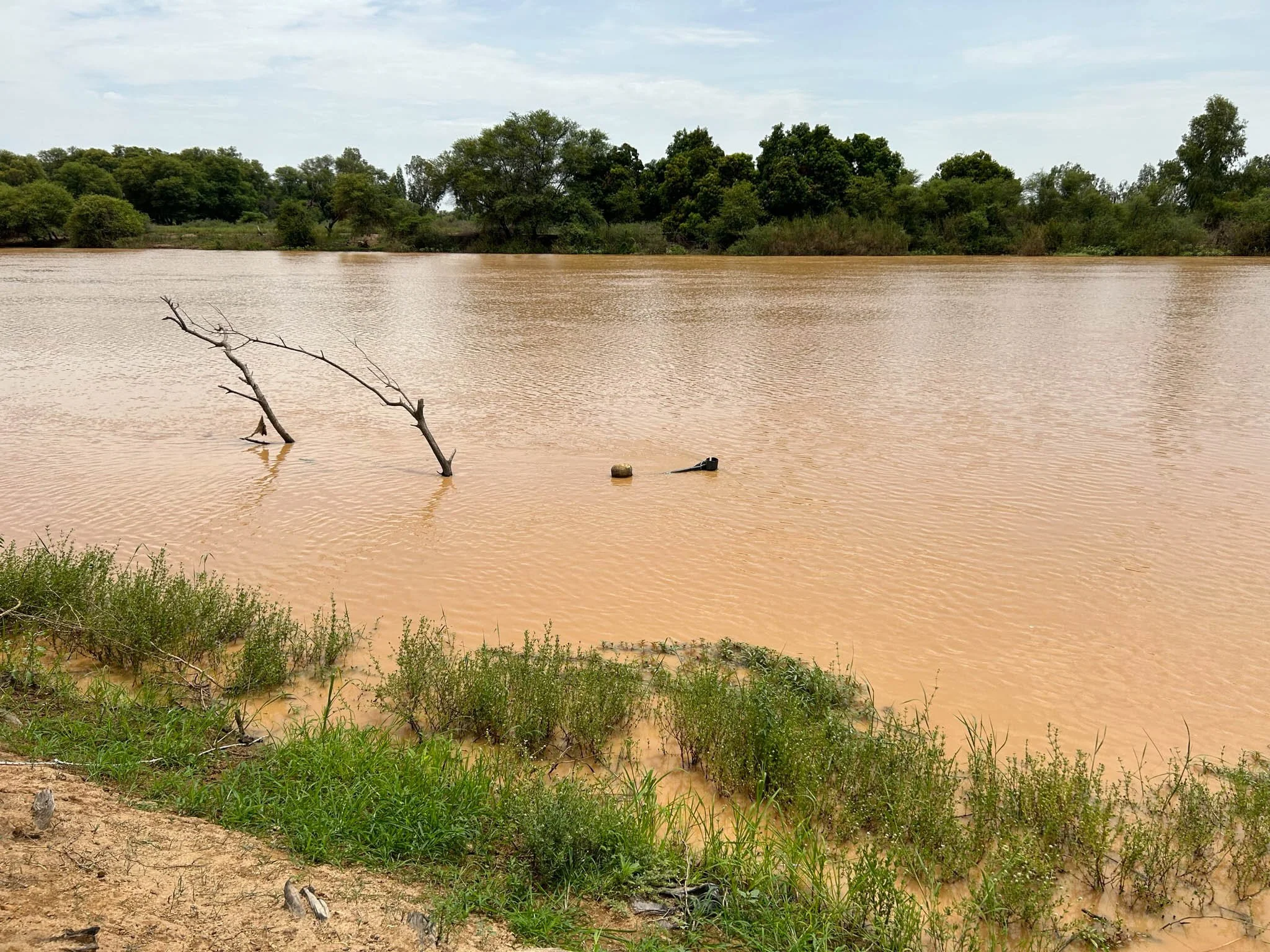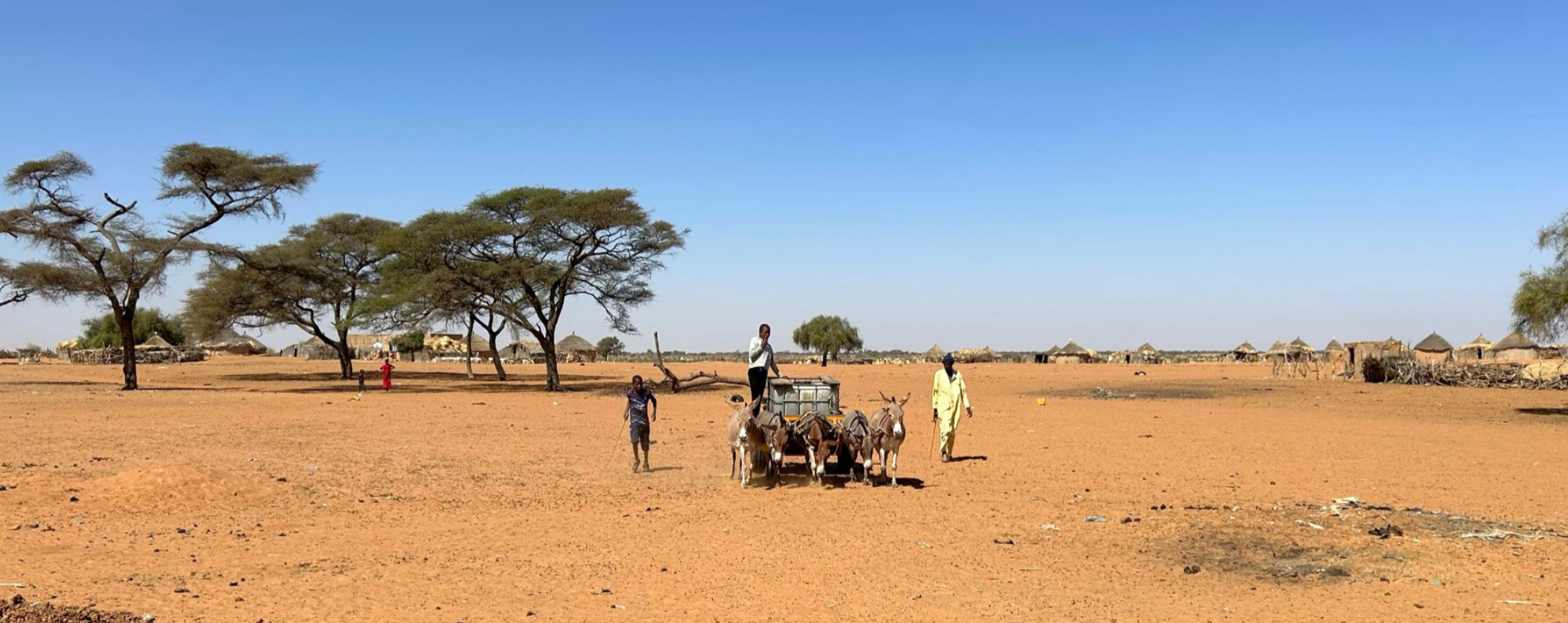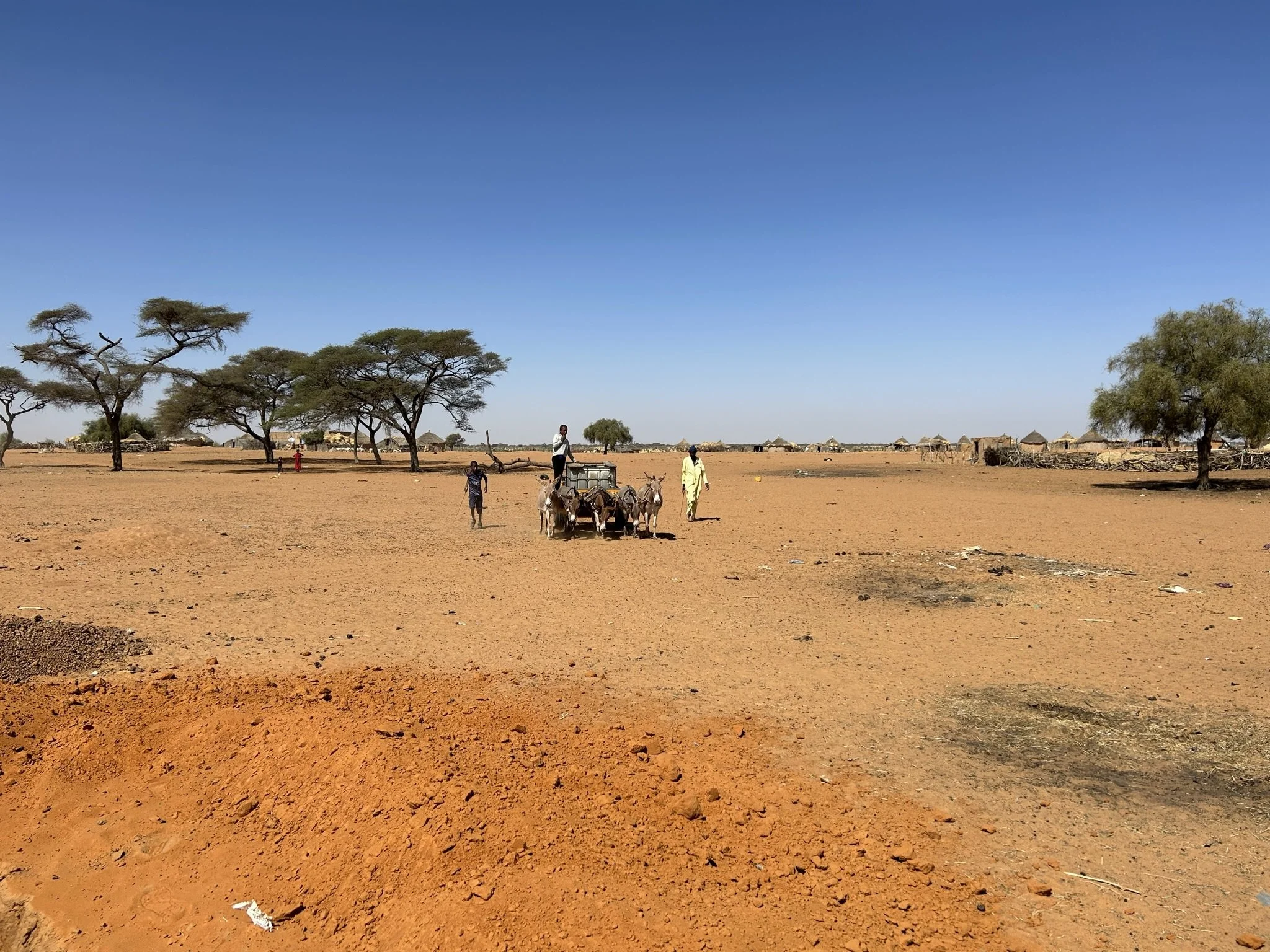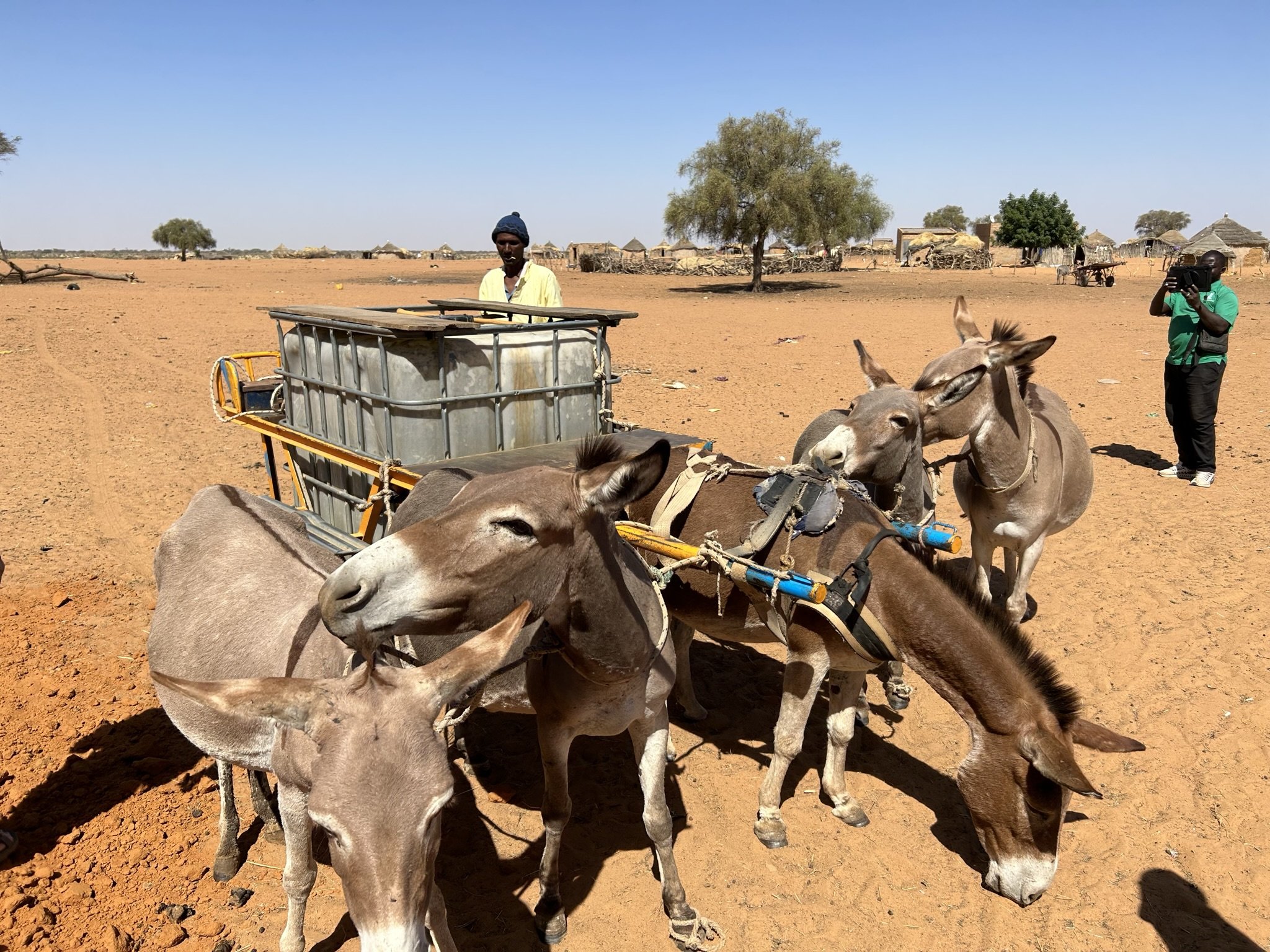

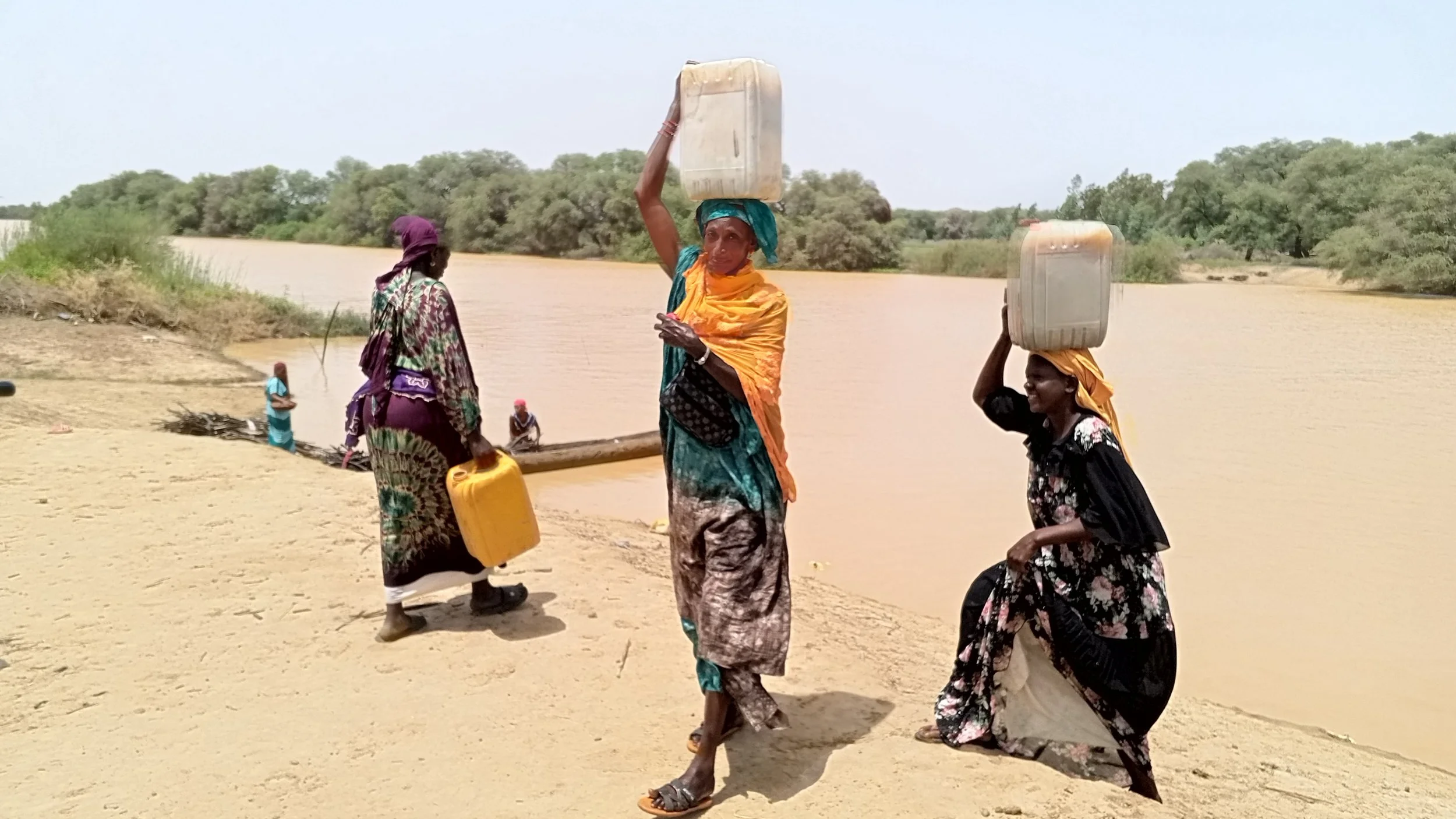
The Senegal River runs brown with silt and debris during the rainy season. Yet for generations this was the only drinking water source for the village of Wouro Kellé.
There are a lot of valid reasons why Wouro Kellé’s water problems persisted for so long. The village is remote, groundwater is often saline, and the entire area is prone to annual flooding, making connections to distant municipal water systems a major and uncertain capital investment.
Perhaps those connections will reach the village someday. But in the meantime, we simply could not accept that our partners’ only option was unfiltered river water.
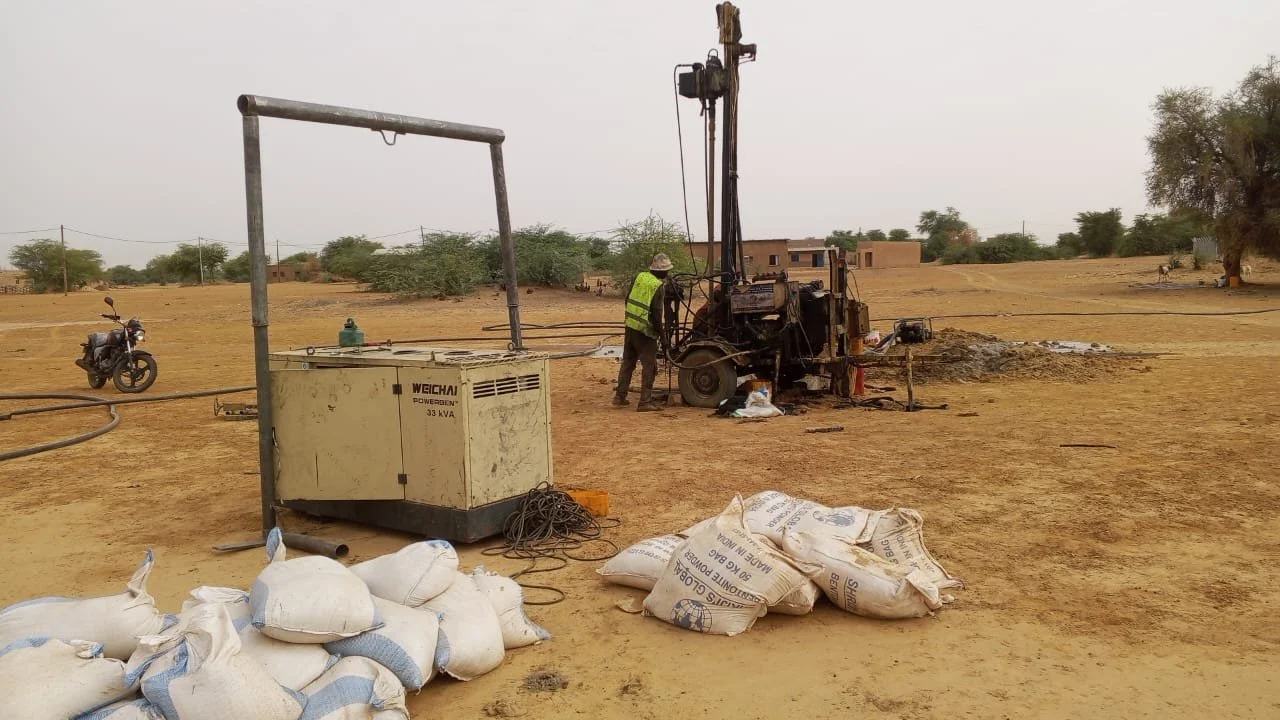
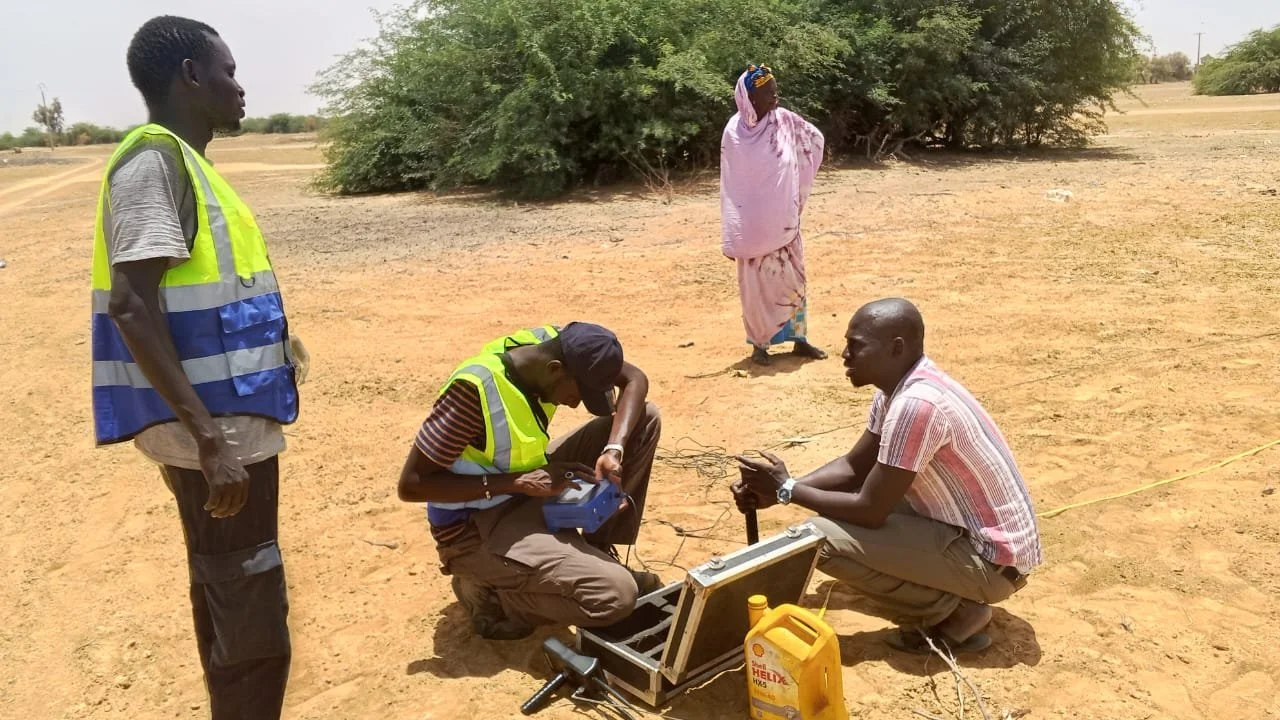
After much deliberation Andando proceeded with our first borehole attempt in Wouro Kelle.
Andando’s work cannot replace the large public infrastructure Senegal will ultimately need over the next 25 to 50 years. But we can help fill the gaps by working directly with communities to develop smaller-scale solutions they can manage themselves. In Wouro Kellé, even that approach was uncertain.
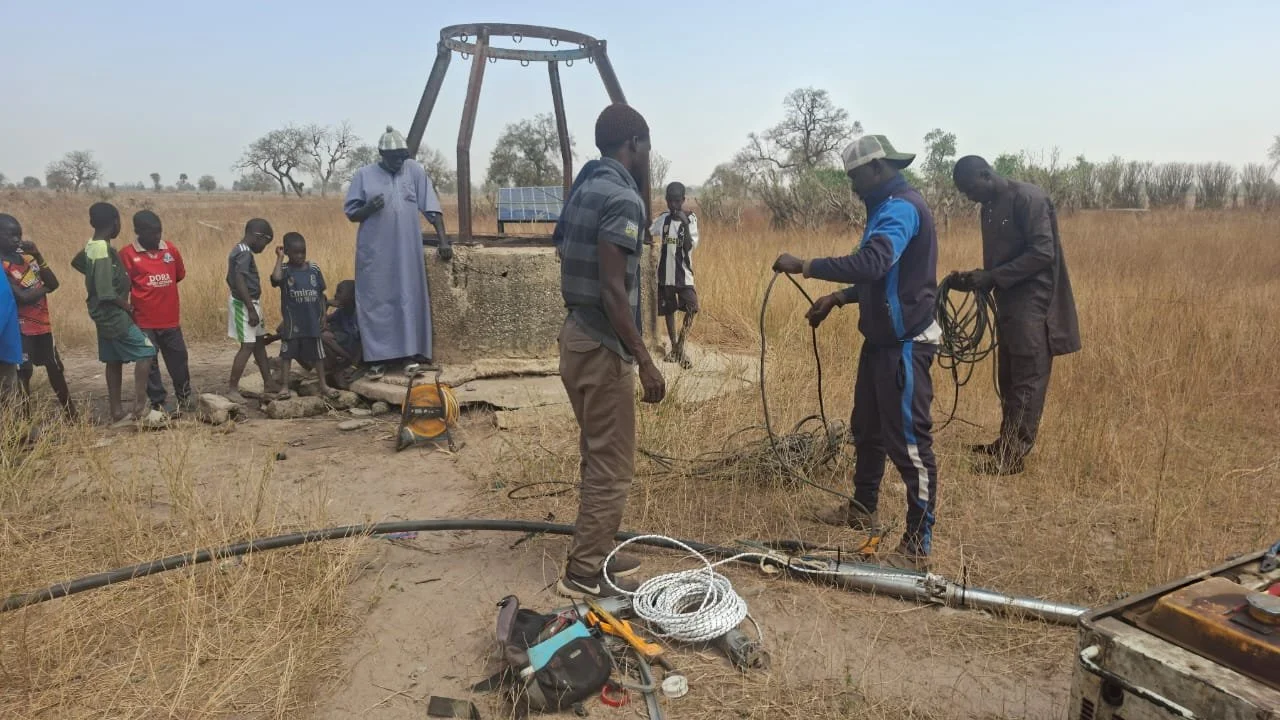
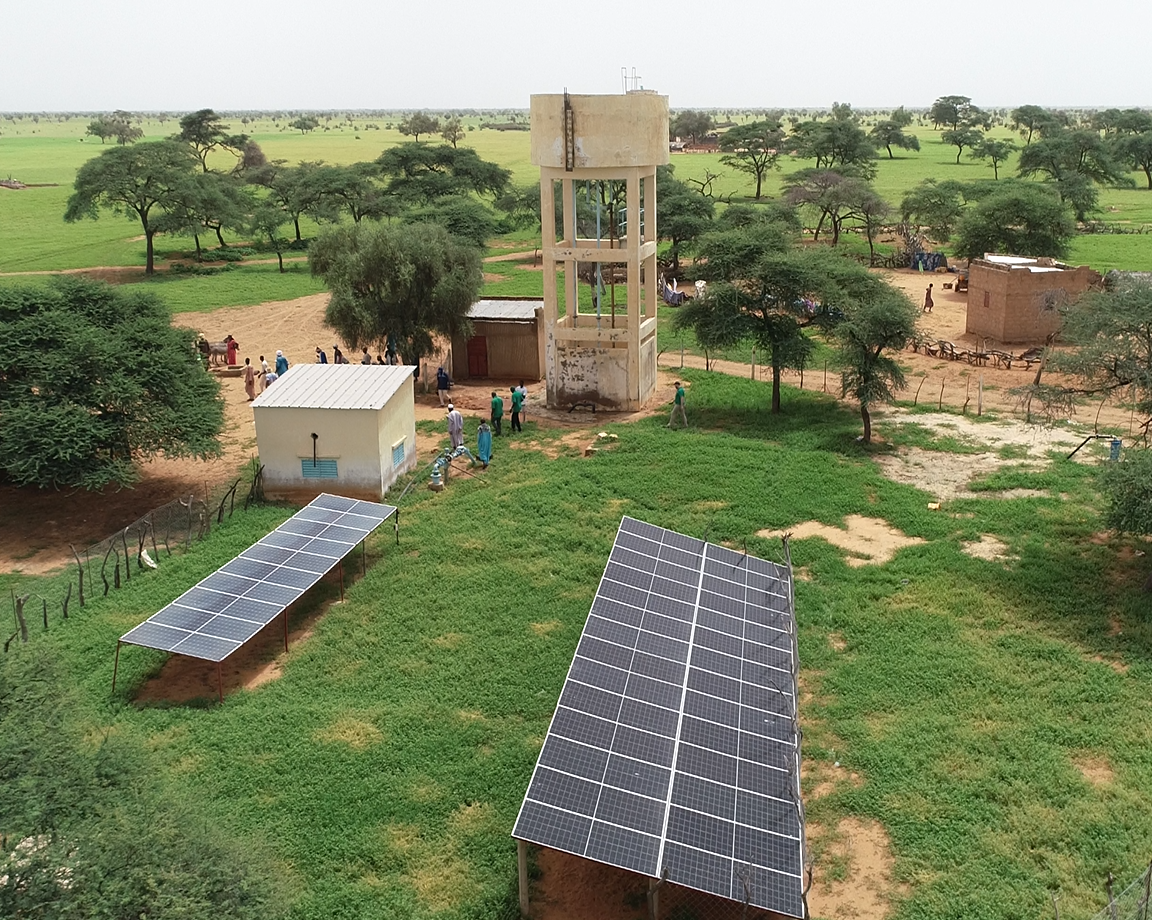
Our first borehole reached salty water, exactly as many had warned us it might. But we did not stop there. We listened to the village, moved closer to the river, and drilled more shallowly. This time, we found fresh water!
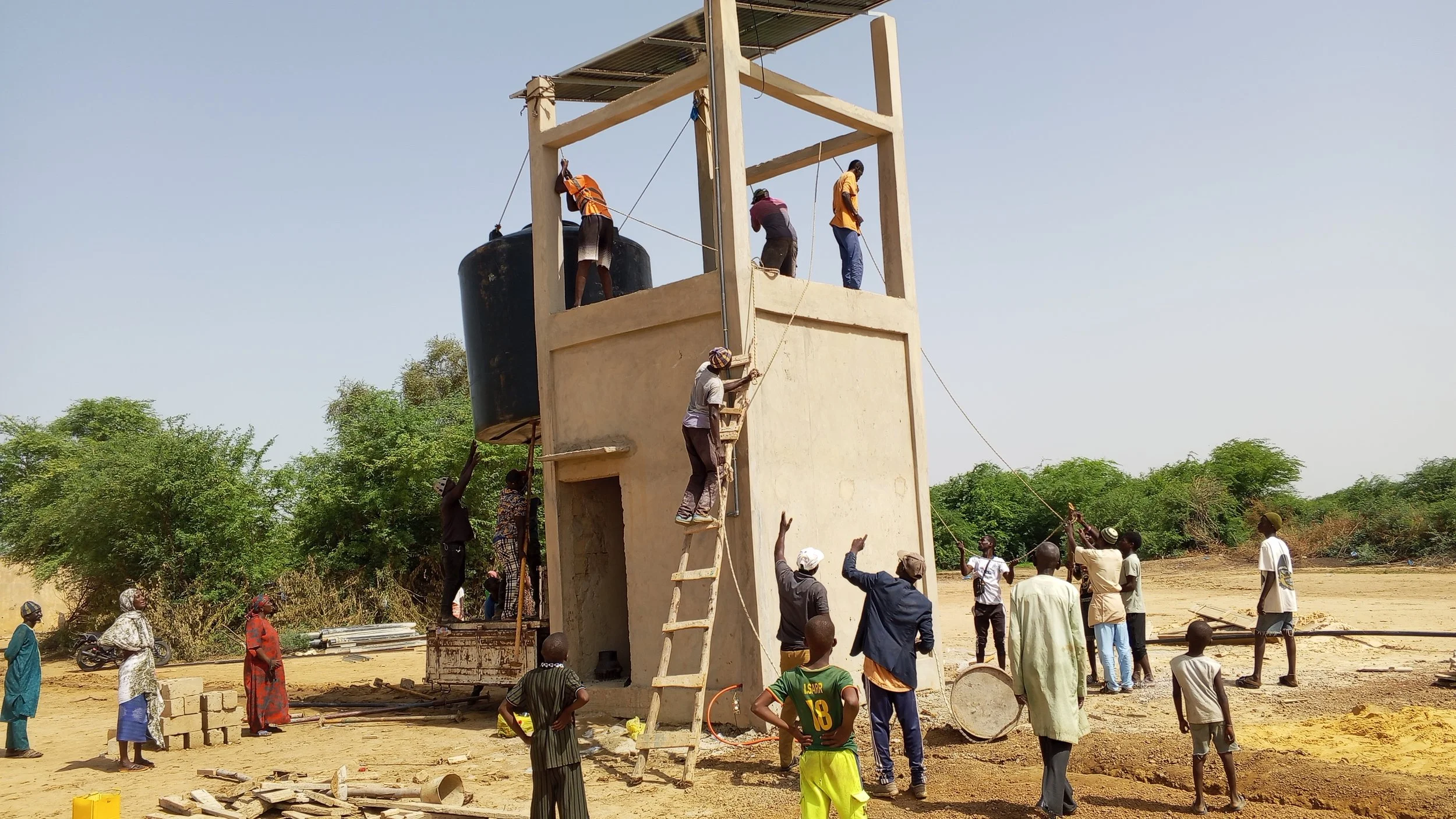
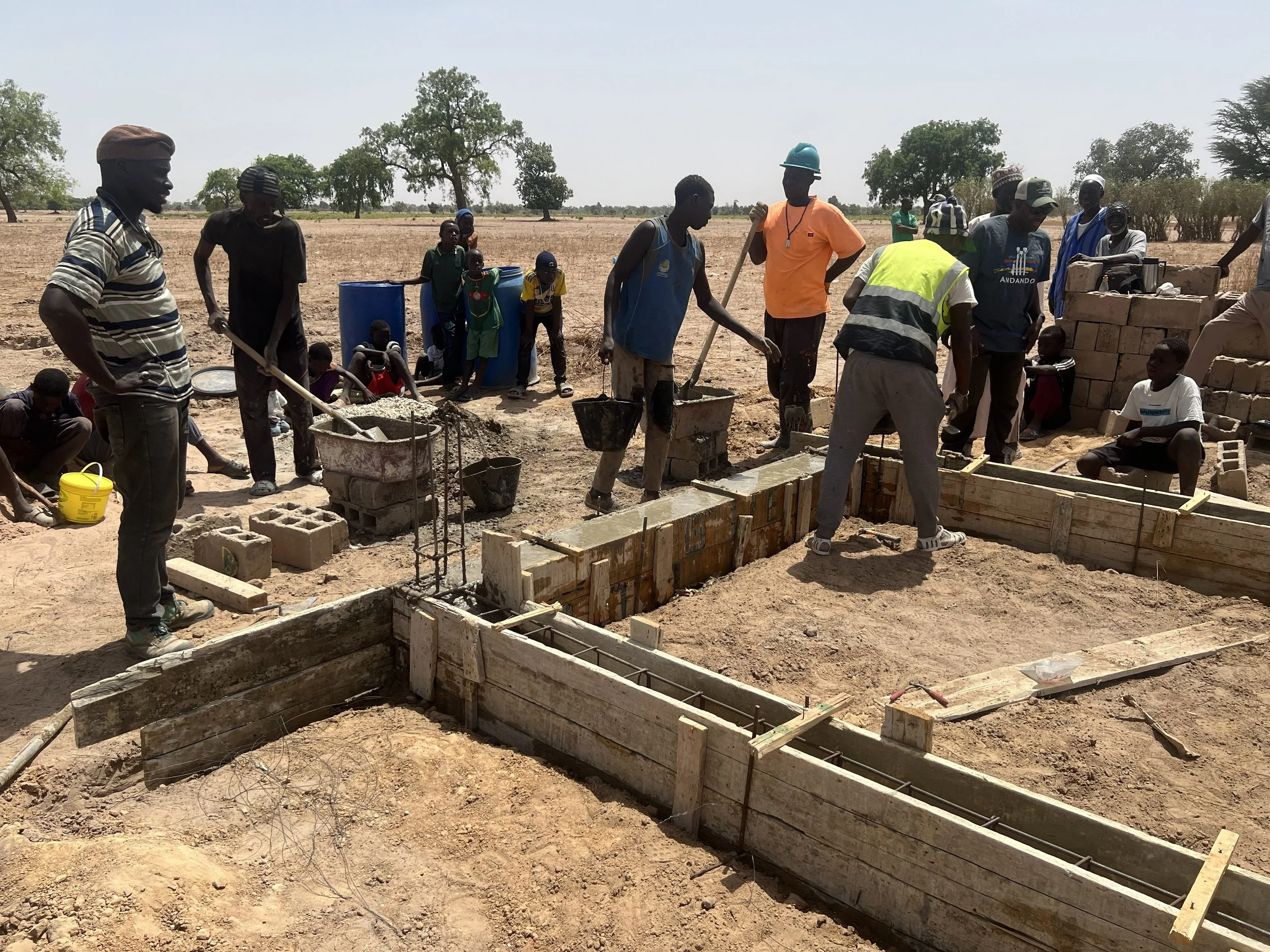
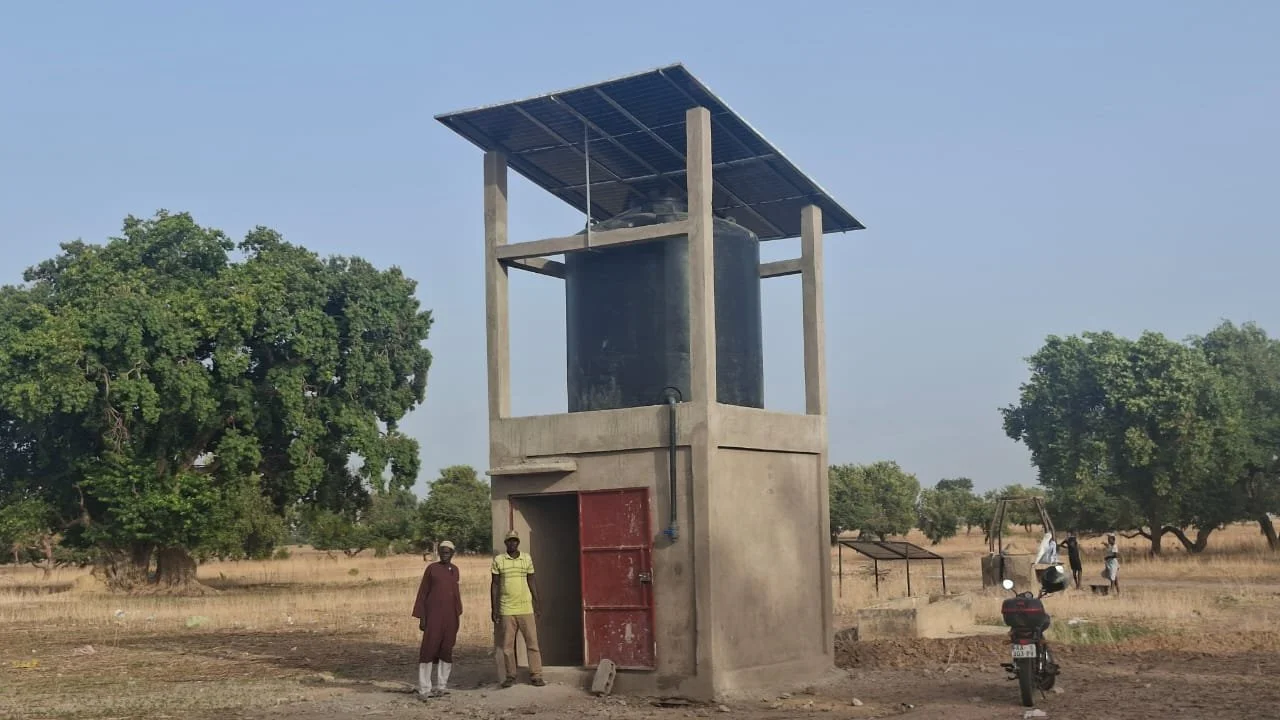
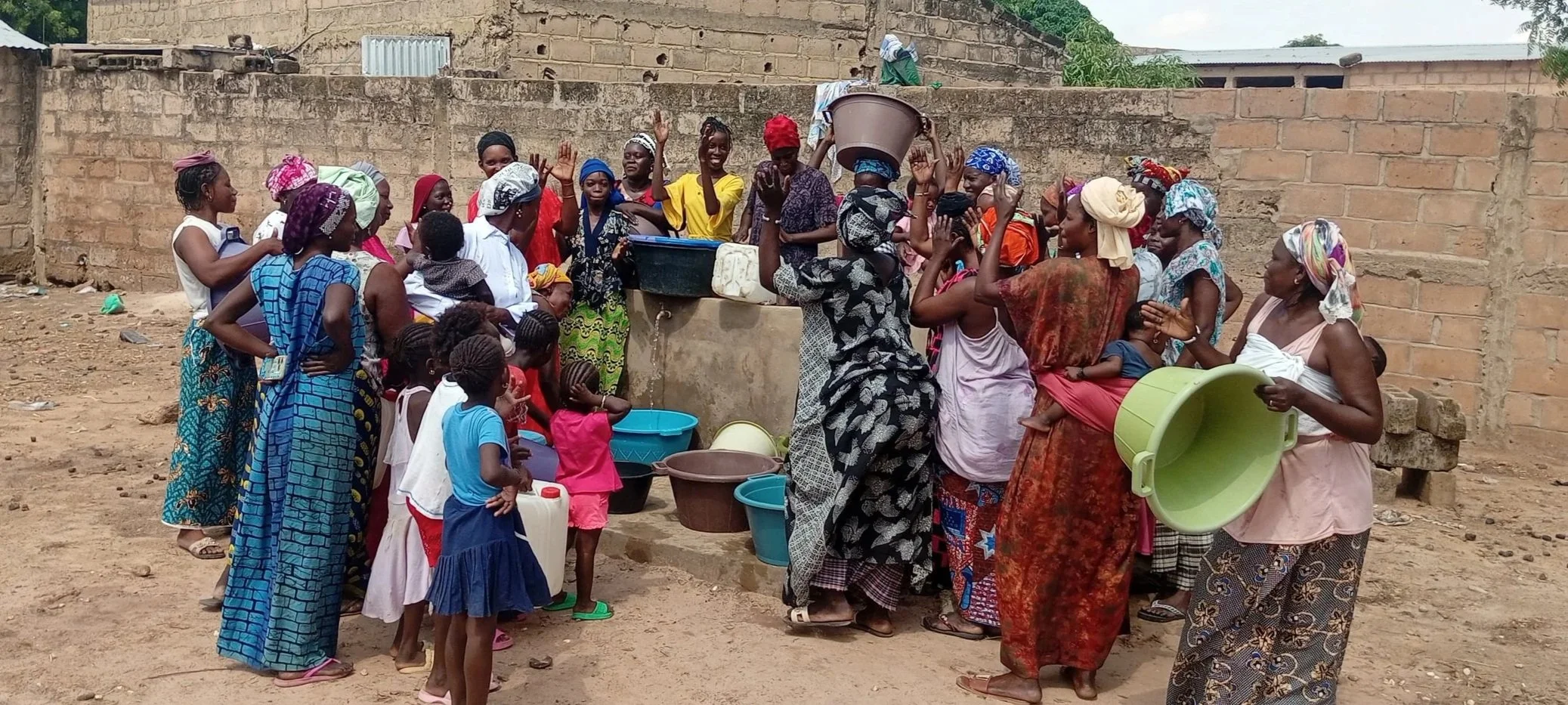
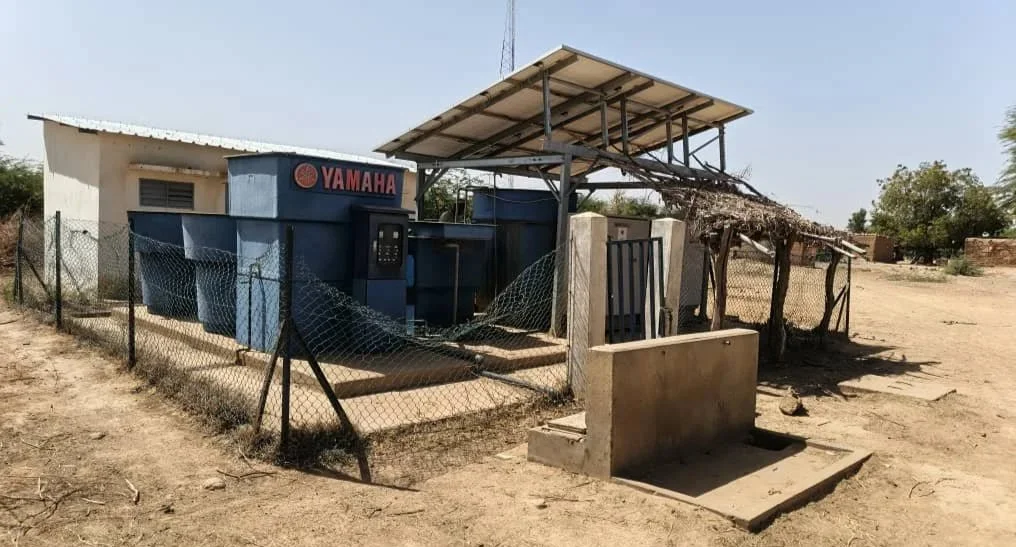
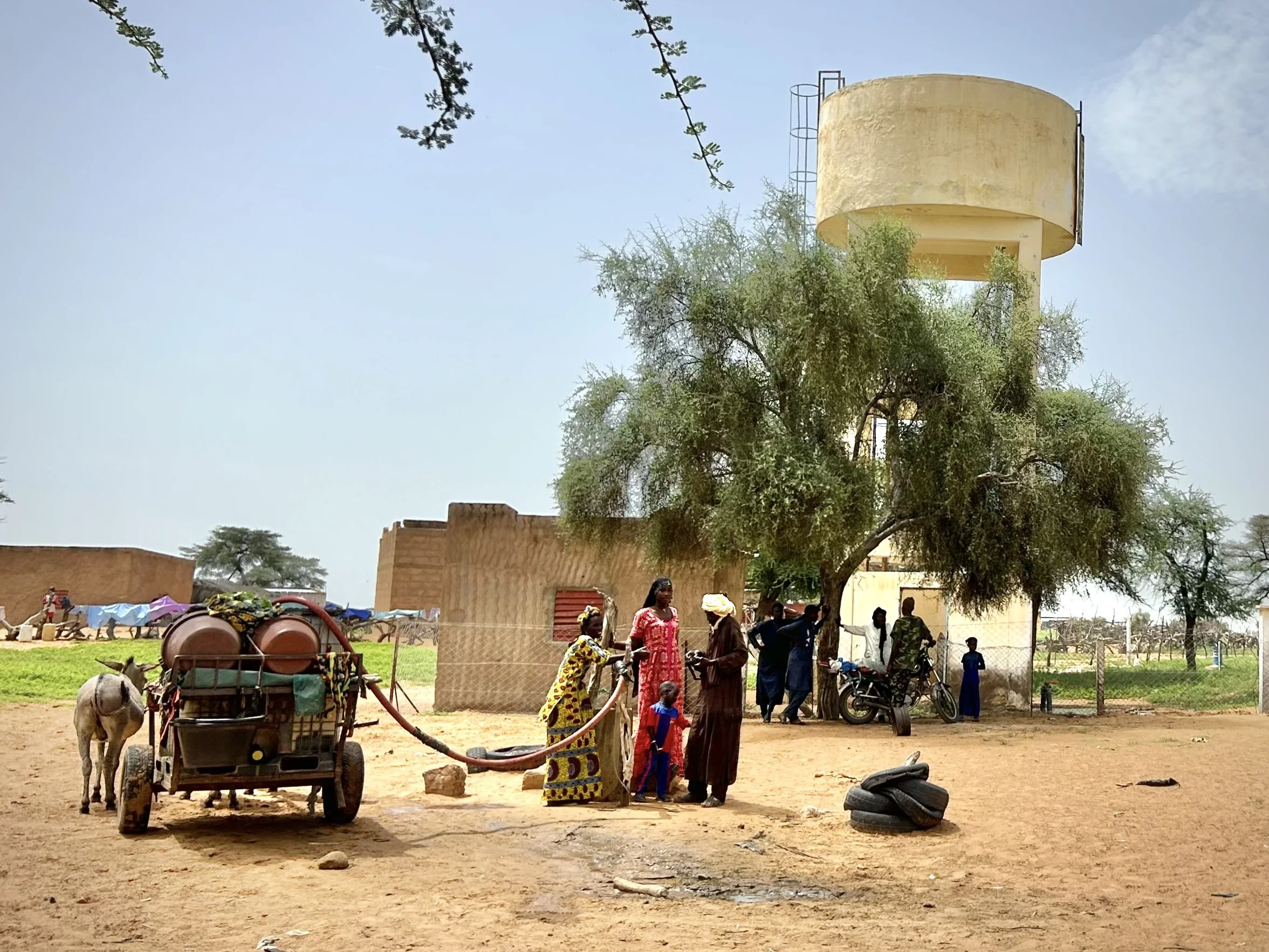
With the borehole complete, we installed a powerful solar pump and an elevated reservoir. The village came together to lift the 12,000-liter tank into place, creating the storage needed to distribute clean water throughout Wouro Kellé.
Establishing small-scale water infrastructure village by village is not the easiest path. But we have seen repeatedly that when we work with people, invest directly in their capacity, and give them real ownership over the resources being developed, they are able not only to sustain what is built, but to build upon it themselves.
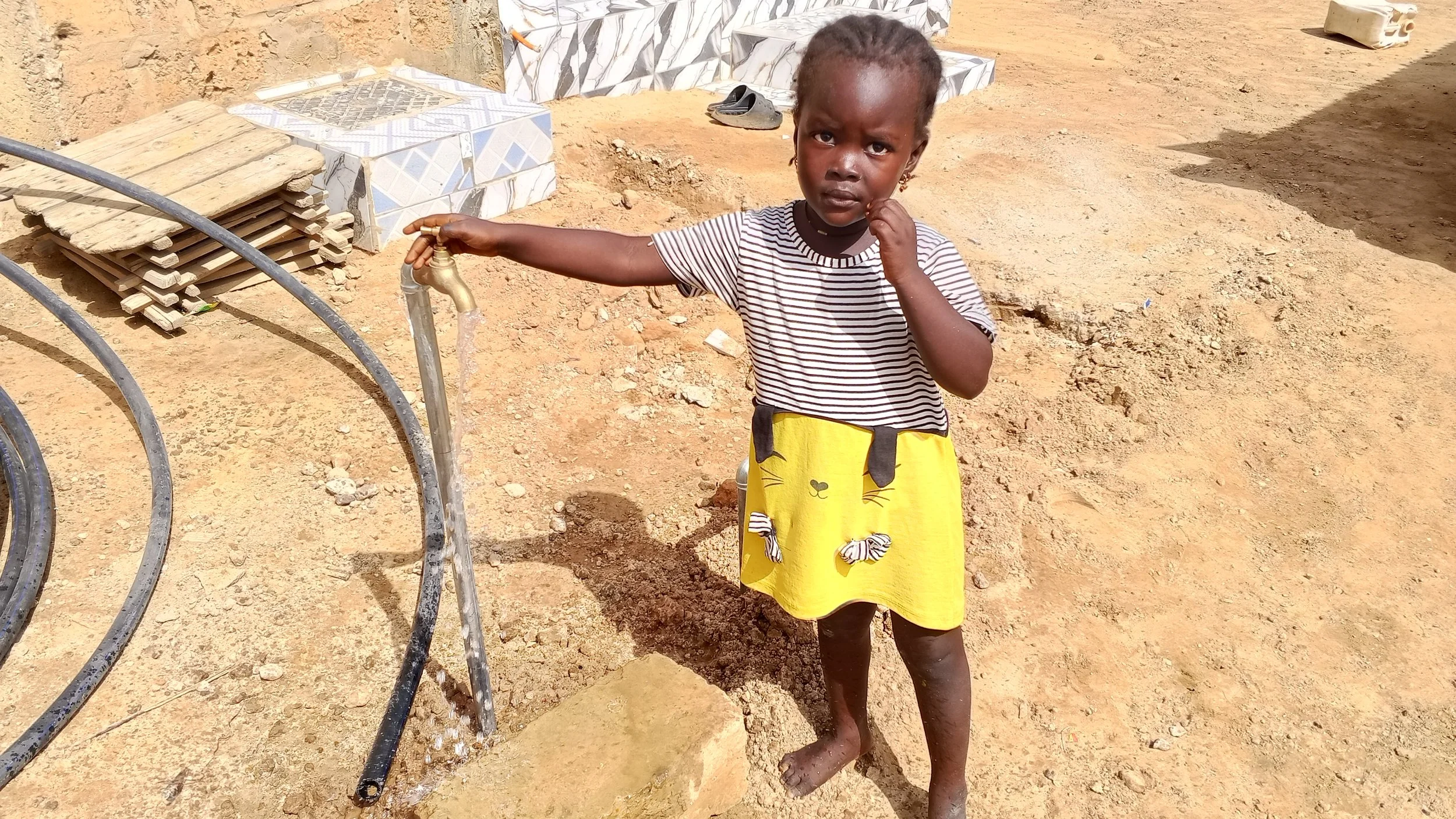
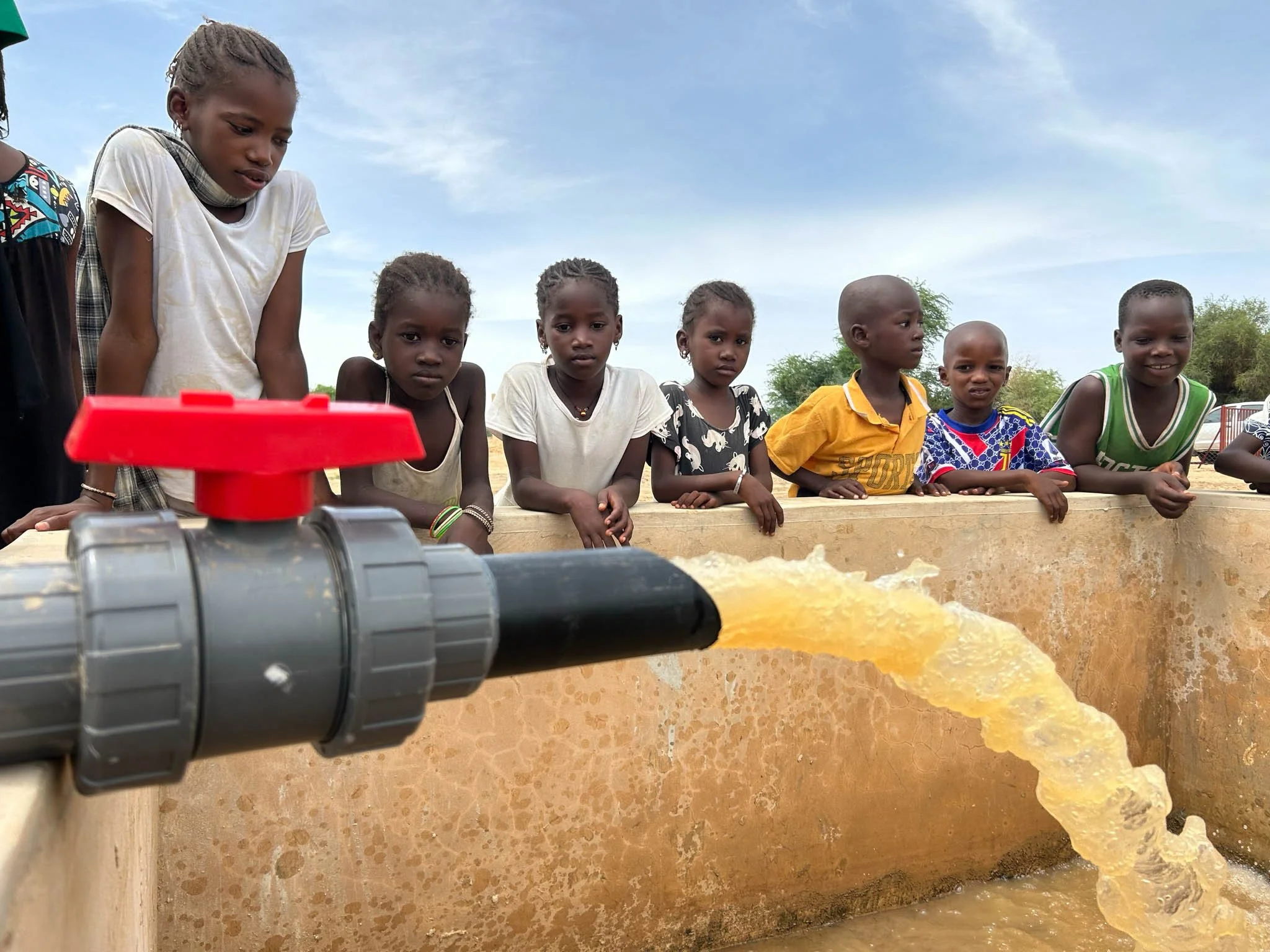
Dieynaba Diack demonstrates the new tap in her home. She is growing up in a new era where clean water is within easy reach for every child.
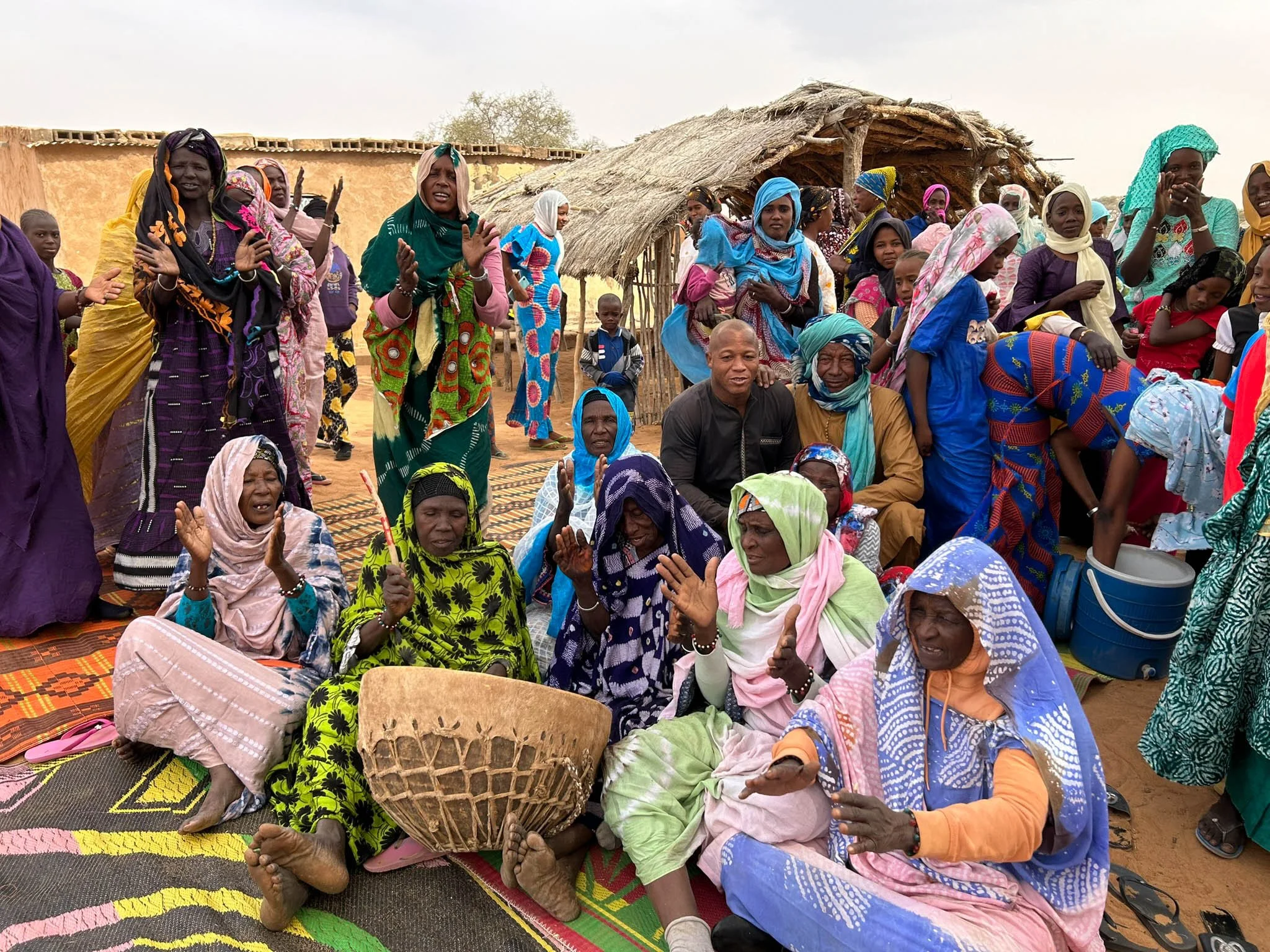
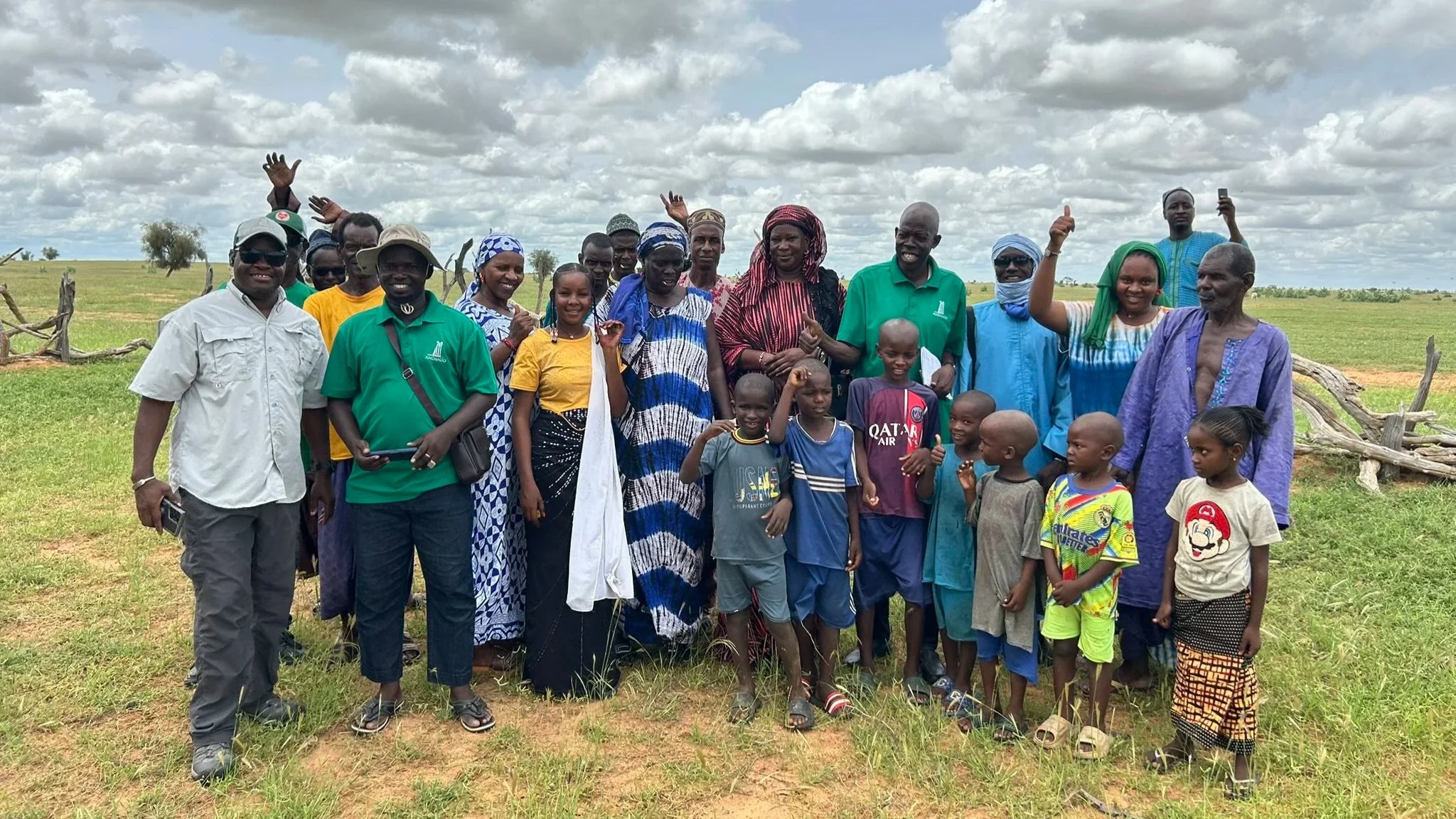
Wouro Kellé is a powerful example of this. Now that the village has an abundant source of clean water for the first time in its history, nearly every family has already invested their own resources to bring water connections into their homes. For families who once carried muddy water from the river each day, it is a tremendous change.
“I work at the clinic, and every 2 or 3 days, children with diarrhea used to be brought in. But thank God! We’re grateful to Andando for bringing us clean drinking water. We tested it and it’s good.”
-Salma Sall, Community Health Worker

Salma Sall showed us the unfiltered river water, left, that led to to high rates of schistosomiasis, which can cause chronic illness and organ damage. The new system offers a much safer alternative.
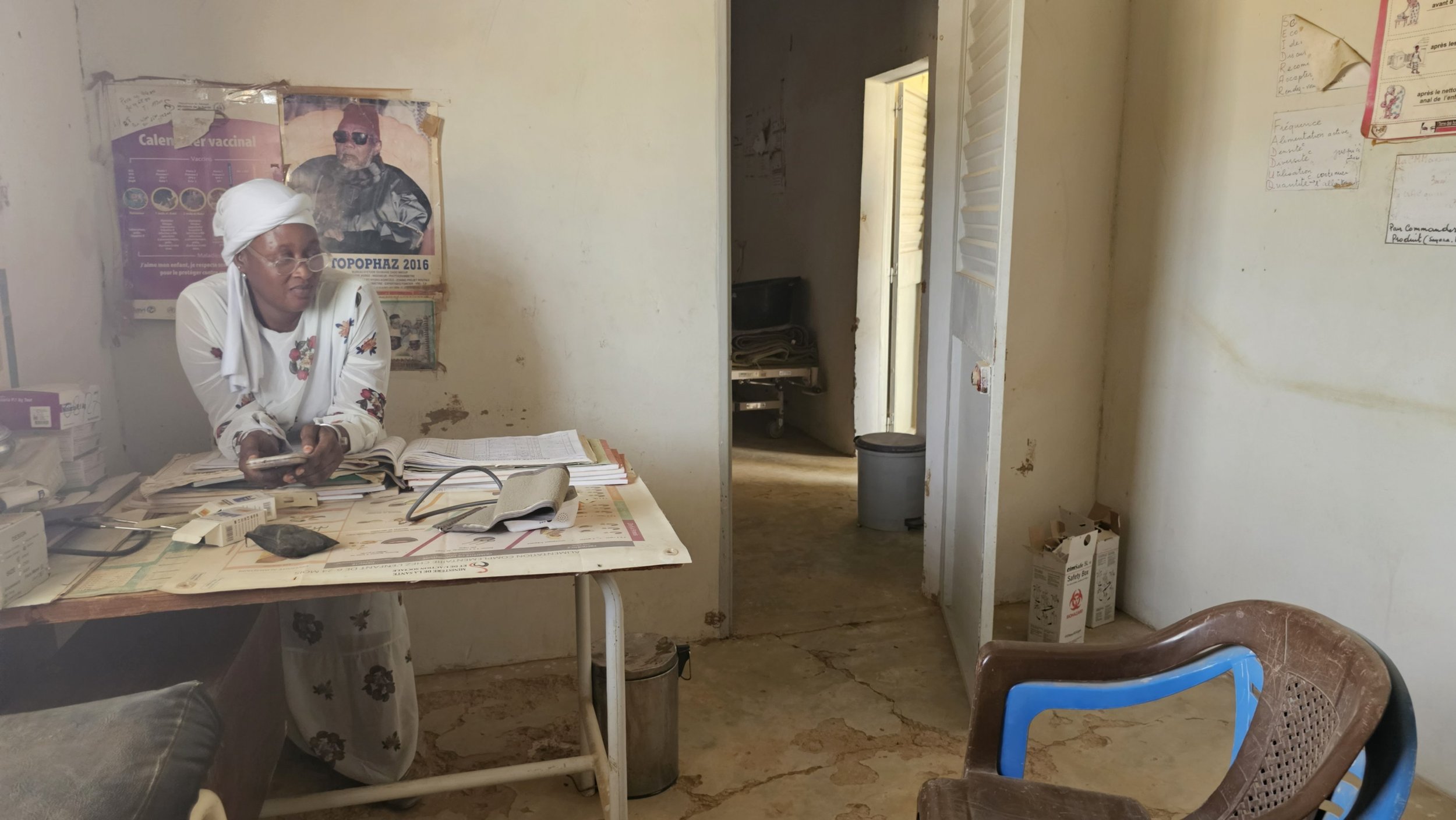
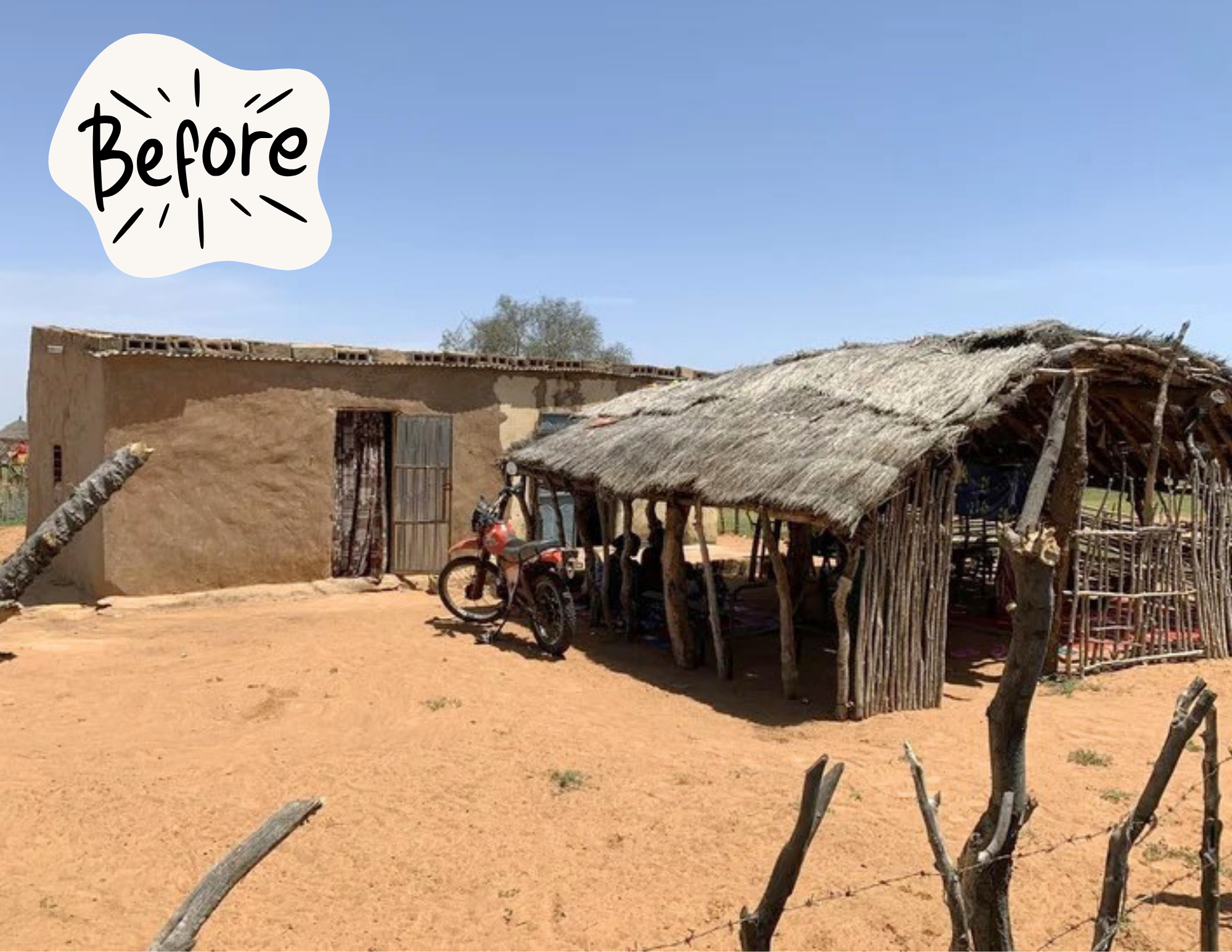
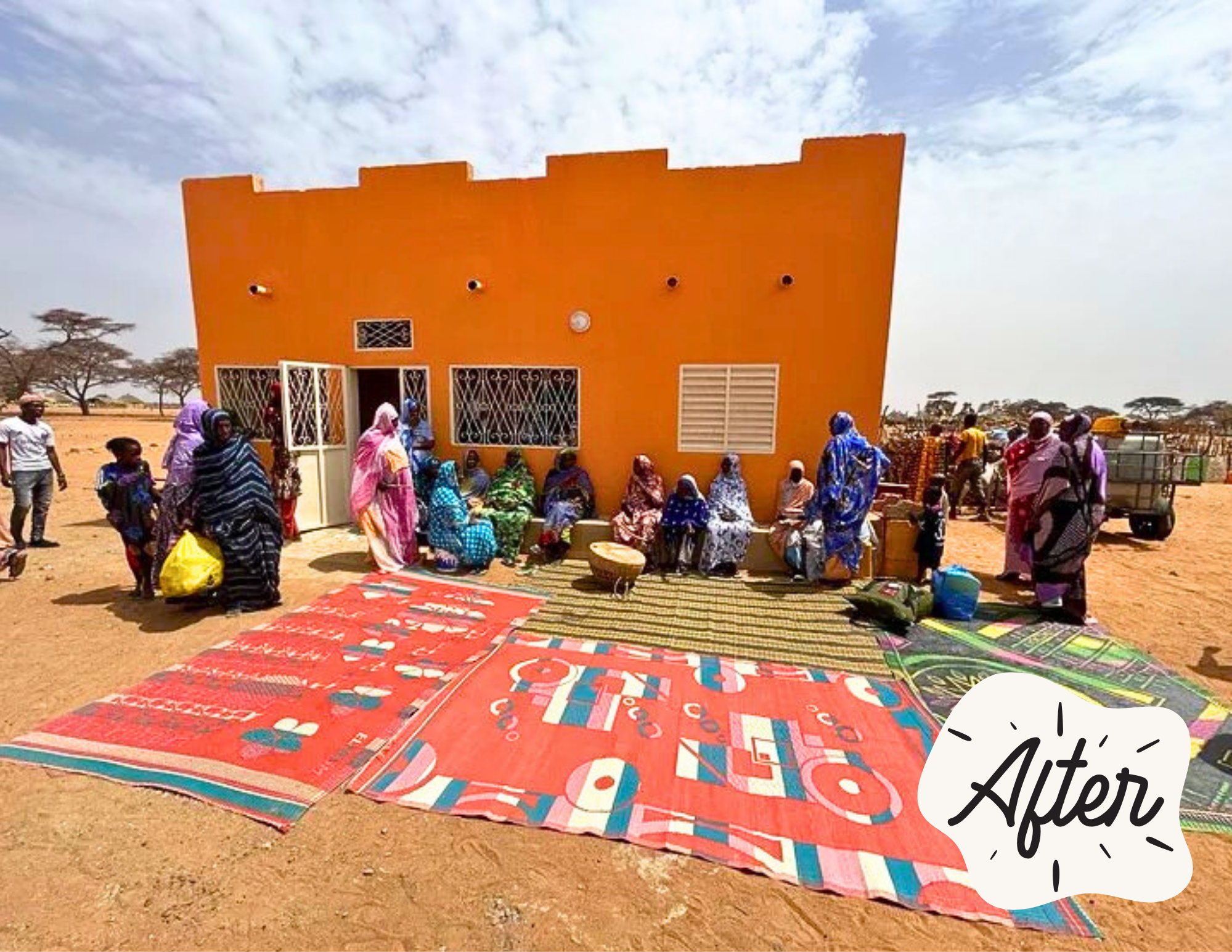
What’s next? Now that the local health clinic has clean water, we are in discussions to see how we can renovate and support this vital rural facility.
Want to help? Your financial support will enable more families to have access to clean drinking water and improved health care facilities. Donate today to make a lasting impact.
Join us at our annual fundraising Gala (online or in person). This year’s gala features delicious Senegalese food, a special performance by Massamba Diop, a keynote presentation on Andando's Aquaculture initiative by Karen Veverica, ,the always entertaining Dessert Dash, and the opportunity to raise your paddle to help launch new projects in Senegal in 2027!