Senobowal

Hope on the Edge of the Sahara

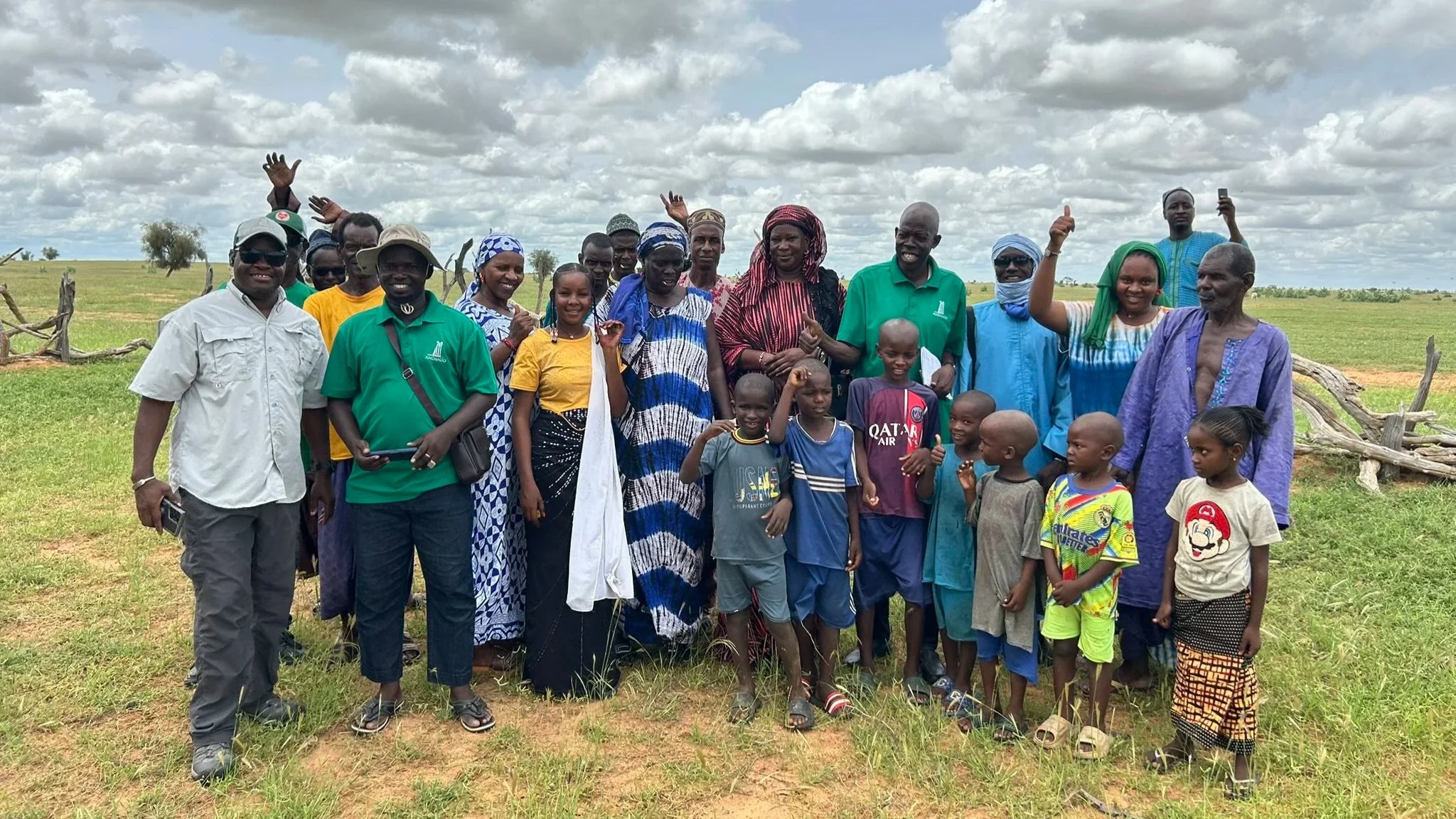
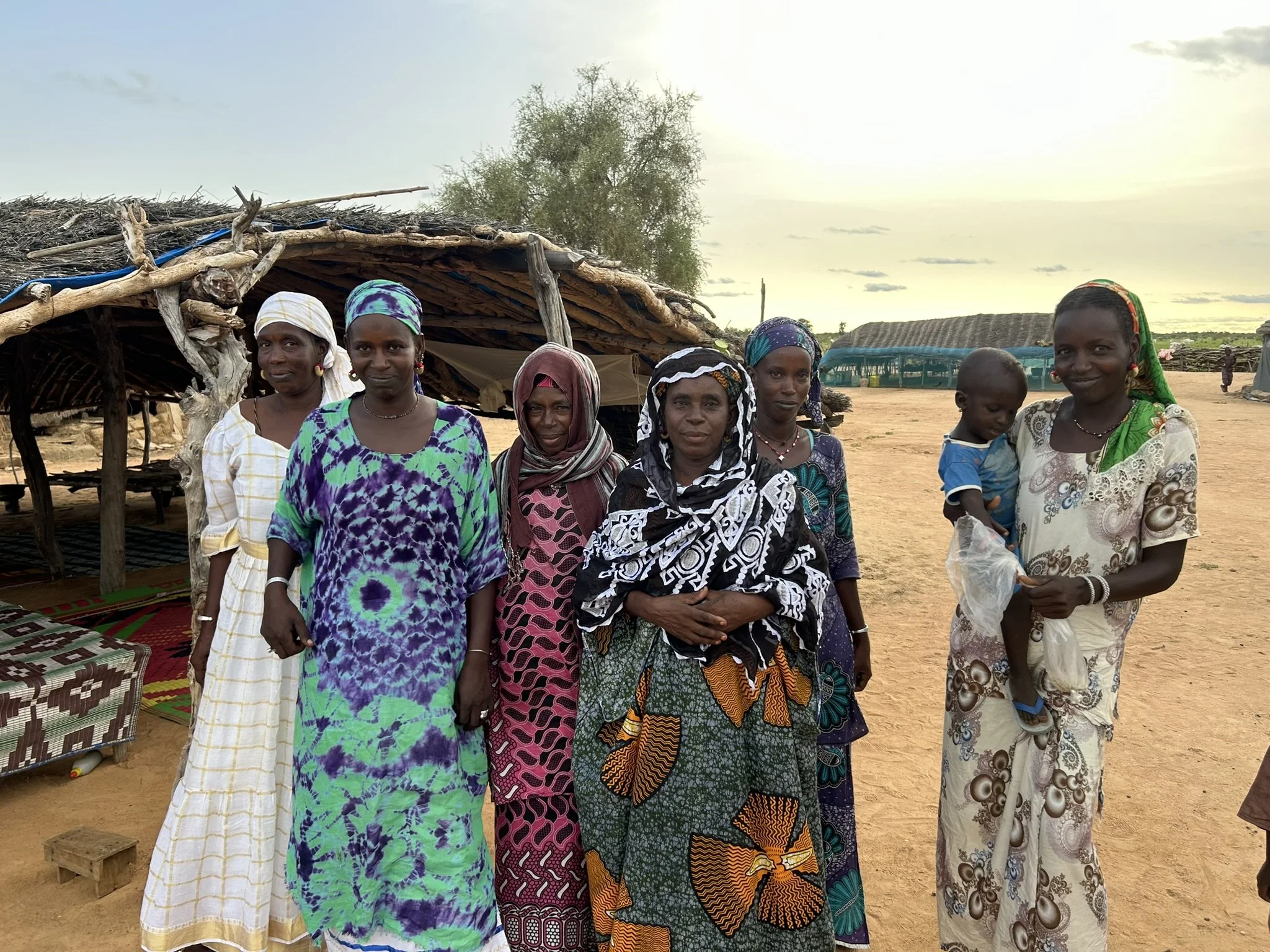
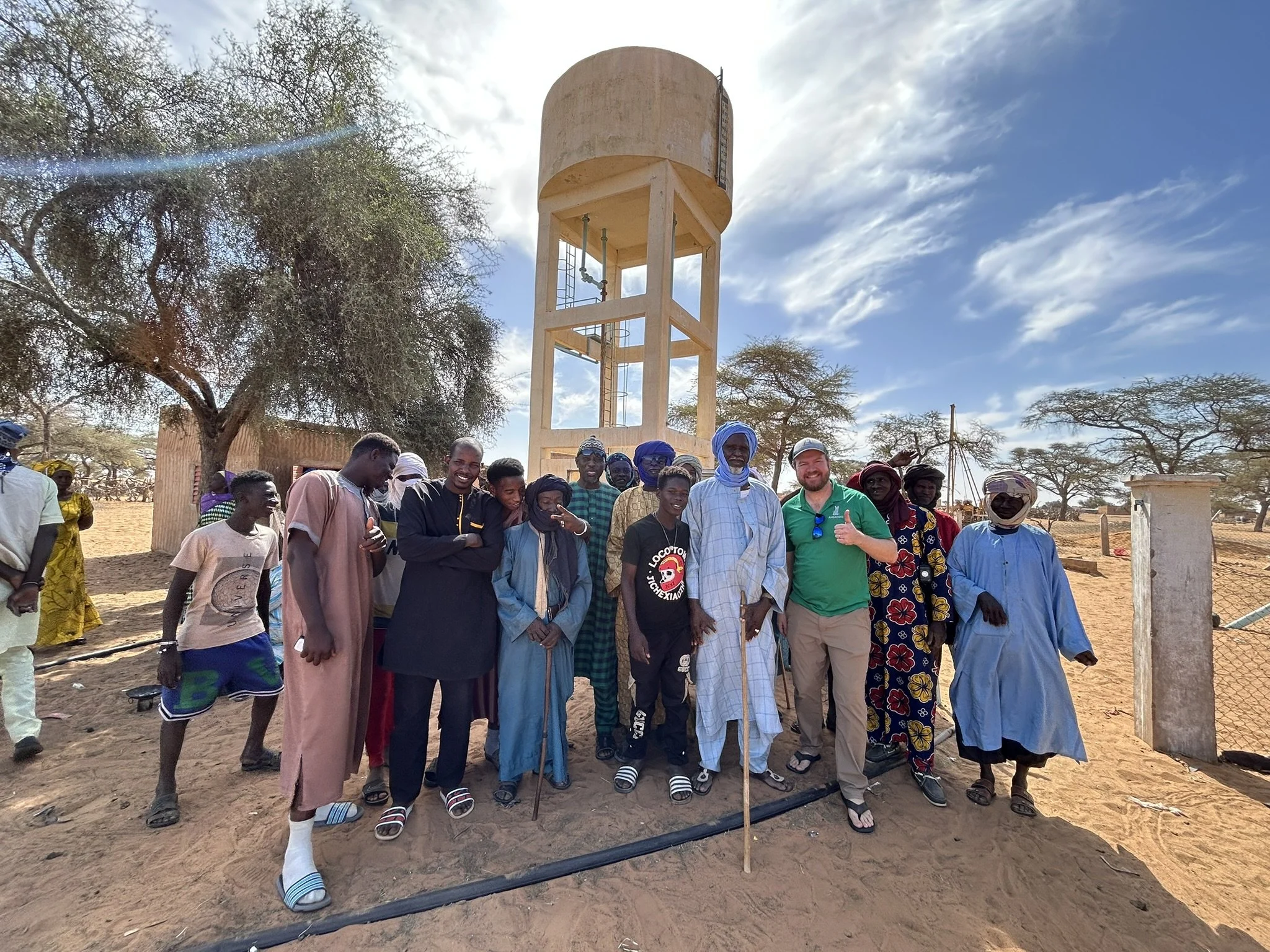
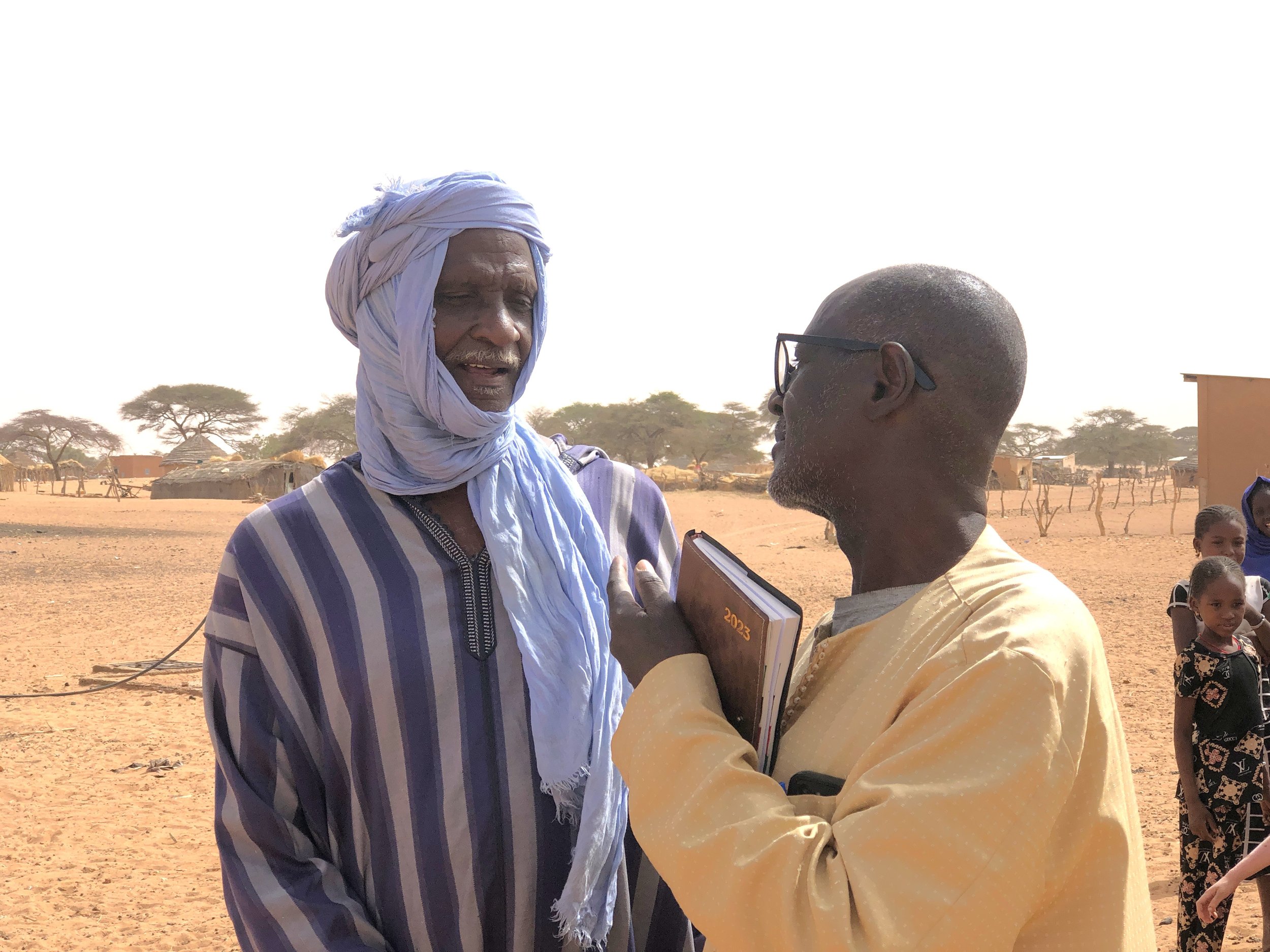
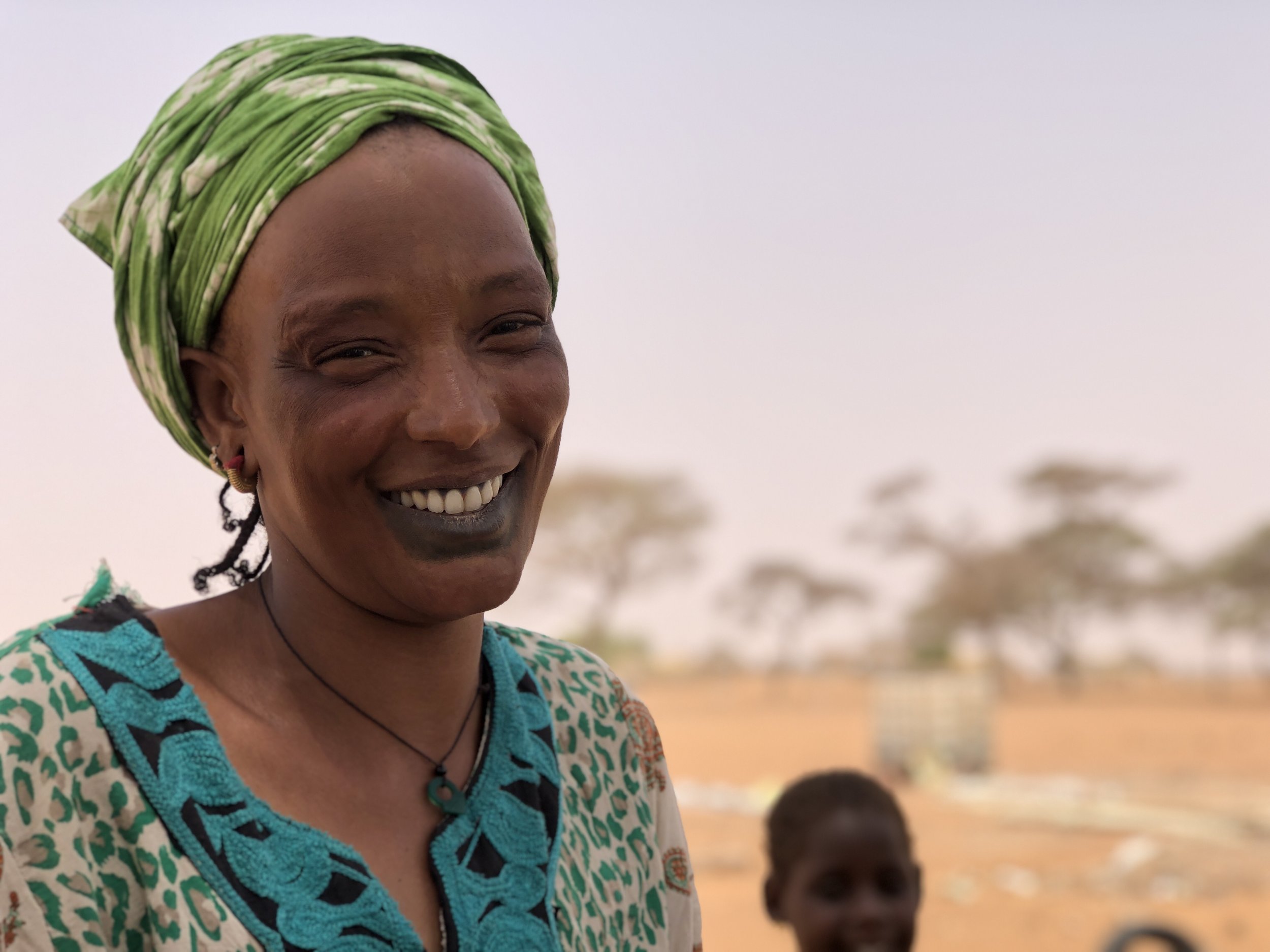
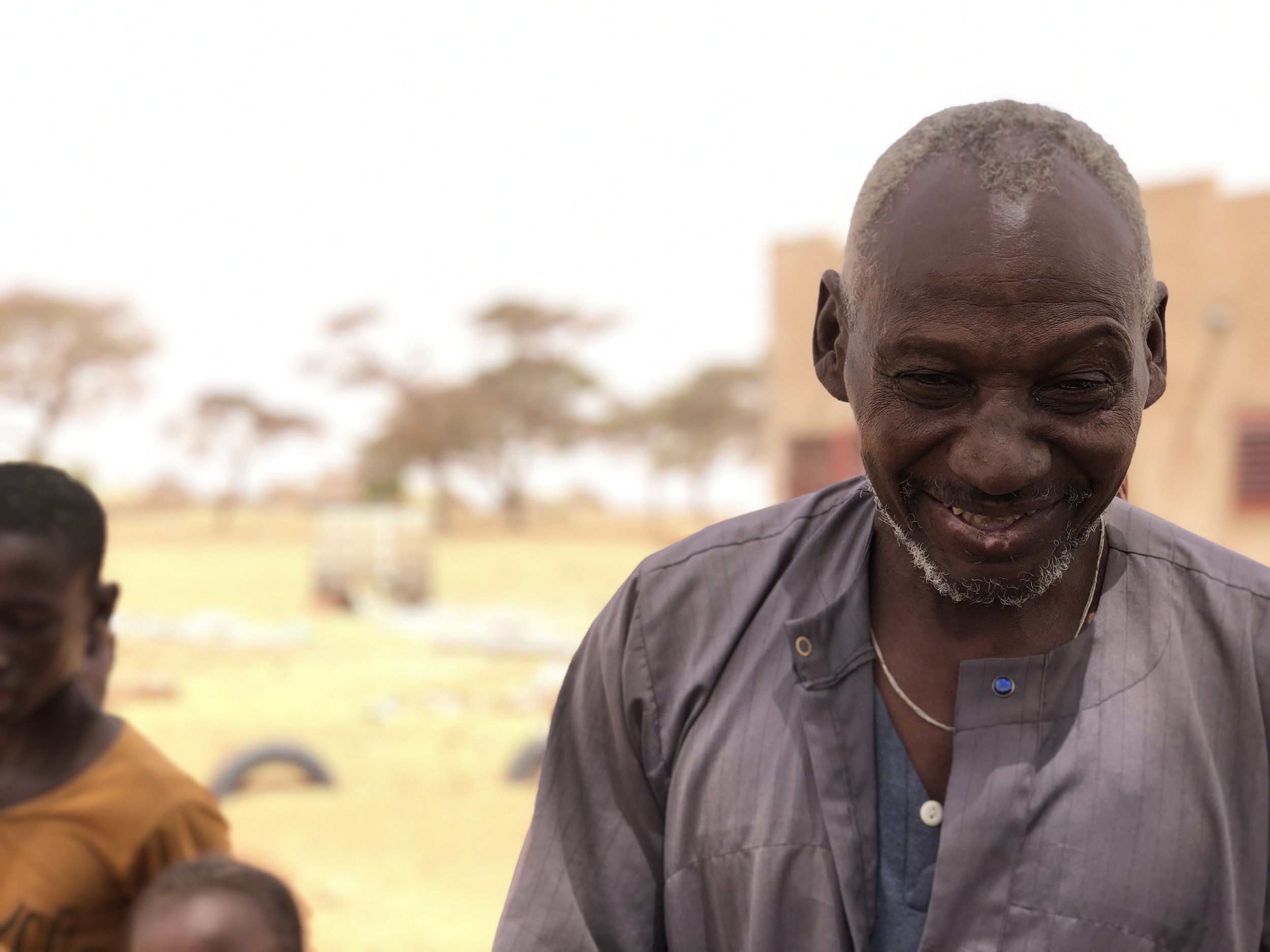
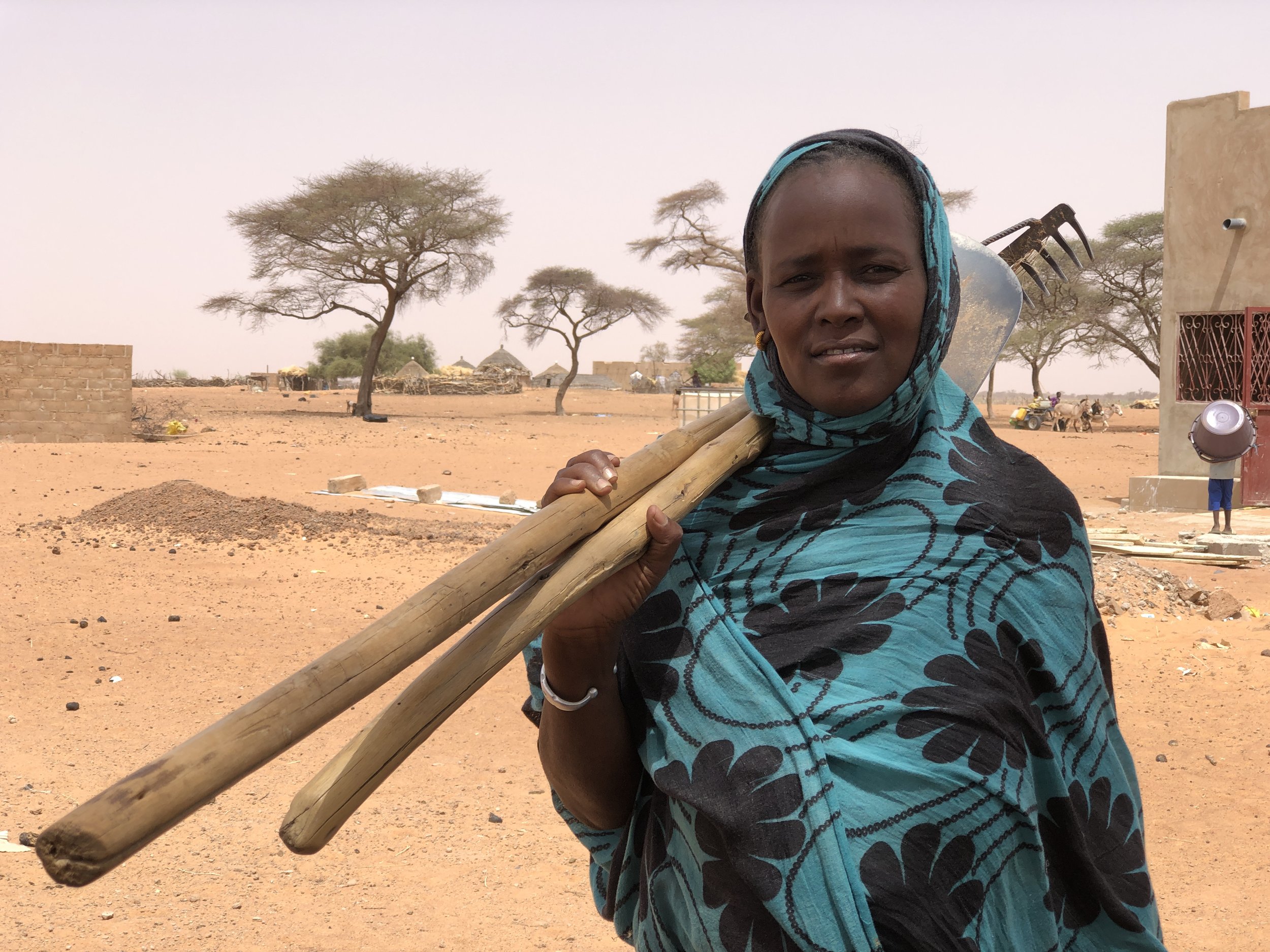
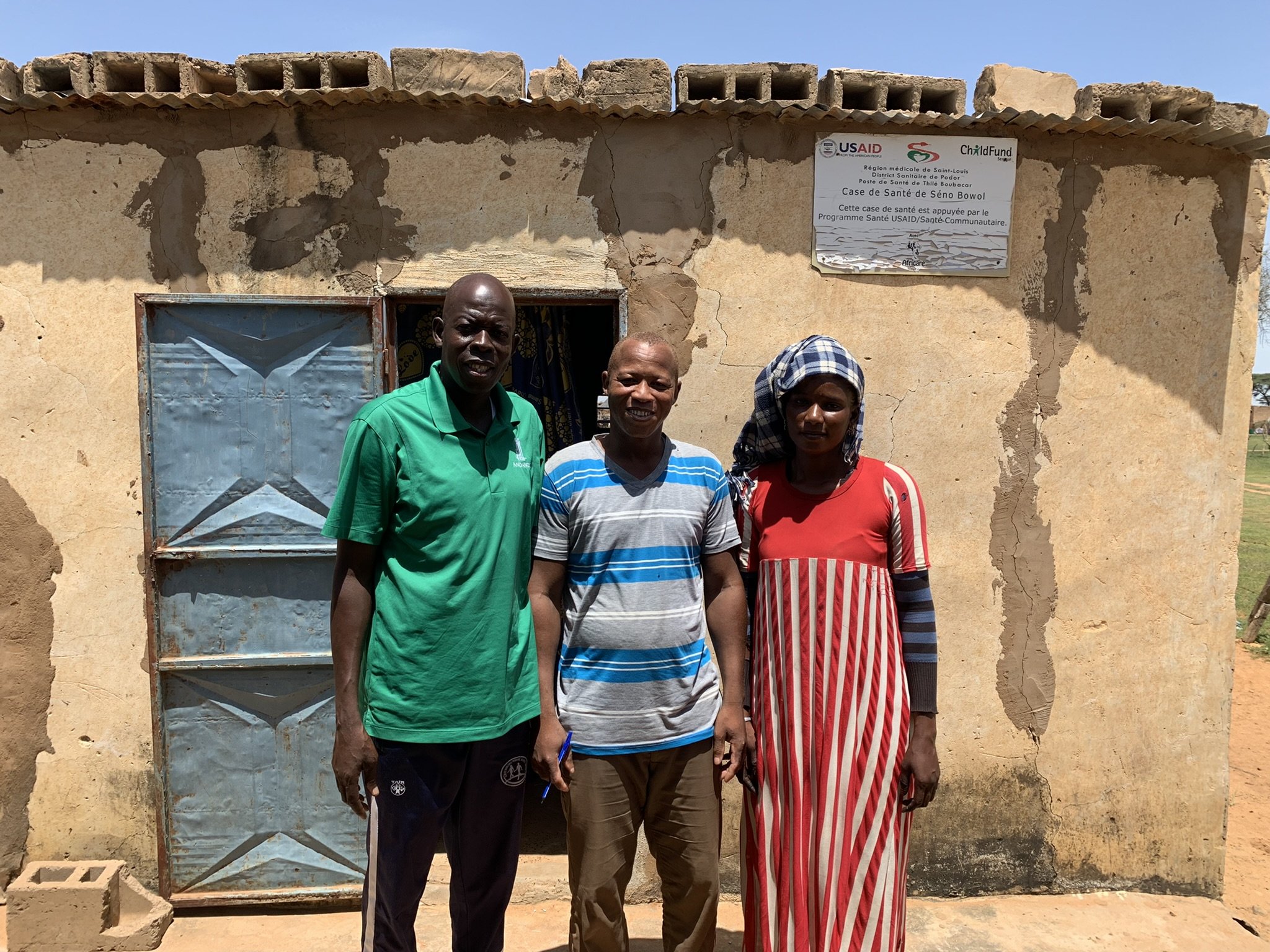
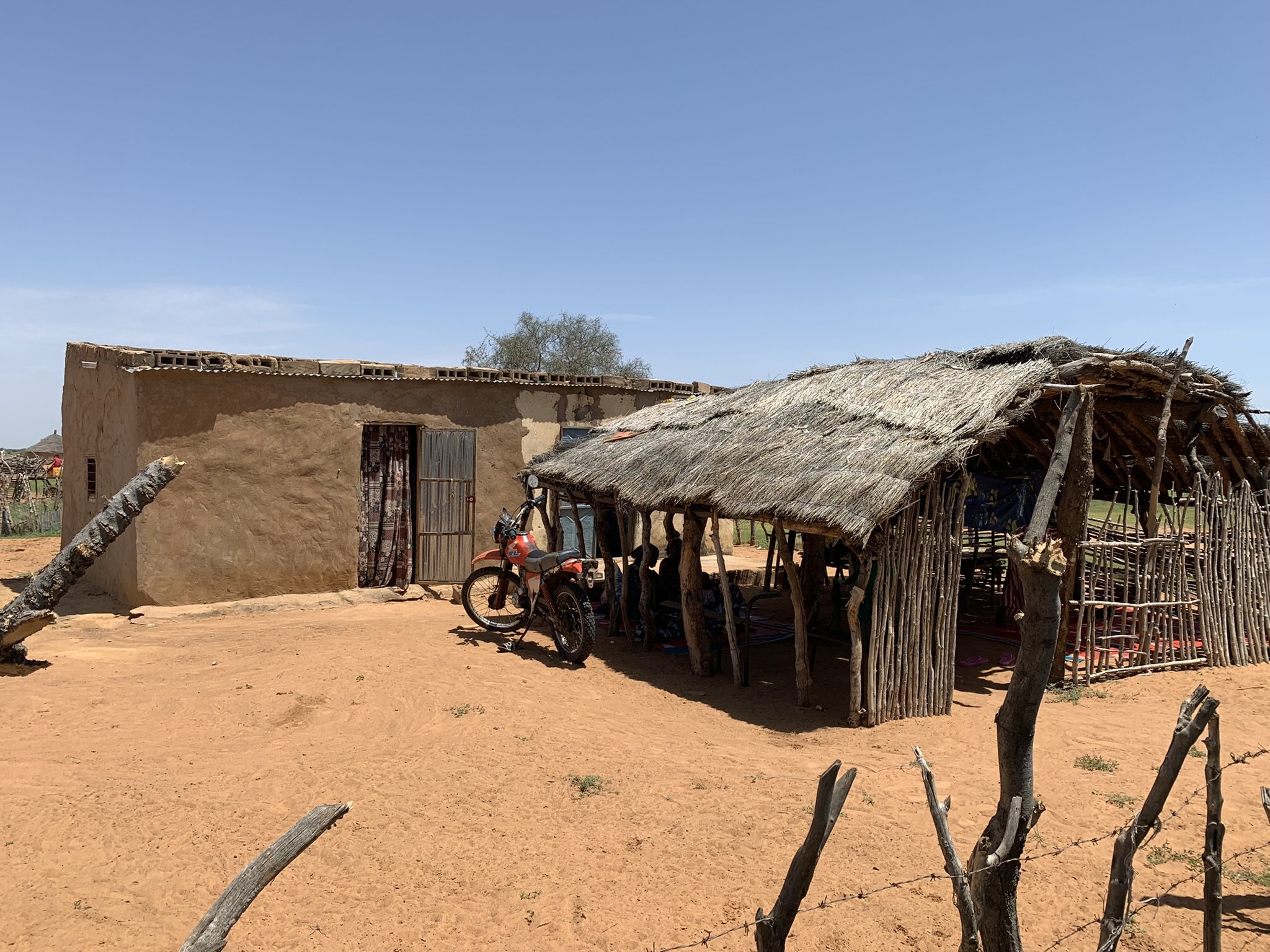
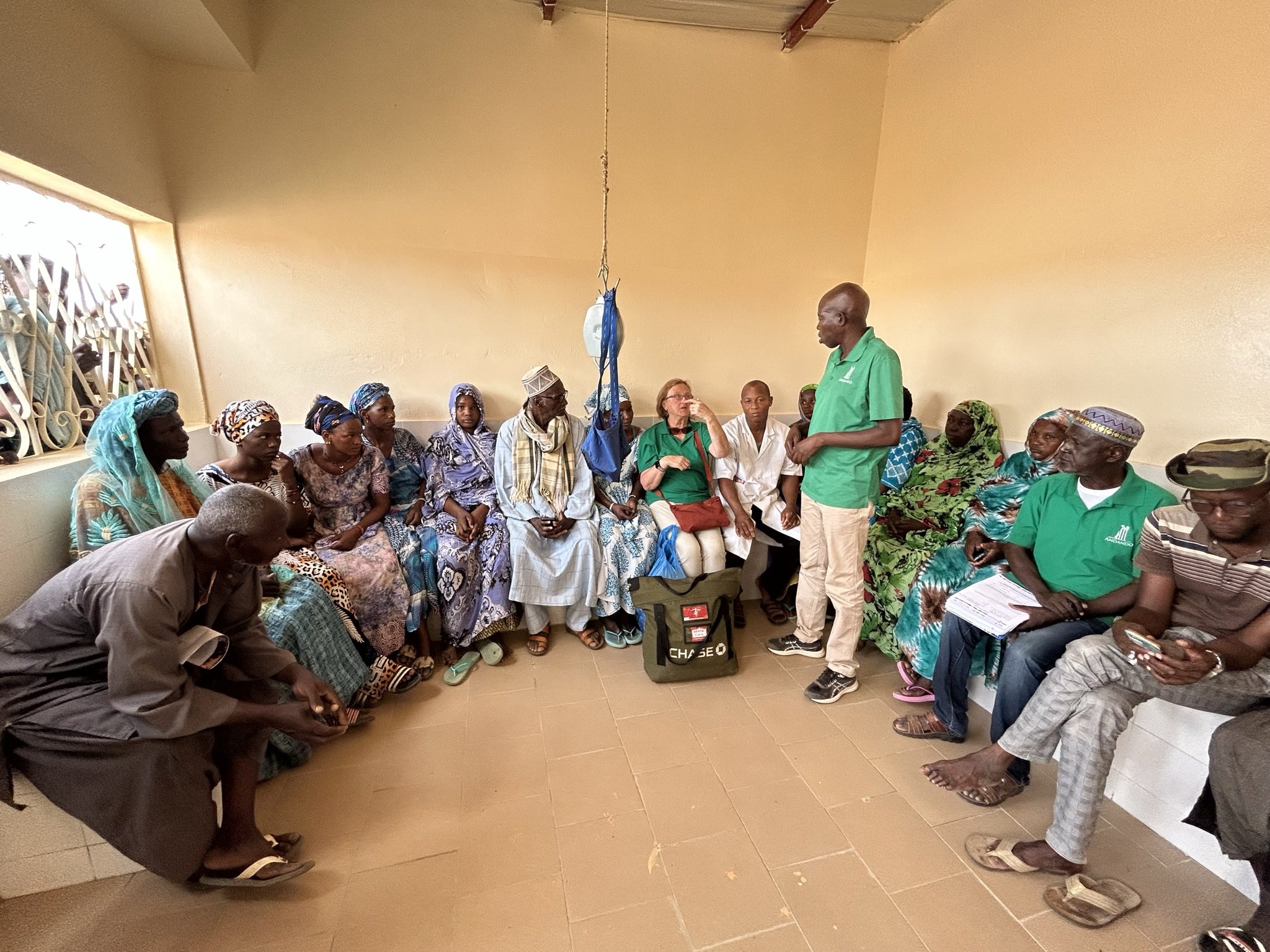
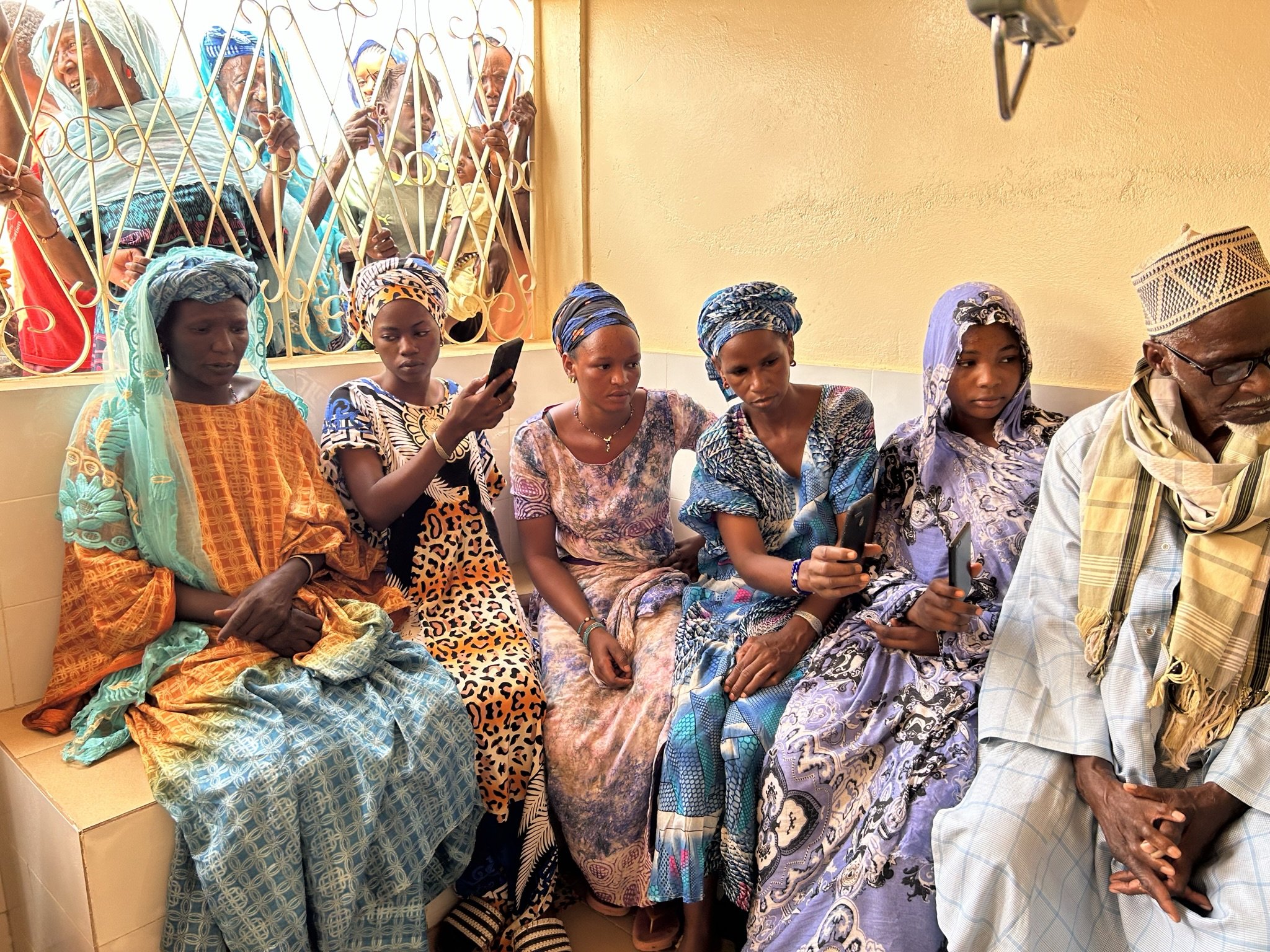
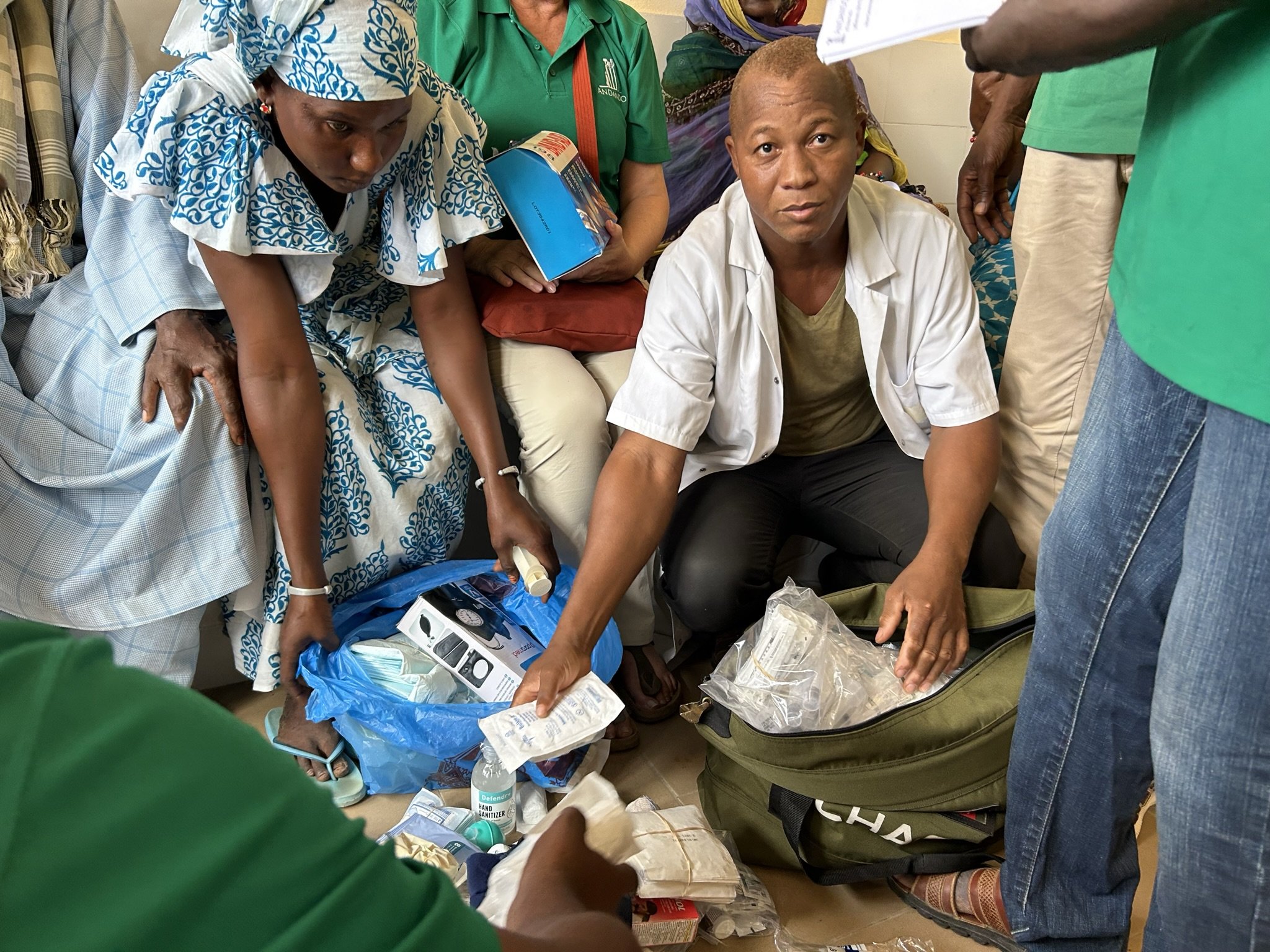
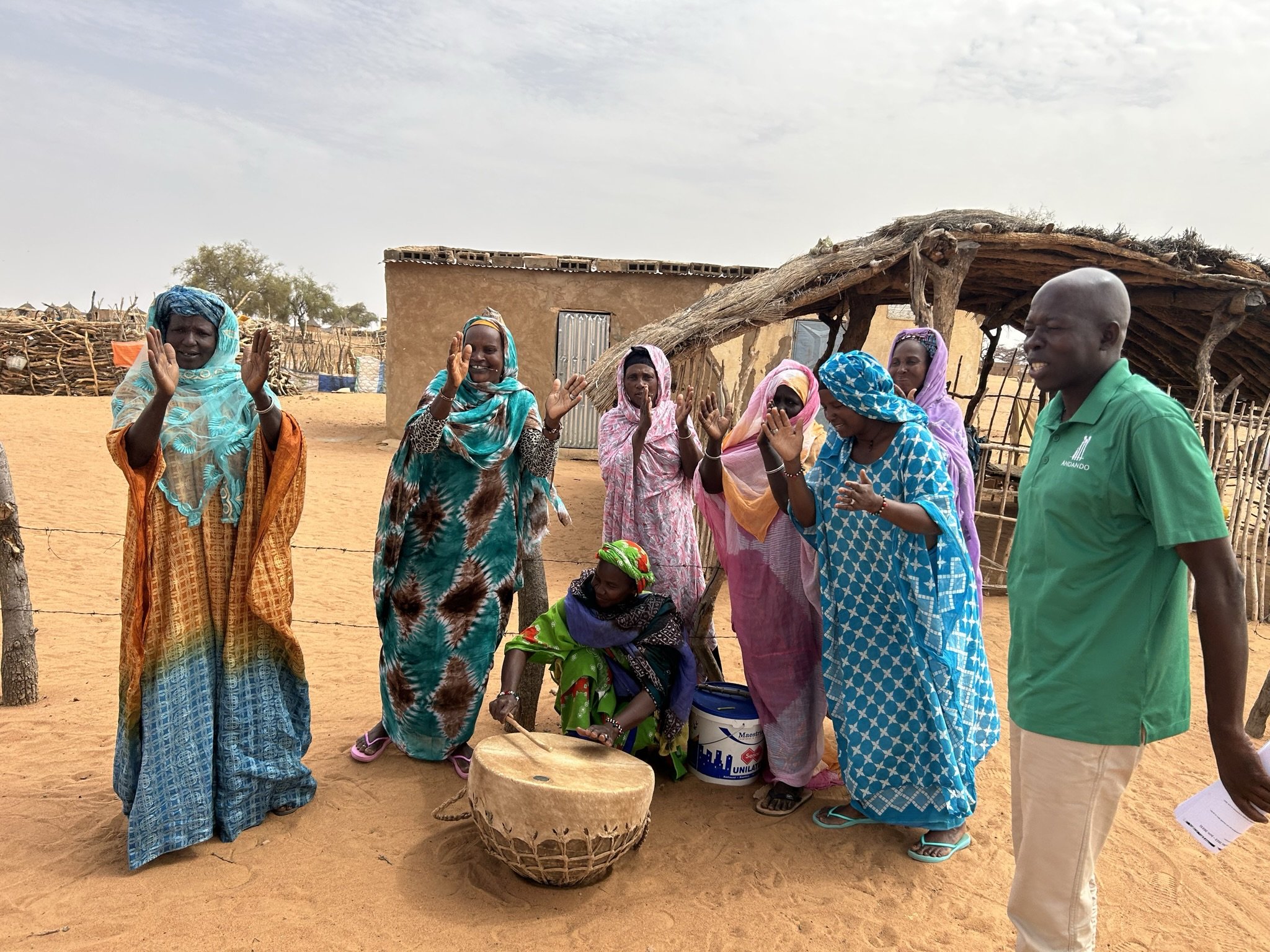
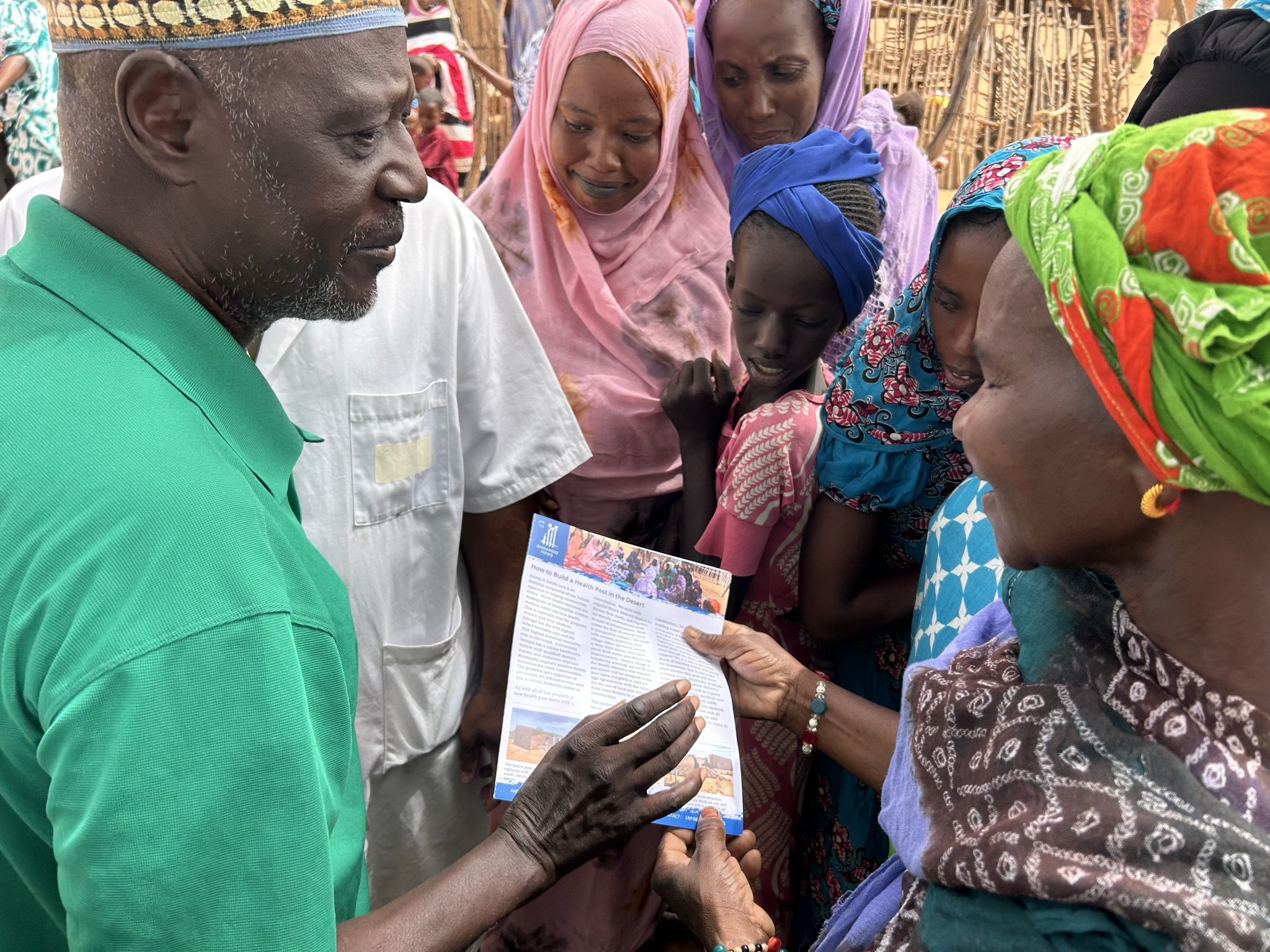
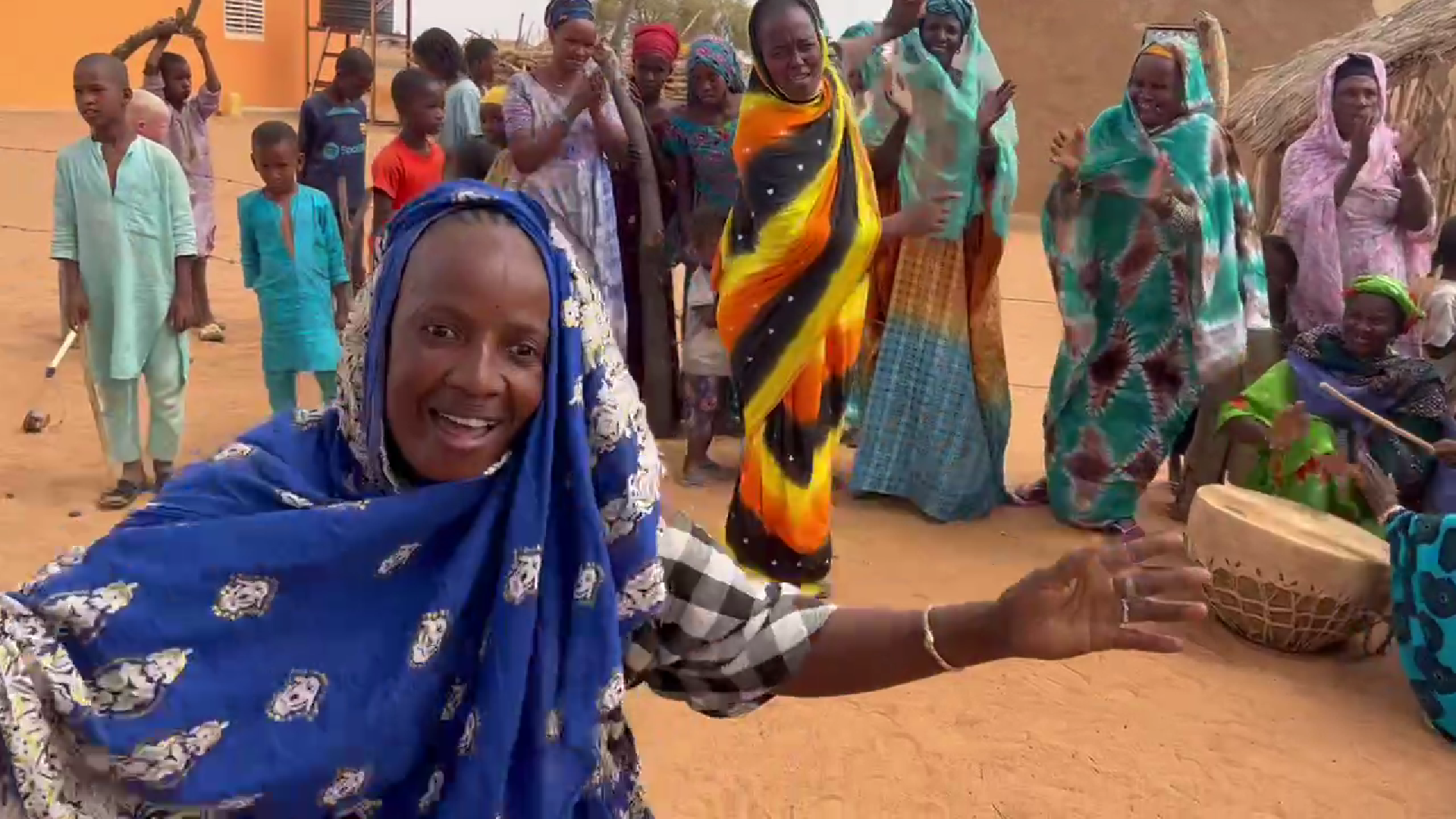
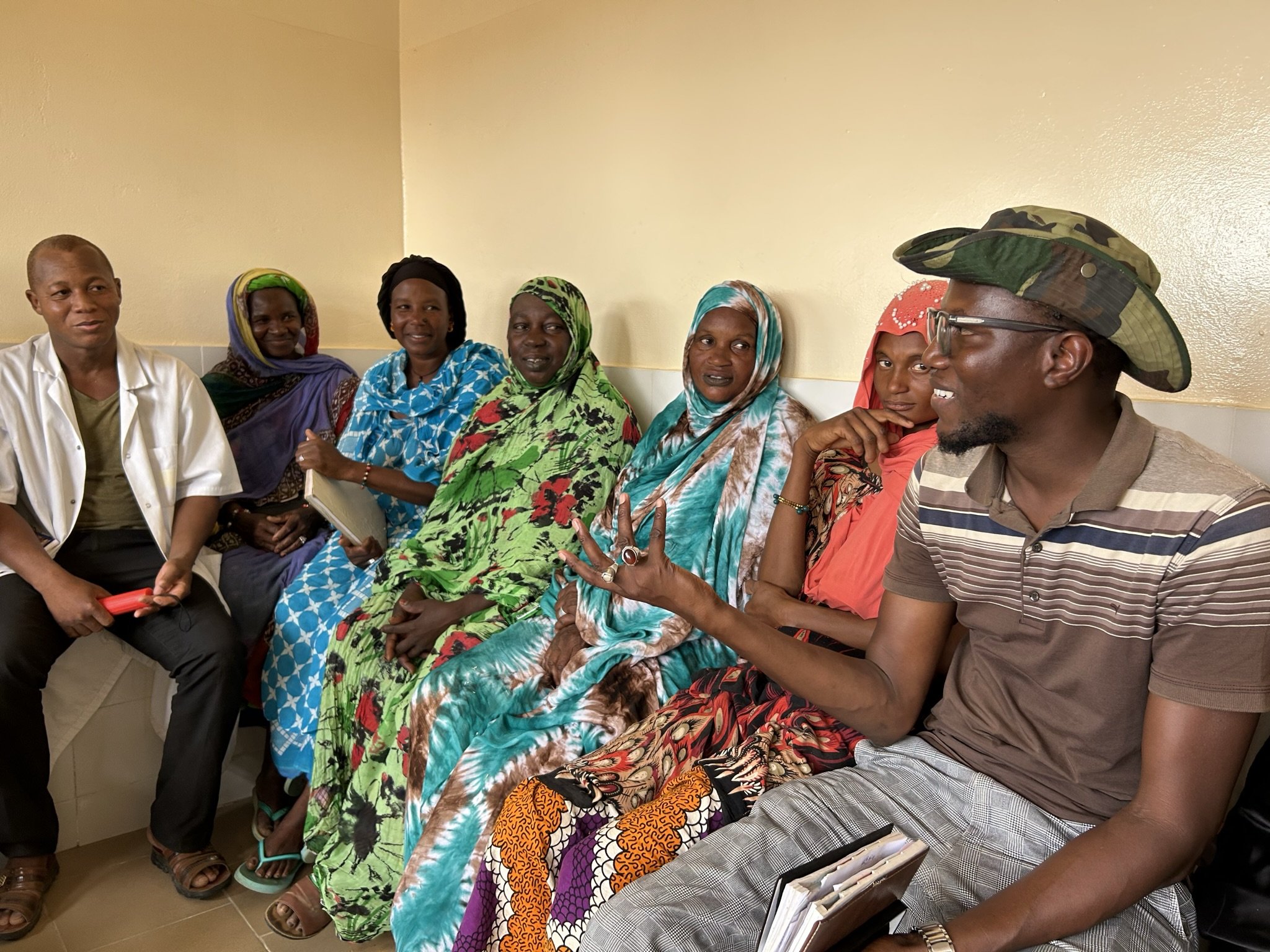
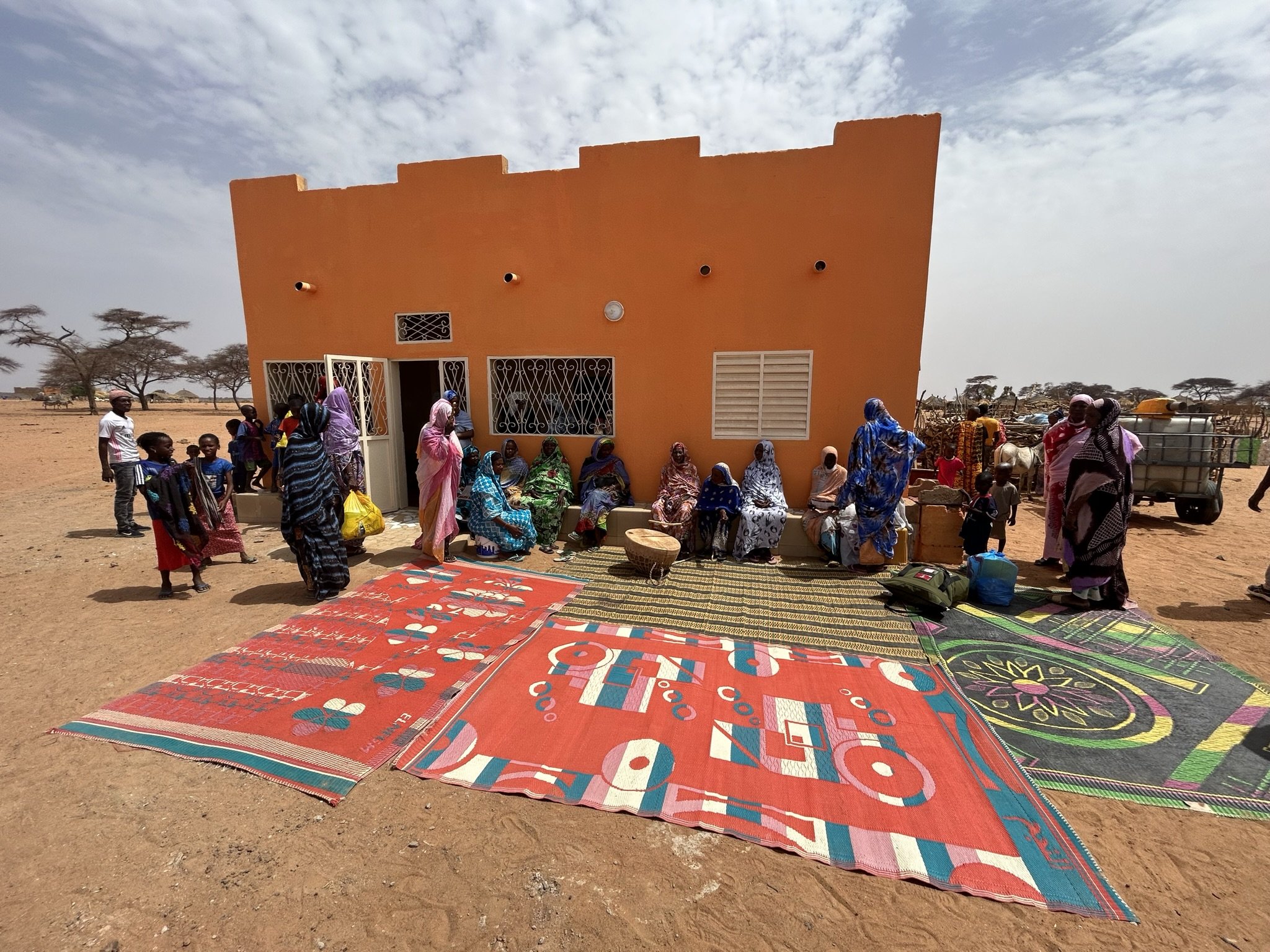
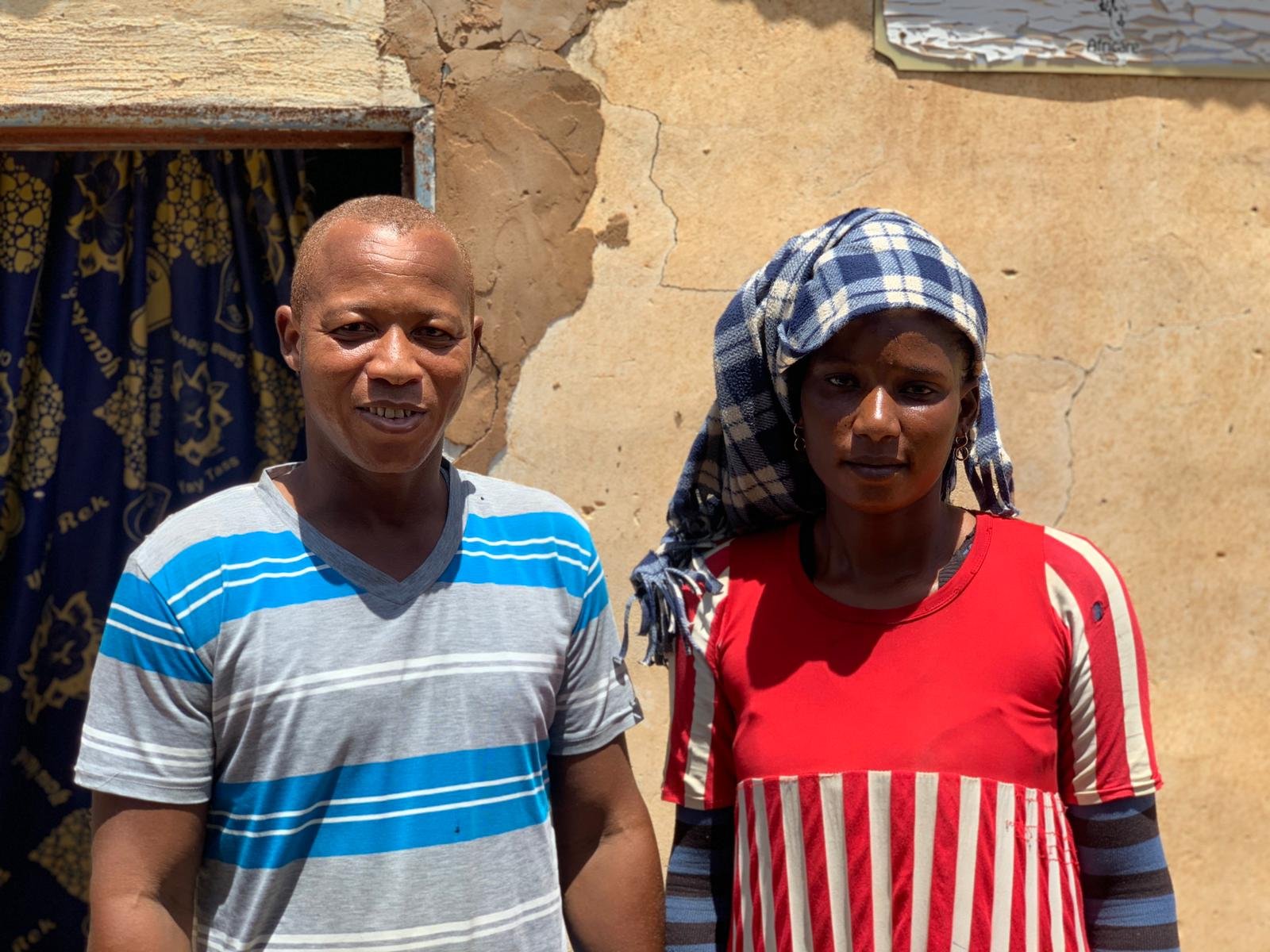
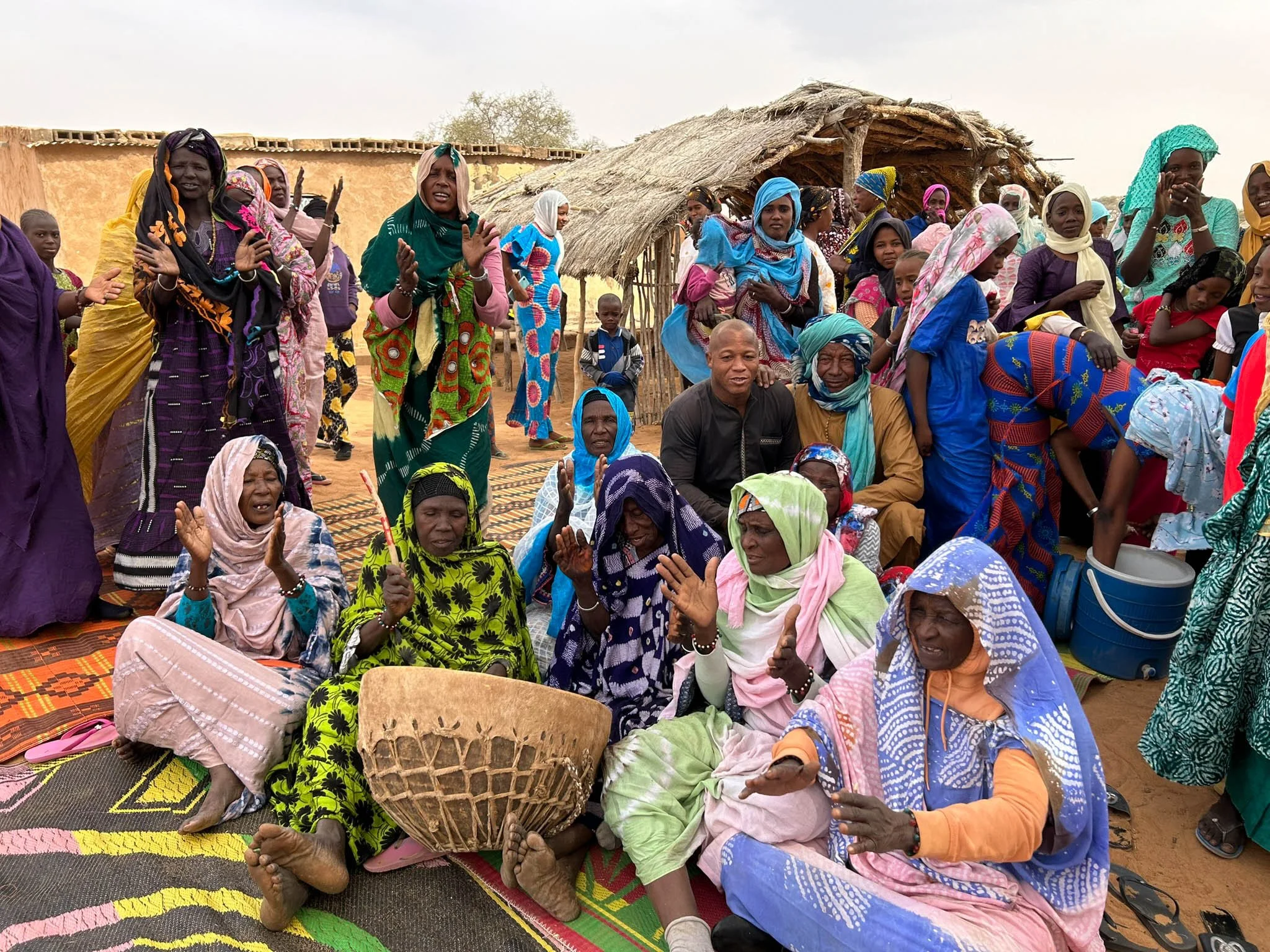
Some of the residents of Senobowal Village.

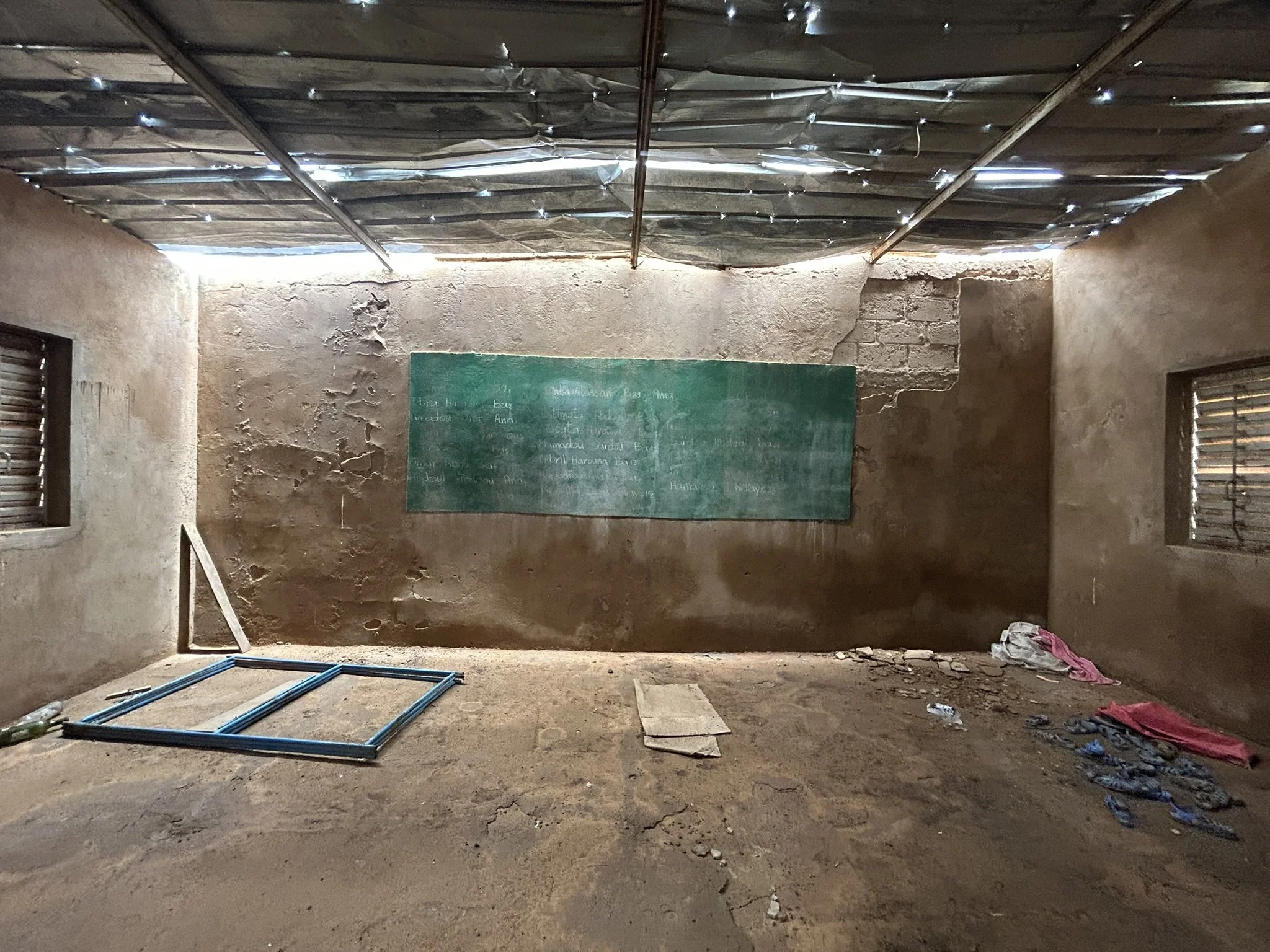
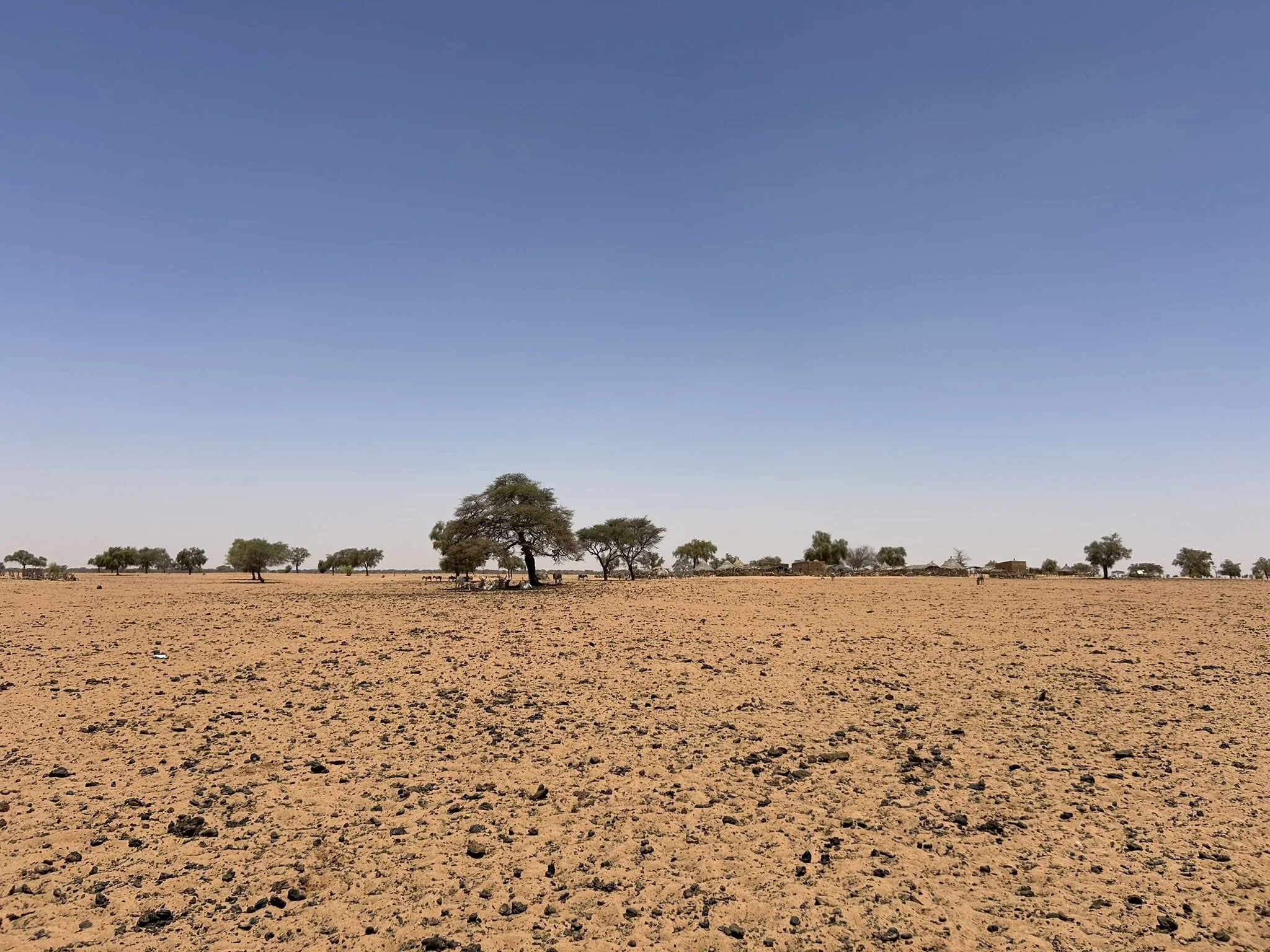
Senobowal sits at the crossroads of a changing world. Home to more than 2,000 Indigenous Pulaar pastoralists, it has been a center of life and movement in northern Senegal for generations. But the rhythms of this beautiful and demanding landscape are shifting. Rains are less predictable, pasture is under growing pressure, and poverty is rising alongside extreme heat. Even so, the people of Senobowal remain vital stewards of a fragile landscape on the edge of the Sahara. Their way of life is under threat, but their knowledge and resilience are also part of the answer to a warming world.
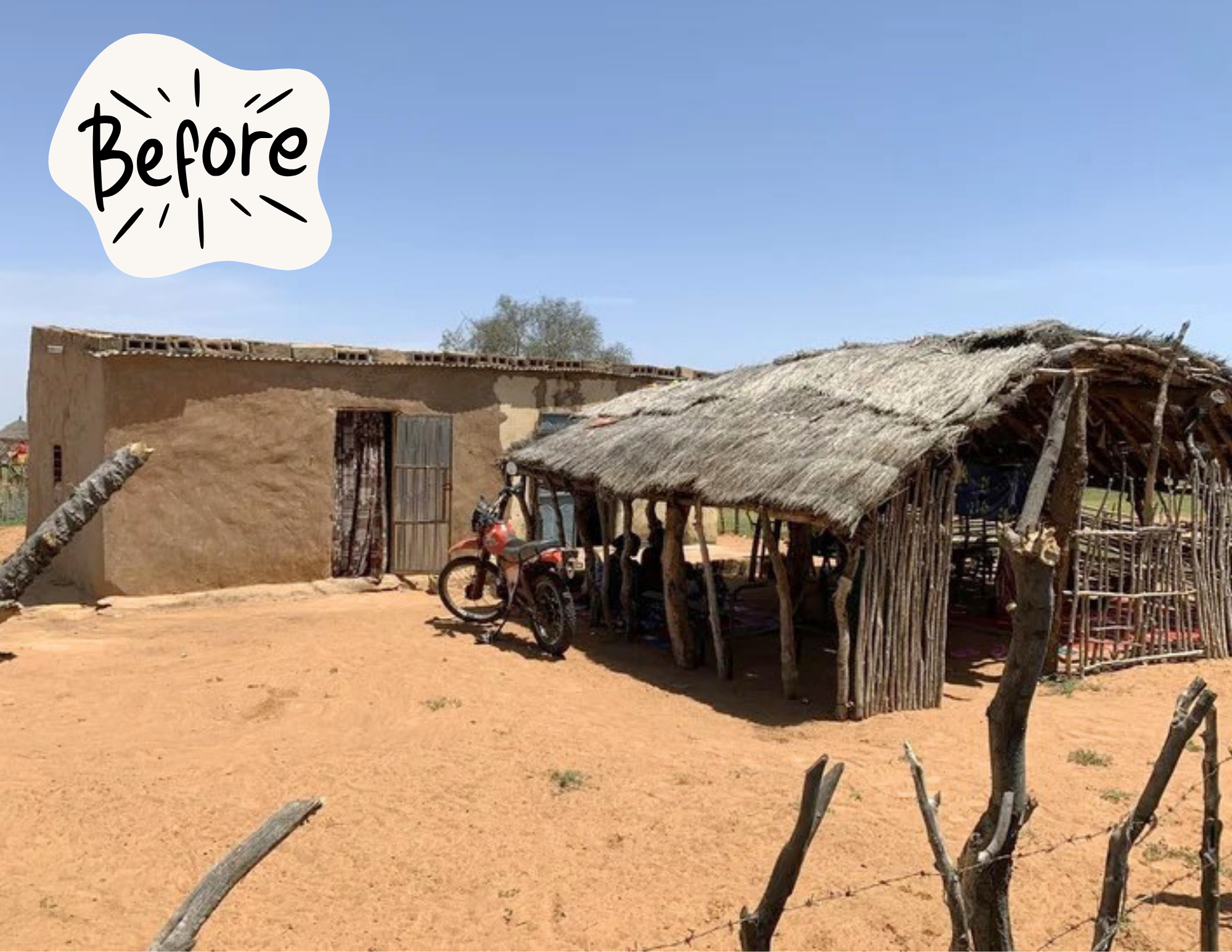
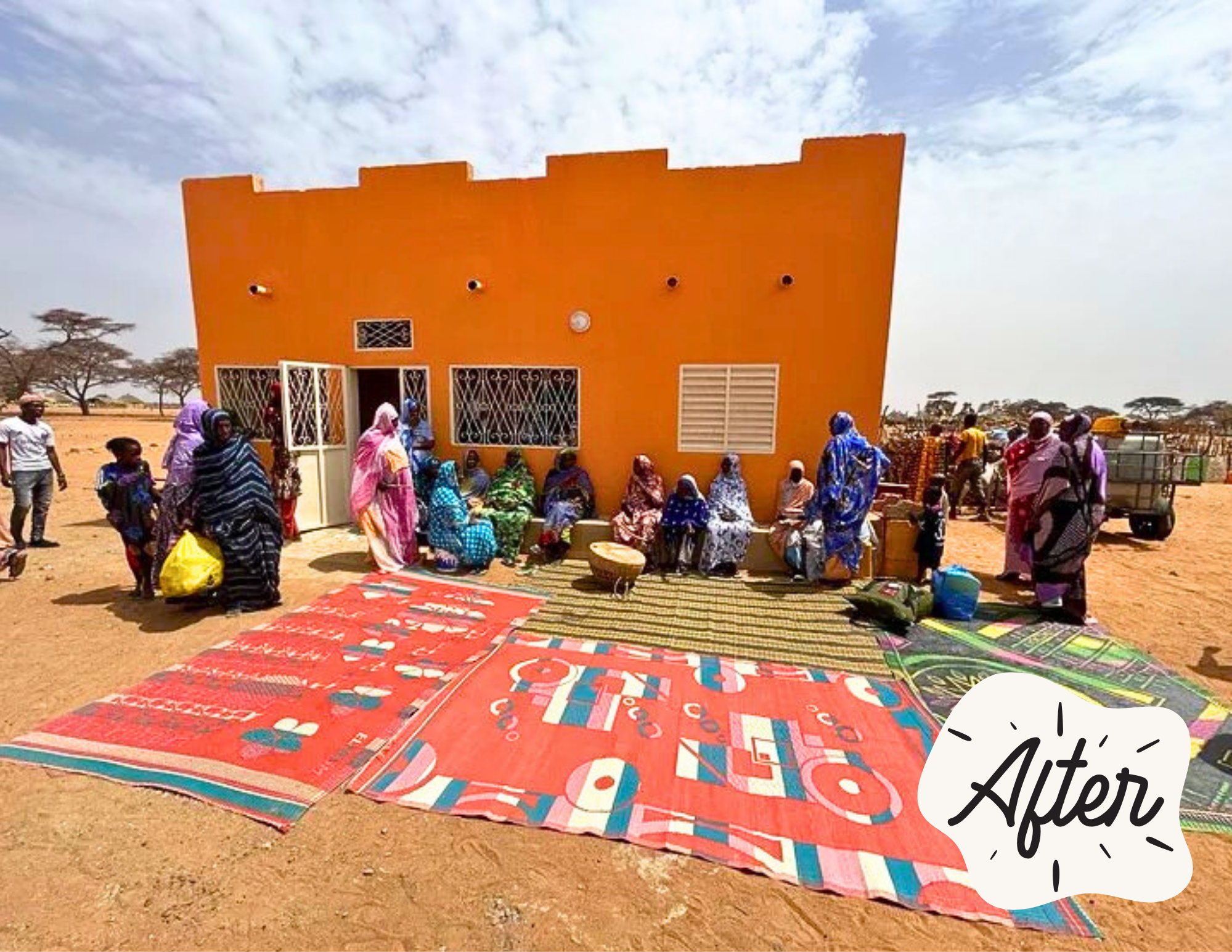
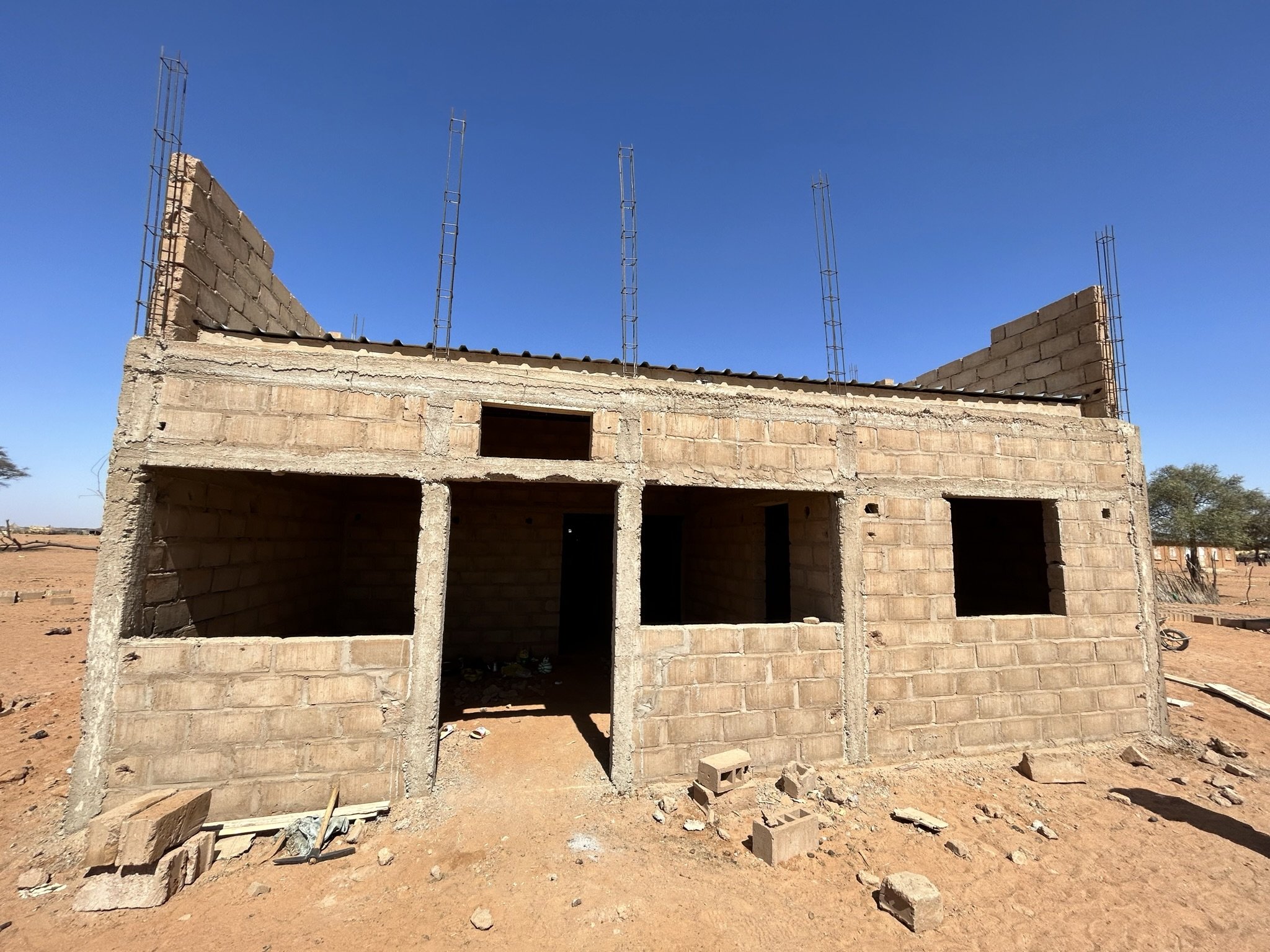
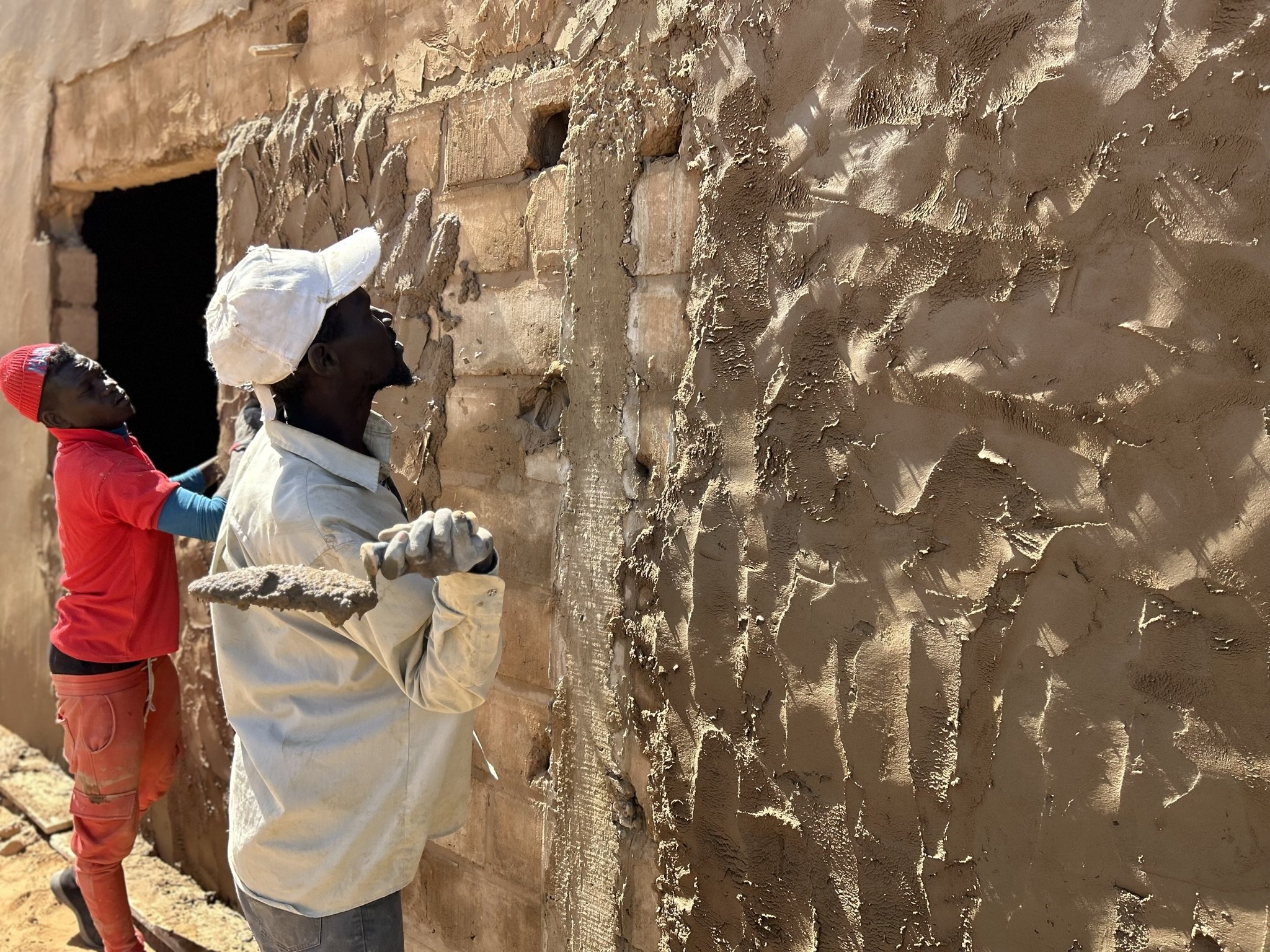
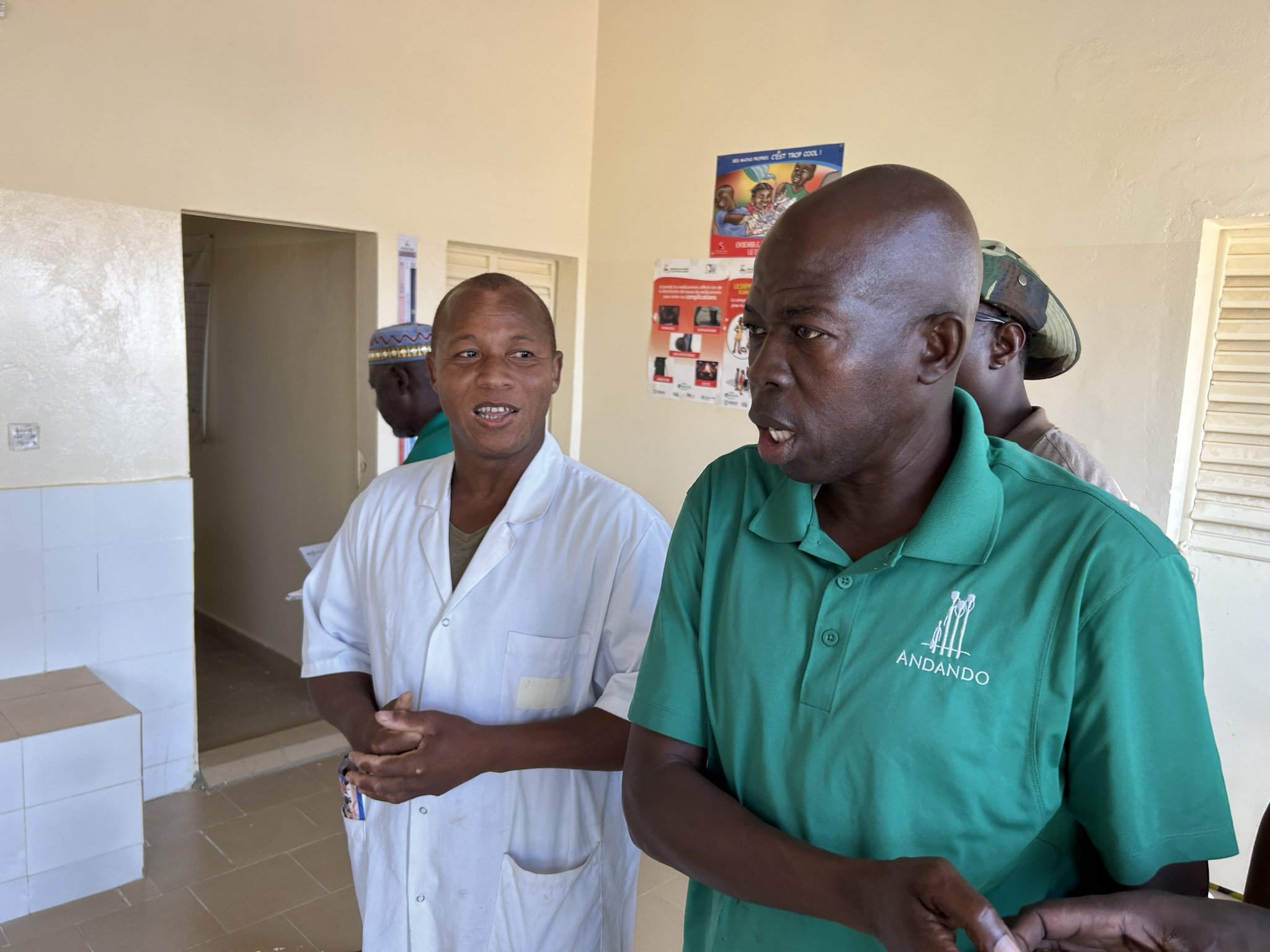
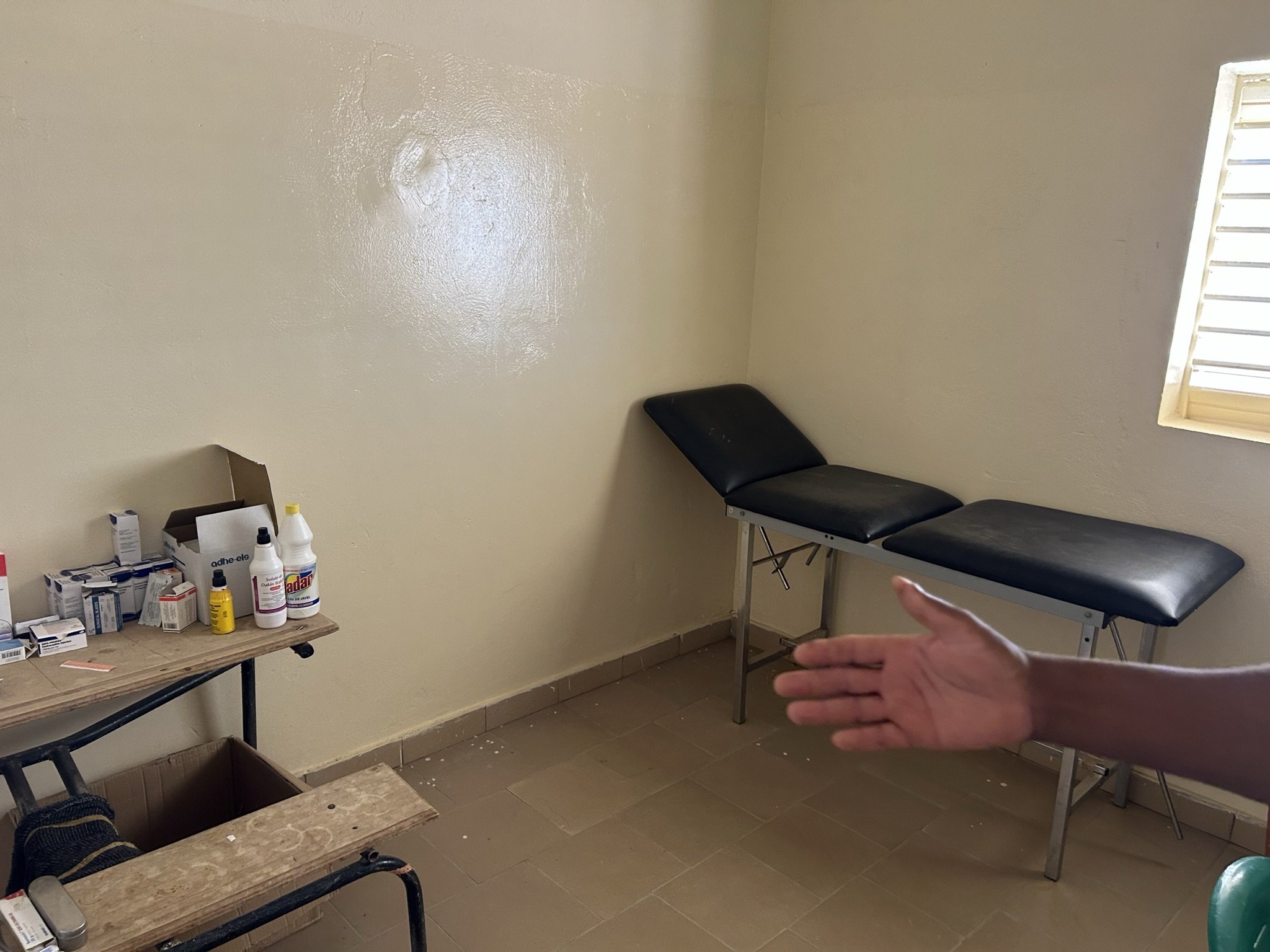
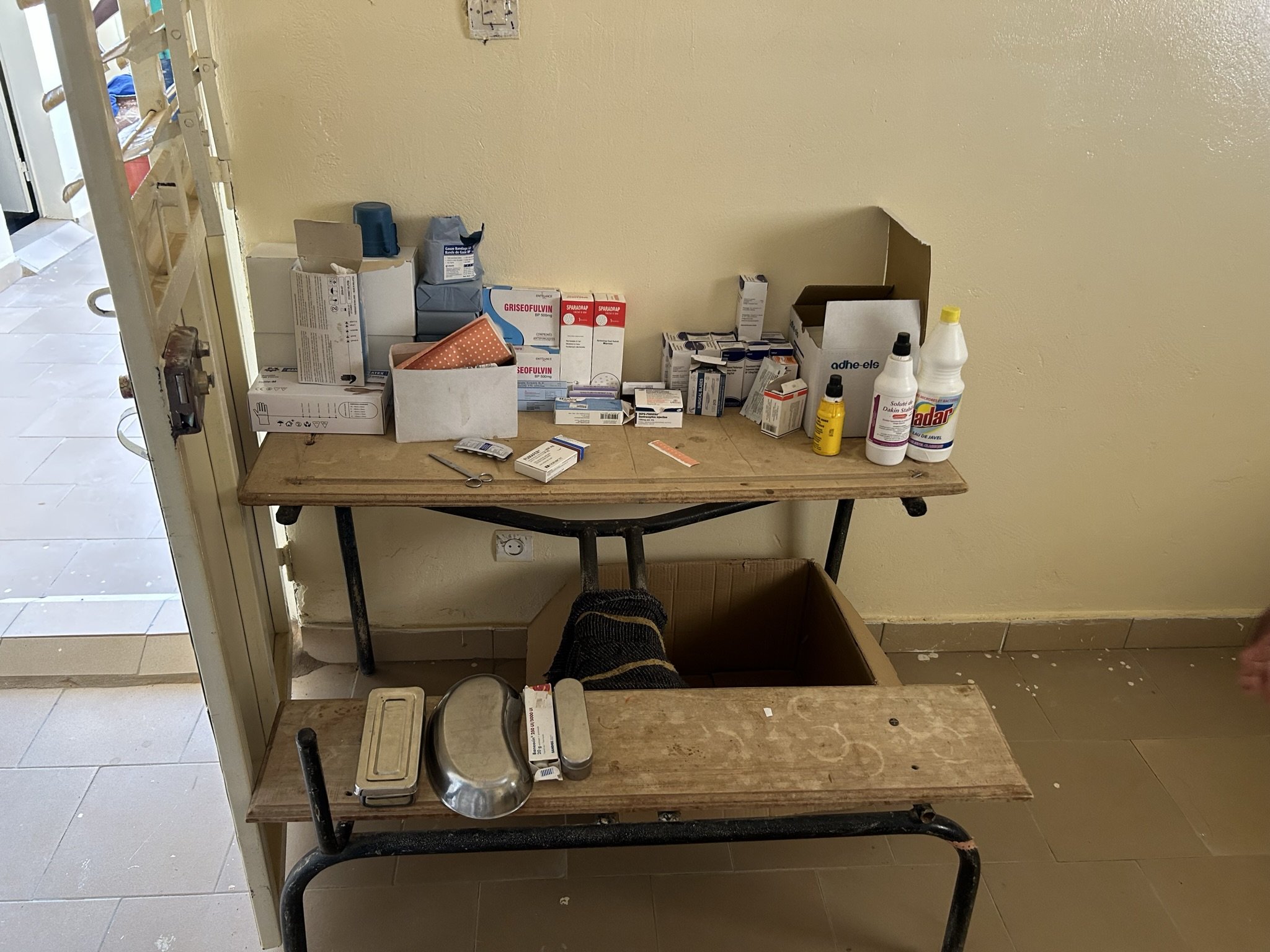
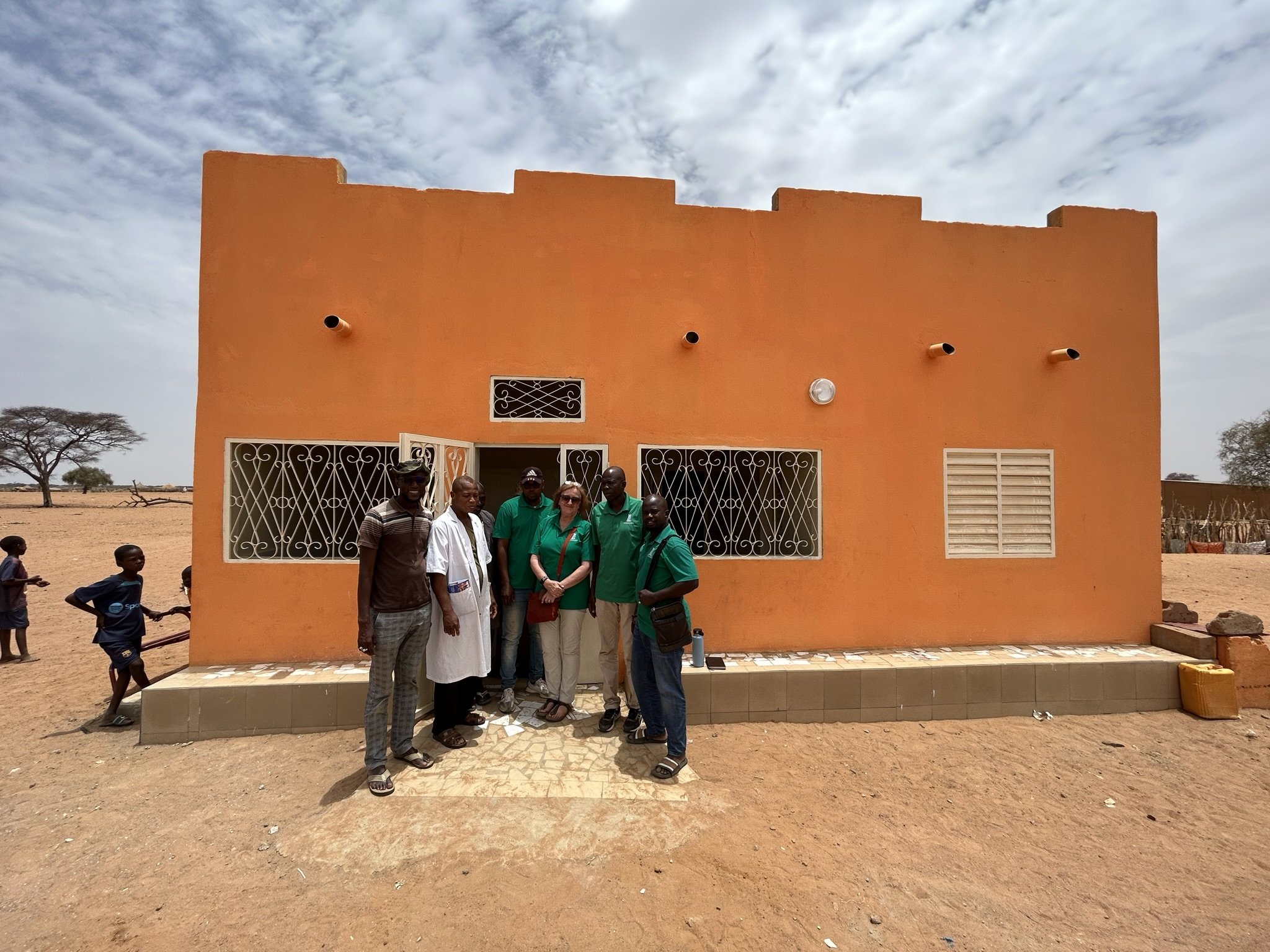
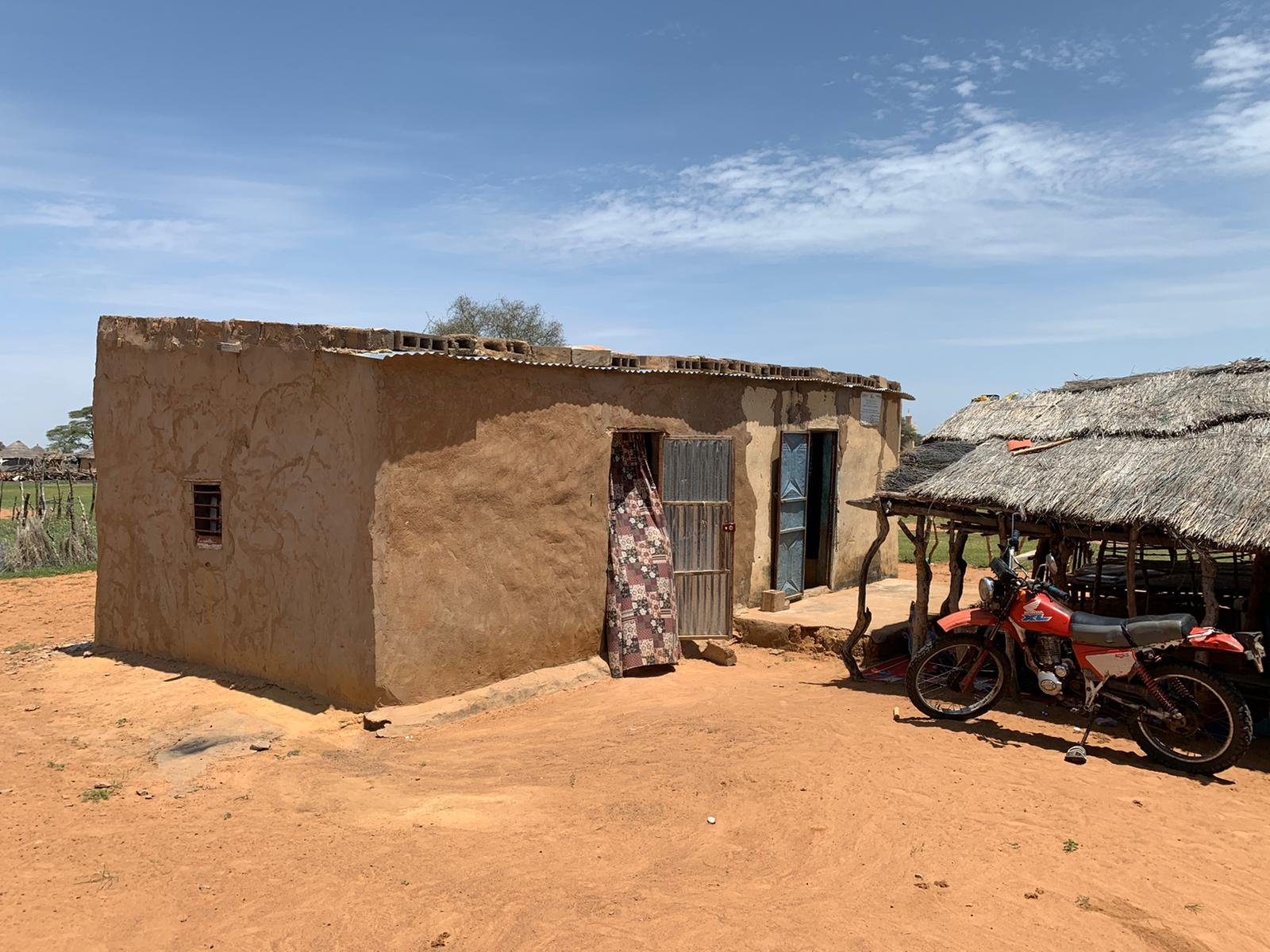
Andando first partnered with Senobowal in 2023 through the construction of a health clinic, bringing lifesaving care closer to families who had long faced dangerous delays in reaching treatment. The impact was immediate, particularly for mothers and their babies, but healthcare is only possible with access to water.

Just when things were starting to improve, the water shut off for nearly a year. Ousemane Fall, President of the Youth of Senobowal, explained the problem in a letter to Andando:

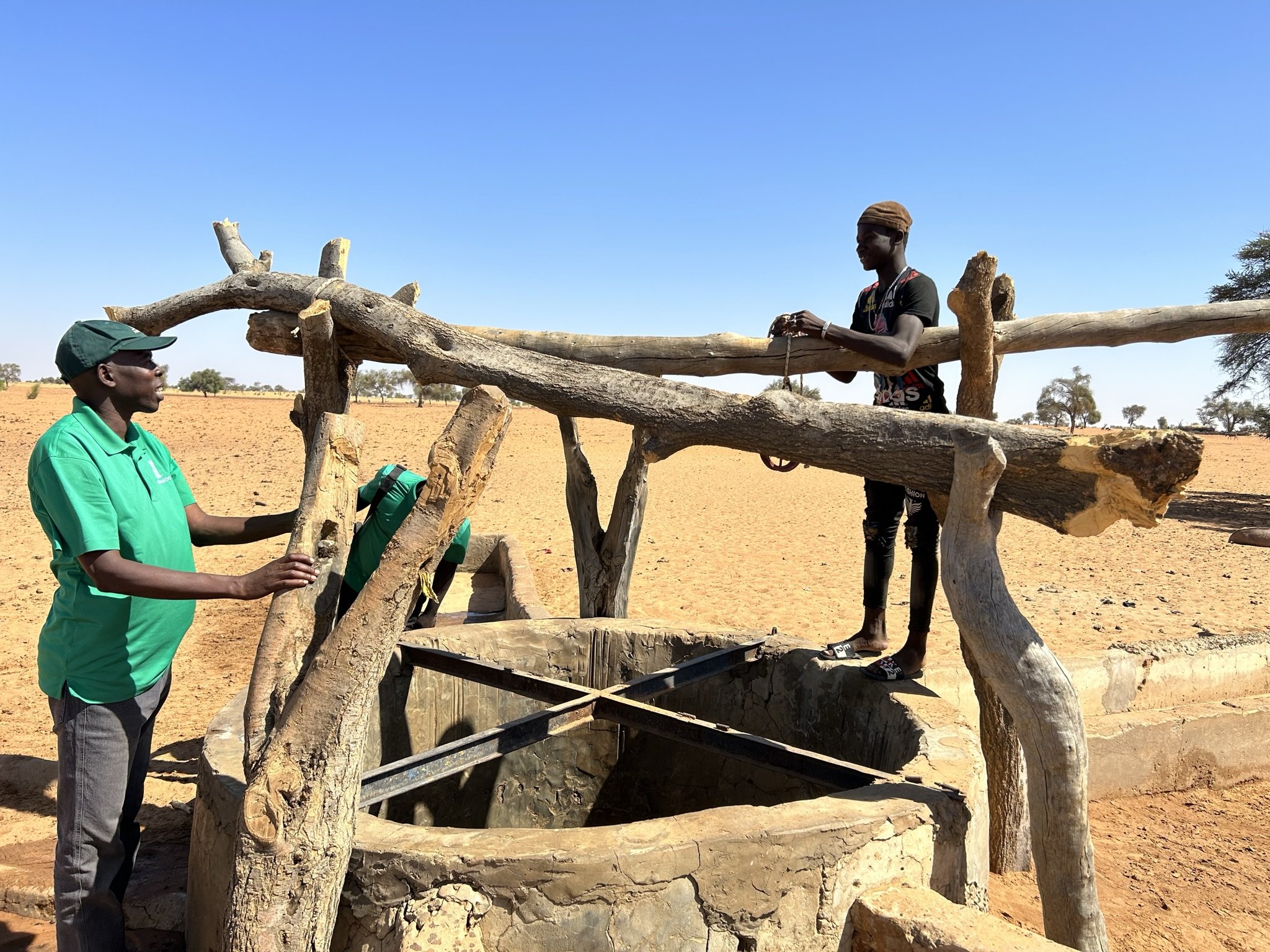
For a very long time, the village had only one well, which is said to be almost a century old and 200ft deep and which was practically out of use. As a temporary solution, the beginning of a new hope, the village had benefited from a “mini borehole” with a 50,000L tank. But even this showed its limits very early on.
— Ousemane Fall, President of the Youth of Senobowal

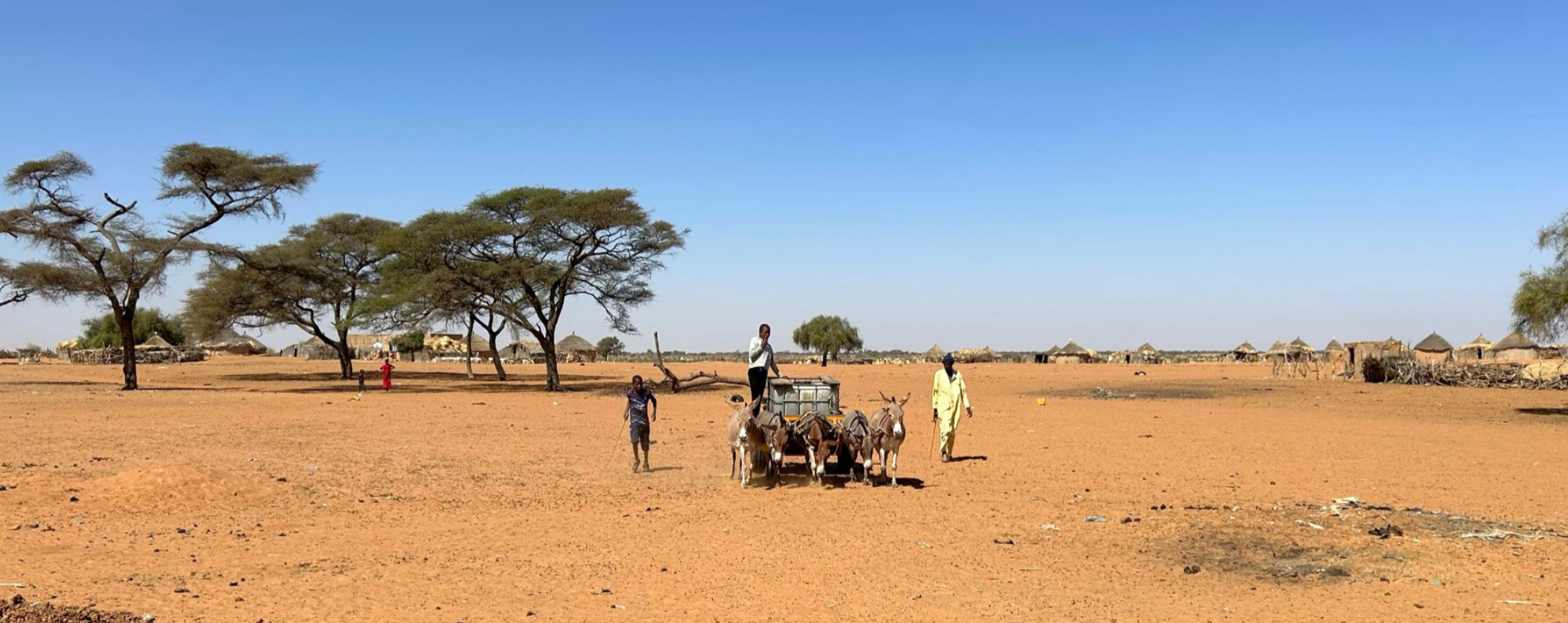
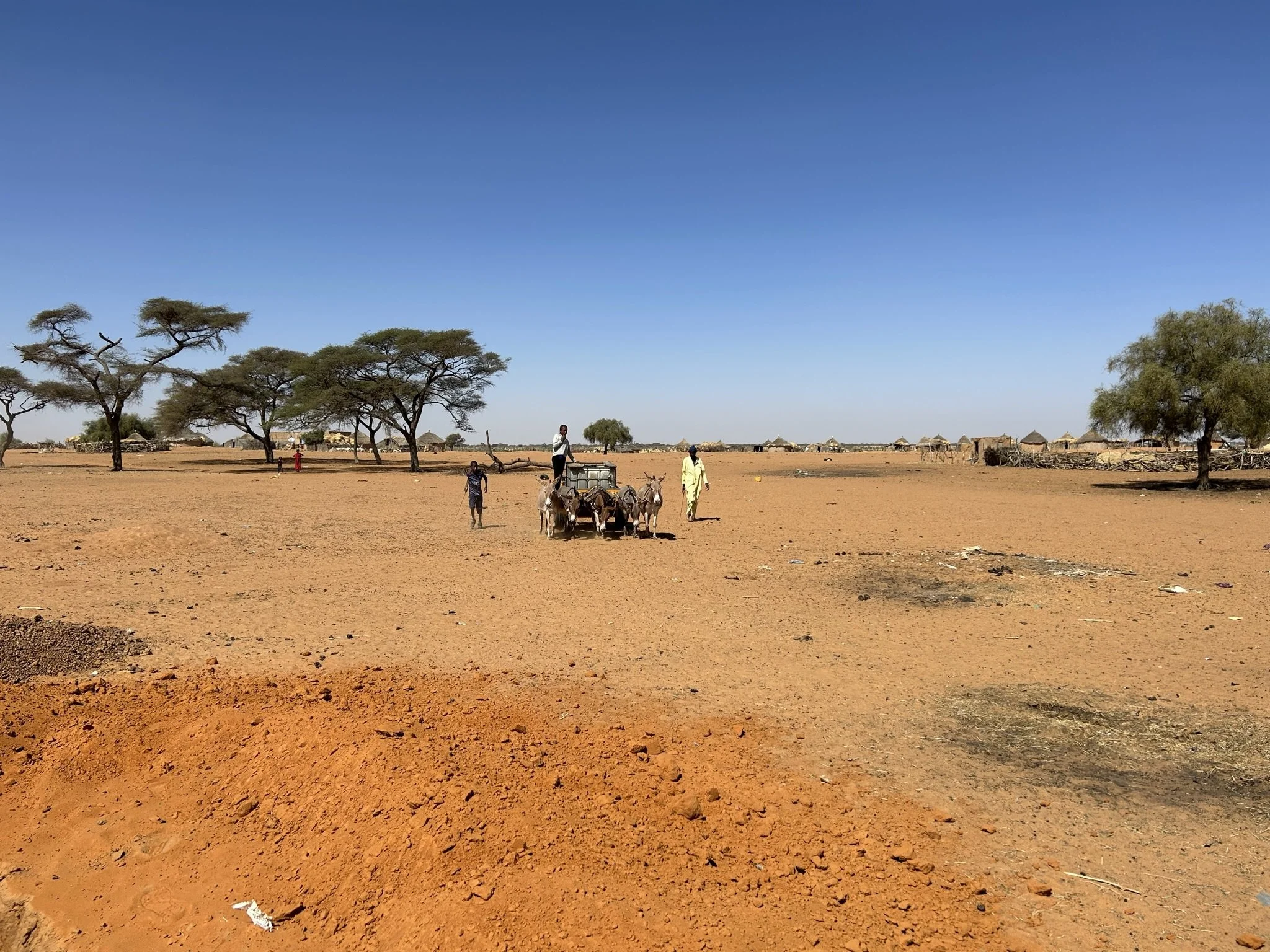
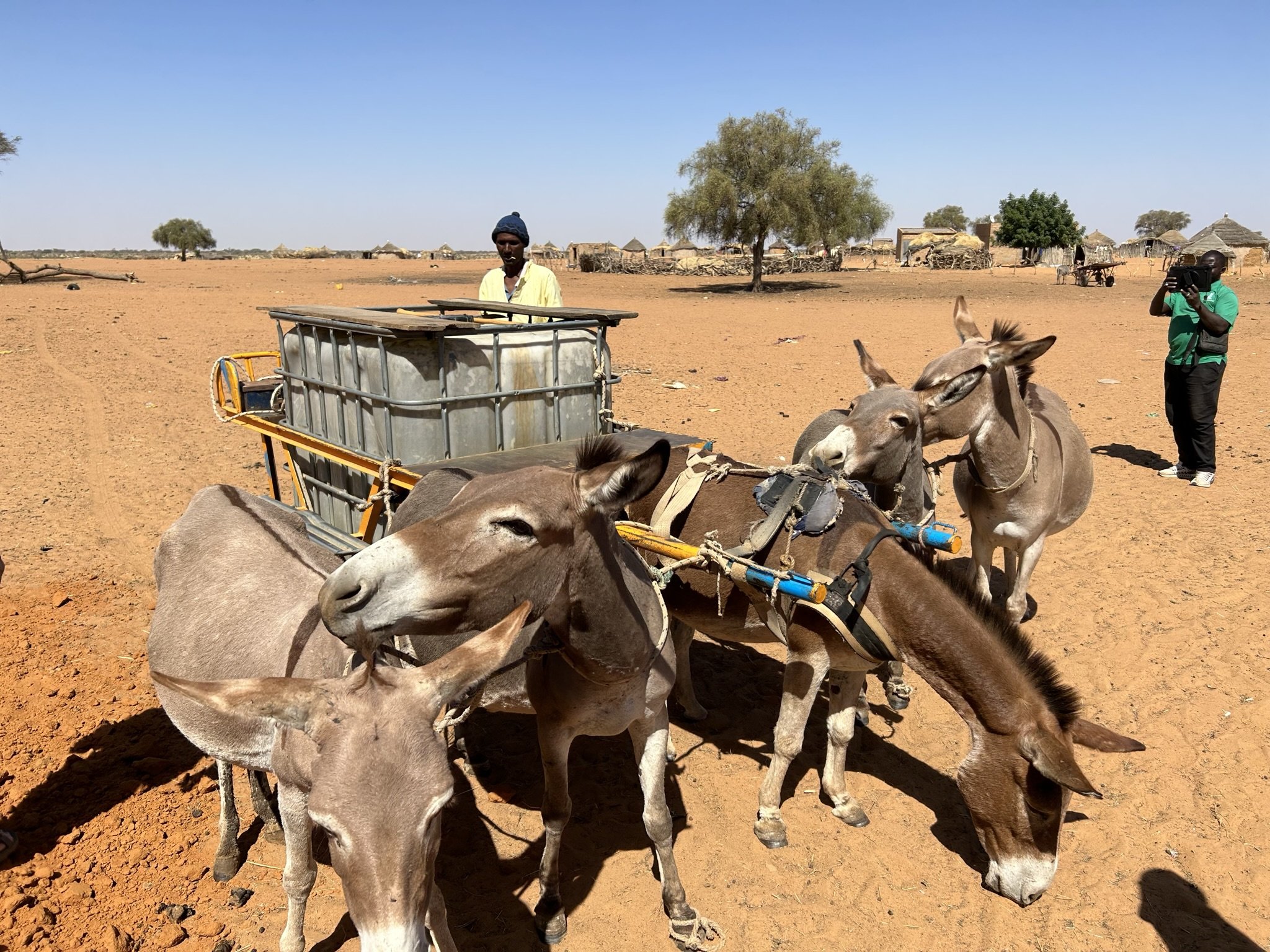
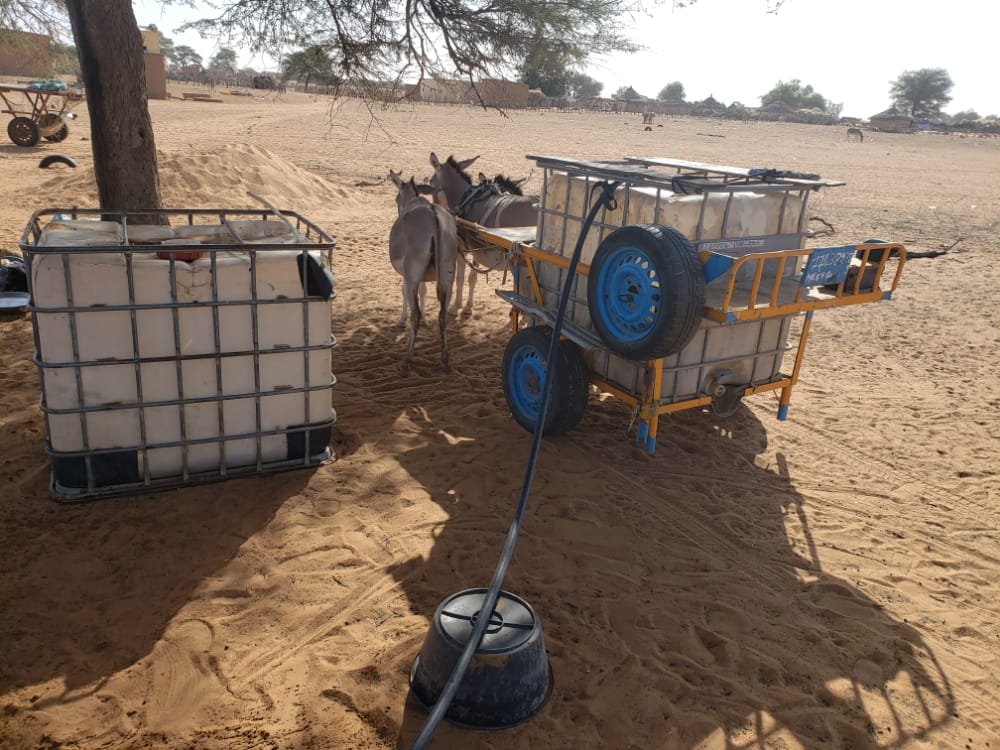
Families used water carts, like this one, to travel far distances to access water.

Ousemane went on to describe how the village had spent thousands of dollars to keep a costly diesel-powered pump running, until it could no longer be repaired, leaving the village without water.

Senobowal was in urgent need

We came together with the village to talk through the problem and understand what it would really take to fix it once and for all. But we also asked a larger question: if accessing water was no longer a daily struggle, what might be possible here? What hopes did people still carry for their future?

The answer soon became clear. The people here have countless dreams for how to improve their lives and build a better future, but no matter their ambition, the shallow, undersized borehole simply could never meet the needs of the over 5,000 people and 30,000 livestock who depended on it.

This time, the goal was to do it right

Andando committed to drilling a new, deeper borehole equipped with a powerful solar pump to meet the full needs of Senobowal and the surrounding zone. In less than a year, the new system was in place. Water began flowing again, and life started to change for the better from day one.

“The way we were moving our livestock to the southern areas was due to the water problem. Now with the availability of water, they take their time to settle. Whenever there is grass, they don’t move.” - Ousemane Fall

Today, women and girls no longer have to spend five or six hours each day just collecting water. Children can attend school, and the health clinic can once again deliver lifesaving care. For the first time in decades, Senobowal is breathing a sigh of relief. Families are even beginning to install taps in their homes, something that would have been almost unthinkable just a short time ago. Hawa Sy’s testimony shows just how profound and hopeful this change has been.

This article is from Andando’s Annual Report, view it here.
From the Director - Feb 2026

One of my favorite parts of this work is sharing success stories from projects we only just introduced to you. Development is often slow and tedious, but right now, Andando is building a level of momentum that is as encouraging as it is noteworthy.

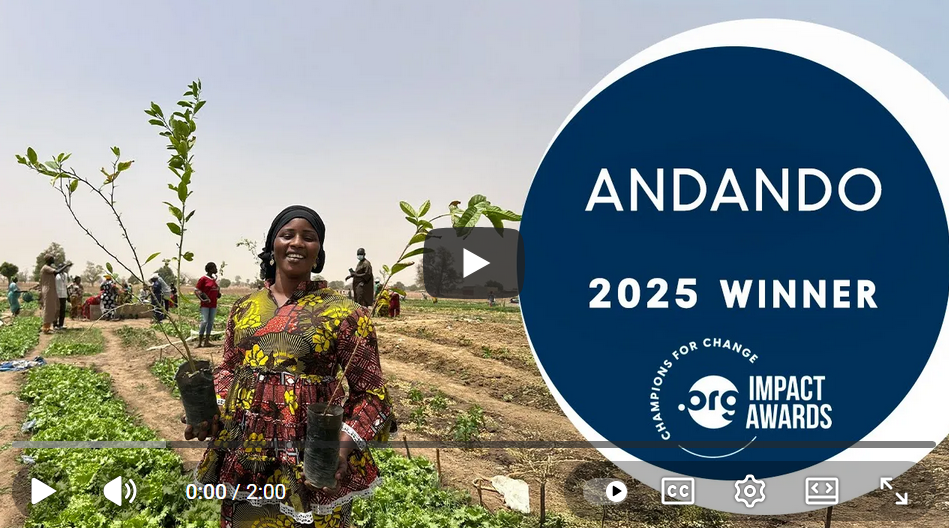
We saw a wonderful reflection of this recently when Andando WON the .ORG Impact Award for Hunger and Poverty. It was a proud moment for our team, and the video produced for the event really captures the heart of our mission.

Andando WON the .ORG Impact Award for Hunger and Poverty. It was a proud moment for our team, and the video produced for the event really captures the heart of our mission.

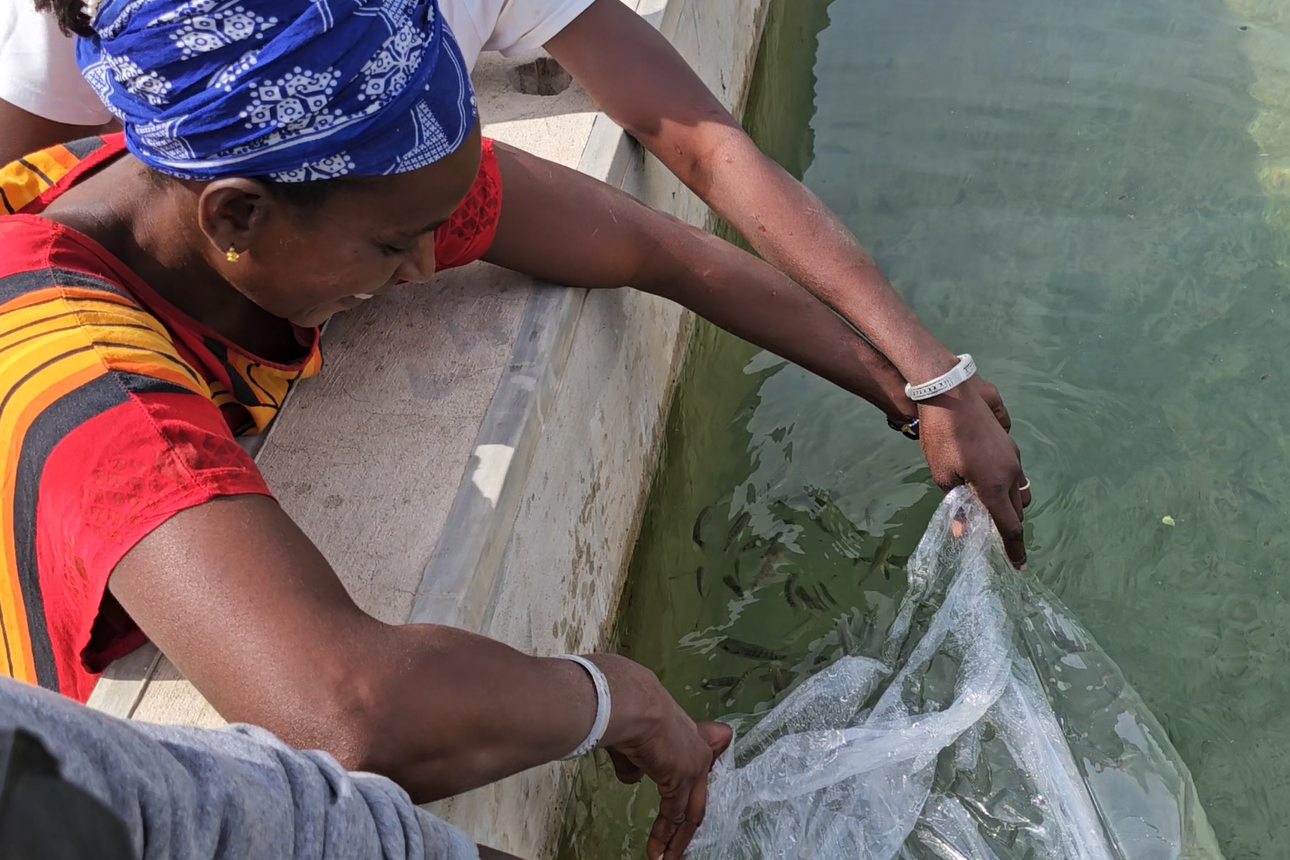
In Keur Socé, momentum continues with the completion of our newest aquaculture integrations in the Keur Ngor and Saré Diouma women’s gardens. The joy and pride these women showed while stocking their first fish was incredible. Watching them master this new skill set with such focus is exactly why we keep investing in our partners.

The women of Saré Diouma stocked their new aquaculture basins in late 2025 and are preparing for their first harvest this spring. This is our 9th garden to feature integrated fish farming with more planned for 2026!

That same pride is palpable up north in Senobowal, where the new woodlot and women’s garden are up and running. The community is seizing this opportunity with gusto and has already planted more than 1,500 trees. Even more impressive, the garden is already yielding its first harvests after just two months, with lots more to come!

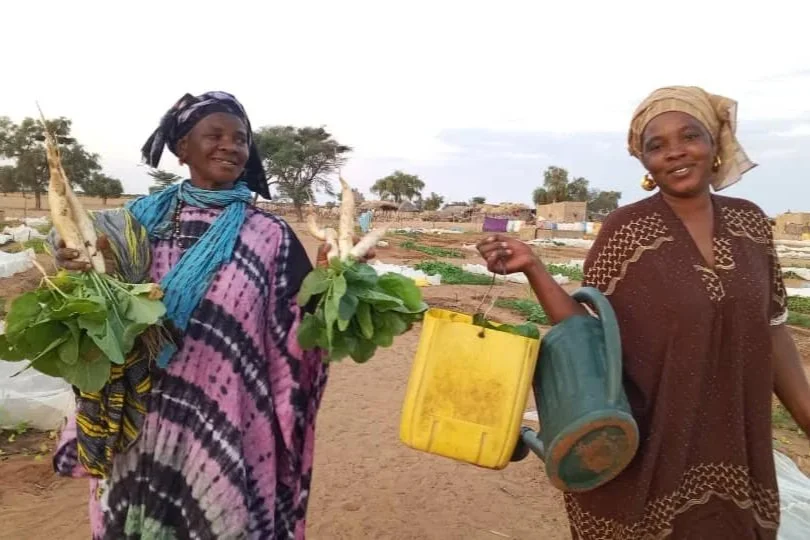
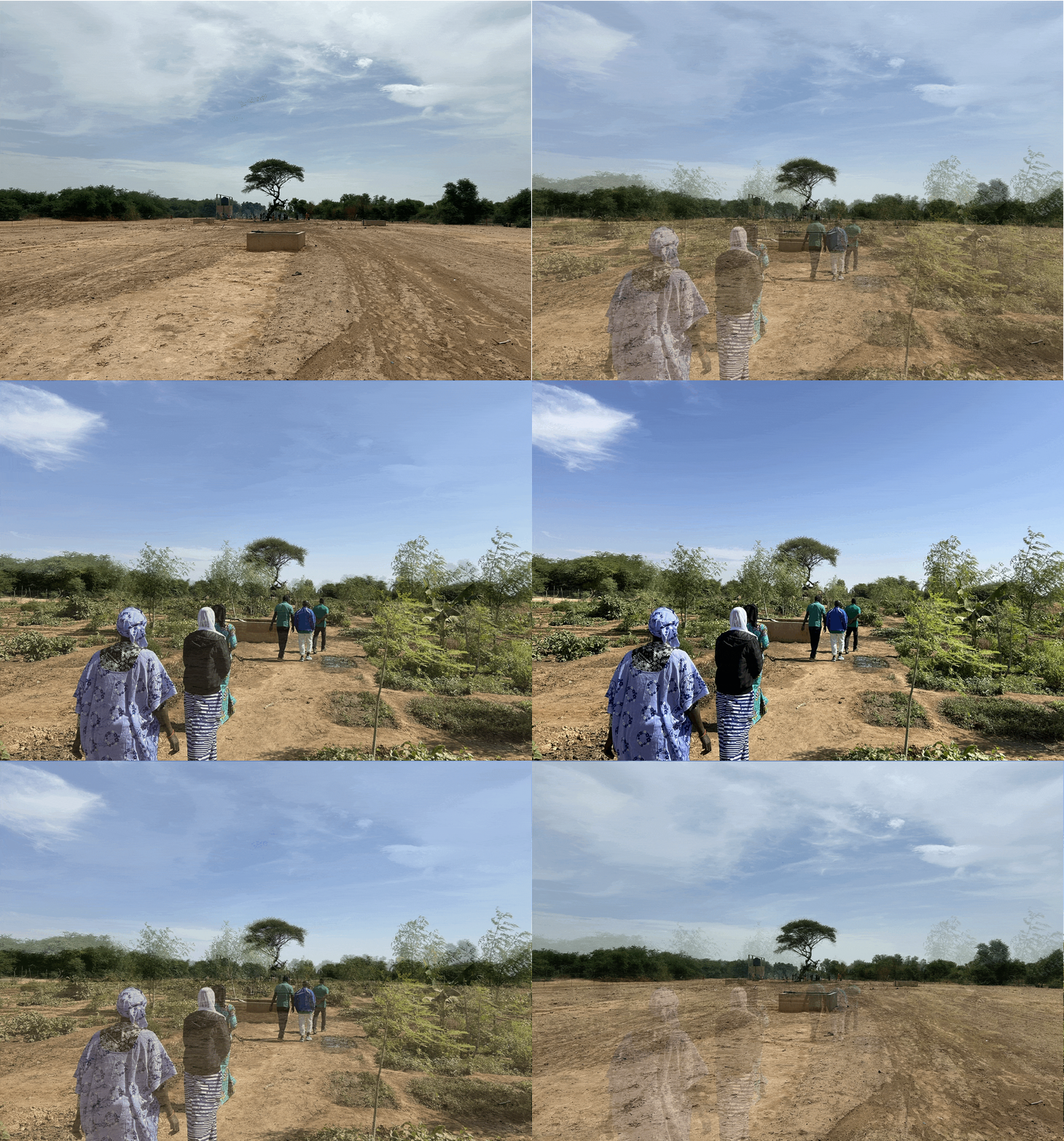
From dust to greens: Senobowal’s garden is already flourishing, providing the community with its first harvests of radishes and lettuce. In just a few short months this space will become a veritable oasis in the desert.

Finally, our partners in Guédé Village High School and Ndiédieng Primary School are hitting the ground running this school year with their newly completed classrooms and bathrooms! For years, students here squeezed into temporary shelters that were sweltering and crowded. Their beautiful, fully furnished new classes have reduced class sizes and created a positive learning environment for all.

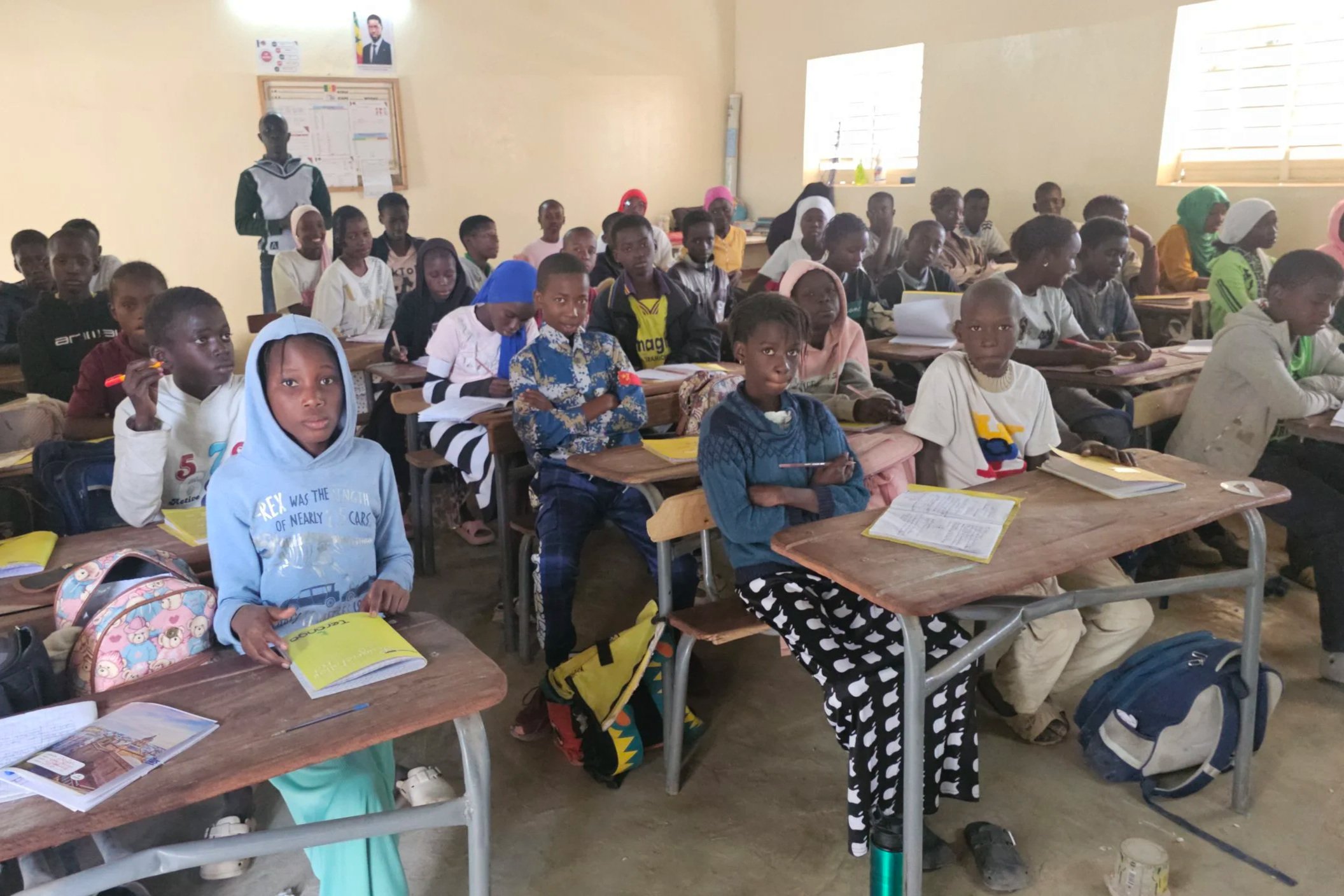
Students at the Ndiédieng primary school in their new, fully furnished classrooms. These permanent buildings replace the temporary outdoor shelters the community used previously.

It’s thanks to supporters like YOU that we can keep up this level of momentum and impact year after year.

“Jéréjëf!” – Thank You!

- Garrison Harward, Executive Director
Garrison@Andando.org

Answering the call of the Diéri: Andando’s newest frontier

Community leaders in Kawé , located in the Diére, meet with Andando staff to discuss the future of their primary school.

Andando has always grown by listening. For years, our work in northern Senegal thrived in the Walo, the floodplains along the Senegal River. But after every success there, local leaders would pull us aside with the same request: “This is wonderful, but can you take it to the Diéri? Almost no one is helping there.”

Without local access to clean water, families in the Diéri are often forced into multi-day journeys just to meet their basic needs.

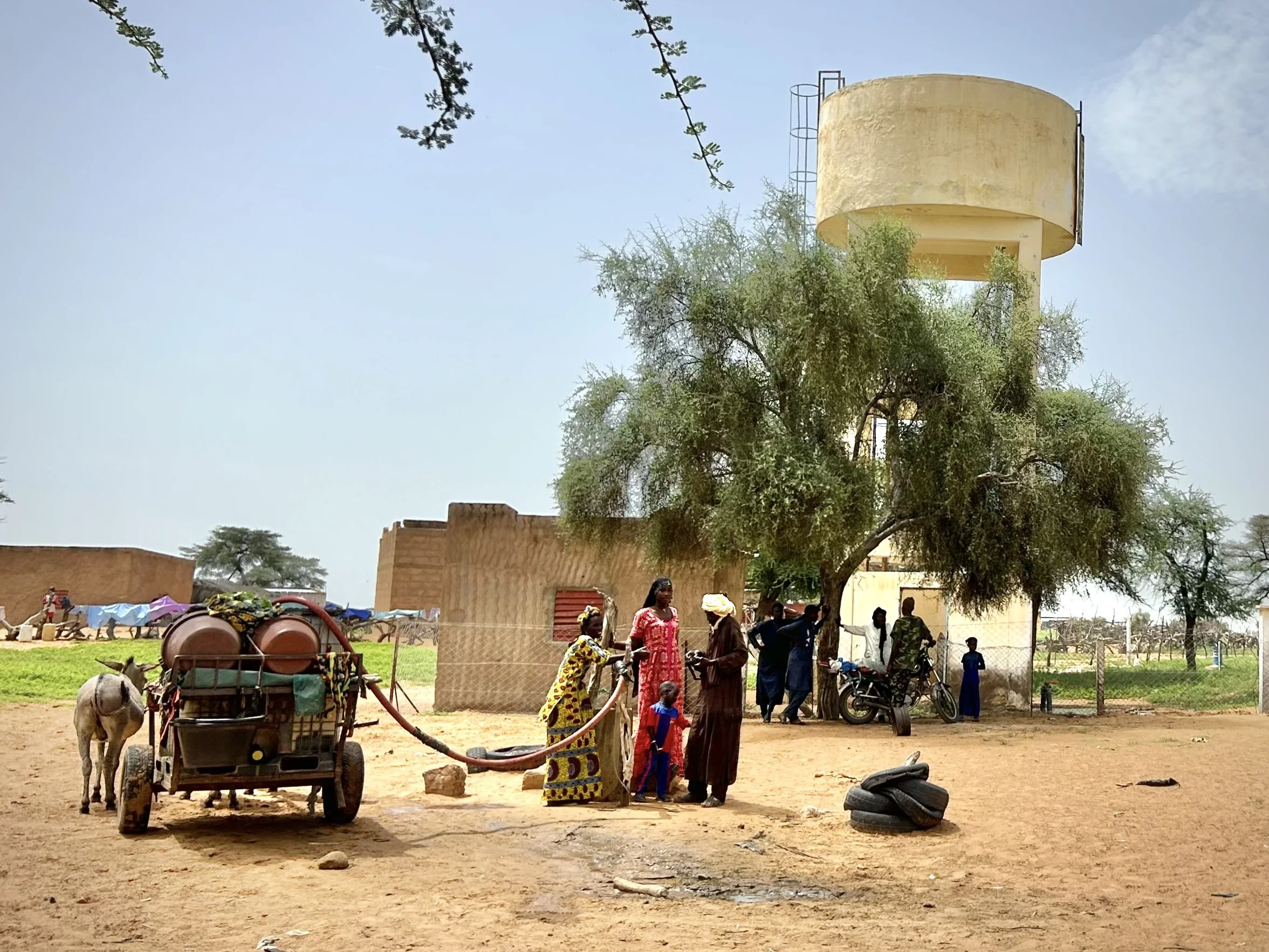
Families in the Diéri are often forced into multi-day journeys just to meet their basic needs. Here, one family uses a donkey-pulled water cart to fill up with water in Senobowal and make the long journey home.

The Diéri is the vast, arid pastoral zone south of the river, home to indigenous Peulh herders who have raised livestock in balance with this land for centuries. Today, that balance is fracturing. When rain fails or a water point breaks, families are forced into crisis migrations. Children are pulled from school, and access to medical care for pregnant women, children, and treatable illnesses becomes all but impossible as families move farther away. 

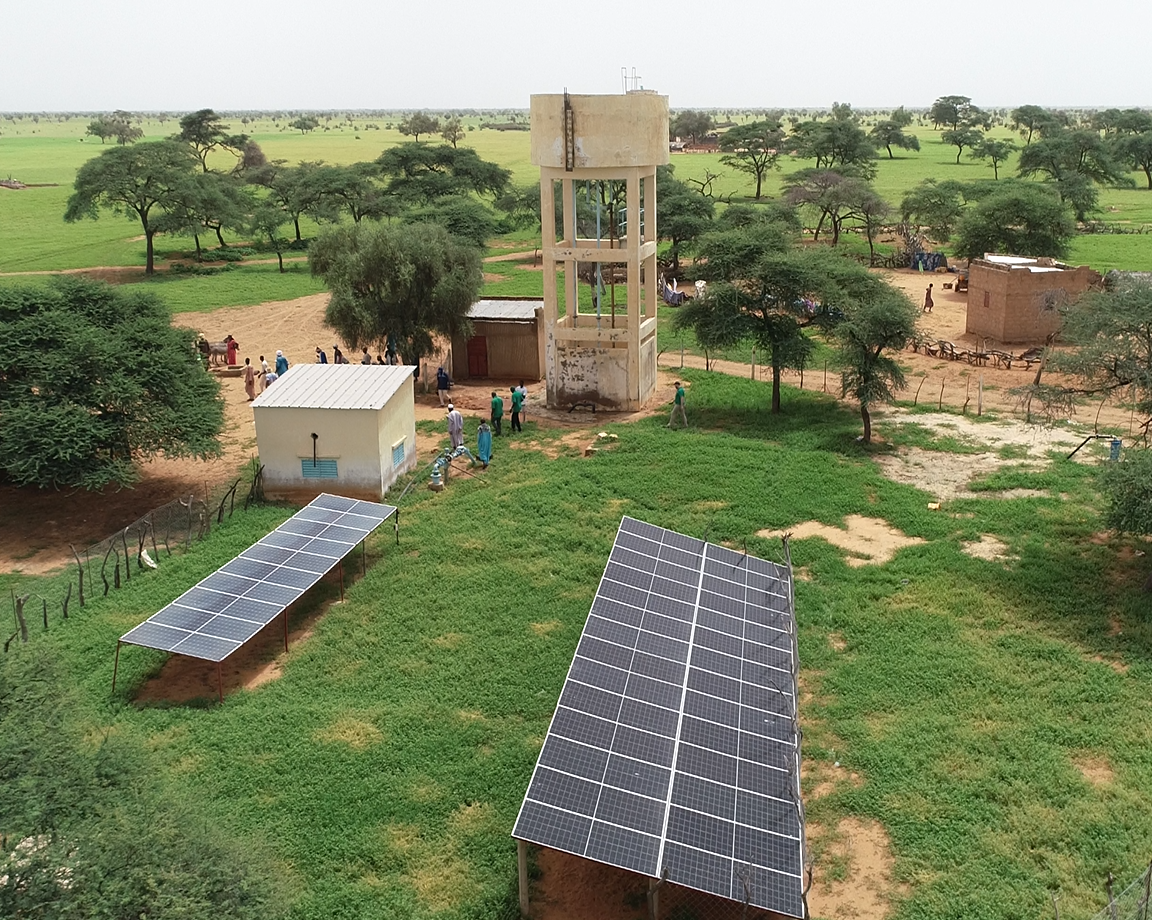
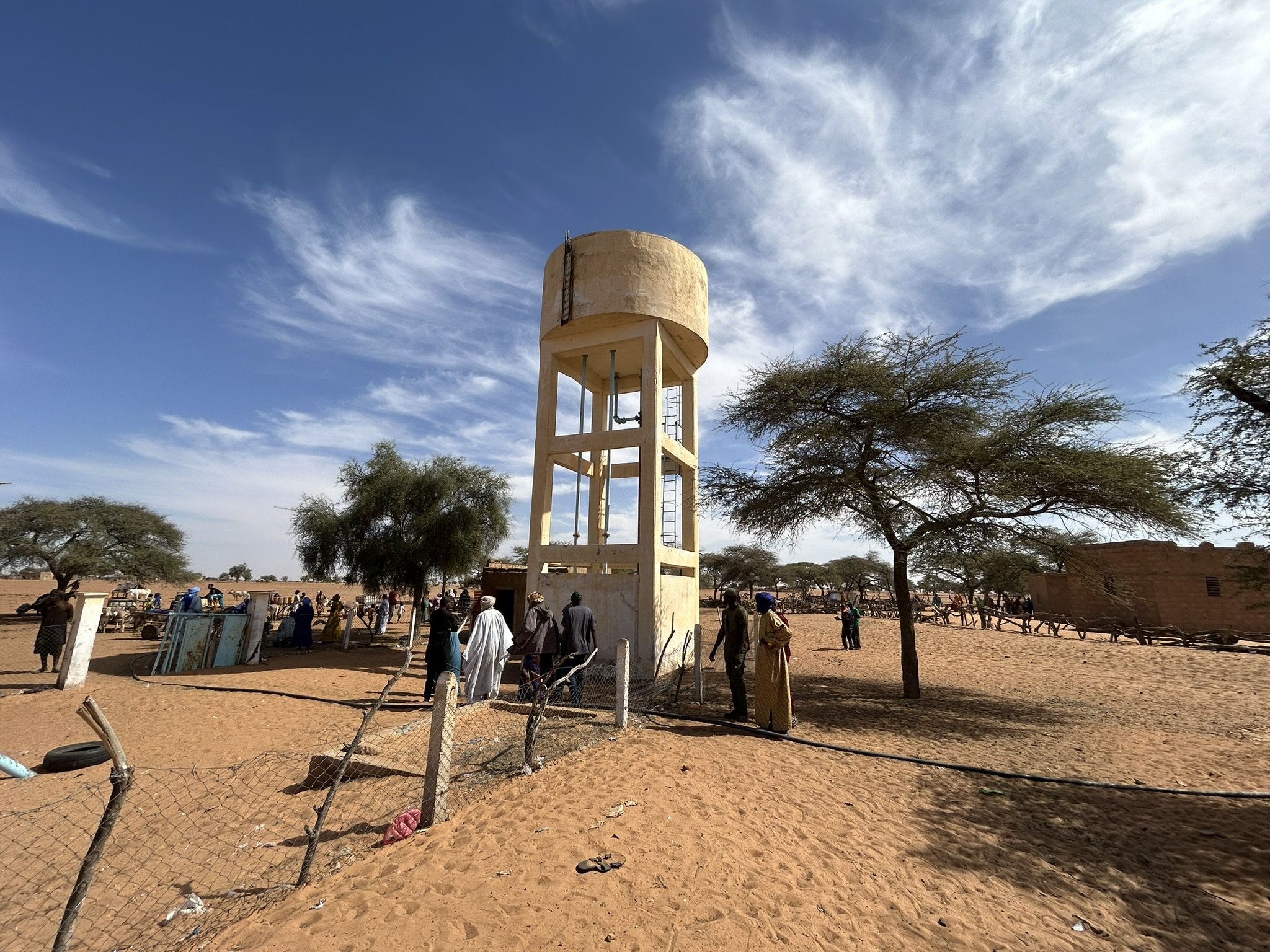
With a new borehole well, the existing water tower can meet the needs of Senobowal and the surrounding 10 villages that rely it for their basic needs.

We saw this reality firsthand in Senobowal where we were initially called to build only a health clinic.  The community quickly revealed other urgent needs though, leading to our most comprehensive "whole village" intervention to date. 

In the coming months, we’ll be sharing more about how the clinic, solar borehole well, women’s garden, woodlot, and school support are transforming life there for the better.

A lifeline for the region: Senobowal’s solar borehole serves 5,000 people and 30,000 livestock across 10 villages.

Now, other Diéri communities are asking for that same chance. The scale of the need and the difficulty of this work is immense, but so too is the potential. These families are the frontline stewards of this region, quite literally holding back the advance of the Sahara.

In the vast Diéri, schools are few and far between. In Kawé, we are prioritizing classroom renovations and proper sanitation to keep students in school year-round.

The women of Peté Olé are ready to start a cooperative garden to feed their families, they are simply waiting for a reliable water source.

For this landscape to survive, its people must be able to thrive. By building these systems of stability, we are ensuring that the stewards of the Diéri can stay to protect it for generations to come. To the best of our ability, Andando is answering that call, one village at a time.

From the Director - Sept 2025

Andando is now a two-time finalist, after being nominated in the Community Building category in 2023. This year we are a finalist in the Hunger and Poverty category. Wish us luck at the awards ceremony on October 7! (Pictured: Crystal and Garrison at the 2023 .ORG Impact Awards.)

Let’s start with some wonderful news. In case you haven’t heard, Andando has been named a finalist for the 2025 .ORG Impact Awards! Out of nearly 3,000 organizations worldwide, we are one of just 35 selected. This recognition is a powerful reminder that the work happening in small villages across Senegal is resonating far beyond their borders. What we are building together is world-class and deserves recognition.

This honor comes as we step into a new season of growth. With the support of Tomberg Family Philanthropies, we are breaking ground this month on new aquaculture basins in the Keur Ngor and Sare Diouma women’s gardens. These cooperatives only recently reached their savings goal, and it’s thrilling to be able to support their momentum by adding fish farming as the next step in their journey toward resilience.

Early construction on the new aquaculture basins in Sare Diouma and Keur Ngor.

Much progress has been made on the new aquaculture basins in Sare Diouma and Keur Ngor, with completion expected in just six weeks.

Further north, in Senobowal, the recent completion of the deep borehole well is unlocking a wave of possibilities. Women and children can remain home rather than migrating with cattle, which means kids can stay in school. We’re now able to move forward with a women’s garden there as well, along with a village woodlot and massive reforestation initiative. Thousands of trees will provide food, shade, and restored soil, helping this remote community on the edge of the Sahara to confront the worsening effects of climate change.

Before: Students at Ndiedieng Primary School sat four to a desk but with their new classrooms on the way this will soon be a thing of the past!

After: The new classrooms in Ndiédieng, along with bathrooms and water taps, are well on their way to being completed before school starts. These new additions will ease overcrowding and give every student a safe, supportive place to learn.

And in education, two major projects are nearly complete. The new classrooms at Ndiédieng Primary School and Guédé Village High School are on track to open before the school year begins, creating safe and inspiring spaces for students to learn and thrive.

None of this would have been possible without your support. Together we are saying yes to communities who are working tirelessly to build a better future for their children and the world around them.


Enjoy live music & a true taste of Senegal with a dinner designed with Senegalese celebrity chef, Pierre Thiam!

Can’t make it in-person? That’s OK! You can still participate ONLINE!

From Barren to Bountiful in Just 6 Months!

Women from Haffé used to travel long distances to purchase vegetables to resell in their village.

Haffé is a small, remote village in Senegal’s Kaolack region, right in the heart of the “peanut basin.” For decades, peanuts have been the main cash crop here, but the relentless monocropping has left behind deforestation, depleted soils, and widespread poverty. It’s a tough place to start, but these are exactly the kinds of challenges where Andando’s community-led women’s permaculture gardens shine!

Back in February, over 200 women from Haffé planted their very first seedlings in their new four-acre Andando garden. For years they had tried to create a garden on their own, but without fencing or a solar pump system, the dream always slipped out of reach. The moment those barriers fell, it was as if the floodgates opened. Years of determination and vision burst forth, and the women dove in with extraordinary energy and ambition.

The garden site, originally a peanut field, had severely degraded soil and minimal tree cover.

The same field, just a few months later, is bursting with life and already beginning to heal.

And the results? Nothing short of incredible. By April, they were already harvesting lettuce and turnips. In May, they planted every single tree needed to create the full permaculture design (nearly 1,000 in total), building soil, protecting the land, and setting up the garden for long-term success. June brought green peppers, followed by tomatoes, eggplants, and hot peppers. Month after month, the harvests just kept coming.

By the end of July, this unstoppable group had harvested over 18,000 pounds of fresh organic produce and earned more than $8,600 in profits. Wow! Families now have vegetables on the table at every meal, women can pay school fees and buy medicine, and the village has the resources to overcome malnutrition.

We are so proud of these women. In just six months, they transformed barren land into a thriving, regenerative garden. And we’re proud of our staff too, who have refined garden establishment into such a science that we almost expect this kind of success now. Almost. It’s still thrilling every single time, and it makes us that much more excited to partner with the next community ready to take off.

Andando’s next women’s garden will take root in Senobowal, a village in northern Senegal on the edge of the Sahara Desert. Transforming this dry land into a thriving garden won’t be easy, but our team is ready for the challenge!

Watch the video below to see the progress that has already been made by getting water to families in Senobowal, and the next steps on the Women’s Garden that will feed the community.

Help us fund the garden construction my making a donation today, or signing up to be a monthly donor!

The Rains Are Here, and So Are the Trees!

Across Senegal, the first rains have arrived, and with them, the country bursts into green. For our partner communities, this marks one of the most important times of the year, a short but critical window when farmers work hard to grow the food that will sustain their families through the dry season. This is also a moment of intense work and opportunity for one of our most powerful tools in the fight against poverty and climate change: tree planting.

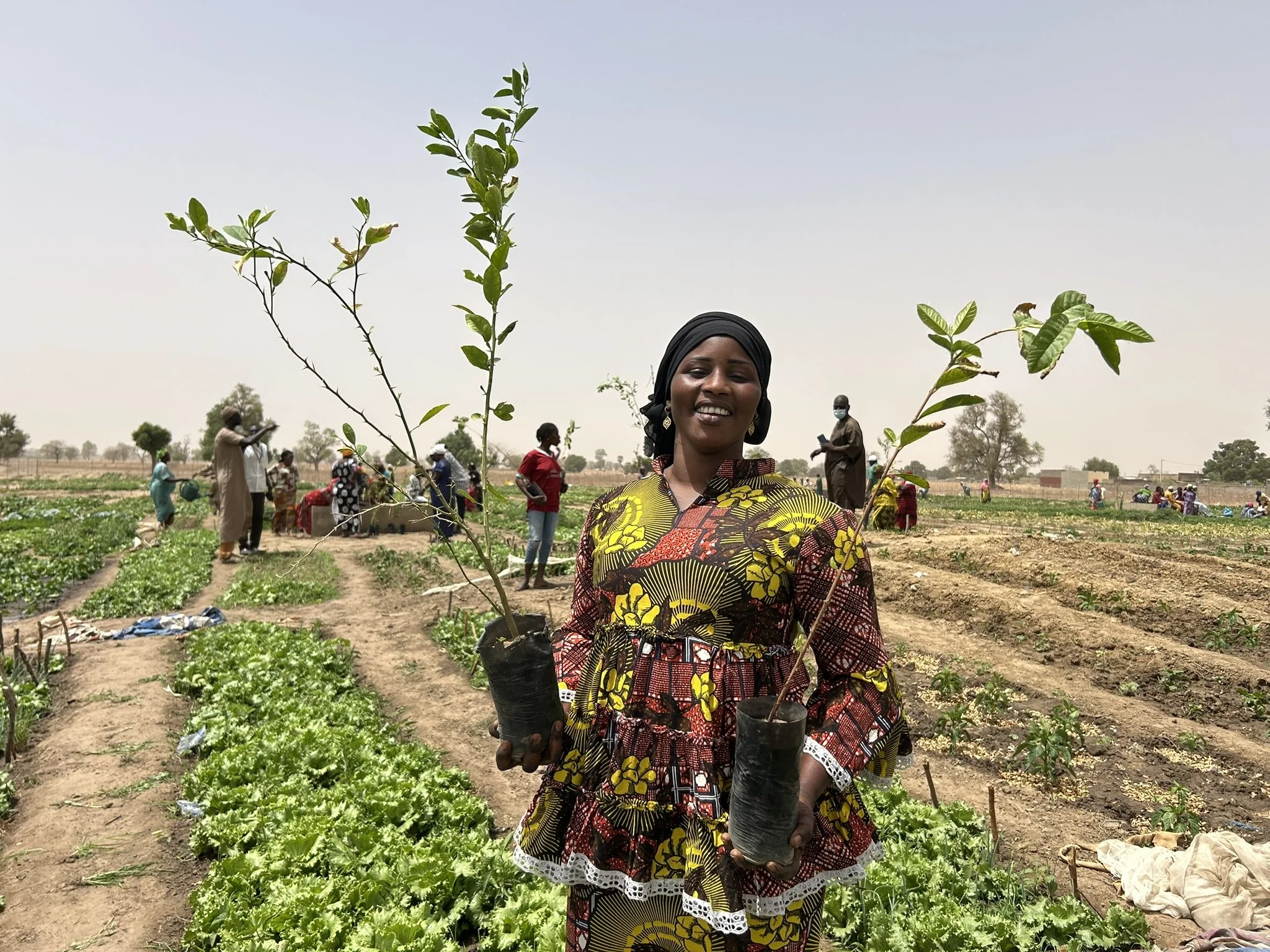
A member of the Haffé women’s garden plants two citrus trees in her plot, helping to establish the food forest structure.

At the request of our partners, Andando has been steadily increasing tree production at our two regional nurseries over the past three years. The goal is twofold: to meet our partners’ growing demand for trees and to support the scale-up of programs like our women’s gardens. Take our newest garden in Haffé, for example. Normally it takes a garden several years to complete their tree plan, but thanks to reliable in-house tree production, they were already able to plant nearly 1,000 trees in just their first three months!

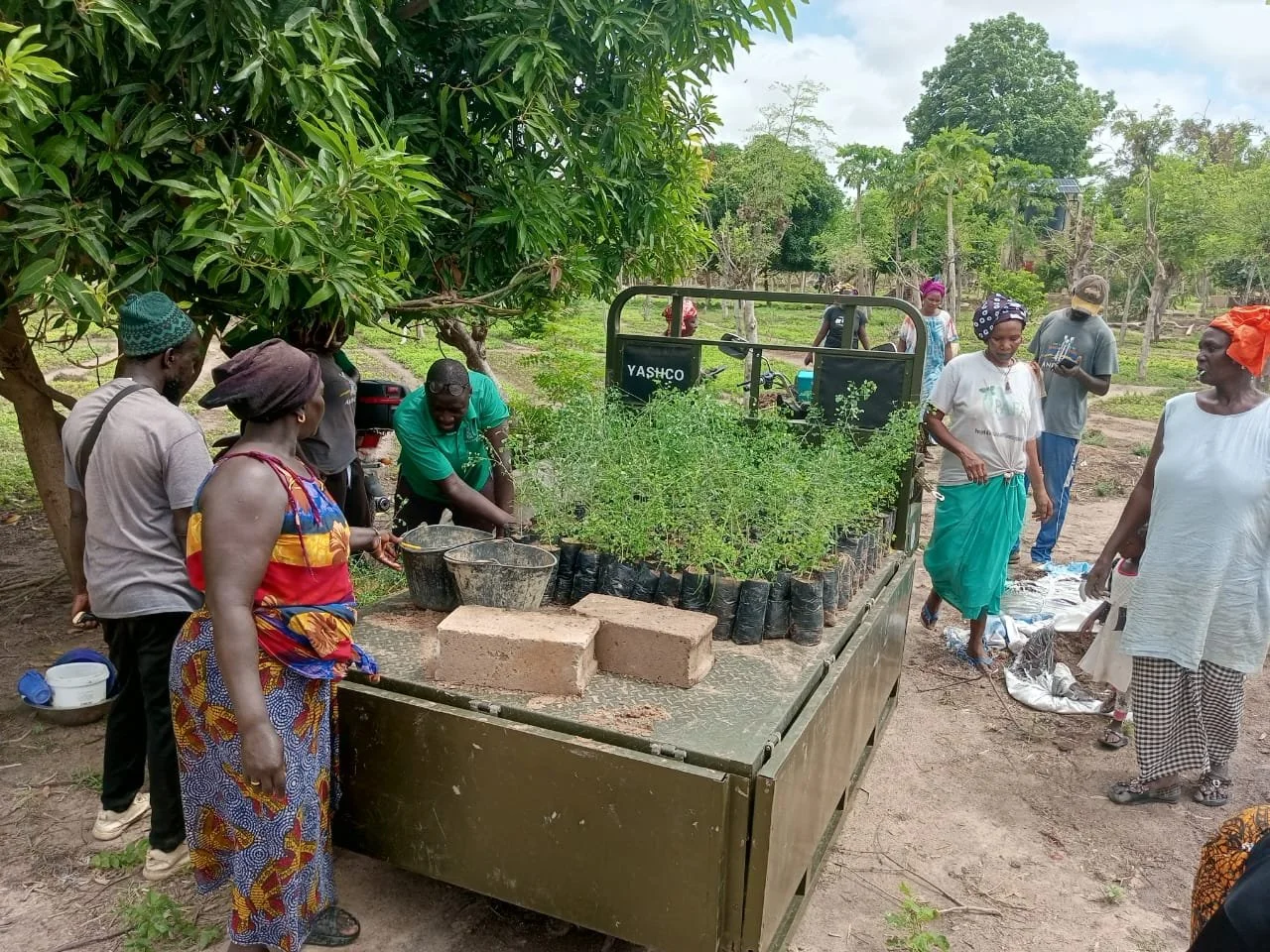
The women of Sama Toucouleur received trees to bolster and repair their live fence.

Our team has worked tirelessly to produce over 40,000 trees so far this year. And even though the planting season has only just begun, they’ve worked with our partners to get more than 7,000 in the ground already! Few things are more hopeful than opening our Andando WhatsApp threads and seeing photo after photo of newly planted trees. The season is bursting with life.

Three Years of Impact and Counting!

The successes we’re seeing this year are the result of years of diligent effort and consistent support from our donors and partners like Rick Steves’ Climate Smart Commitment, who have contributed $130,000 over the past three years. This support has been instrumental in getting us to where we are today.

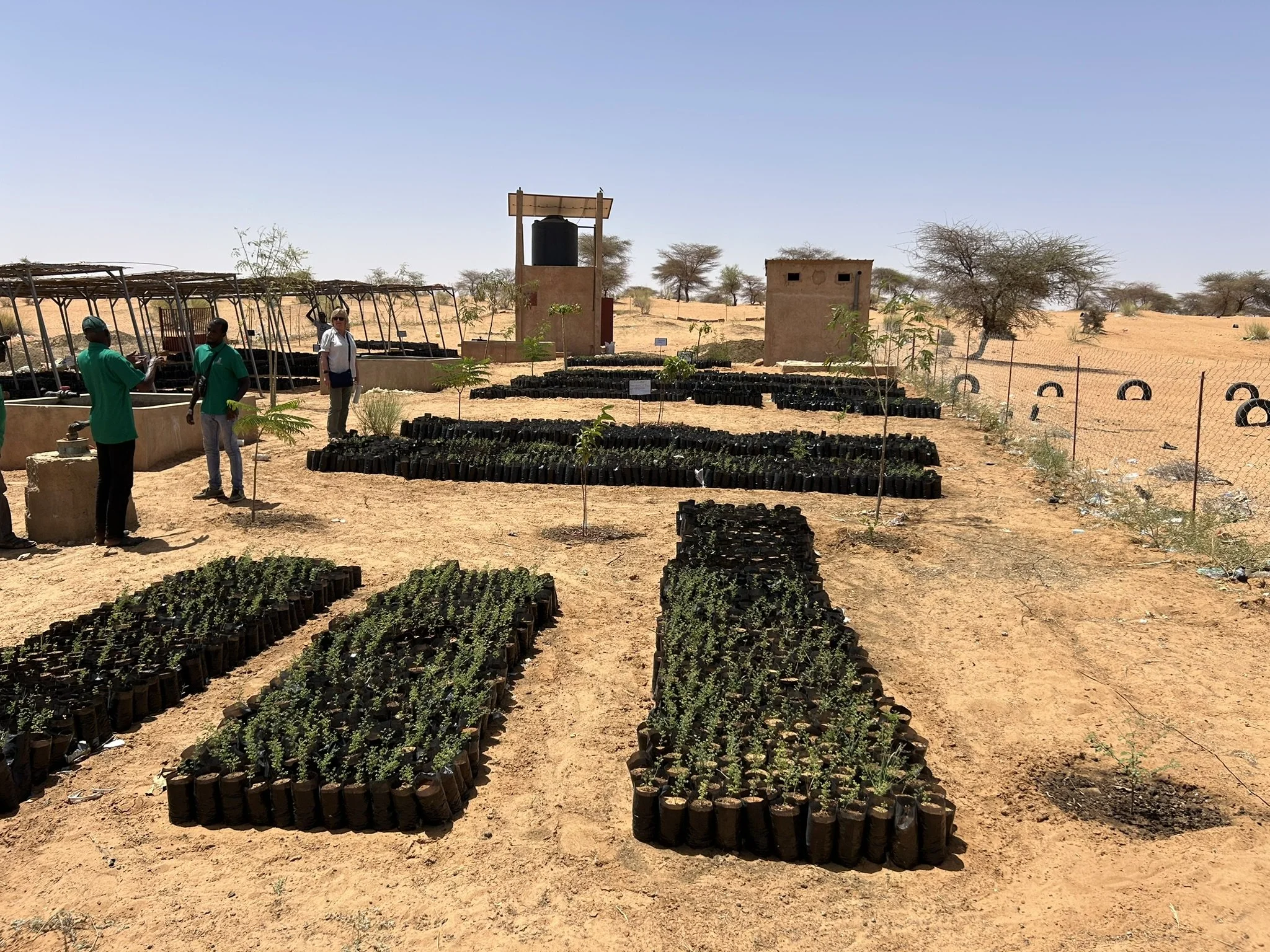
Andando’s Podor tree nursery established in 2023 now produces over 25,000 trees annually, which are provided free of charge to local residents.

In 2023, this partnership helped us lay critical groundwork in the north. We established a fully equipped tree nursery in Podor, complete with a deep borehole well and a solar-powered water system, providing the infrastructure needed to support large-scale, climate-resilient reforestation in this harsh landscape on the edge of the Sahara Desert. We also conducted a full census of our existing trees across partner gardens, confirming the successful establishment of 27,646 trees to date.

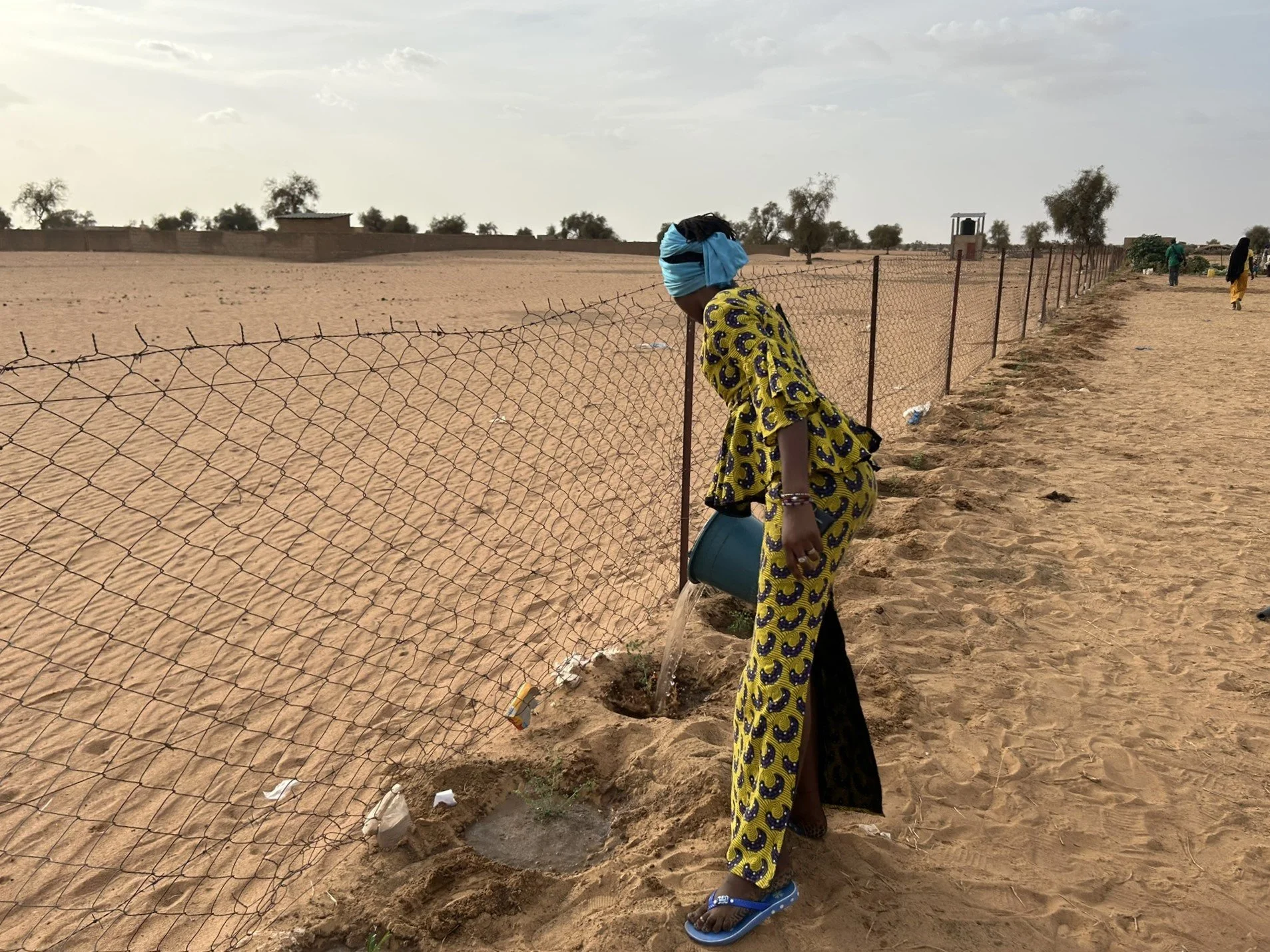
A member of the Togane women’s garden waters newly planted native Acacia Mellifera trees.

In 2024, we expanded that foundation significantly. A total of 26,530 new trees were planted across women’s gardens, schools, farms, and clinics in both Podor and Keur Soce. In Keur Soce, we upgraded the tree nursery water system to increase capacity for year-round tree production and we also took part in Senegal’s National Tree Day, contributing trees, labor, and logistical support to help advance national reforestation efforts.

Now in 2025, our focus is on scale, sustainability, and expansion through NEW partnerships. Steady production in our regional nurseries is supporting a second garden this year in Senobowal, which put together with Haffé will provide more than 400 women and their families with reliable access to nutrition and income. A new Farmer-Managed Natural Regeneration (FMNR) training initiative is equipping 200 farmers in Keur Soce to regenerate and steward their own land. And in both Podor and Keur Soce, we’re supporting community-led efforts to establish local nurseries, giving partner communities the tools and training to lead reforestation efforts themselves.

Our newly completed borehole well and solar pump system in Senobowal opens up a whole new world of possibilities for tree planting in the region.

Thanks to a new partnership with the G20 Global Land Initiative, we’re also expanding reforestation efforts into the Dieri, the arid, pastoral lands of northern Senegal. If ever there was a front line of climate change, this is it. Starting with our dedicated partners in Senobowal, we hope to support remote communities across the region to reforest their lands and contribute to the Great Green Wall, helping to stop and reverse the spread of the Sahara Desert. We’re also now a newly recognized Environmental Partner of 1% for the Planet, which we’re hopeful will open the door to a broader community of potential supporters.

We’ve built a lot over the past three years, and we’re excited about what the future holds as Andando continues expanding its work. But for today, it’s time to stop talking about what’s next, and plant the rest of those 40,000 trees while the rains are still here!

In just over a year, the women of Wouro Kelle have built a thriving food forest, planting nearly 1,000 trees and harvesting over 20,000 lbs. of produce in one of Senegal’s harshest climates. This is an incredible example of what is possible through Andando’s women’s garden program.

Water for Sénobowal: A Milestone Worth Celebrating

We’re thrilled to share some big news: the new deep borehole well in Sénobowal is complete!

Drilling is finished, the pipes are installed, and our pumping test confirms what we’d hoped, a strong, clean, and abundant water source ready to transform daily life for more than 5,000 people and over 30,000 livestock across Sénobowal and ten surrounding villages.

The new borehole in Senobowal is producing an abundant amount of clean water, which will transform daily life for the entire village and the surrounding ten villages that rely on them for water.

This project has been a long time coming, with many starts and stops over the past year. But the water crisis in Sénobowal didn’t begin last year. It has been building for decades.

Everyone (big and small) was eager to fill their containers once news spread that we had hit water.

Context: Why This Matters
Sénobowal is one of the oldest villages in the Diéri region of northern Senegal, a dry pastoral zone south of the Senegal River. The people here are Fulani herders (known locally as Peulh) who have sustained themselves for generations through seasonal livestock migration.

Historically, many Peulh families moved between the dry grasslands of the Diéri and the fertile floodplains of the Senegal River, called the Walo, depending on the season. But as farmland expanded and populations grew, many communities were forced to settle in one area. The people of Sénobowal chose to remain in the Diéri and continue their herding traditions. But to do so, they needed water.

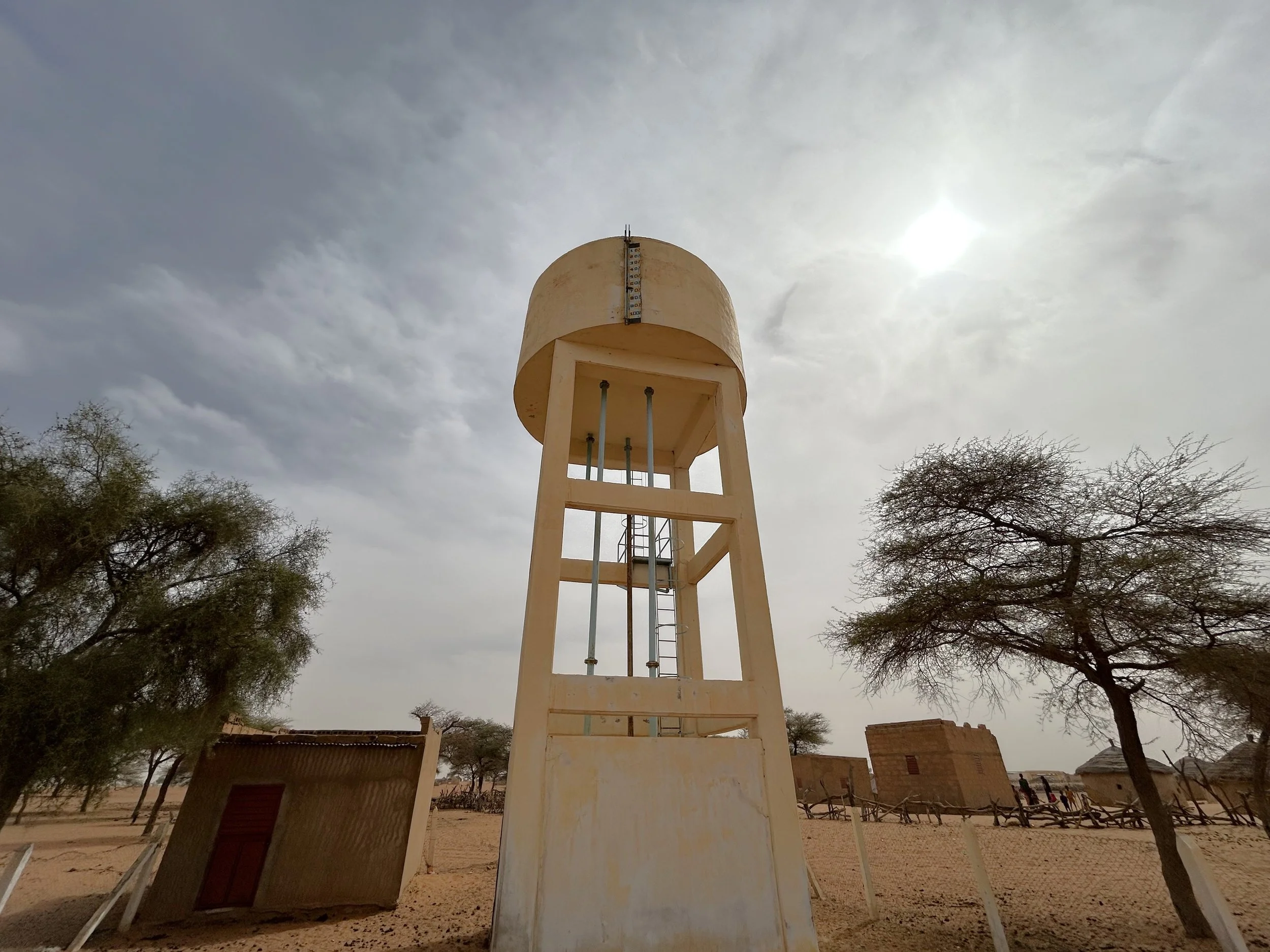
Senobowal already had a substantial water tower that just needed upgrades to the well and pump system. With these upgrades, they now have a dependable water supply that will help them remain on their ancestral lands.

More than 100 years ago, the village dug a 60-meter well by hand, an incredible feat in and of itself, which served the community and passing herders for decades. But in recent years, climate change has shortened the rainy season and lowered the water table. The old well structure began to fail, and the water became unsafe. A mini borehole installed later helped for a time, but it was too small for the population’s needs. Despite a strong local water committee, which replaced broken pumps and even upgraded the system to solar on their own, they simply couldn’t keep up with the constant maintenance costs stemming from overheating pumps in an undersized well.

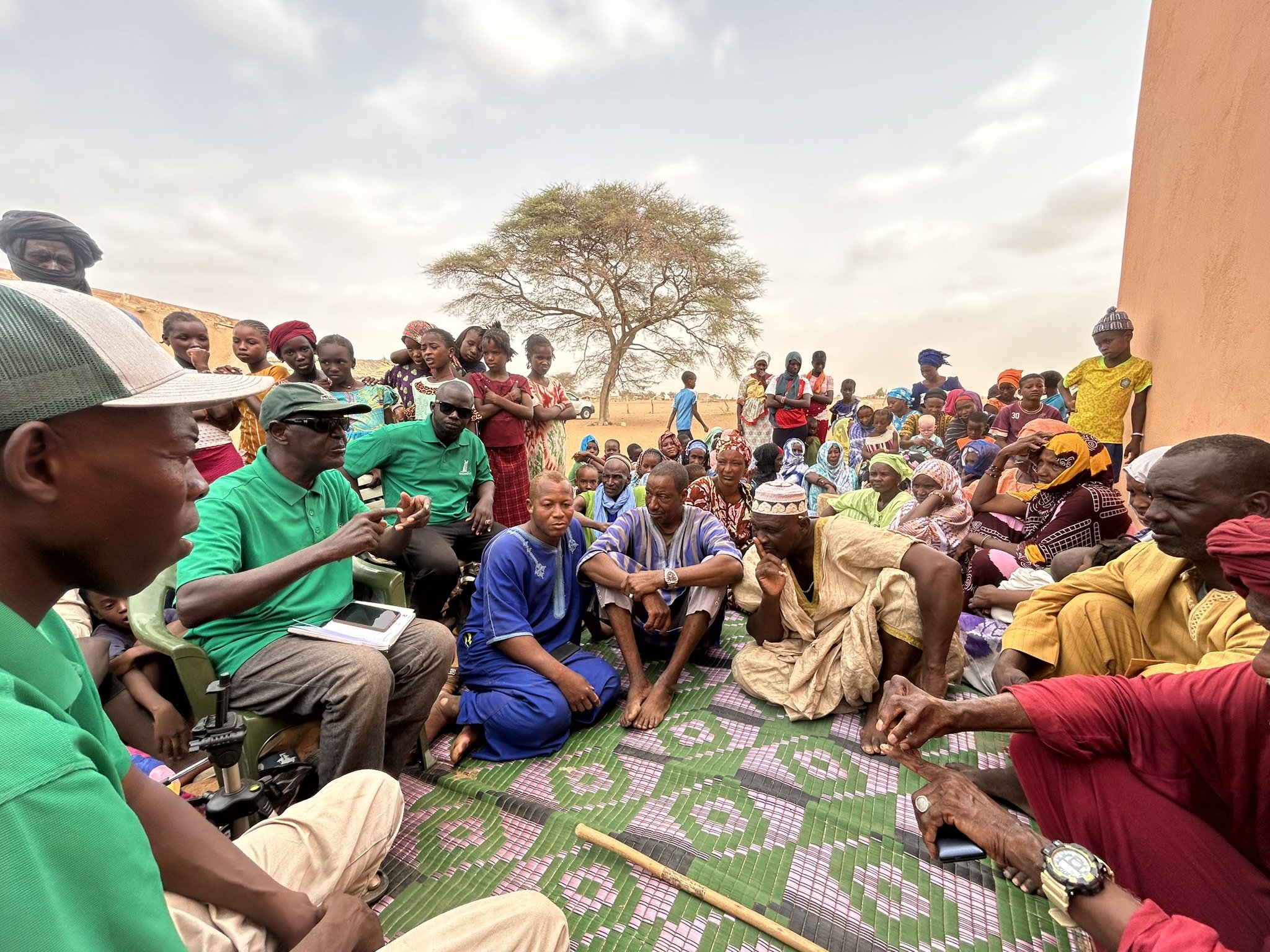
Andando staff talking with leaders of Senobowal in the shade of the newly constructed health clinic. By listening and partnering with the community, we can identify the best solutions to meet their needs - together!

We first got to know Sénobowal while partnering with the village to build a rural health clinic. It quickly became clear that without reliable water, the clinic could not provide the safe births and basic services the community deserved. Together with local leaders, we made emergency repairs to their troublesome mini borehole as a stopgap measure while we raised the funds to drill a brand-new, deep borehole well, wide enough to support a high-capacity solar pump that will be installed next month.

What’s Next: Help Us Launch the Women’s Garden!
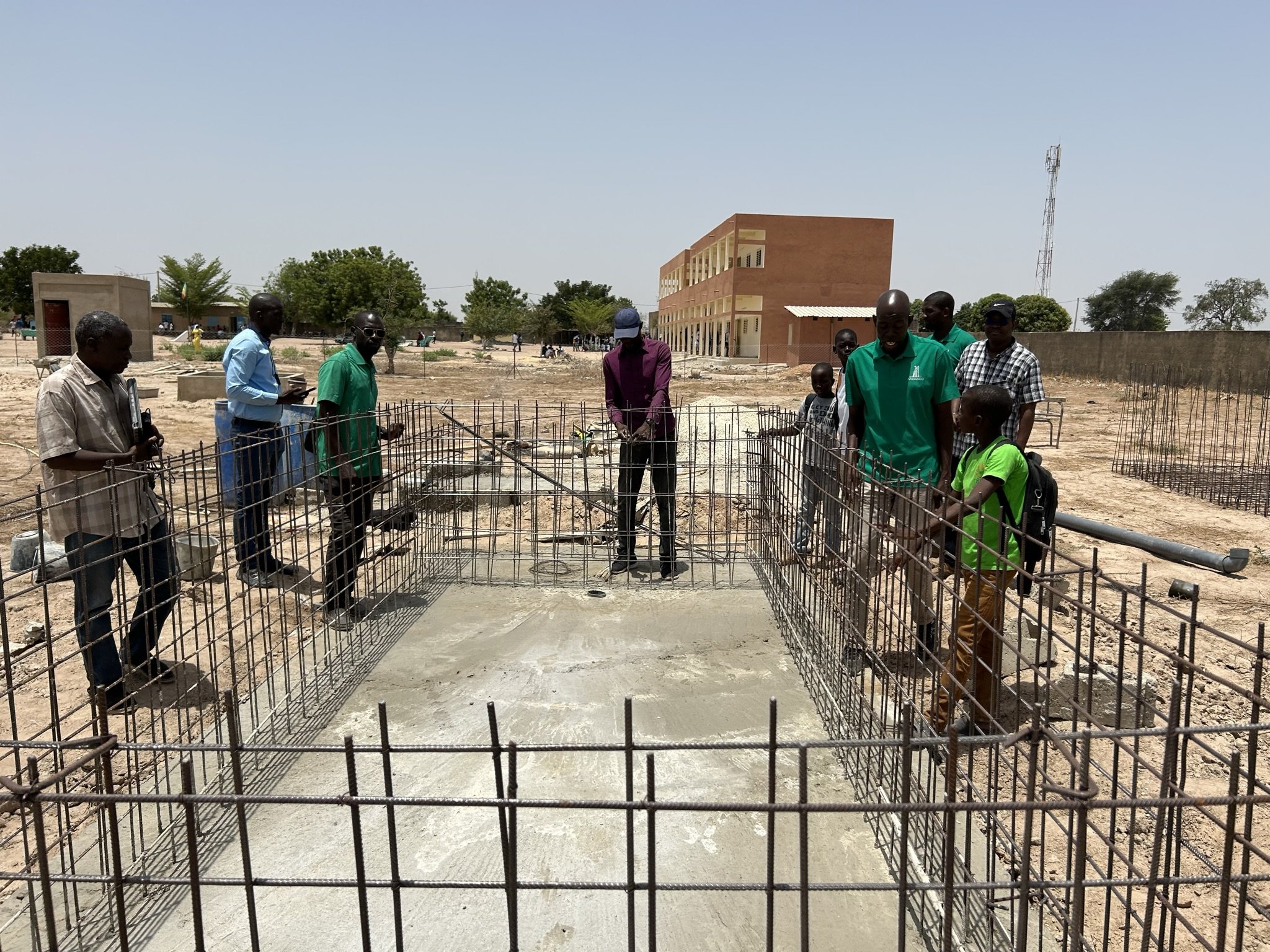
With the well in place and water secured, the next step is a women’s cooperative garden that will provide food, income, and stability for 125 women and their families.

The women are organized. The land is ready. But the garden infrastructure, fencing, watering basins, tools, and seeds, still needs funding.  Once completed, this garden will not only help to bolster nutrition, and improve livelihoods, it will help this remote population to remain on their ancestral lands in the face of mounting challenges. 

Gardens can help keep kids in school. In other communities with a women’s cooperative garden, pastoral families have reported that having reliable food and income helps women and children remain in their villages - kids can stay in school and mothers can stay close to healthcare!

In recent years, the seasonal migration that used be brief and local has turned into an exhausting five-month journey, stretching hundreds of miles south in search of adequate pasture. Without enough food in the village, many women and children have had to join the migration, pulling kids out of school and placing huge strain on families.

As we saw in our partner village of Belel Kelle (click for article), a women’s garden can offer another path.

With reliable food and income from produce grown locally, women and children can remain in the village year-round. Kids can stay in school, mothers can stay close to healthcare, and with water now available just minutes from home, girls and women no longer need to spend hours each day hauling water, time they can now use to learn, grow food, or rest.  A thriving village with more year-round residents also means that we can begin working with the village to reforest their lands and fight back the ever-encroaching desert.

Our community helped bring water to Sénobowal, and the joy and relief were unmistakable, with smiles, laughter, and celebration as the first water flowed. Now, let’s take the next step, and help ensure the families of Sénobowal can grow, thrive, and stay rooted on their land for generations to come.

Want to help?

From the Director - May 2025

We have water! The borehole at Senobowal hit water at 152 meters and was cause for much celebration by the members of the community!

I’ve just returned from Senegal, and I am blown away by the incredible progress we’re seeing on the ground. Like many in our sector though, we’re facing a rapidly shifting funding landscape that threatens our ability to do this vital work. That’s why we’re working closely with our team in Senegal to share Andando’s impact, like these updates below, with a broader audience.

A big thumbs up from Maguette from the Haffé Garden! These women overcame many challenges to get to this point. We give them TWO thumbs up back!

Since our last newsletter:

Students at Ndiedieng Primary School sit four to a desk but with their new classrooms on the way this will soon be a thing of the past! Classrooms along with bathrooms and water taps will be completed before the next school year.

This is just a sampling of the incredible progress happening through Andando. As we begin sharing more videos and personal stories, I humbly ask you to help amplify them and invite others to be part of this journey. Senegal is making real progress in the fight against poverty, but the need remains great, and this is a critical moment to increase not decrease international support. Thank you for supporting this work and for everything you do to help spread the word about Andando.

Help Us Spread the Word!

Clean Water Access for Indigenous Communities in Senegal!

UPDATE: April 2025

The Village Chief of Senobowal shares about the water crisis his people are facing. Senobowal is centrally located and provides water for more than 40 smaller villages surrounding it. The existing water system is not able to keep up with the demand, and as a result people have to wait in line to fill up their water cart before returning back to their village.

Senobowal already has a substantial water tower and we are upgrading the well and pump system so they will have a dependable water supply!! This is just Phase 1. Phase 2 is to install a women's cooperative garden, but we need your help.

Share this post widely:

Visit our GoFundMe or Donate Page to contribute towards this project

Sign up for our monthly newsletter.


Original: July 17, 2024 (View on GoFundMe)

Andando invites you to join us in transforming the lives of the people of Senobowal, along with 40 surrounding remote villages in northern Senegal, West Africa by funding a critical water infrastructure project and establishing a women’s cooperative garden. This project will provide vital lasting solutions to water scarcity, food insecurity, and economic hardship, for over 5,000 people in the region, creating a brighter future for generations to come.

The Problem: Why Senobowal Families Need Your Help
Senobowal’s location as a pastoral center and remote water source has made it a critical regional resource for more than 150 years. All told over 5,000 people and 30,000 livestock rely on Senobowal as their primary water resource.

Unfortunately families here have struggled with severe water shortages for years. Their primary water source, an ancient hand-dug well, is no longer potable, and the only other water source, a "mini borehole" intended for a hand pump, cannot meet the village's needs.

For nearly a year residents of Senobowal had to rely on water brought in by donkey cart from a well six miles away.

Without a reliable water supply, the villagers face significant hardships, especially during the harsh dry season. Year after year residents have tried to resolve the problem themselves by purchasing electric pumps run with diesel generators, but their small existing borehole was never intended to accommodate this level of infrastructure, so they have been plagued with insufficient water, and costly breakdowns. The most recent breakdown in 2023 left the village without water for 11 months forcing villagers to travel long distances to collect water from unsanitary open wells in other villages.

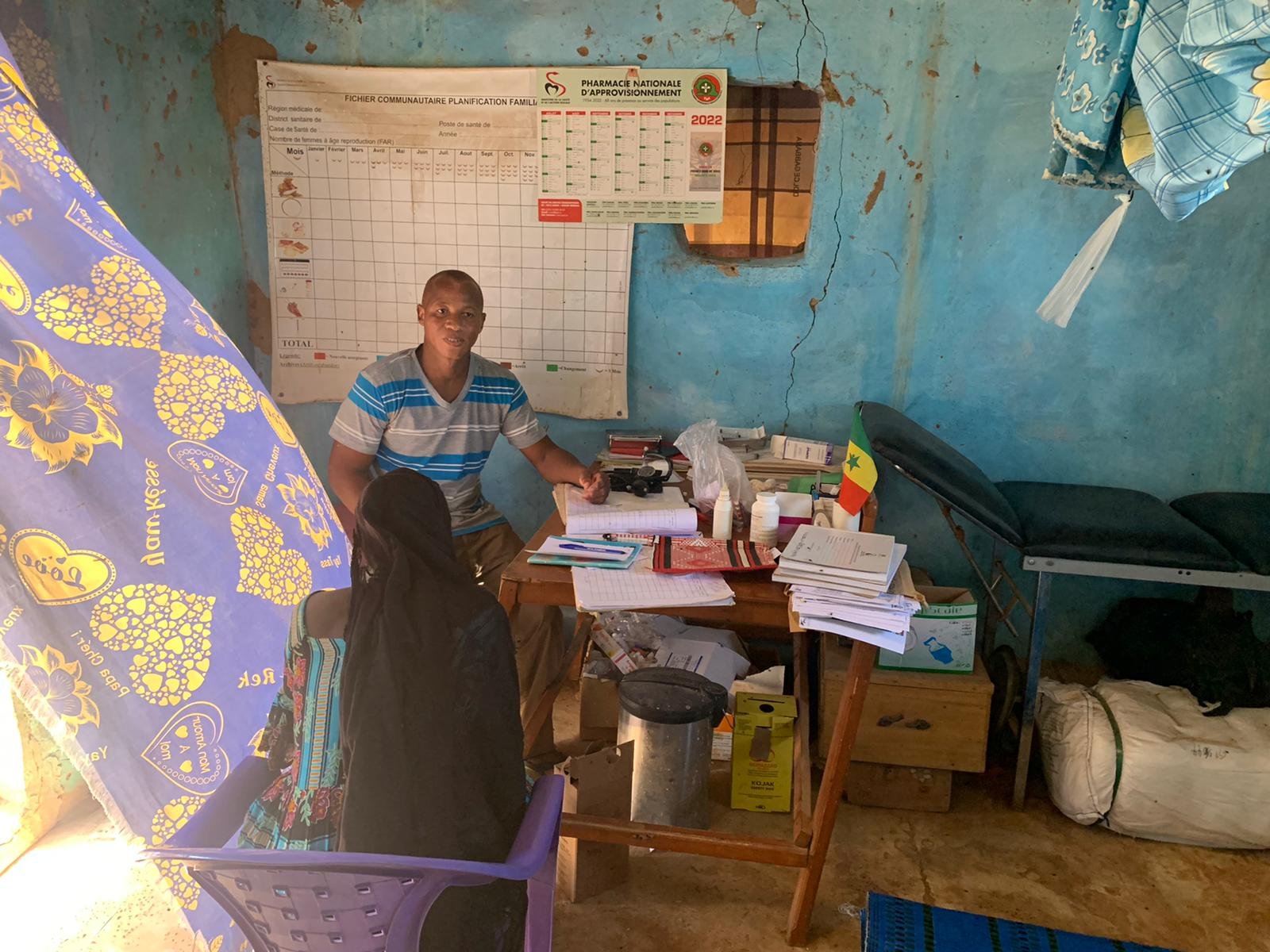
Aida, Midwife at Senobowal

Here we are in a dry area, a very dry area. We do not have enough water. It’s very dry. We are not close to the river, we are not close to anything. We are depending on the rainy season.
— Aida, Midwife at Seno Bowal

Andando first partnered with Senobowal in 2023 to build a vital remote community health center and maternity ward. Infant and maternal mortality are devastatingly high in remote regions and ensuring access to clean water at this isolated facility is crucial for supporting the health and well-being of dozens of villages.

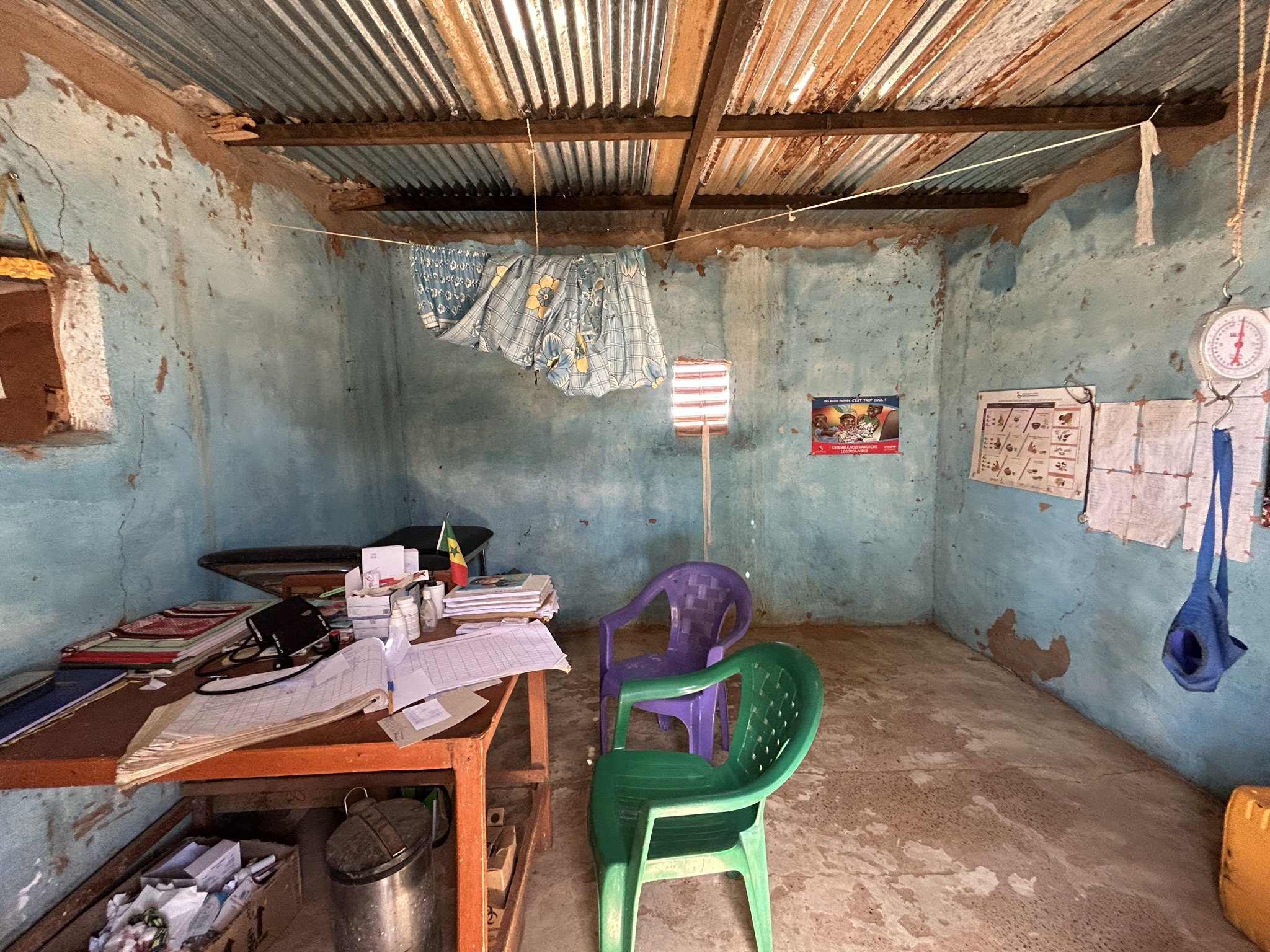
he new health post constructed in 2023 includes clean running water. But with the recent water troubles, healthcare professionals have to make do with limited resources.

Without immediate intervention, the villagers of Senobowal and the surrounding communities face worsening water scarcity, further economic hardship, and potential displacement from their ancestral lands.

The Solution: A NEW Borehole Well, Solar Pump System, and Cooperative Garden
The good news is the problem can be solved! We urgently seek your support to drill a new, properly sized deep borehole well and install a powerful sustainable solar pump system and women’s cooperative garden.

Thanks to previous investments the village already has a substantial water tower and by upgrading their well and pump system to an appropriate scale we will ensure a stable, long-term water supply for Senobowal and the 10 surrounding communities who depend on them for water.

Senobowal's water tower which has the potential to provide water for the surrounding villages once hooked up to an appropriately sized pump.

The new system will provide sufficient water for daily use, livestock, the health facility, and agricultural activities-- transforming life in the village!

Your Impact Will:

  • Improve water access for over 5,000 people and 30,000 livestock
    Increase food security and improved household income for 125 families

  • Reduce barriers for children to attend school

  • Actively combat climate change through the planting of hundreds of native trees and regenerative permaculture techniques

  • Preserve the local culture and build community resilience

Empowering Women and Keeping Kids in School Through Sustainable Gardening
Access to reliable water is just the beginning. We will also establish a women’s cooperative garden which is vital to supporting the health and well-being of the whole village.

Why does a garden matter? Families in this region rely upon their livestock for their livelihood. Traditionally the men will travel with their herds to forage for feed while the women and children remain at home. But in recent years, due to harsh conditions, entire families are forced to travel with the livestock for 6 or even 8 months out of the year! Ultimately, this means children are unable to attend school.

This photo taken from an existing Andando garden demonstrates the potential capacity to grow fresh fruits and vegetables with access to water.

The women of Senobowal came together to request a garden because they want the means to remain at home so that their children don’t have to endure the difficult journey and can attend school. Andando's agriculture program has a proven track record of success with 40 women's cooperative gardens already thriving in other parts of Senegal. These gardens not only provide food security but also offer economic opportunities to women like those in Senobowal who have few alternatives.

Each garden is designed to be self-sustaining, economically and ecologically, after an initial setup period, thanks to comprehensive training and support. The Senobowal garden will follow this model, helping 125 women gain the skills and resources needed to become successful market gardeners. This initiative will improve household incomes, provide tons of nutritious food, and empower the women of Senobowal to build the life they want for their children.

he planting of food-producing and live-fencing trees provides soil-regenerating benefits and ensures that infrastructure will last for generations.

Facing Climate Change Head-On
Andando's gardens are not just about food; they are front-line fighters in the battle against climate change. Using regenerative permaculture techniques, these gardens improve soil fertility, sequester carbon, and rejuvenate local ecosystems. Hundreds of native trees are planted, which are crucial for recharging aquifers and mitigating groundwater loss.

Senobowal's remote location, near Senegal's norther boarder with Mauritania, puts residents here on the front lines of climate change and the devastating encroachment of the Sahara Desert.

Your contribution will make a lasting environmental impact in the Sahel, one of the world's most vulnerable regions to climate change and essential to fighting desertification.

Preserving Culture and Community Resilience
The survival of Seno Bowal is essential not just for its residents, but for the preservation of the Pulaar people's rich cultural heritage. This region of the world is on the front lines of climate change and indigenous populations are vital for maintaining the ecology of the region. The Pulaar people have sustainably managed these lands for hundreds of years. With their traditional knowledge and sustainable land management practices they are essential partners in our shared fight against climate change.

The Pulaar people have a rich and vibrant cultural heritage. By investing in water and agriculture, they will be able to stay on their ancestral lands and continue to fight desertification.

Ensuring access to water, food security, economic opportunities, and a dignified quality of life, will help maintain their presence on their ancestral lands, providing immeasurable environmental and cultural benefits to this region and the world at large.

Our Approach and Plan
Andando approaches every project as equal partners with each community. What we provide in terms of infrastructure and investment is matched and exceeded by the sustained effort put forward by our partners over many years.

This project came about at the request of Senobowal after more than a year of discussions, and investigations in the village, involving all stakeholders, including village leaders, women’s groups, surrounding villages, and the regional hydrological authority.

The total cost of the project is as follows:

  • Drilling a new borehole well: $20,800

  • Solar pump system and plumbing: $10,700

  • Garden infrastructure (Watering basins, fencing, latrine, startup equipment): $13,000

  • Technical and material support for the first two years (daily support from a locally trained garden technician, seeds, native trees): $6,000

Total Cost: $50,500

As of the launching of this campaign, Andando has secured $23,135 of dedicated funding for this project, so we only need to raise $27,365 in order to say yes to the people of Senobowal and help them secure a brighter future for themselves and their families.

Your Immediate Action Will Make a Difference
Your donation will directly fund the drilling of a new borehole well, the installation of the solar pump system, and the establishment of the women’s garden. Every dollar brings us closer to our goal, providing a sustainable future for Seno Bowal and more than 5,000 people.

Join us in this urgent mission to transform lives, protect the environment, and preserve vital cultural heritage. Your support will create a ripple effect of positive change, impacting generations to come- because every family deserves the opportunity to build a brighter future filled with hope, opportunity, and abundance.

About Andando:
Andando is a registered 501(c)3 nonprofit with decades of experience working in rural Senegal. The word Andando in the local Wolof language means walking together, and this has always been at the heart of our methodology.

For over 15 years, Andando has led programs in water, sanitation, agriculture, education, health, and microfinance in two rural regions of Senegal: Kaolack and Podor. Learn more about our agriculture initiative along with our other community-driven programs at www.andando.org

Donate today and make a life-saving difference!