Mbantou Croissement

Helping Partner Clinics Do More for Their Communities

Senegal’s public health system operates in an incredibly difficult and resource-constrained environment, which makes its gains in reducing infant and maternal mortality, lowering child stunting, and preventing tropical diseases all the more impressive.
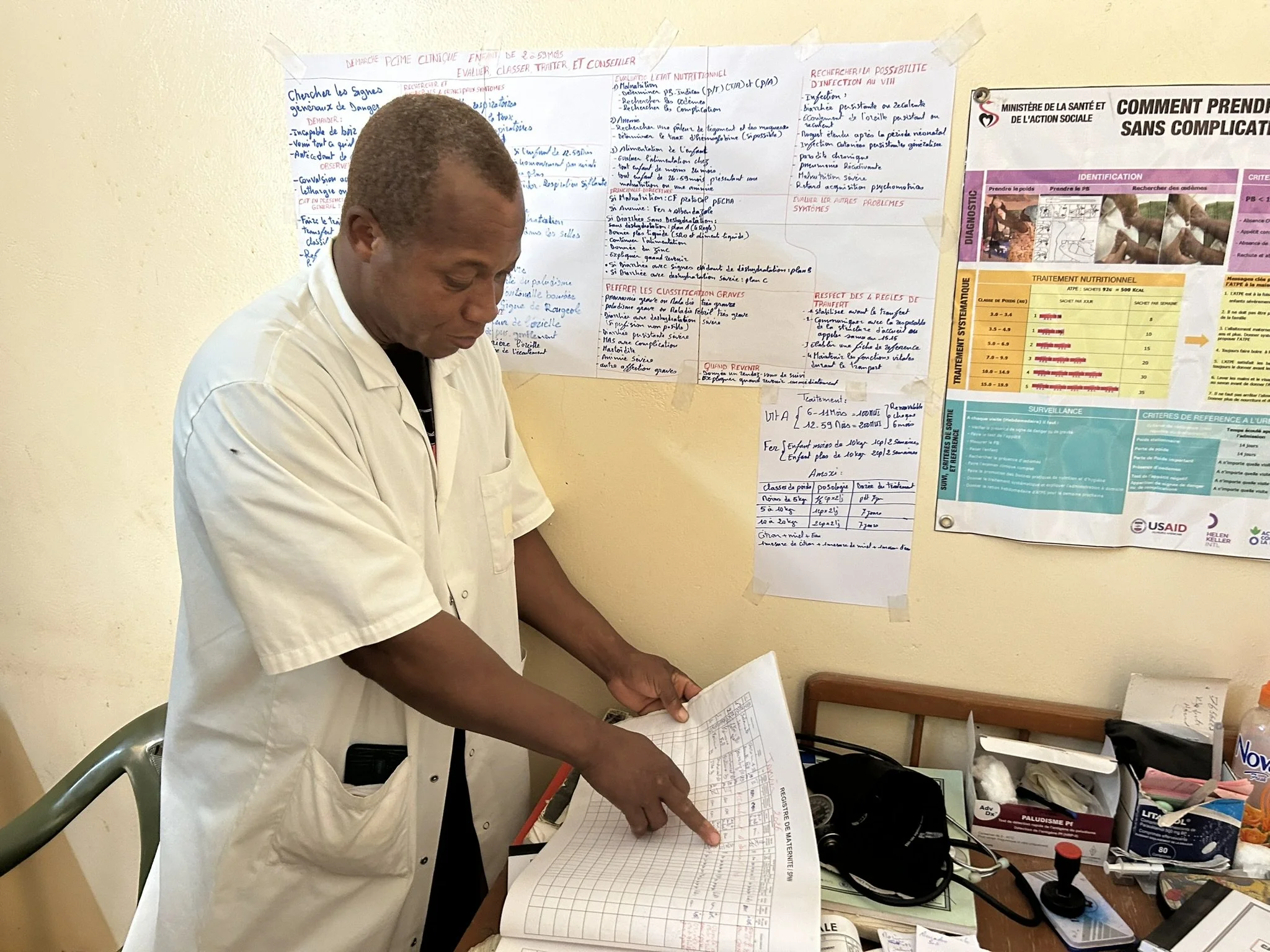
This past year, building on Senegal’s ambitious health goals, we started by asking simple but important questions: how can we help our partner health clinics to do more for their communities? When resources are limited, people become very good at making do, but what could be possible with greater support?

These conversations and tough questions led us to develop a new rural health clinic model in partnership with the Ministry of Health. This model helps clinics offer more services, increase outreach, and expand use across a wider area, strengthening the quality and reliability of care in rural areas
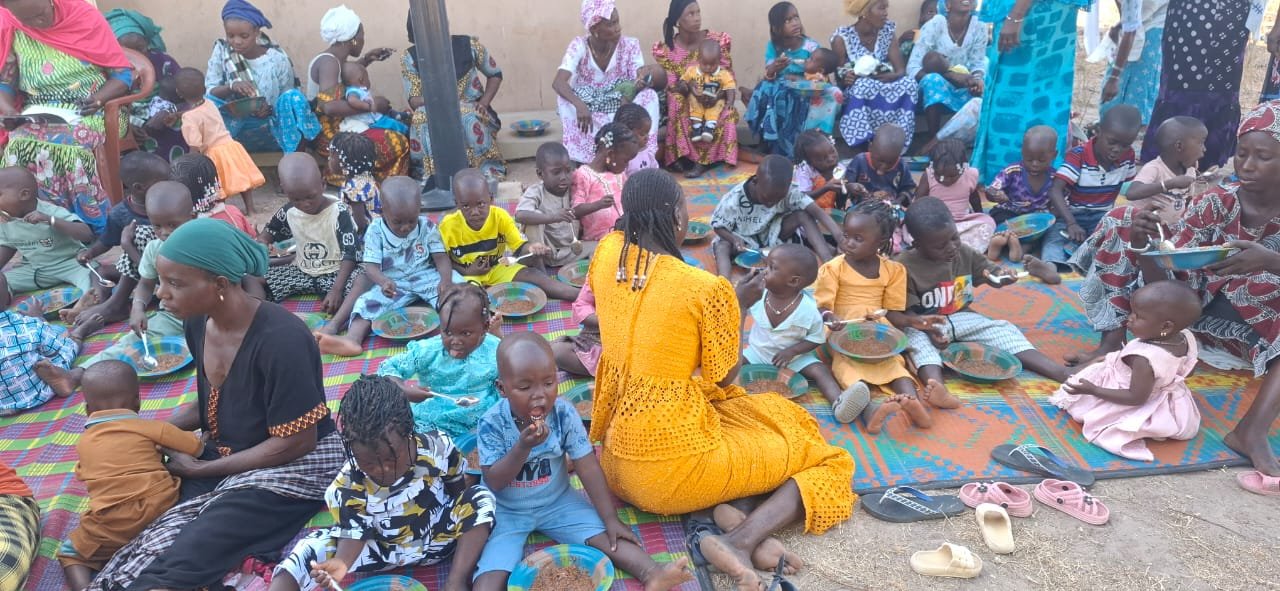
Children enjoy nutritional porridge at a malnutrition screening and awareness day.

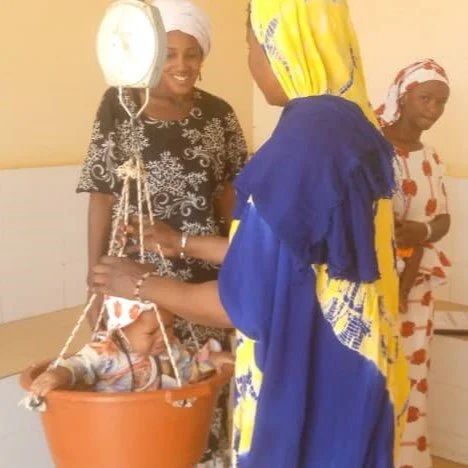
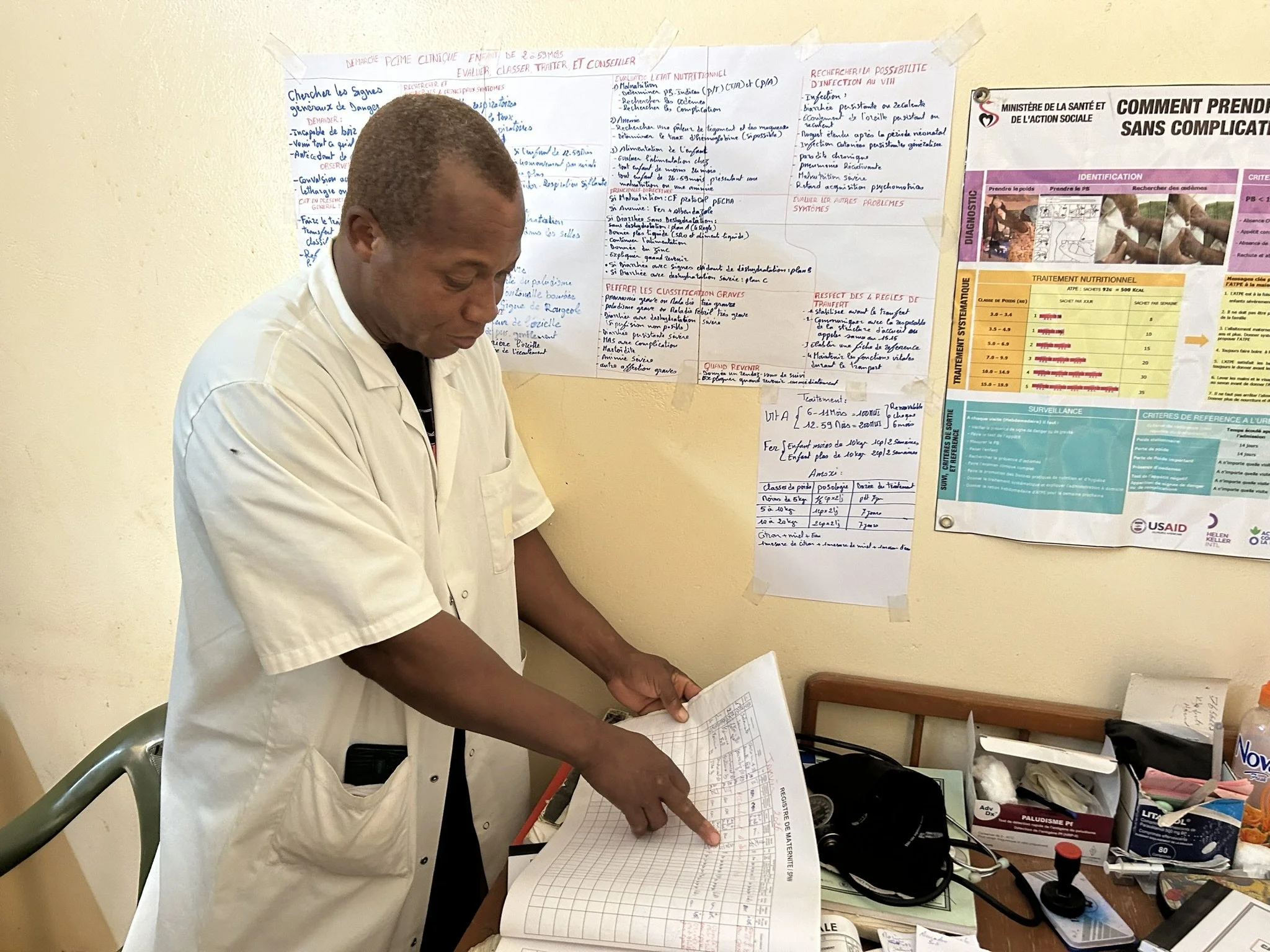
Through this new pilot initiative, our partners are reaching more villages to address public health issues like malnutrition, which can have devastating effects on a child’s development if not treated quickly. Ngoné Ndiaye, a healthcare worker in Mbantou Croissement, describes the impact:

Thanks to Andando, we are now able to serve six villages. Previously, in each screening, we would identify 7 to 9 children suffering from Moderate Acute Malnutrition; now, that number has dropped to just 4 children!
— Ngoné Ndiaye, a healthcare worker in Mbantou Croissement

Around 500 children are screened for malnutrition in Andando clinics each month. Moderate cases are treated locally, while more severe ones are referred to hospitals.
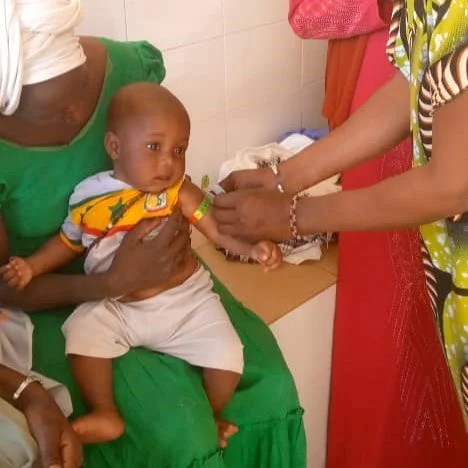
Mid-upper arm circumference (MUAC) measuring tapes are a simple but effective tool for identifying malnutrition before it affects a child’s development.

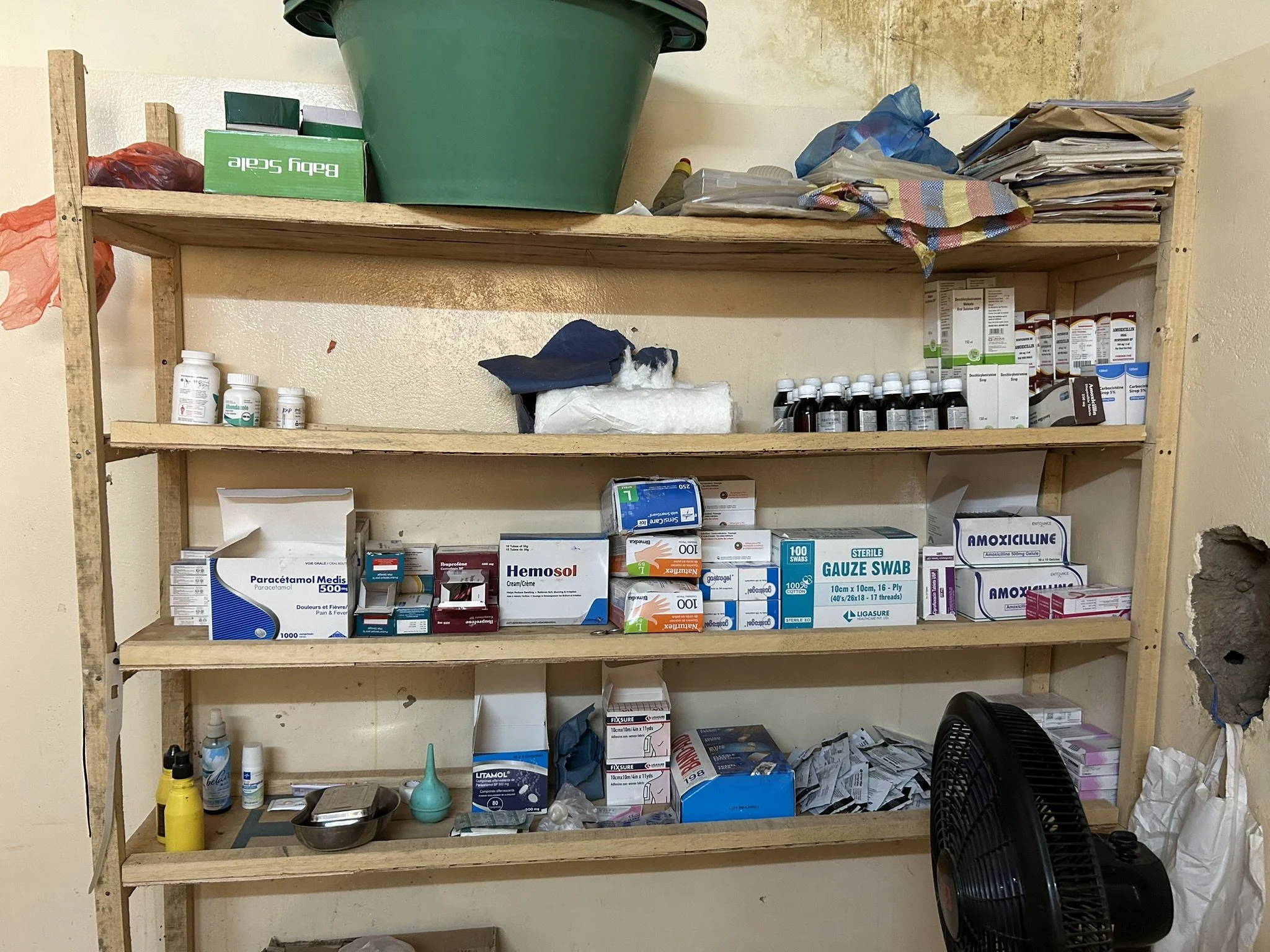
By helping partner clinics to stay well-stocked and deliver services consistently, more people are seeking care. This increased utilization is now strengthening the clinics as focal points for state health services, while also increasing their revenue.
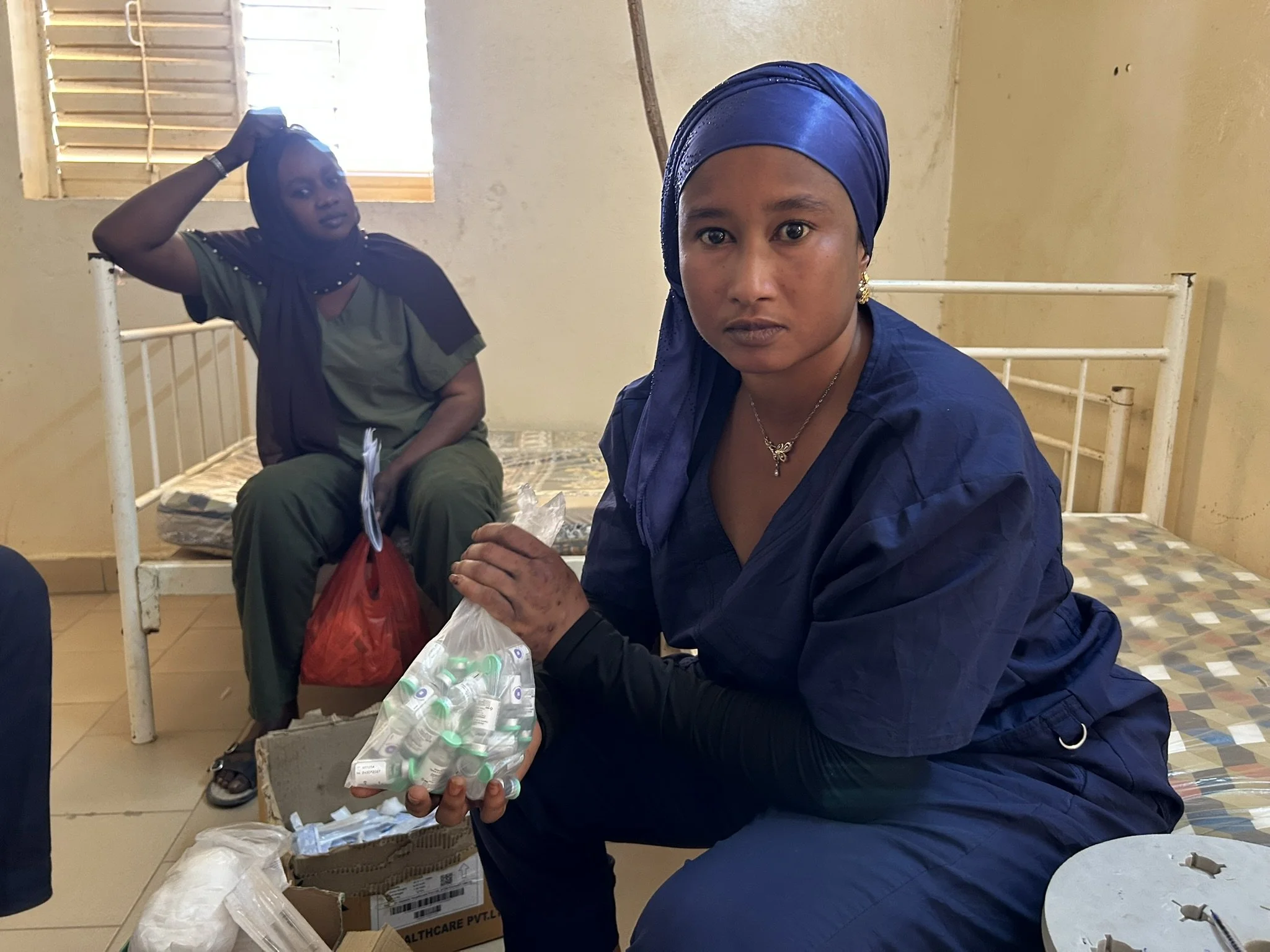
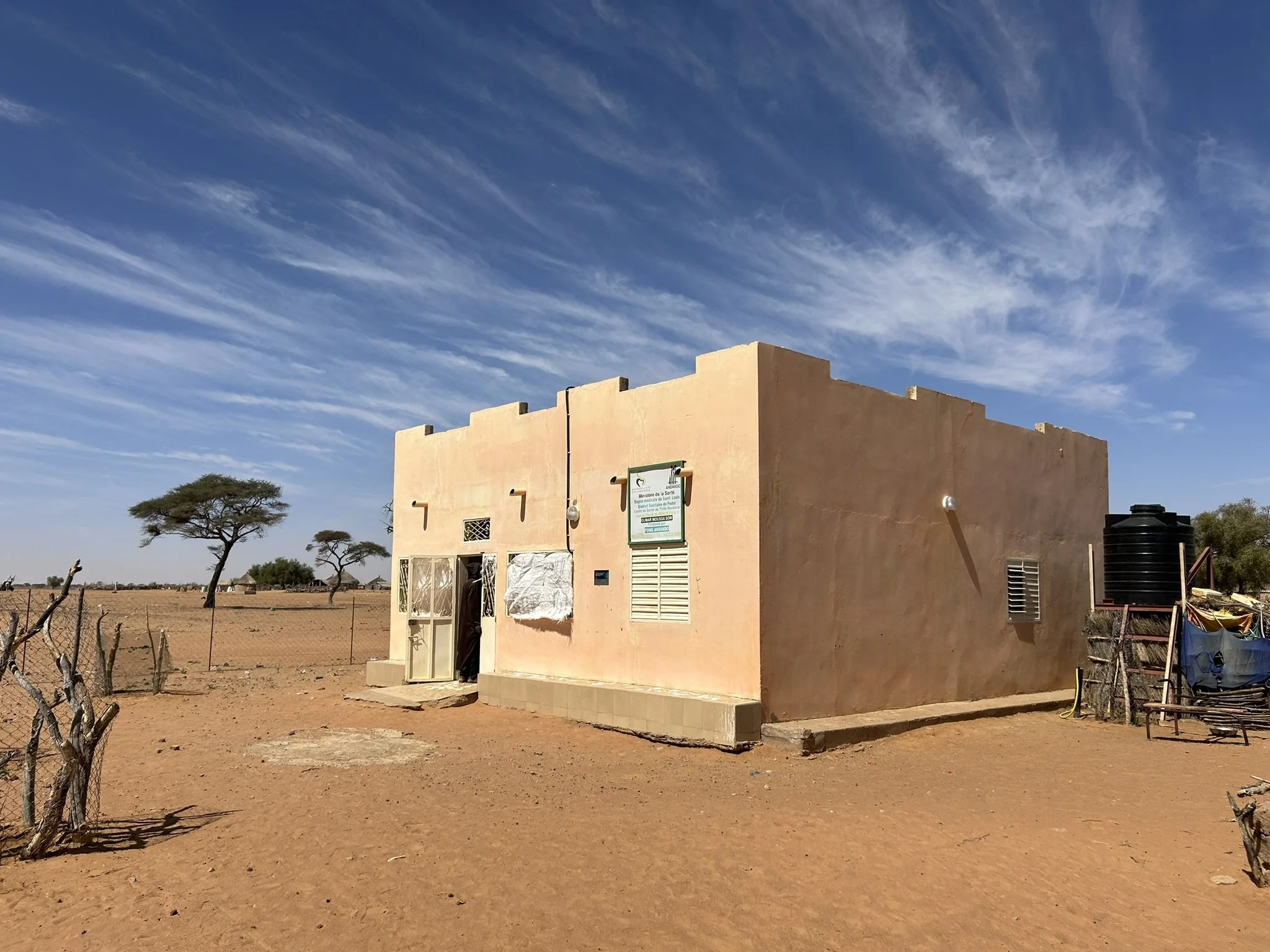
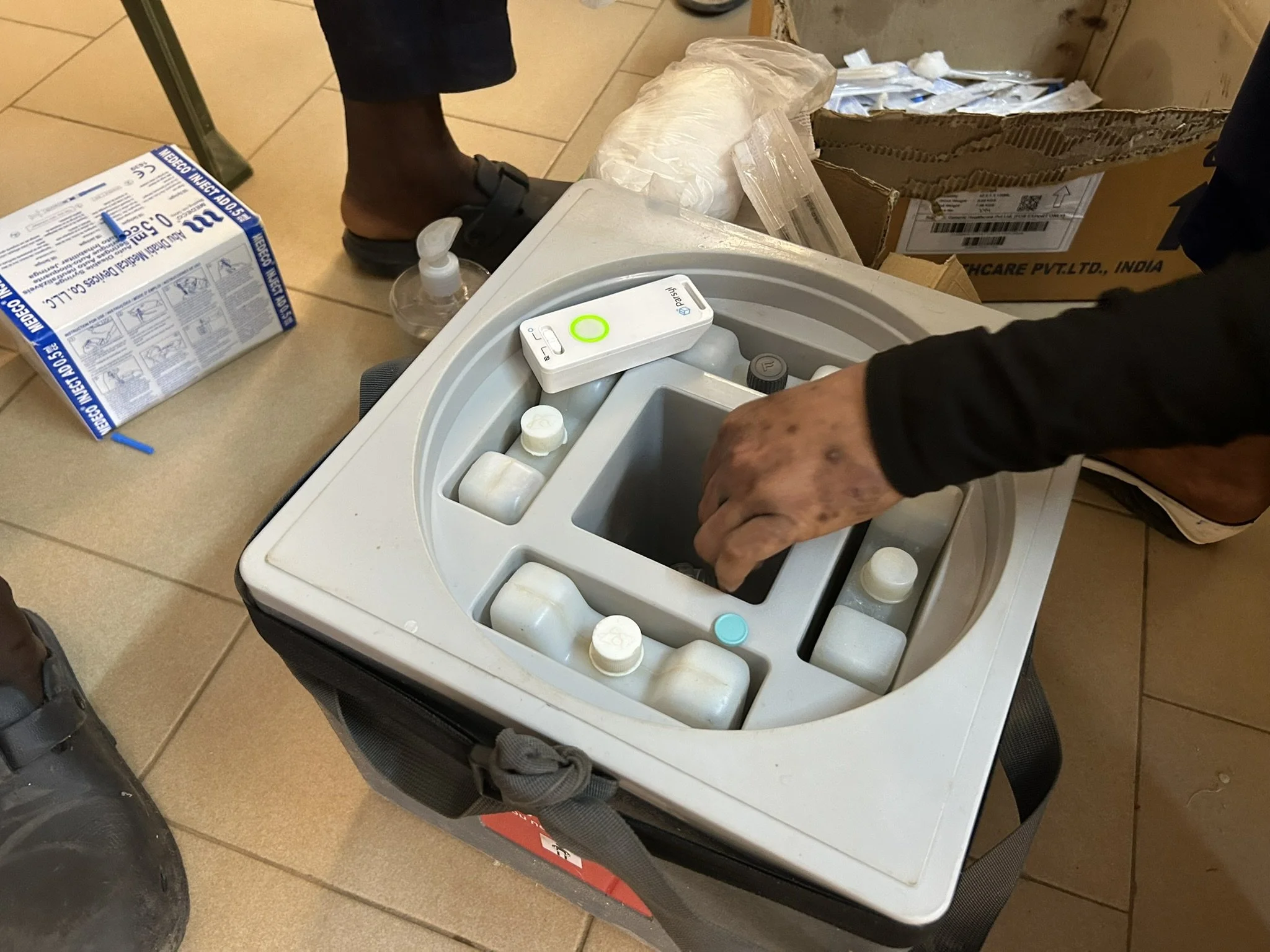
The health ministry partners with Andando clinics to access remote populations for vaccination days and other advanced public health strategies.

Adama Mbodj, President of the Keur Niéne Sérére Health Clinic, describes their long-term vision:

We are currently exploring how building a robust financial reserve within our treasury could, in the future, allow us to reduce the cost of care for the local population, and help ensure that everyone can fully benefit from the services provided by the health clinic.
— Adama Mbodj, President of the Keur Niéne Sérére Health Clinic

Again and again, we are reminded that our partners already have the commitment, knowledge, and ability to make a difference. With the right support, they can do even more for their communities.
Aquaculture in the Sahel: How Women are Leading the Expansion of Fish Farming in Senegal

Women’s Cooperative Gardens are leading the expansion of fish farming in Senegal. By integrating fish farming into established gardens, communities increase food security and diversity without using additional water.

In rural Senegal, where water is limited and conditions are harsh, it would be easy to assume that fish farming would be a risky venture requiring major investment. What Andando has seen instead is that women in small rural cooperatives are not only succeeding where others might expect failure, they are mastering this skill and helping lead the expansion of aquaculture across the Sahel.

Especially since we live in a dry area. The locals didn’t believe that fish farming would be possible here. But Mash’Allah, everything went well.
— Dickel Sow

But how can fish farming in such arid regions be possible on any meaningful scale? The answer lies in working within limits so the same water does double duty. Solar pumps pass daily irrigation water first through basins of tilapia, producing fish for food and sale, and adding nutrients to the water which then naturally fertilizes crops.

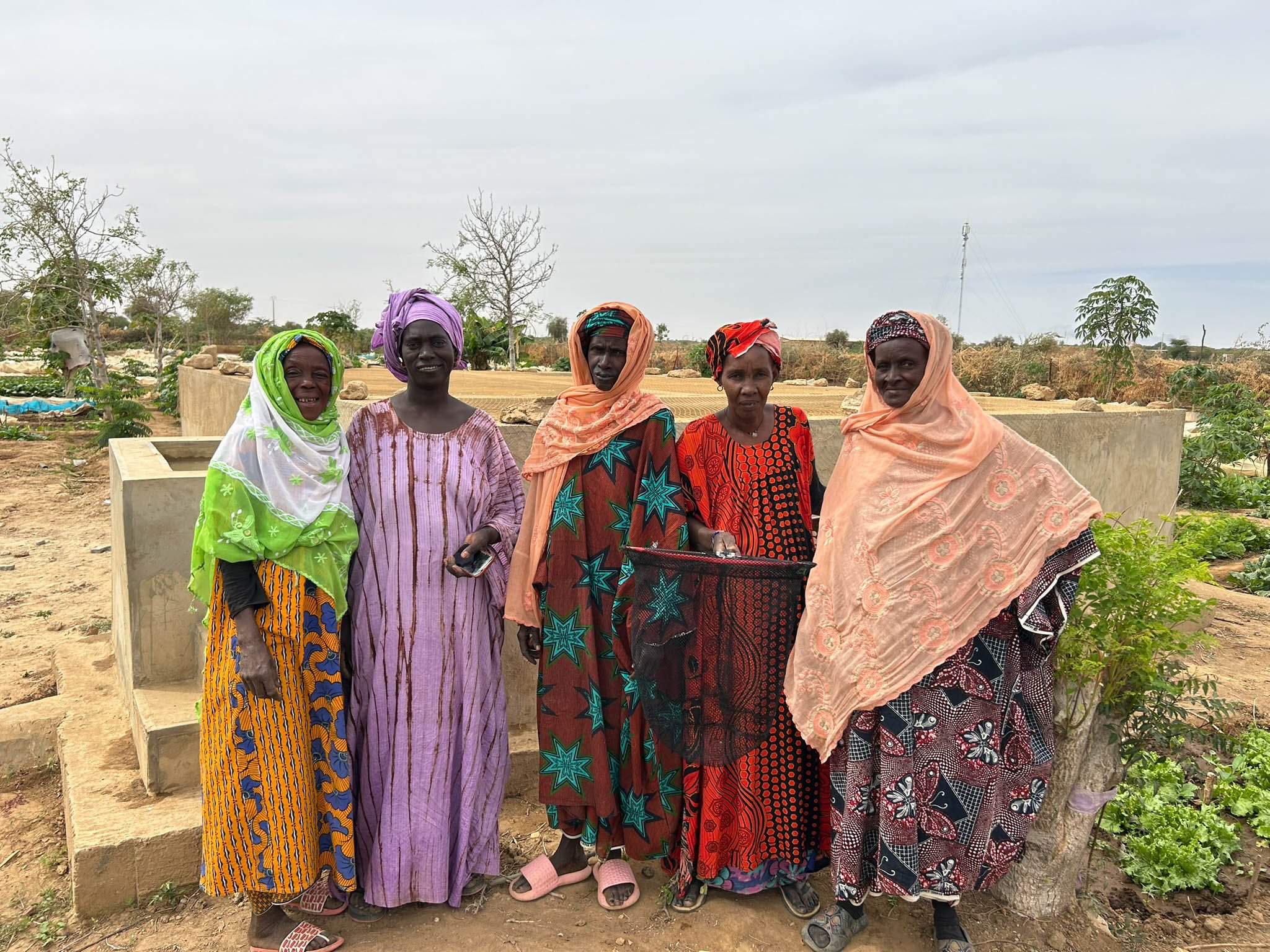
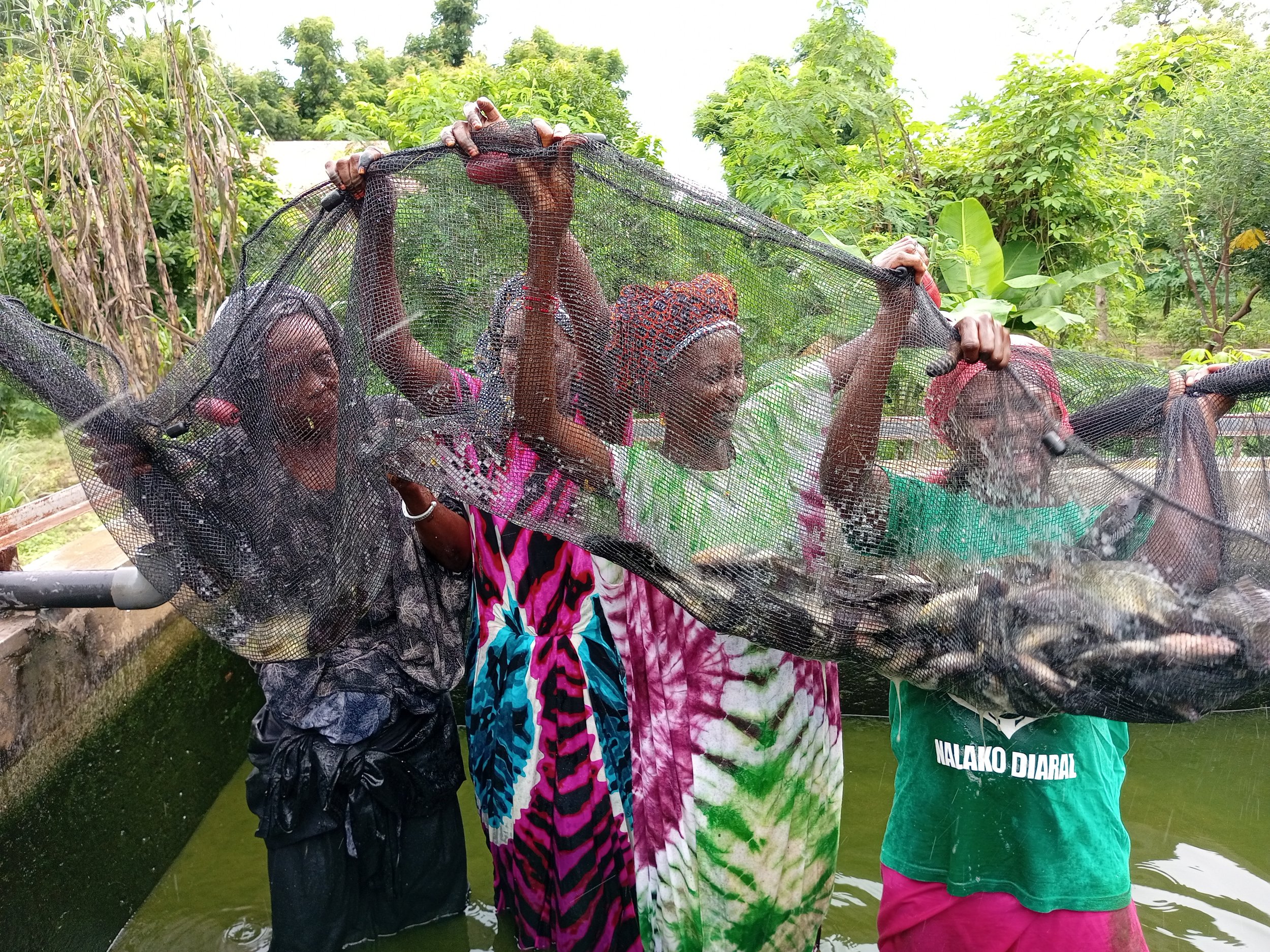
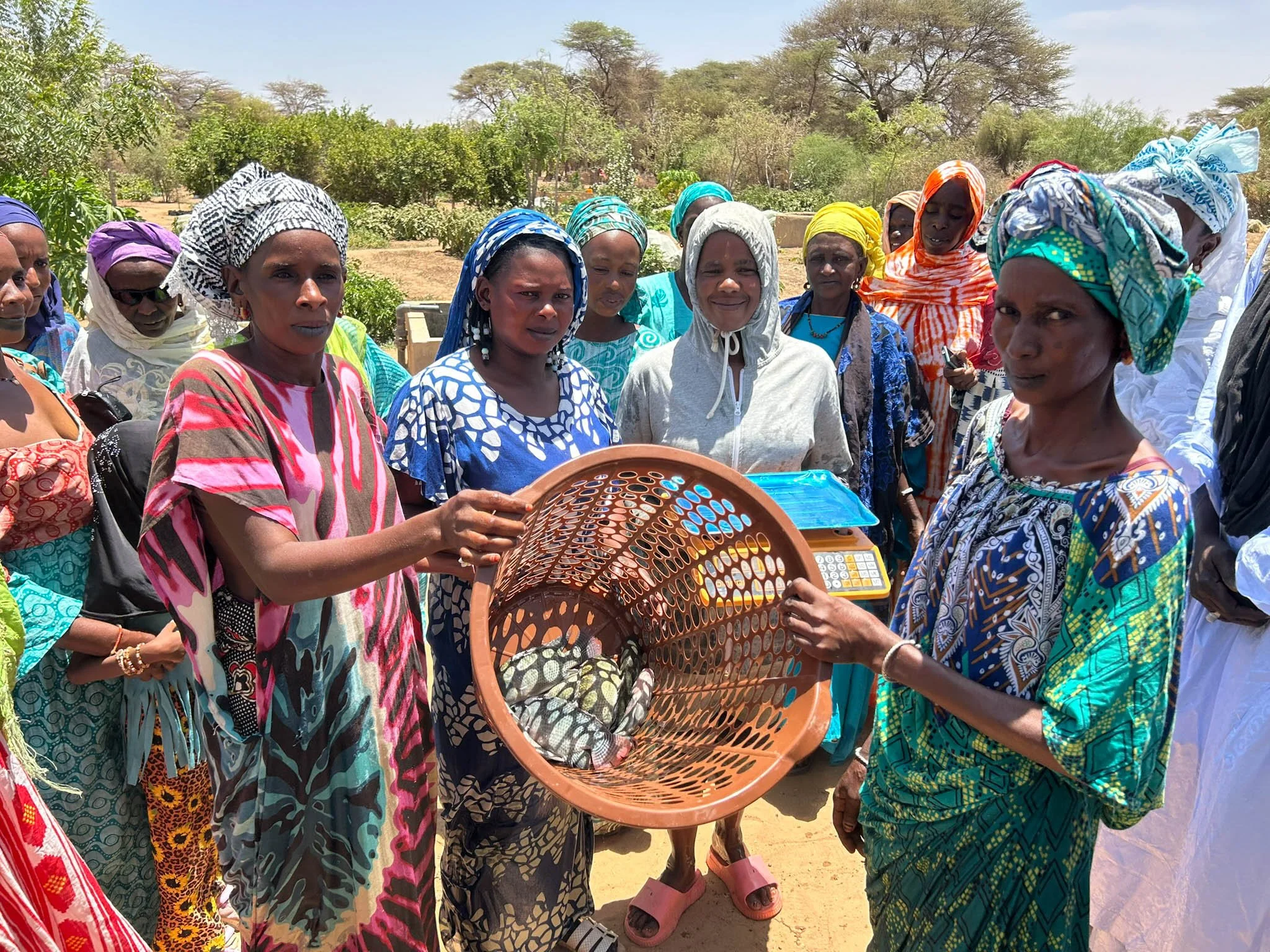
Dickel Sow (right) and other members of the Mbantou Croissement women’s garden with their first fish.

The impact of Andando’s most recent aquaculture integrations in the Mbantou Croissement and Mboyo Walo women’s gardens has been immediate and visible. As Dickel Sow explained,

If we didn’t have this fish pond, we would have gone elsewhere to buy fish. But now we raise fish ourselves, and we also eat and sell. And all our friends and family often come to buy them.
— Dickel Sow, Mbantou Croissement Garden Member

Aminata Elhadj Diagne (left) with other members of the fish farming committee of Mboyo Walo.

Greater access to fish and increased yields are also having a transformative impact on nutrition in these villages:

We used to have up to 35 children suffering from malnutrition... But now it is a part of our past, here in Mboyo.
— Aminata Elhadj Diagne, Member of the Mboyo Walo Fish Farming Committee

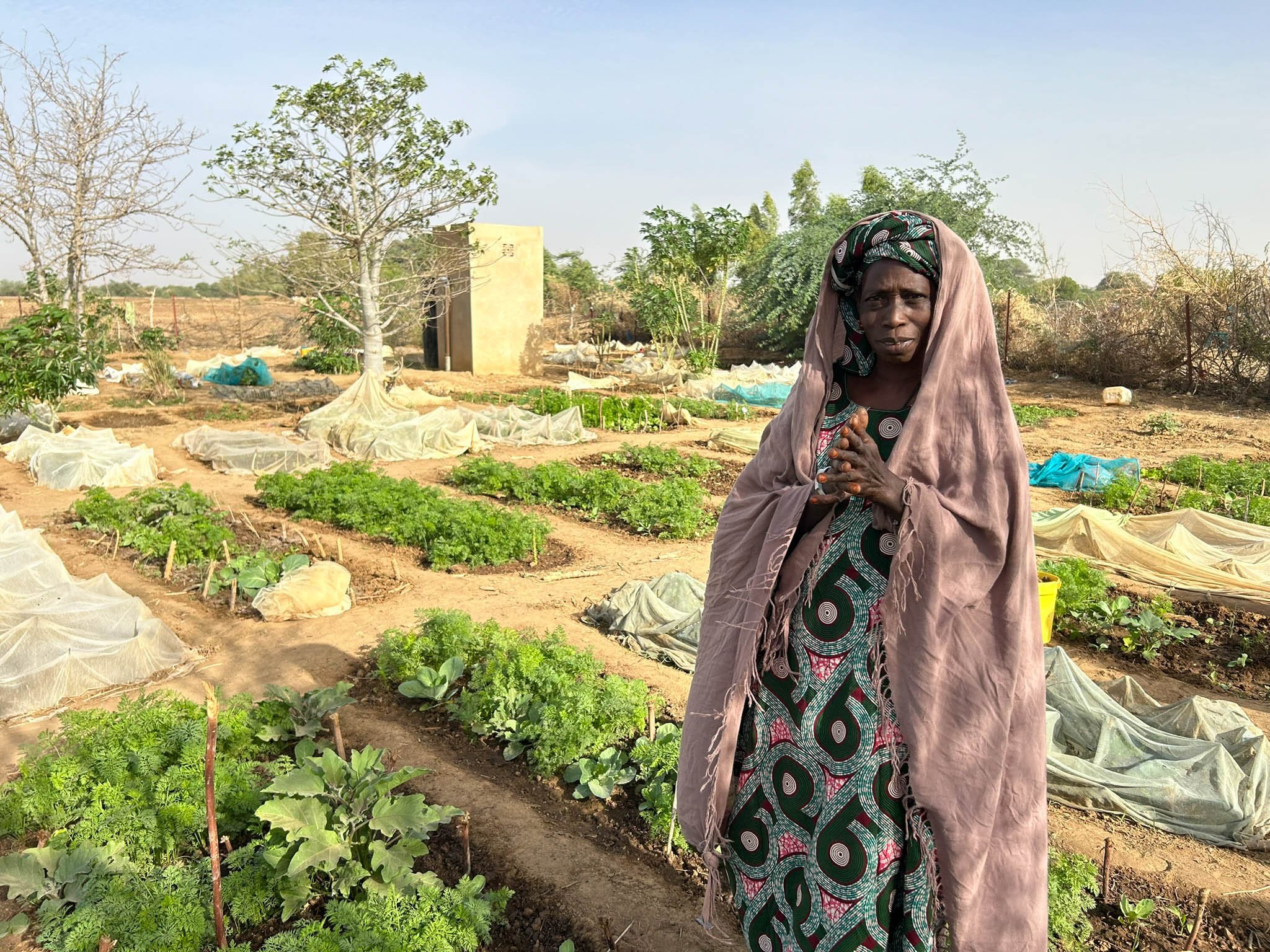
Oumou Ndiaye of Mboyo Walo, showing her garden plot, which is more productive than ever this year.

These women are proving once again that sustainable food security solutions can grow from the ground up, with local leaders forging the way.

Giving Thanks: "Just waking up and seeing the garden is soothing."

As we move into a season of giving thanks, we celebrate the successes and accomplishments of our partners in Senegal: students are focusing on their studies, healthcare workers are stepping in for their communities, and our women’s cooperative gardens are feeding entire villages!

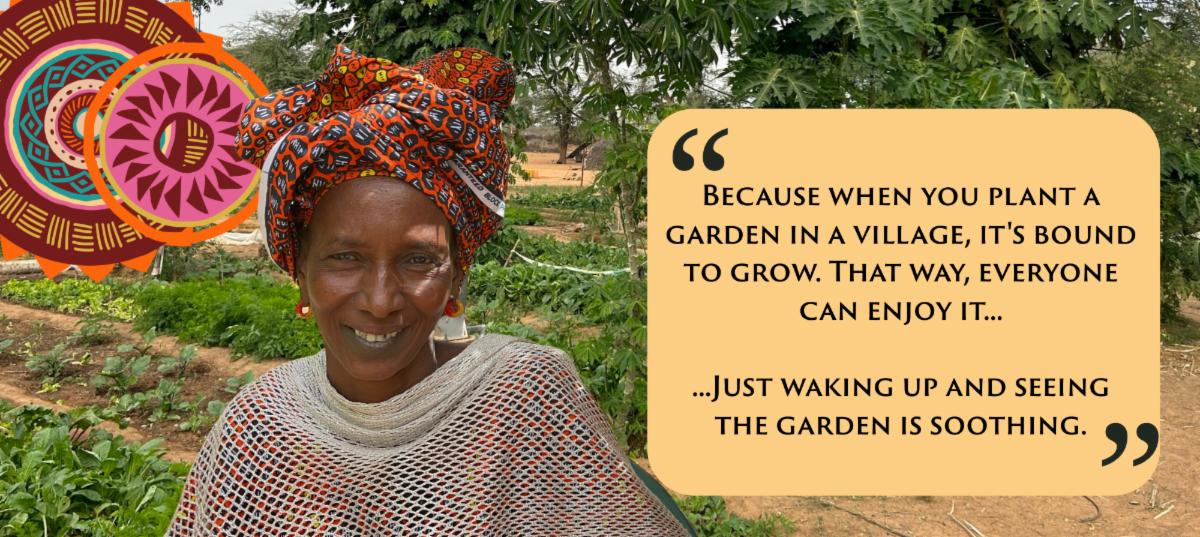
Dickel Sow, the Secretary General of the Mbantou Croissement Women’s Garden.

Recently Dickel Sow, the Secretary General of the Mbantou Croissement Women’s Garden, shared with us the transformation she is seeing in her village:

"I’m going to talk about something that I appreciate, that I really have to say. Because I witnessed it myself, it's not something I heard about. I saw it with my own eyes. So welcome, Andando! We are honored by your presence; it's a pleasure. Because you inspire us to grow.

Because when you plant a garden in a village, it's bound to grow. That way, everyone can enjoy it. The same goes for a health clinic; it also promotes development. As for fish farming, we had only heard about it. And finally, it happened."

Releasing young fingerlings into the Mbantou Croissement Garden fish basin.

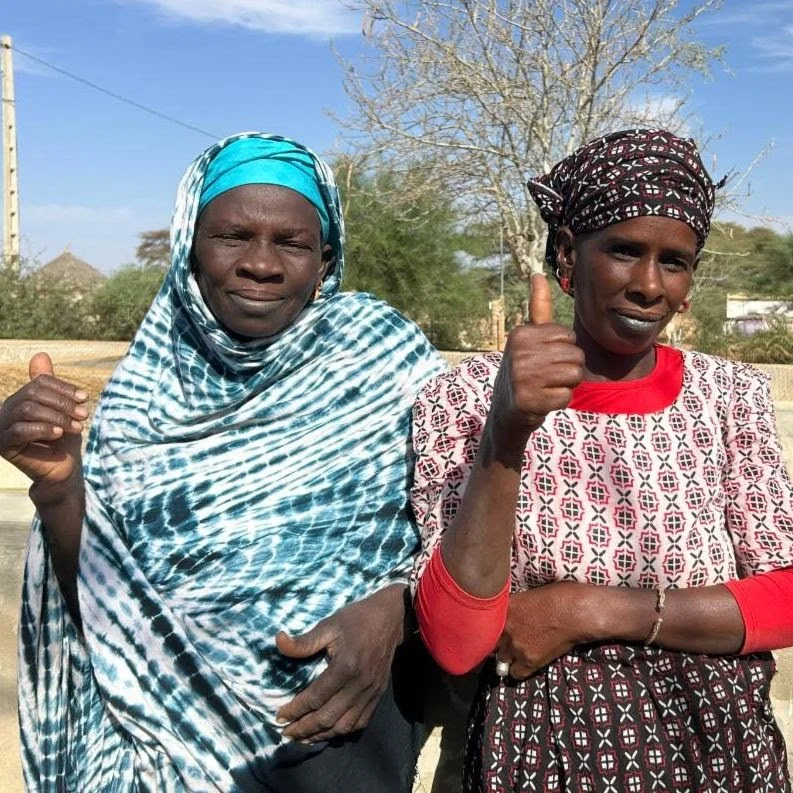
A big thumbs up from the women of Mbantou Croissement!

"Especially since we live in a dry area. The locals didn't believe that fish farming would be possible in this area. But thank God, everything went well. What's more, Andando is very helpful; they do all this thanks to God. They could have shown their achievements on the radio or on TV, but they didn't.

That's one of the things we love about Andando. They don't show off, and they keep their promises."

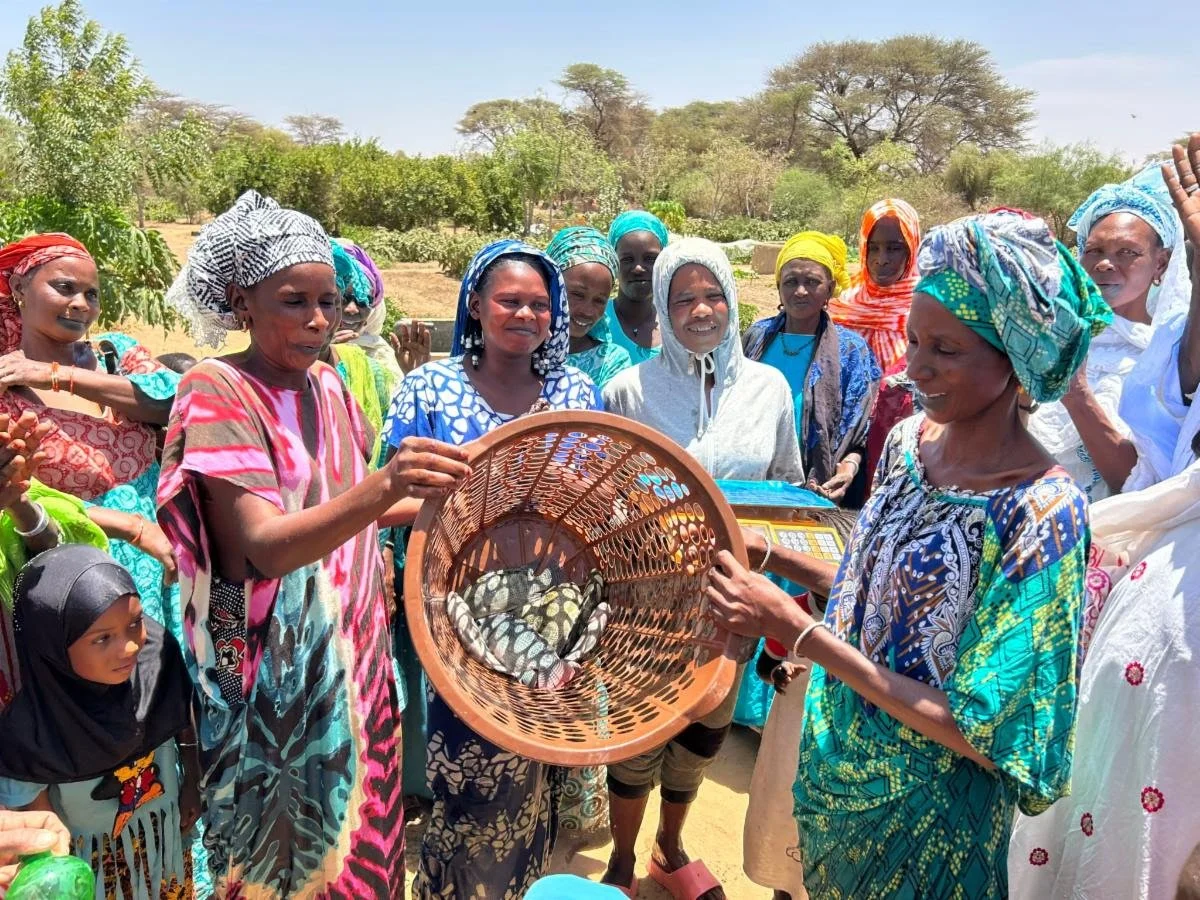
Dickel Sow (right), along with other members from the Mbantou Croissement Garden, showing off a few of the fish recently harvested.

"They gave it their all because they believe in development and prosperity. With our work in the garden, we consume the produce, give it away, and also sell it.

Whereas before, we had to go elsewhere to find vegetables. What's more, the products are organic, without fertilizers. Apart from rice and oil, we have everything we need in the garden. And that has a big impact on us."

Fish grown in the garden provide sustainable protein while also fertilizing the other garden crops.

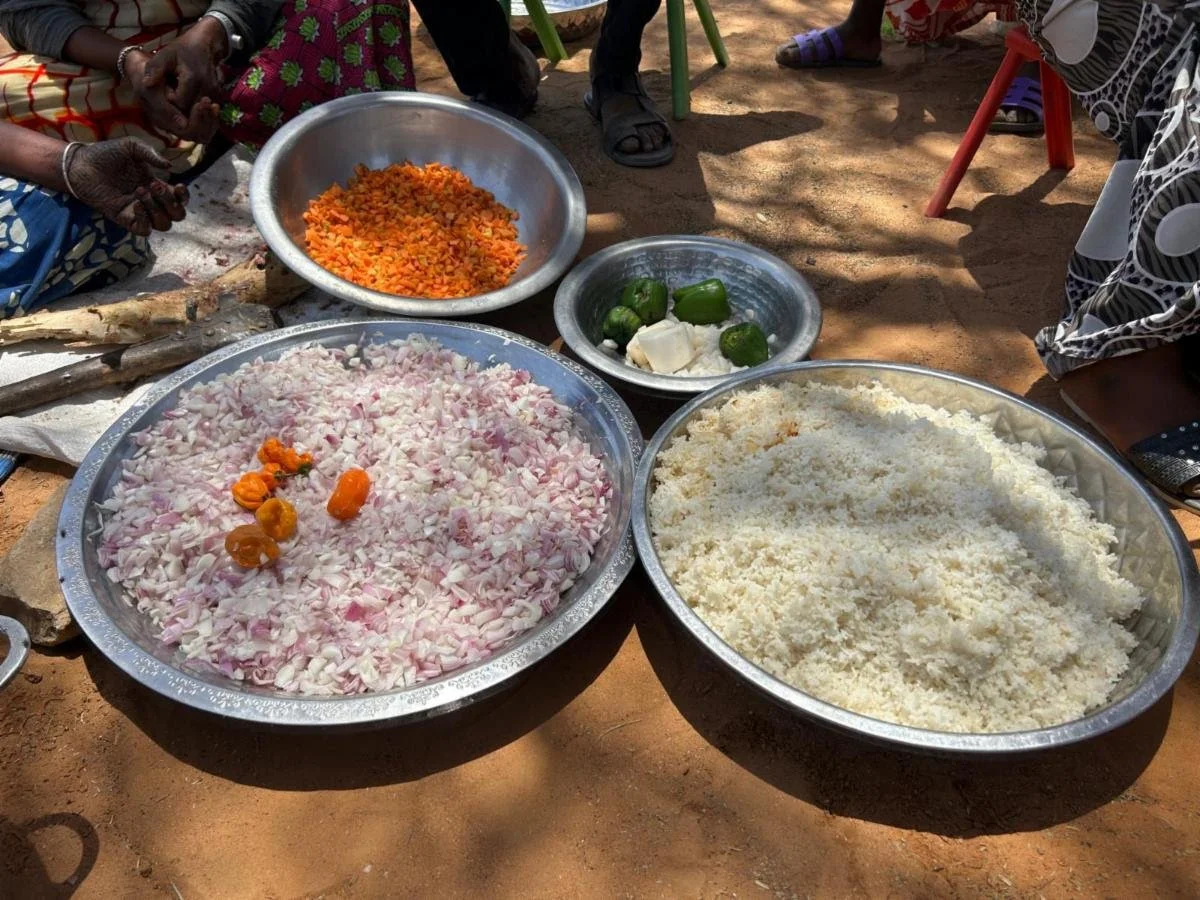
"We have everything we need in the garden." Carrots, onions, peppers and limes - all grown from in garden - are used to prepare a meal called Yassa!

"Just waking up and seeing the garden is soothing."

"Every morning, we women gather in the garden. If one of us is missing, we notice. And that's what matters most. It's all thanks to Andando. Here we are today, giving thanks to God. God granted our wishes, and we are happy now."

On behalf of all of our partner communities and our Staff and Board we wish you a joyful and restful Thanksgiving season. Jaama rek (peace to you) and your loved ones!

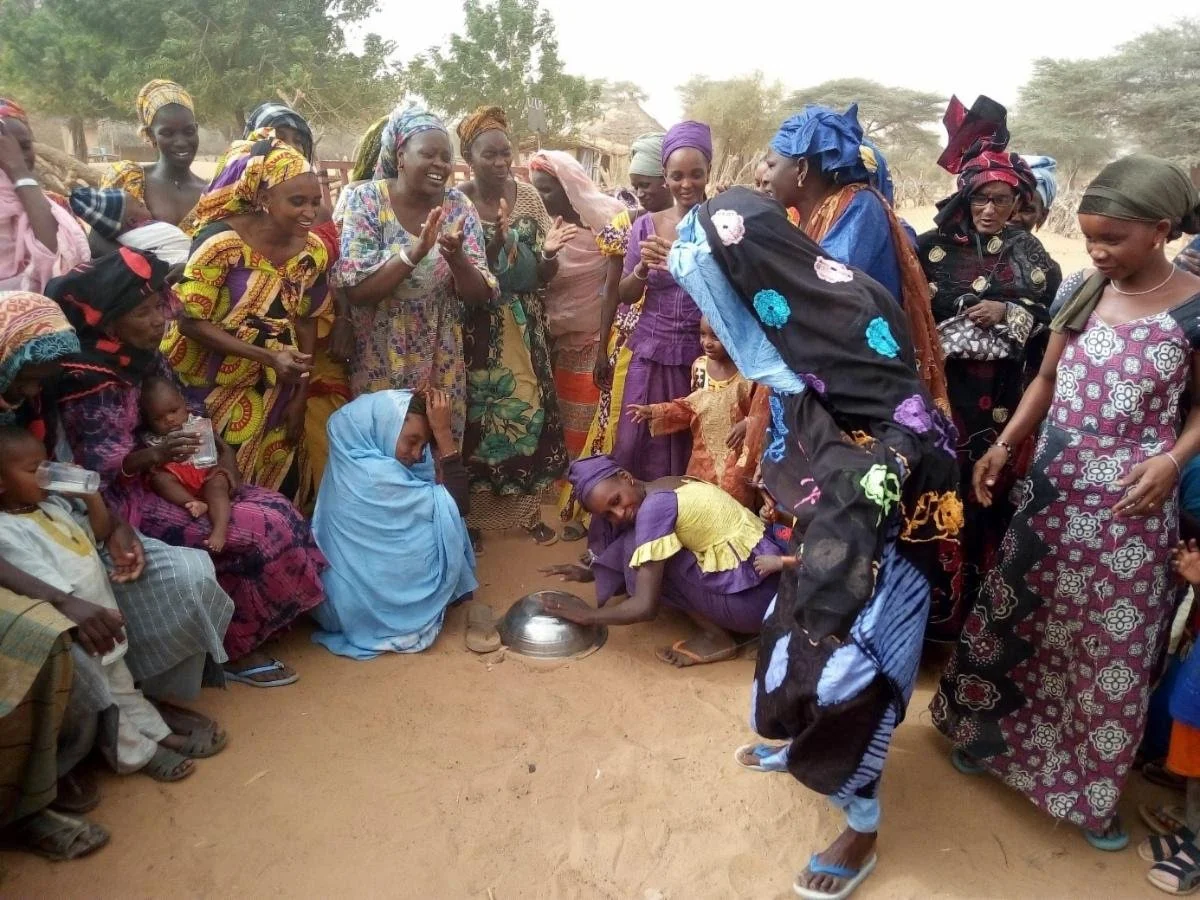
Joy is overflowing as the women from Mbantou Croissement celebrate a recent harvest by dancing.

Video: Mbantou Croissement First Fish Harvest

In case you missed it, the women of Mbantou Croissement celebrated their FIRST fish harvest in April! By integrating aquaculture into the gardens, they are seeing an increase in yield of nutrient-dense food with the added benefit of high-quality fish - all with a ZERO net increase in water usage! Special thank you to Tomberg Family Philanthropies for funding the expansion of aquaculture to new gardens.

From the Director - May 2025

We have water! The borehole at Senobowal hit water at 152 meters and was cause for much celebration by the members of the community!

I’ve just returned from Senegal, and I am blown away by the incredible progress we’re seeing on the ground. Like many in our sector though, we’re facing a rapidly shifting funding landscape that threatens our ability to do this vital work. That’s why we’re working closely with our team in Senegal to share Andando’s impact, like these updates below, with a broader audience.

A big thumbs up from Maguette from the Haffé Garden! These women overcame many challenges to get to this point. We give them TWO thumbs up back!

Since our last newsletter:

Students at Ndiedieng Primary School sit four to a desk but with their new classrooms on the way this will soon be a thing of the past! Classrooms along with bathrooms and water taps will be completed before the next school year.

This is just a sampling of the incredible progress happening through Andando. As we begin sharing more videos and personal stories, I humbly ask you to help amplify them and invite others to be part of this journey. Senegal is making real progress in the fight against poverty, but the need remains great, and this is a critical moment to increase not decrease international support. Thank you for supporting this work and for everything you do to help spread the word about Andando.

Help Us Spread the Word!

Fish to Table: On the Edge of the Sahara

In only a few short months, the women’s cooperative garden of Mbantou Croissement is enjoying their FIRST fish harvest!

The Mbantou Croissement Garden was established in 2018 and has a storied history of firsts:

Due to their continued success and dedication, and thanks to a generous grant from Tomberg Family Philanthropies, Mbantou Croissement installed an integrated aquaculture set-up in their garden in 2024.

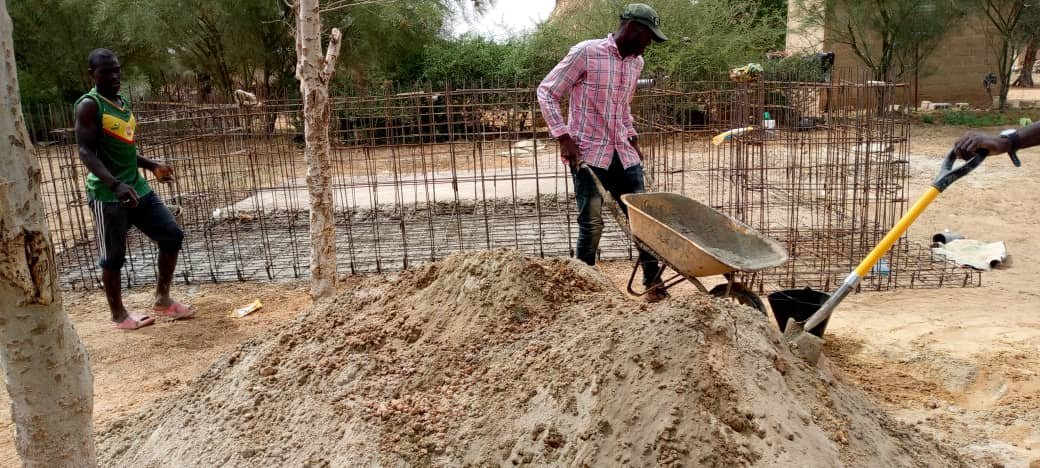
Construction workers forming the basin walls for the Mbantou Croissement Garden fish tanks.

We learned a lot since our initial aquaculture pilot program in 2021! Using feedback from the women and our local horticultural technicians, we implemented a new basin design that facilitates a self-sustaining rotation of fish production and breeding.

The fish basin at Mbantou Croissement includes steps that make it easier for the women to monitor fish health as well as harvest mature fish and transfer juvenile fish.

While the women waited for the basins to be completed, they participated in hands-on training at the Andando Keur Soce Training Center. This included both technical lessons on water quality testing, and feeding schedules over the course of production, as well practical hands-on field visits to our existing aquaculture gardens where they could practice harvesting, sorting, and transferring fish.

Aquaculture training at Andando’s Keur Soce Training Center.

After completing their training and receiving all the equipment and supplies they needed, the women of Mbantou Croissement were ready, and eager to get started.

The women of Mbantou Croissement proudly showing their equipment and supplies. They are ready to start fish farming!

In November, they received their starter set of fish fingerlings from Senegal’s Aquaculture Authority. Equipped with the knowledge, skills, resources, and support they needed for success, the women courageously took on the new challenge of growing fish in northern Senegal, on the edge of the Sahara Desert.

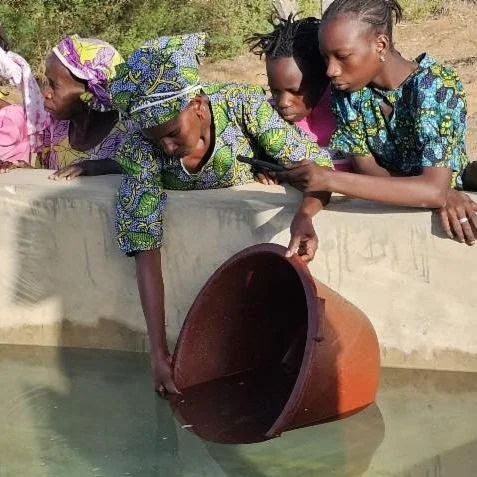
Releasing tilapia fingerlings into the fish basins.

Just last week, they celebrated their FIRST fish harvest! Along with vegetables grown in the garden, they enjoyed a delicious meal of “yassa jënn” (rice and fish with onion sauce and vegetables) using all locally sourced ingredients! This really is “Fish to Table.”

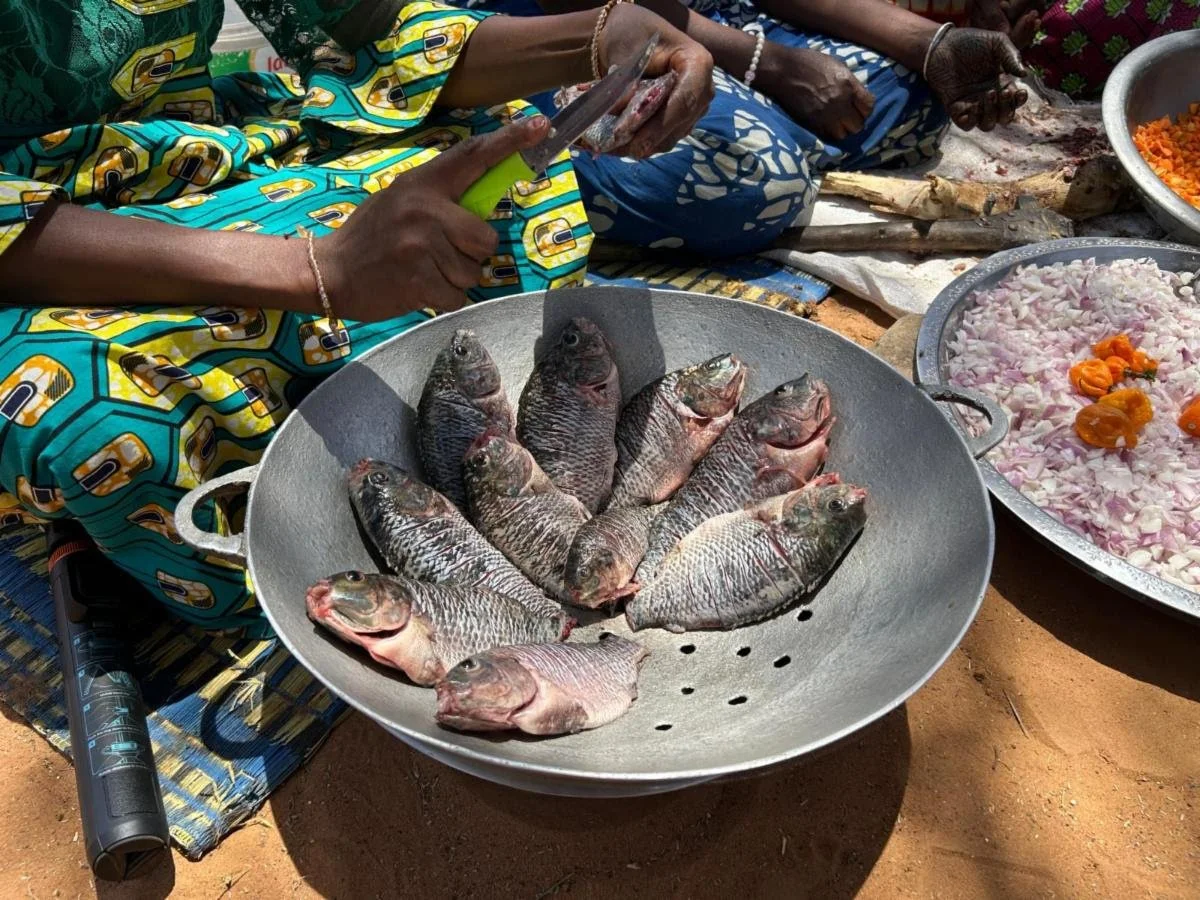
A successful first fish harvest! The women clean the fish to make a delicious meal featuring vegetables from their garden.

Why is this important?
Aquaculture is a fantastic addition to our agroforestry model. Each of our pilot gardens have reported a dramatic increase in their harvest yields and profits - and all of this with a ZERO net increase in water use! That means they are growing more nutritionally dense crops, yielding higher volumes, benefiting from fresh quality fish, and increasing their household revenue without changing their water consumption!

Want to be part of the solution?
There are MANY ways you can support more projects like this in Senegal.