
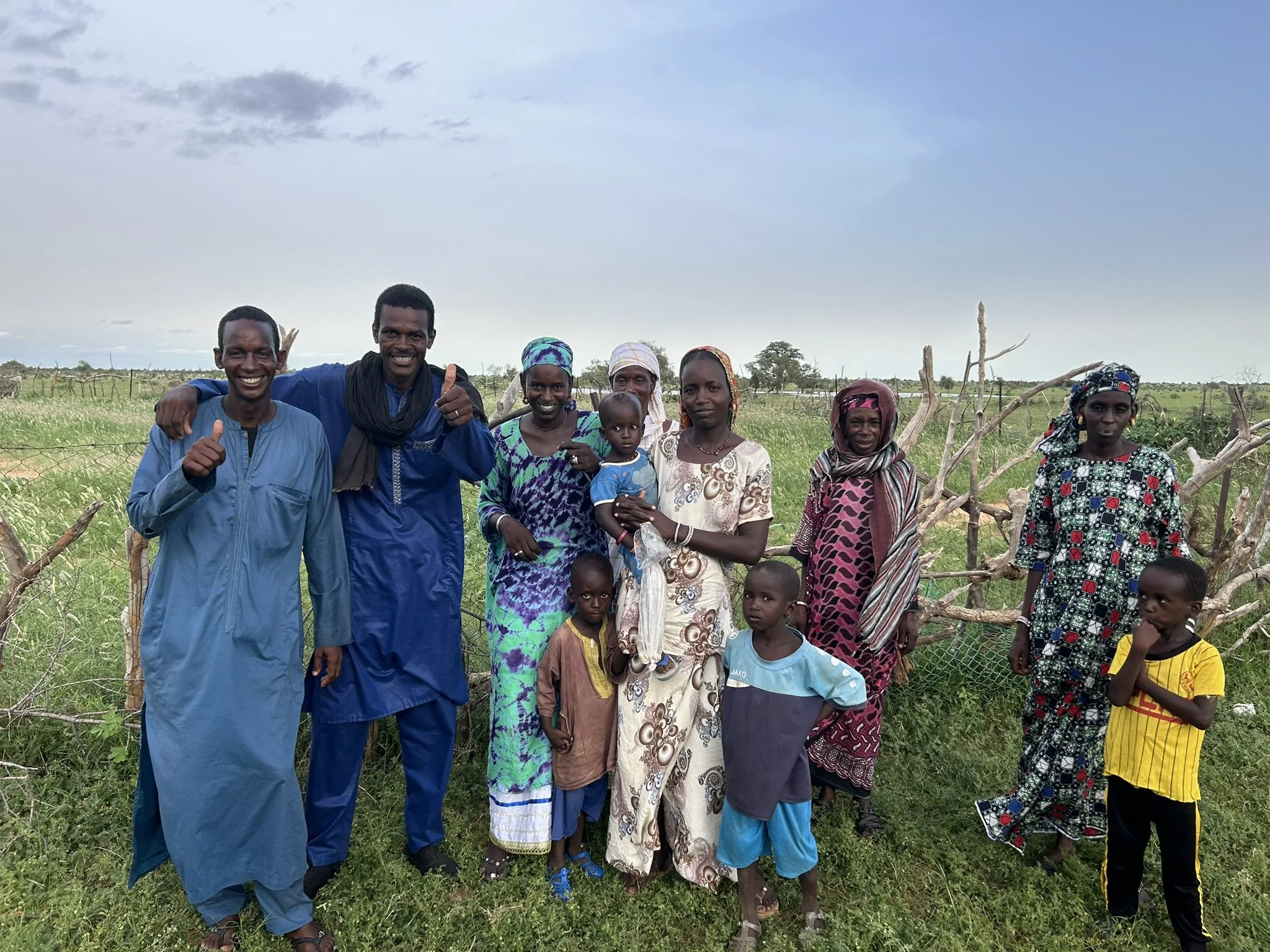
Life in Senobowal has changed significantly in the last 3 years. What started as an initial project of building a new health clinic in 2023 has blossomed into a beautiful partnership, benefiting the whole village in water, health care, food security, and keeping kids in school.
After the completion of a new deep borehole well and solar panel water pump system, the next natural step was to add a women’s cooperative garden to the village.
Families here often travel 6-8 months out of the year so their livestock can find enough feed to forage on. This means children are unable to attend school. The women of Senobowal came together to request a garden because they want the means to remain at home so that their children can attend school.
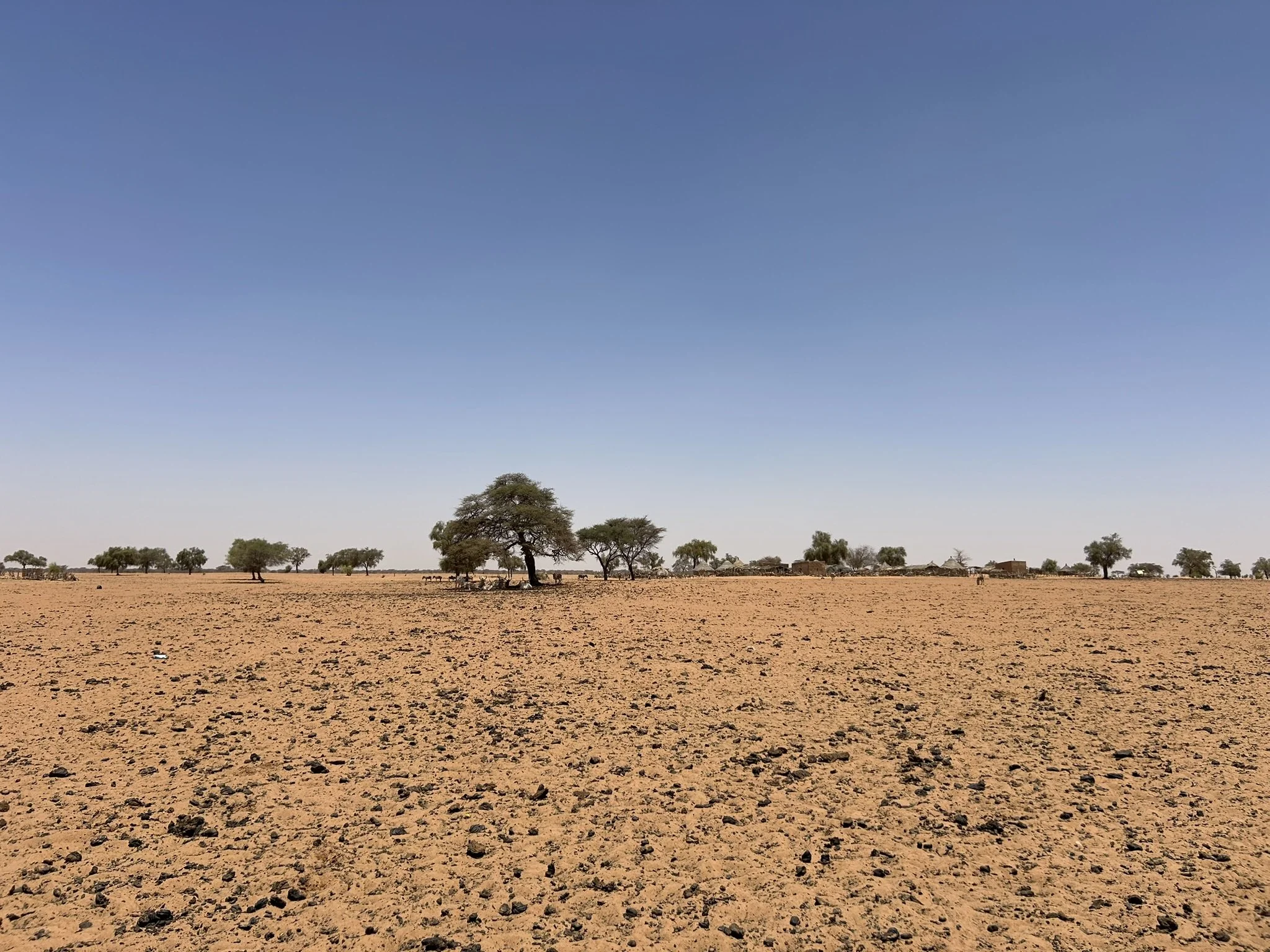
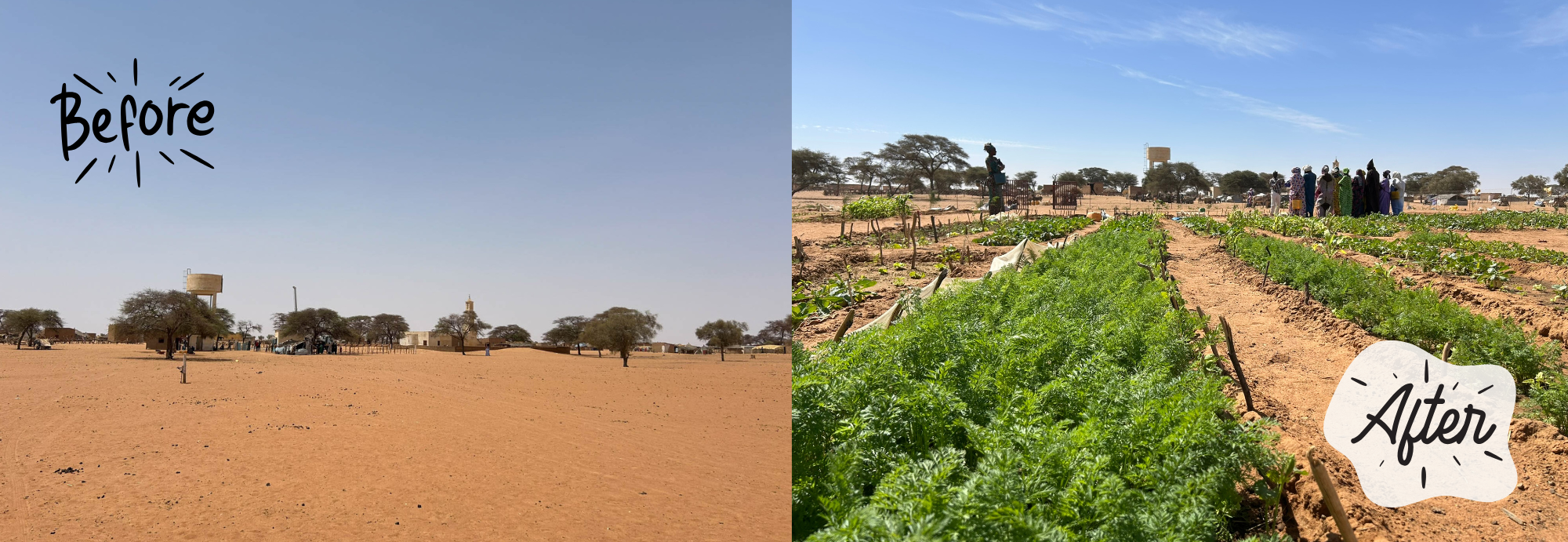
The site of the Senobowal Garden in April 2025.
The community dedicated a plot of land for this purpose, and the women had already set to clearing and preparing the land for the installation of a garden.
Construction progressed quickly, and in just a few short months the women were ready to begin their first gardening campaign in the new garden.
While waiting for the garden infrastructure to be installed, the women from Senobowal visited the well-established garden in Wouro Kelle to participate in hands-on knowledge-sharing sessions. These sessions, along with guidance by an Andando Horticulture Technician, prepared them so that once the watering basins were installed and functional, they were ready to immediately get started on their first garden campaign.
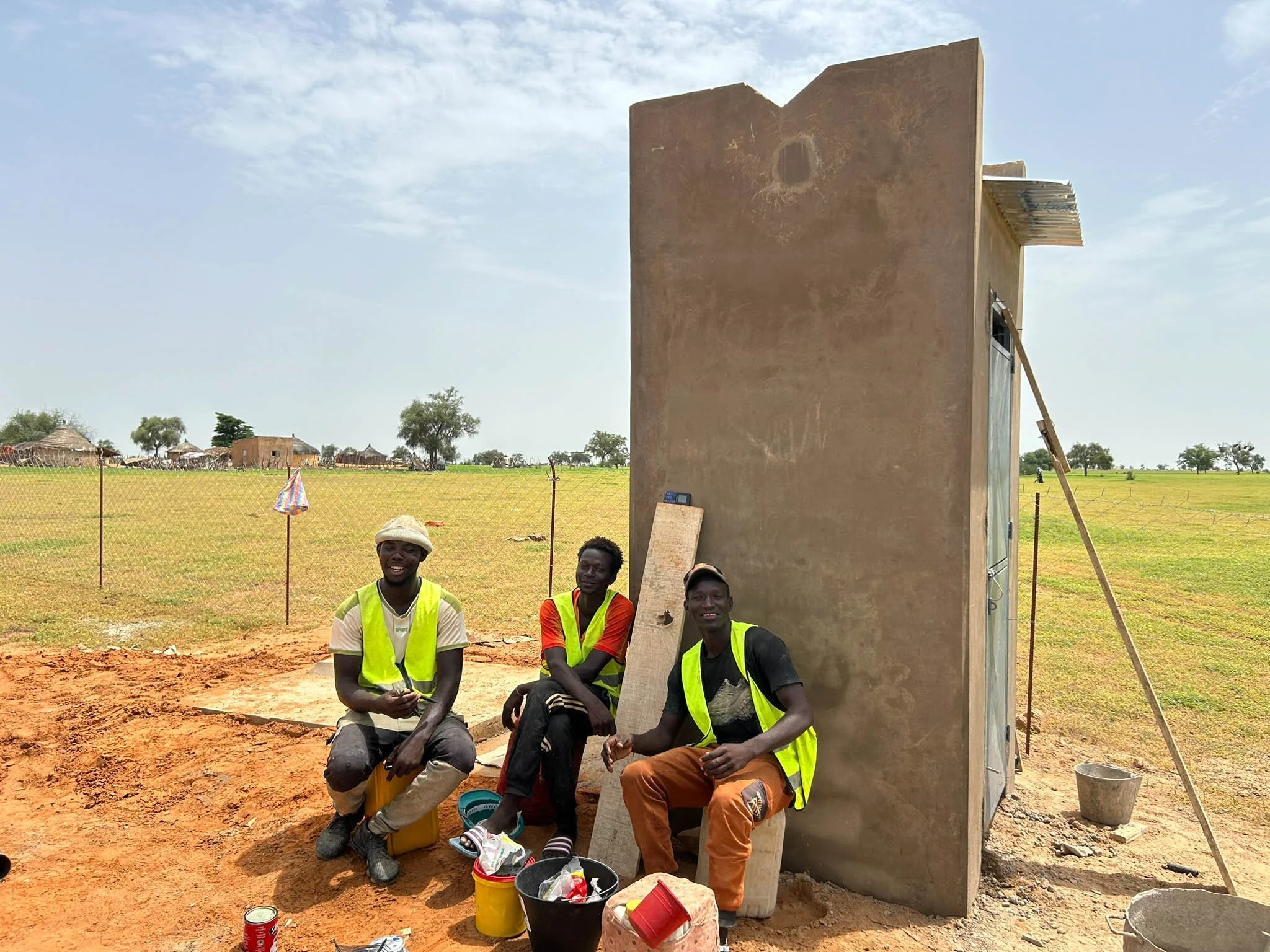
Local construction workers install the solar-powered pump system, watering basins, and a bathroom (shown here).
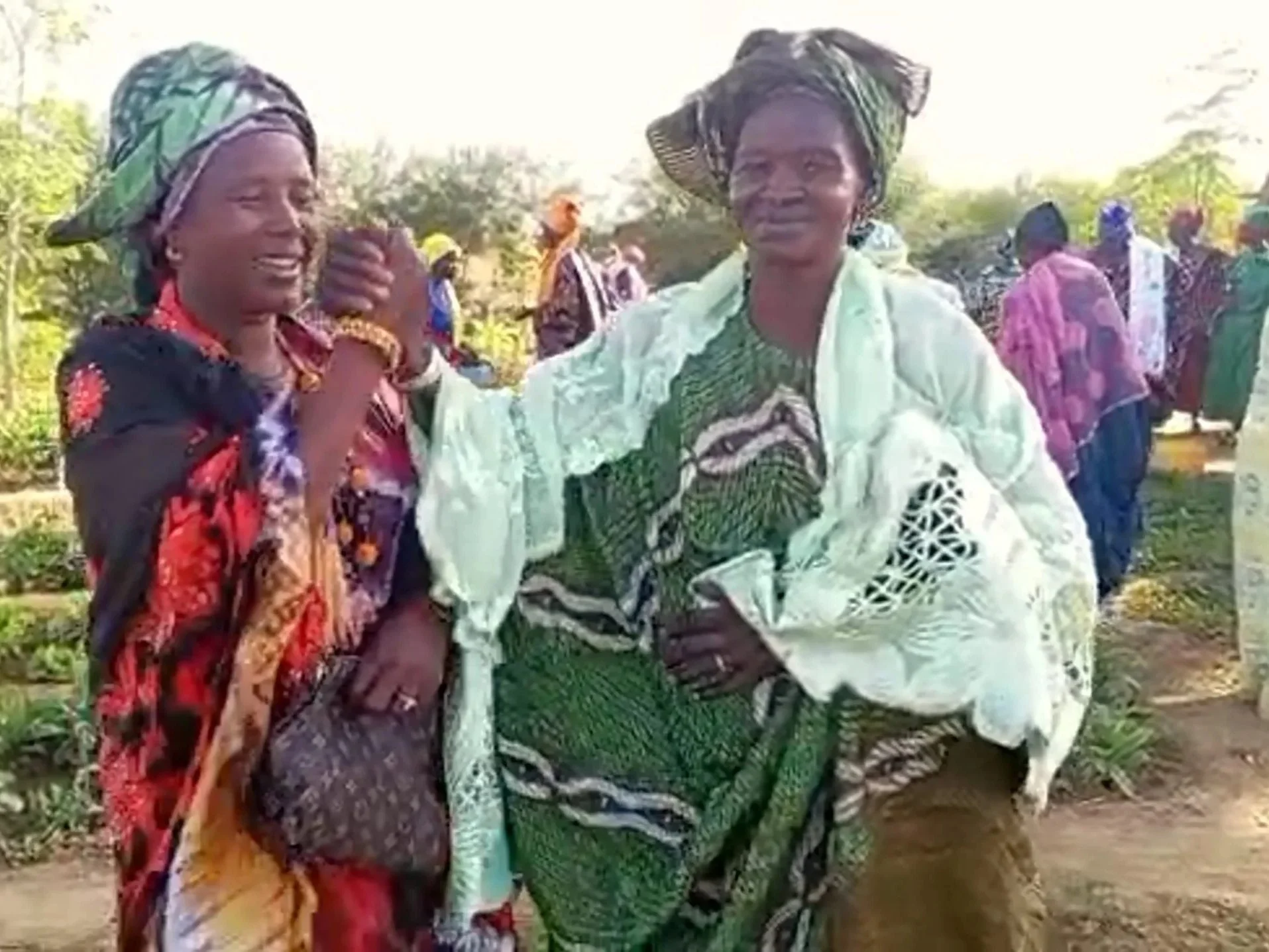
The women of Wouro Kelle welcomed the women of Senobowal for a day of knowledge sharing in their garden.
One of the first steps to prepare the garden is to install a perimeter fence to prevent grazing animals from eating the plants and destroying the women’s hard work. This fence is supplemented by the planting of a live fence (thorny, bushy shrubs) that protects the garden by providing a barrier from the harsh, drying winds. Added bonus: this live fence also aids in trapping nutrients in the soil and preventing soil erosion.
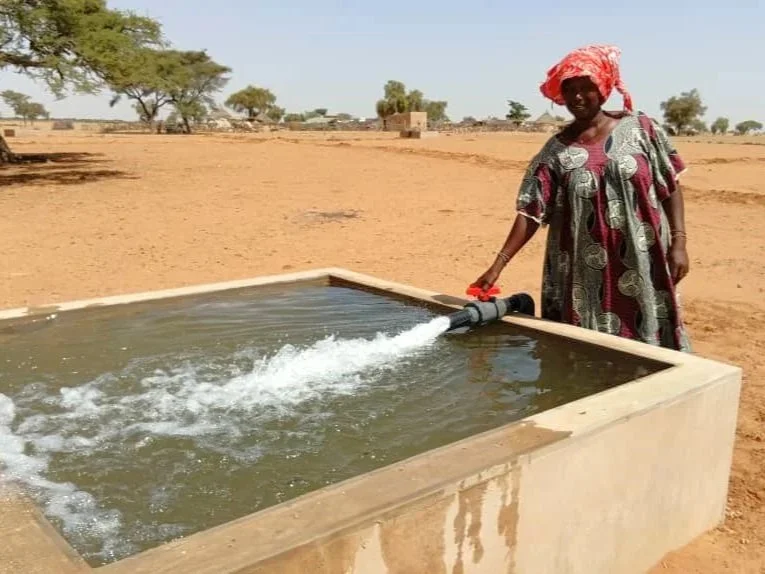
With the water turned on, the women are ready to start their first gardening campaign.
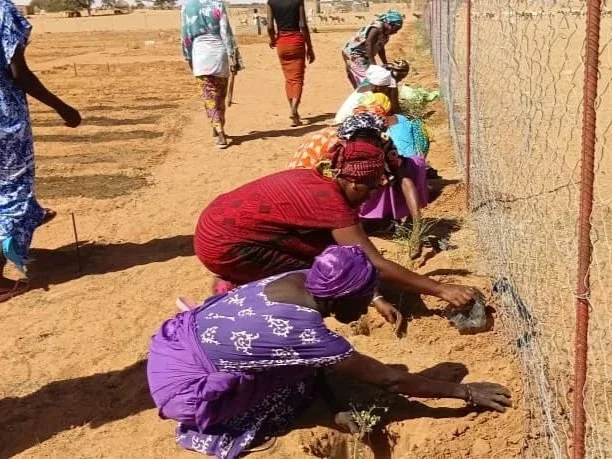
Planting live fencing around the perimeter of the garden helps protect the vegetables and fortifies the soil.
With the water turned on and the knowledge and supplies to start their first gardening campaign, the women wasted no time getting started.
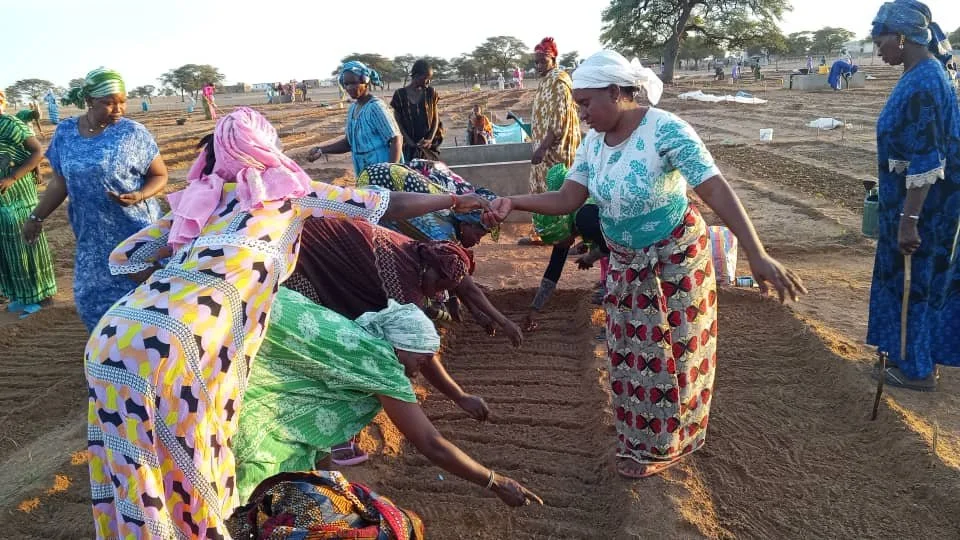
Everyone is working together to seed the first of the garden beds.
Everyone pitched in to prepare and seed the garden beds. They planted a variety of vegetables, including fast-growing crops, such as lettuce and radishes, which are ready to harvest very quickly.
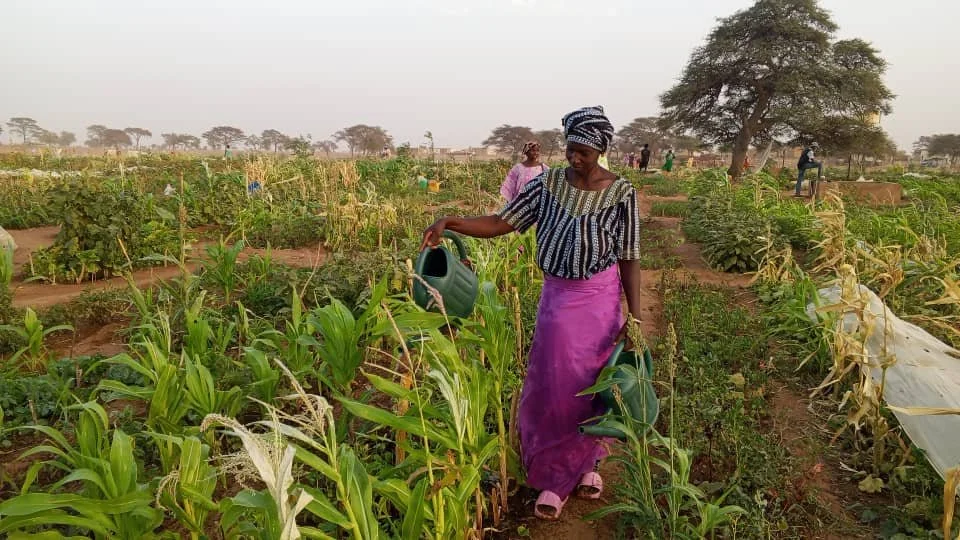
Garden participants are already seeing profits from their hard work. Aminata Sy, a mother of four boys and four girls, told us, “I was able to save 30,000 francs (approx. $50 USD), which allowed me to open a sales canteen, and at the start of the school year I managed to pay for my children's enrollment fees and school supplies. The availability of water has given us leisure time and allowed us to enroll our children in modern schools and hope for future support.”
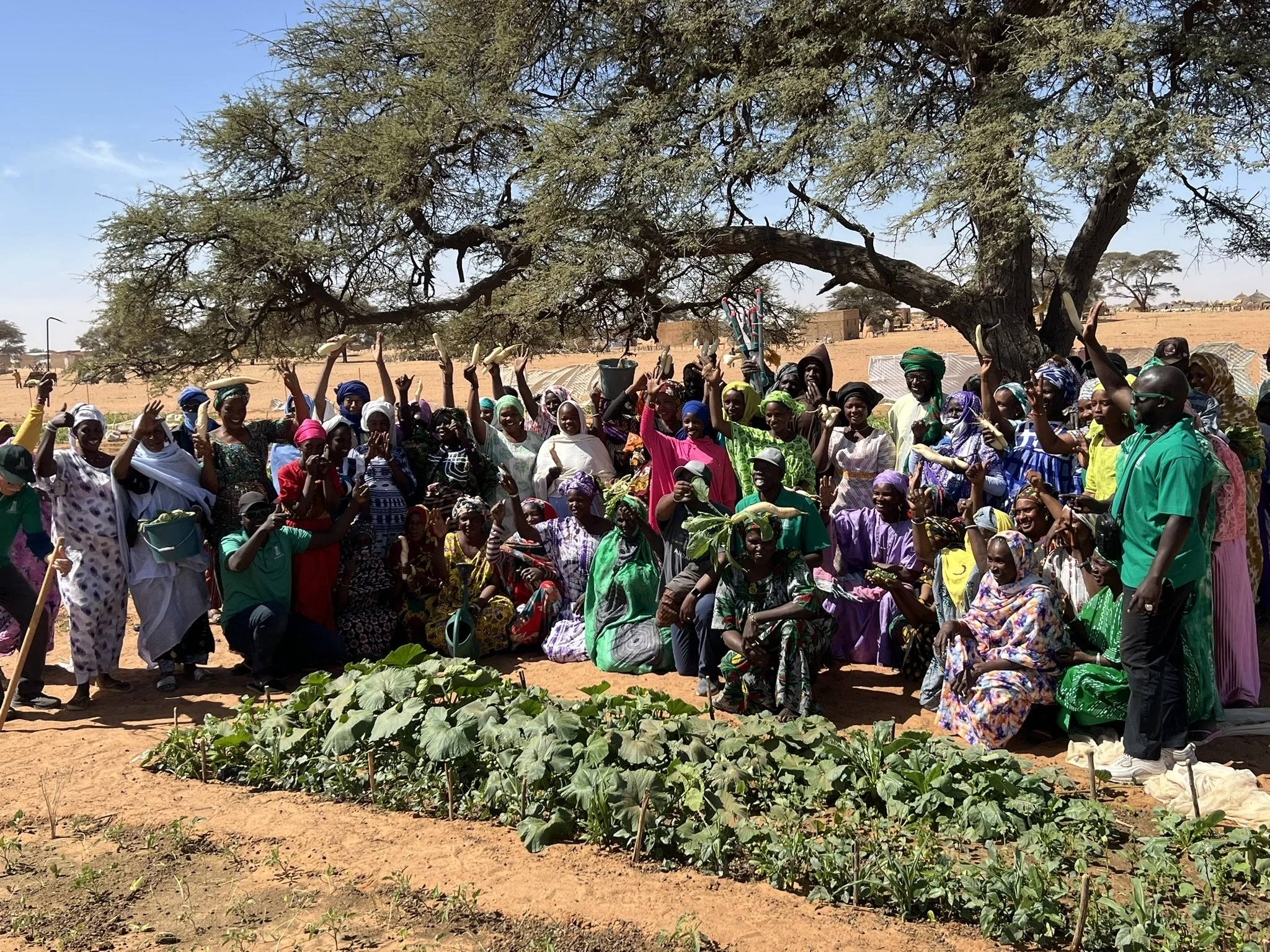
There are currently 152 women working in the garden, and so far they have harvested 16,530 pounds of produce, feeding over 2,000 people.
And this is just the beginning!
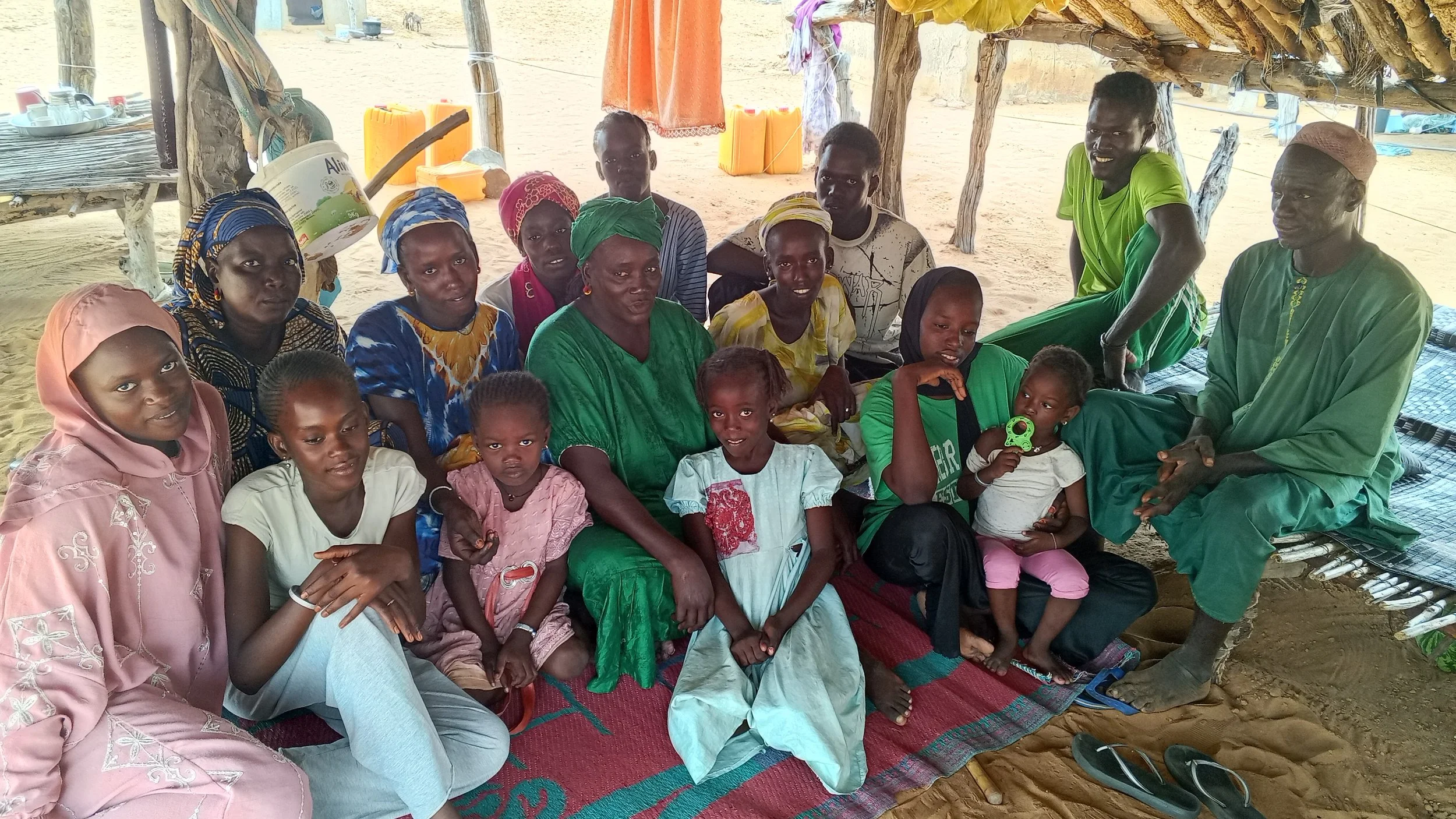
With the garden up and running, families have more options. Mothers and children can stay in the village while the men travel with their cattle: “We no longer travel with our livestock, and our children are enrolled in a modern school… We work in groups in the garden with monthly savings, while also earning money for our children's education.”
--Aminata Sall, Mother and Senobowal Garden Participant
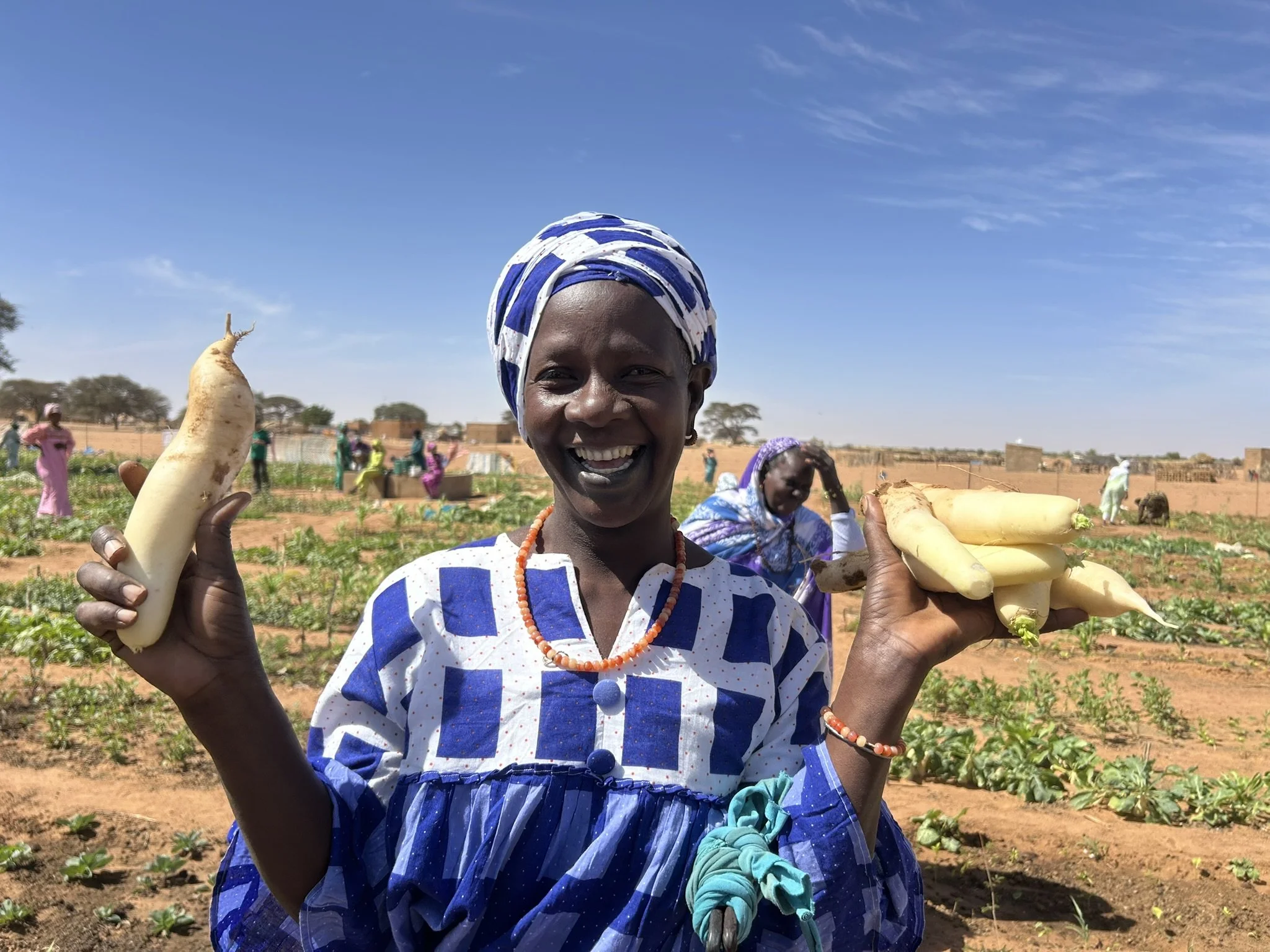
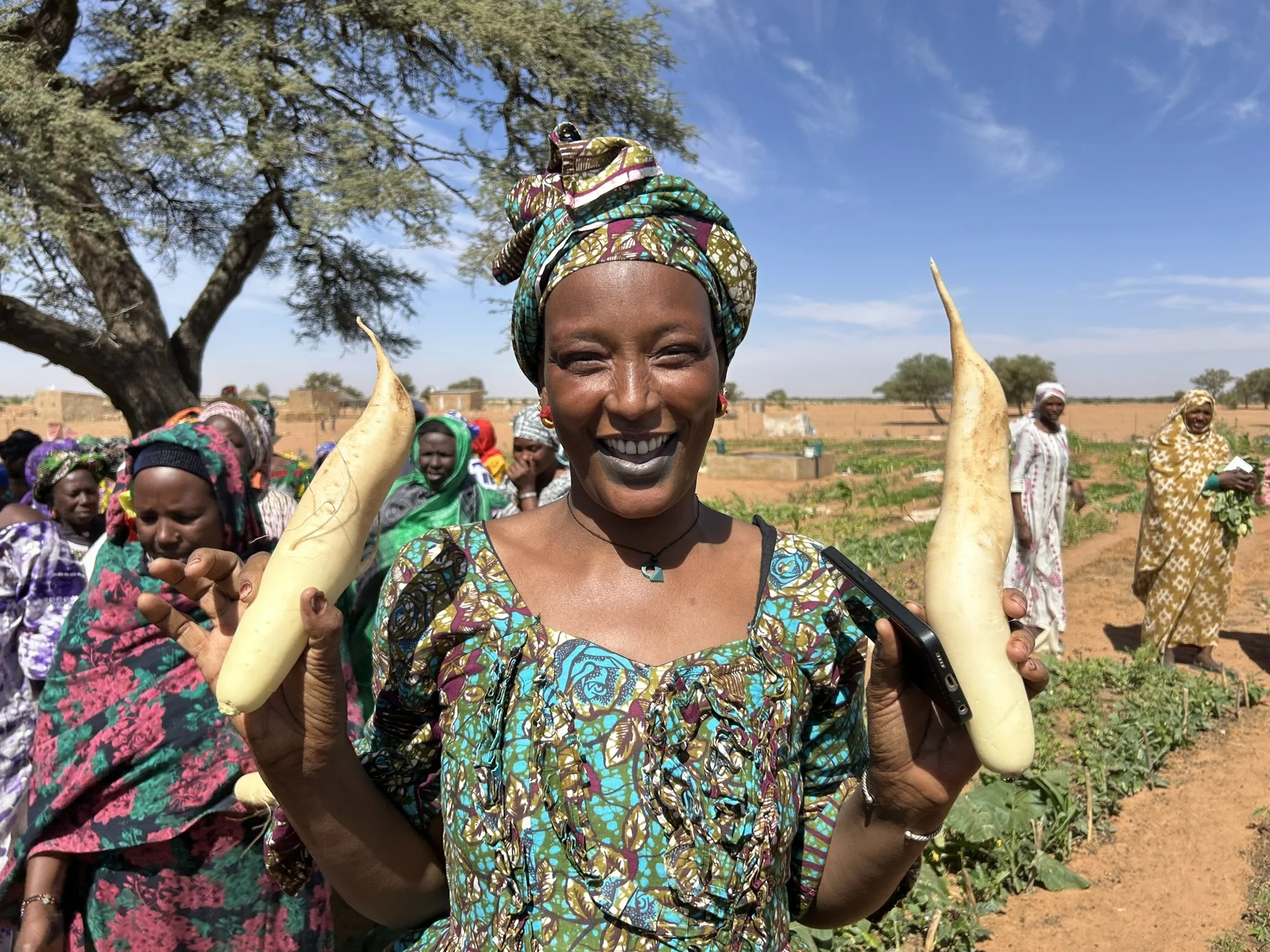
Bravo to the amazing women of Senobowal for the incredible successes they have found so far, we can’t wait to see what they do next.
Thanks to our friends at Altrusa Foundation and the Altrusa Clubs of Albany and Pendleton, Oregon, for providing the fencing, tools, seeds, and training needed to get this garden established.
Our next partner community is Pete Ole in northern Senegal, where they have requested help with a deep borehole well and solar pump system, as well as establishing a community woodlot.